
Best 8 Inch Motorcycle Speakers: Matching the Right Model to Your Routine for 2026
Disclosure: We may earn a commission when you buy through links on this page, at no extra cost to you. As an Amazon Associate I earn from qualifying purchases. Learn more

Compare the best 8 inch motorcycle speakers by sealing, power and mounting, and match them to touring, commuting or budget riding.
There is no single speaker setup that suits every rider. A touring rider crossing states at highway speed fights wind noise that a city commuter never hears, and a saddlebag system faces rain that a garage kept cruiser avoids. This guide matches the best 8 inch motorcycle speakers to the way you actually ride, so you spend on power, sealing, and mounting that matter for your routine. Start with the product table below, then use the sections that follow to narrow the field.
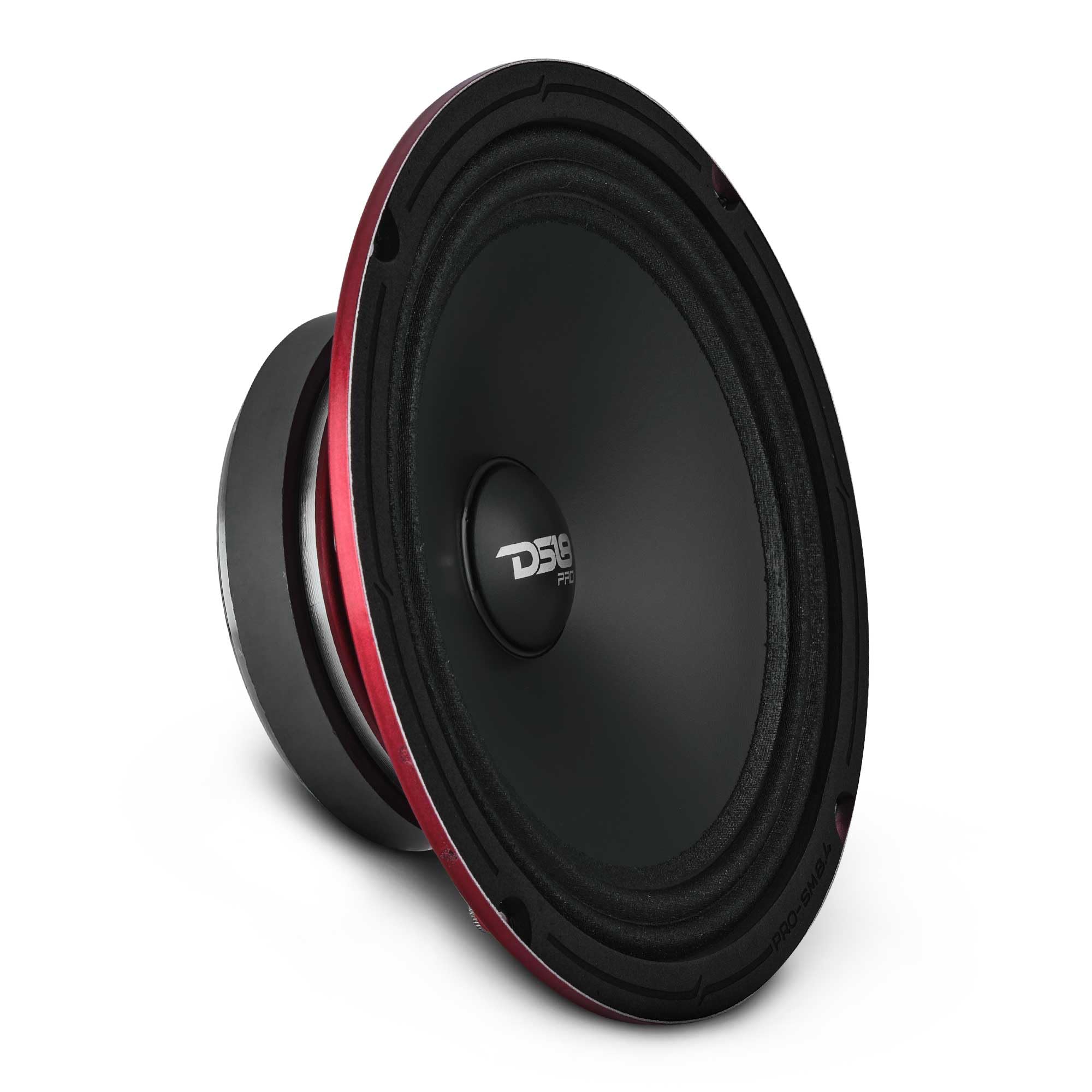
An 8 inch driver is a large speaker for a motorcycle, most often found in saddlebag lids and lower fairings on baggers. That size delivers real bass and volume, but only when the amplifier, the weather sealing, and the mounting hardware are chosen as one system.



Who Should Buy Which 8 Inch Motorcycle Speakers?
For Touring Riders
Long distance riders need volume that stays clean at 65 to 75 mph, where wind and exhaust noise peak. Prioritize high sensitivity drivers, an amplifier with genuine RMS output around 75 to 150 watts per channel, and speakers voiced with strong midrange presence, since vocals and guitar sit in the band that wind masks least. Weather sealing matters too, because a week on the road guarantees rain. Budget for the amp and speakers together rather than spending everything on drivers alone.
For Commuters and City Riders
Shorter rides at lower speeds need less raw power and more convenience. A compact amplifier and efficient coaxial speakers are usually enough, and Bluetooth streaming from your phone removes the need for a separate head unit. Look for simple controls you can operate with gloves and a system that draws modest power, because smaller bikes have less charging capacity to spare. Spending less here leaves money for the mounting kit your specific fairing or bags require.
For Group Riders and Audio Builders
Riders who build show level systems or ride in groups where the bike doubles as the parking lot stereo need headroom and durability. Component style setups with separate tweeters, higher power handling, and lids or fairings cut precisely for 8 inch drivers suit this group. Plan the electrical side carefully, since big amplifiers draw serious current from a charging system designed for lights and ignition. If midrange punch is your priority, compare the dedicated drivers in our guide to the best 8 inch midrange speakers alongside full range options.
For Everyday Riders on a Budget
If you ride daily and simply want music you can hear clearly at moderate speed, an efficient coaxial pair and a small two channel amp cover the job. Spend first on correct fit and weather resistance, then on power. Many riders in this group are upgrading from smaller factory speakers, and the step up in bass and clarity from an 8 inch driver is noticeable even without premium parts. Our broader overview of the best 8 inch speakers explains how driver size changes bass output across vehicles.
Key Features to Compare
Mounting, Fit, and Weight
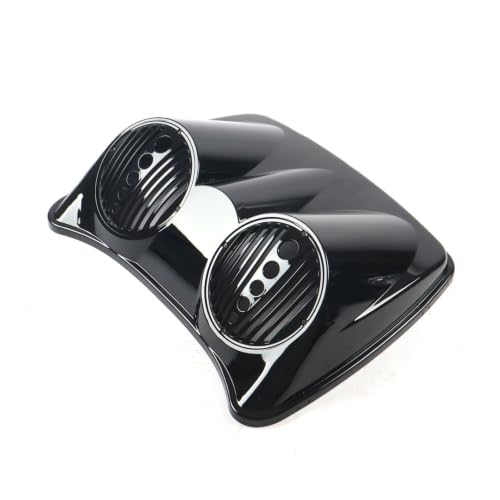
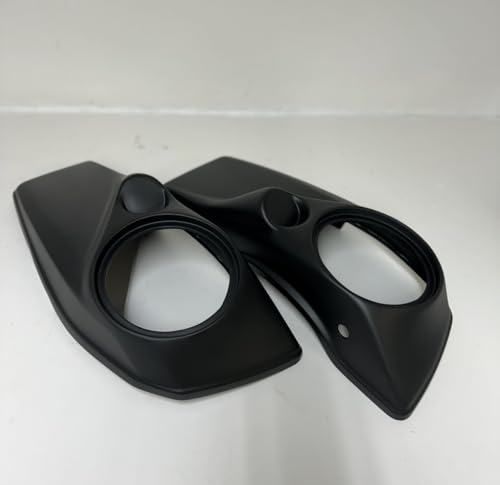
Fit is the first filter when shopping for the best 8 inch motorcycle speakers. Saddlebag lid kits and lower fairing pods are cut for specific models and years, and an 8 inch speaker needs both the cutout diameter and enough depth behind it. Check whether grilles, gaskets, and hardware come in the box, because those small parts decide whether the install seals properly. Weight matters less than on a bicycle, but a heavy magnet hanging in a thin lid can stress the plastic, so confirm the lid or pod is rated for the driver you choose.
Durability and Water Resistance (IP Rating)
Motorcycle speakers live outdoors. Look for an IP67 rating or clear marine grade construction, with sealed cones, rubber surrounds, and corrosion resistant terminals. An IP67 rating means the unit survives brief immersion, which translates to confidence in heavy rain. Drainage matters as well, since saddlebag lids can channel water toward the speaker. The design thinking overlaps with boat audio, so our guide to the best 8 inch marine speakers is useful background on seals, coatings, and UV resistant materials.
Connectivity (Bluetooth Version, Codecs, Wired)
Most riders stream from a phone, so the source unit or amplifier needs stable Bluetooth, ideally version 5.0 or newer for range and reconnection speed. Multipoint pairing lets a phone and a GPS unit take turns without manual switching. Wired inputs still sound cleanest and never drop, so many touring riders keep an auxiliary input as backup. Codec support such as AAC or aptX helps slightly, but at highway speed, amplifier power and speaker sensitivity shape what you hear far more than codec choice.
Sound Quality and Tuning
Judge sound by frequency response and sensitivity together. An 8 inch woofer can reach genuinely low bass for a motorcycle, roughly the 50 to 60 Hz region in a good enclosure, while a separate or coaxial tweeter handles detail. Riders often prefer a slightly forward midrange tune outdoors, because a flat living room tune sounds thin against wind. If your system separates duties by frequency, our guide to the best 8 inch midbass speakers covers drivers built purely for the low and middle bands.
One more planning point saves real money. Decide early whether the 8 inch drivers are your main speakers or part of a staged build with smaller fairing speakers up front. A staged build spreads the budget across two steps and lets you hear what the large drivers add before buying more parts. A single step build, by contrast, needs the amplifier channels and wiring planned for every speaker from day one, because adding channels later usually means replacing the amp rather than extending it.
Common Mistakes to Avoid When Buying 8 Inch Motorcycle Speakers
- Buying on peak watts alone. Peak figures flatter weak speakers, so compare RMS handling and sensitivity instead.
- Ignoring fit and mounting depth. A driver that does not match your lid or pod cutout means returns, adapters, or rough custom work.
- Skipping weather sealing. Indoor rated speakers fail quickly on a bike, often within one wet season.
- Overloading the charging system. A large amplifier on a small bike can drain the battery faster than the stator replaces charge.
- Forgetting hearing safety. Volume loud enough to beat wind at speed can damage hearing over long rides, so consider ear protection designed to cut wind noise while passing music and traffic sound.
Care and Maintenance Tips
- Rinse off road grime gently. Use low pressure water and a soft cloth, since pressure washers can force water past seals.
- Check mounting screws each season. Vibration loosens hardware, and a rattling speaker is usually a loose grille or lid mount.
- Keep firmware updated. Bluetooth amplifiers and source units gain stability fixes that reduce dropouts and pairing failures.
- Inspect wiring at flex points. Saddlebag lids open and close constantly, so look for chafed insulation where cables cross the hinge.
- Store the bike dry when possible. A cover or garage storage slows UV damage to surrounds and grilles.
Frequently Asked Questions
Is noise cancelling worth the extra cost for motorcycle speakers?
Active noise cancelling belongs to headphones, not to open air bike speakers, so do not pay for it here. What actually helps is reducing wind noise at the helmet with a better screen, a quieter helmet, or filtered earplugs, then giving the speakers enough clean power. Spend the money you save on sensitivity and amplifier quality instead.
What IP rating do I need for outdoor use on a motorcycle?
Aim for IP67 or a clear marine grade rating for speakers mounted in lids and lowers. Lower ratings such as IPX4 handle splashes only, which is not enough for sustained rain at speed. Also check that the amplifier is sealed or mounted somewhere sheltered, because the best sealed speaker still fails if its amp corrodes.
Wired or wireless: which sounds better on a motorcycle?
A wired feed sounds marginally cleaner and never drops out, while Bluetooth wins on convenience and clean installation. At road speed, wind noise hides the small quality gap, so most riders choose Bluetooth for daily use and keep a wired input for long trips. Choose based on how you ride, not on small lab differences.
Do I need an amplifier for 8 inch motorcycle speakers?
Almost always. A stock head unit rarely drives an 8 inch speaker to a useful volume at highway speed, so plan a dedicated amplifier matched to the speaker RMS rating. Set the gain conservatively so the speakers never clip, and make sure the amplifier is sealed or mounted somewhere sheltered.
Will 8 inch speakers fit my bagger?
Only if your lids or pods are cut for that size. Many touring models use lid kits made for specific years, so check your model and year before ordering. Measure the cutout and the depth behind it, and confirm the lid is rated for the weight of the driver.
Wrapping Up
Match the system to your riding. Confirm fit for your lids or fairings, insist on real weather sealing, and pair sensitive drivers with honest RMS power. Check your shortlist against the product table above, and you will land on the best 8 inch motorcycle speakers for the miles you actually cover.


