
Best 8 Inch Cast Iron Skillets (2026): Buying Guide and Sizing
Disclosure: We may earn a commission when you buy through links on this page, at no extra cost to you. As an Amazon Associate I earn from qualifying purchases. Learn more

Choosing the best 8 inch cast iron skillet? An 8 inch skillet suits one or two people who cook small portions often.
Saturday morning in a small kitchen often means one free burner, eggs for two people, and little counter room to spare. That is exactly where the best 8 inch cast iron skillet earns its place, since it handles breakfast, a single chicken breast, or a small round of cornbread without crowding your stove or cabinets. This guide helps you choose by kitchen space, household size, routine, and budget.
The sections below compare the main types, the features that matter at this size, and the cost of owning the pan over time. Use the comparison table below to see the key differences before you read the details.


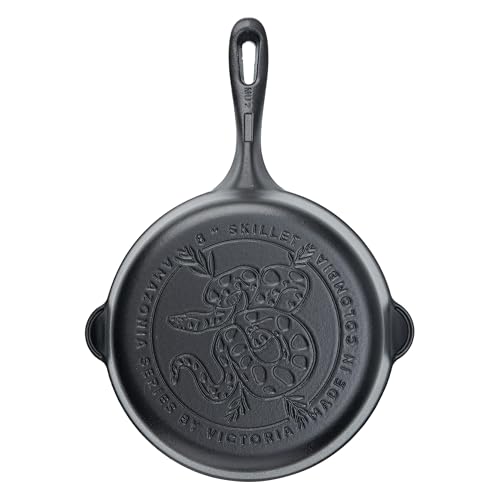


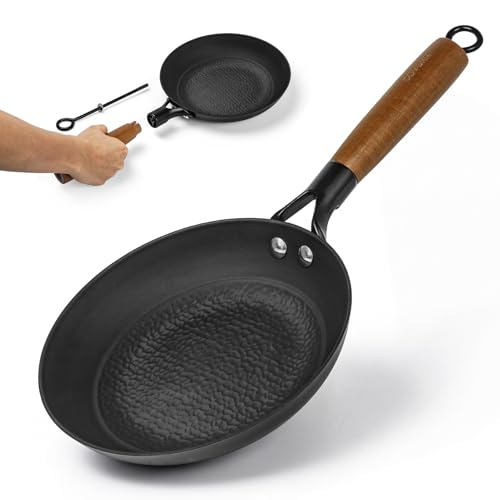
Quick Answer: The Short Version for Busy Homes
An 8 inch skillet suits one or two people who cook small portions often and want a pan that heats fast, stores easily, and lasts for decades. Traditional bare iron costs the least and takes seasoning care. Enameled iron skips seasoning but costs more and chips if you drop it. Lighter milled iron is easier on your wrist, though it sits in the higher price bands. If you cook for three or more people, treat this size as a second pan.
Before You Buy: A Quick Checklist for Choosing a Cast Iron Skillet
Work through these points in order, because size and routine matter most.
Size: Match It to Your Space and Your Household
The 8 inch figure describes the top rim, not the flat cooking surface, which is often about 6.5 to 7 inches across. That surface fits two eggs, one sandwich, a single portion of hash, or a small steak with room around it. A 6 inch pan feels cramped beyond one egg, while a 10.25 inch or 12 inch pan gives families more room but takes more storage space. Measure your cabinet depth before you order, since the handle adds several inches to the total length.
Which Type Fits Your Daily Routine
Bare iron usually arrives with factory seasoning already applied, ready for your first meal. If you like that ready start, our guide to the best pre seasoned cast iron skillet explains what the factory coating can and cannot do. Enameled iron has a fused glass surface that resists rust and handles tomato sauces well. Smooth milled iron has a polished cooking face that releases food sooner, while textured modern castings feel rougher at first and smooth out slowly with daily cooking.
Features Worth Paying For and Ones to Skip
Pour spouts on both sides help you drain bacon fat or pan juices without dripping across the stove, and they cost nothing extra on most designs. A helper handle opposite the main handle gives you a secure two handed grip when the pan is full and hot. A fitted lid is worth paying for if you melt cheese or finish eggs gently. You can safely skip bundled scraper sets and silicone grips at checkout, since each costs less bought later only if you need it.
Is Cast Iron Free of Synthetic Coatings?
Bare cast iron carries no synthetic nonstick layer at all. Its surface is seasoning, meaning oil baked onto the iron until it hardens into a dry film that rebuilds each time you cook with fat. Enameled pans use a glass based coating fused at high heat, which also contains no PFAS or PTFE. If you are weighing materials for your whole kitchen, our comparison of cast iron vs stainless steel skillet options explains how each surface handles heat and upkeep.
Induction, Gas and Glass Top Compatibility
Cast iron works on gas, electric coil, and induction because the iron itself responds to a magnet, so nearly every true cast iron pan suits induction. What matters more is a flat base that sits flush on the burner, since a warped bottom rocks and heats unevenly. On glass top stoves, lift the pan instead of sliding it, because the heavy base can scratch the surface when grit sits underneath. Match the base roughly to your burner size so the edges heat at the same pace as the center.
Oven Safe Temperature and Handle Design
A one piece iron handle goes from stove to oven without a second thought, which is why this size works so well for cornbread and for finishing thick cuts under the broiler. Enameled pieces and pans with wooden or silicone covered handles carry stated limits from the maker, so read that rating before high heat baking. A curved handle with a wide grip spreads the weight across your palm, while a short straight handle can dig in when you tilt the pan to pour.
Realistic Budget Ranges
Simple bare iron skillets at this size often sell for about $30 or less, and they cook as well as pans costing far more once the seasoning matures. The band from about $30 to $100 adds smoother finishes and better handle shaping. Above about $100 to $200 you are mostly paying for fine machining, enamel work, and lighter weight rather than better browning.
Three Types Compared: Styles of 8 Inch Cast Iron Skillets
Three styles cover nearly every 8 inch pan you will find.
Traditional Bare Iron With Factory Seasoning
This is the classic pan with a matte black finish and the lowest price of the three styles. It tolerates metal utensils, very high heat, and campfire cooking, and it shrugs off small dings. The trade off is routine care, since you must dry it promptly and keep the seasoning in good shape. Choose this style if you cook daily and want one pan for stove, oven, and grill.
Enameled Cast Iron for Low Fuss Care
An enameled skillet keeps the steady heat of iron but removes seasoning from your to do list, and it can soak in the sink without rusting. That suits shared kitchens and small batches of acidic sauces. The enamel can chip if the pan knocks against a faucet, and replacements cost far more than bare iron. If you are torn between the two surfaces, the guide to enameled vs regular cast iron walks through cleaning, staining, and repair in more depth.
Lightweight and Smooth Milled Cast Iron
Some makers machine the walls and base thinner, which trims the weight and makes one handed pouring realistic for more people. The polished surface also tends to release eggs and fish sooner than a rough casting does. Thinner iron holds slightly less heat in reserve, so the temperature dips a bit more when cold food lands in the pan. If wrist comfort decides your purchase, read our roundup of the best lightweight cast iron skillet options for weight ranges that still sear well.
What to Compare in an 8 Inch Skillet
Look at published maker specifications, stated weight and dimensions, surface type, and patterns in buyer feedback about sticking, rust, and handle comfort. The criteria stay fixed: even heating, surface durability, stove and oven compatibility, and weekly cleaning effort.
Is an 8 Inch Cast Iron Skillet the Right Size for You?
This size shines in homes cooking for one or two people, where most meals are eggs, grilled sandwiches, reheated leftovers for one, or a single portion of vegetables roasted in the oven. It also earns a place in larger homes as a dedicated egg pan or cornbread pan, since it preheats quickly on a small burner. Students and cooks in studio apartments benefit most, because the pan stores in a shallow drawer or hangs on a single hook.
Step up a size if your household cooks three pork chops at once or hosts weekend guests most weeks, since crowding this small surface steams food instead of browning it. You can still keep an 8 inch pan for sides and breakfasts while a larger skillet handles mains.
Common Buying Mistakes to Avoid
- Judging capacity by the rim measurement alone, which leaves you with a cooking surface too small for the meals you actually make.
- Choosing the heaviest pan in the store for daily use, which leads to wrist strain and a pan that quietly stays in the cabinet.
- Assuming an enameled pan needs seasoning oil after every wash, which wastes oil and leaves a sticky film on a surface that never asked for it.
- Sliding a loaded pan across a glass stove top, which can grind trapped grit into the surface and leave permanent scratches.
Cost of Ownership and Care
Ownership costs stay low with cast iron, since there are no filters, liners, or replacement parts built into the design. Your real spending goes to small consumables: a stiff brush, plain cooking oil for seasoning touch ups, and a handle cover if you prefer one over a towel. Our step by step guide on how to season a cast iron skillet shows the full process using oil you already own.
Daily care takes about two minutes. Wash the warm pan with hot water and a brush, then dry it on a warm burner until every drop is gone. Wipe on the thinnest possible film of oil while the iron is still warm, and store the pan in a dry cabinet with a paper towel between it and any pan stacked on top, since the towel absorbs stray moisture.
Your Questions, Answered
What makes a cast iron skillet maker reliable?
Reliable makers publish exact weights, base diameters, and oven ratings, and they back the pan with a written warranty that covers casting cracks. You can spot careful casting by setting the pan on a flat counter and pressing opposite edges, since a well made pan sits still instead of rocking. Responsive service matters too, because a maker who answers questions before you buy tends to honor replacement claims years later.
How do you clean an 8 inch cast iron skillet after stuck food?
Fill the warm pan with water, set it on low heat, and let the water reach a gentle simmer for about three minutes so the stuck layer softens and lifts. Push the residue off with a flat wooden spoon held at a shallow angle, then empty, rinse, and dry the pan on the burner. Stubborn spots respond to a paste of coarse salt and a few drops of water rubbed with a folded towel, which scrubs without stripping the seasoning.
Is a small cast iron skillet worth buying if you already own a large one?
Yes, if you cook single portions often, because the small pan preheats in about half the time and wastes less burner energy on meals for one. It also frees your large skillet during busy sessions, so eggs can fry while potatoes crisp in the bigger pan. Many households find the small size becomes the weekday breakfast pan while the large one shifts to weekend duty.
How long does an 8 inch cast iron skillet last?
The iron itself can serve for generations, and surface rust is almost always reversible with scrubbing and fresh seasoning. Real end of life damage looks different: deep pitting across the cooking surface, a crack through the base, or a warp so strong the pan wobbles on a flat burner. Seasoning wear is not damage at all, since the layer thins and rebuilds with normal cooking. Store the pan dry and avoid shocking it from a hot burner into cold water.
What is the best 8 inch cast iron skillet for a first time buyer?
Start with the style that matches the care routine you will honestly keep, since a neglected premium pan cooks worse than a basic pan you maintain. Before ordering, check the return policy and plan a grip test at home: hold the pan with a folded towel, as you would when it is hot, and tilt it as if pouring. If the handle twists in your grip or the weight pulls your wrist down, exchange it while returns are easy.
Final Thoughts
For most small homes, the best 8 inch cast iron skillet is the one whose weight you can lift one handed, whose surface matches the care you enjoy, and whose price leaves room in the budget for good ingredients. Bare iron rewards daily cooks, enamel suits relaxed routines, and lighter milled iron protects your wrist. Before you decide, look back at the product table above and match each style against your burners, storage, and household size. Readers can also browse our guide to the best cast iron skillet range for larger sizes.


