Best 7x50 Binoculars: Everything to Know Before Your First Purchase for 2026
Disclosure: We may earn a commission when you buy through links on this page, at no extra cost to you. As an Amazon Associate I earn from qualifying purchases. Learn more

New to the best 7x50 binoculars? This beginner guide explains the specs in plain English, flags rookie mistakes, and helps you choose with confidence.
Buying binoculars for the first time can feel like reading a foreign language, full of numbers, glass types, and claims about brightness. The good news is that a 7x50 is one of the most forgiving formats you can start with, and the best 7x50 binoculars share a short list of traits that are easy to check once you know what the terms mean.
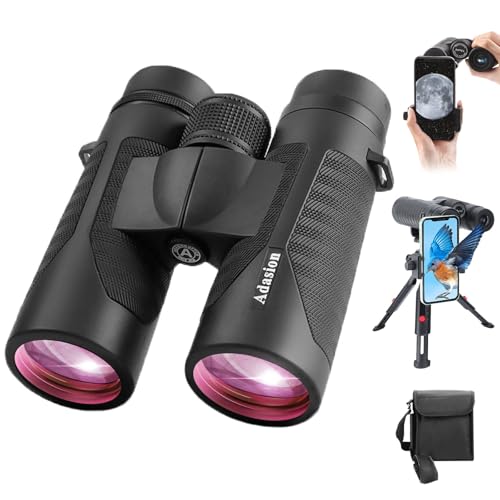
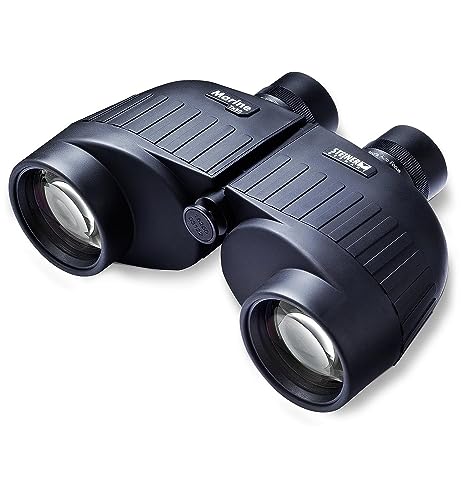
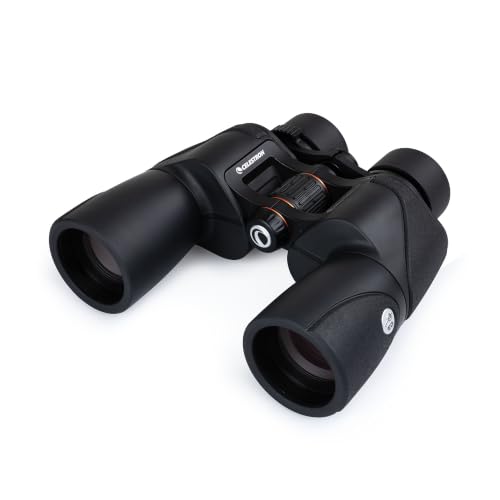
This guide walks you from the basics to a confident purchase, in plain English and in a sensible order. You will learn what the numbers mean, which specs actually change what you see, and which mistakes cost new buyers money. Start with the comparison table below, then use the sections that follow to judge each model in it.

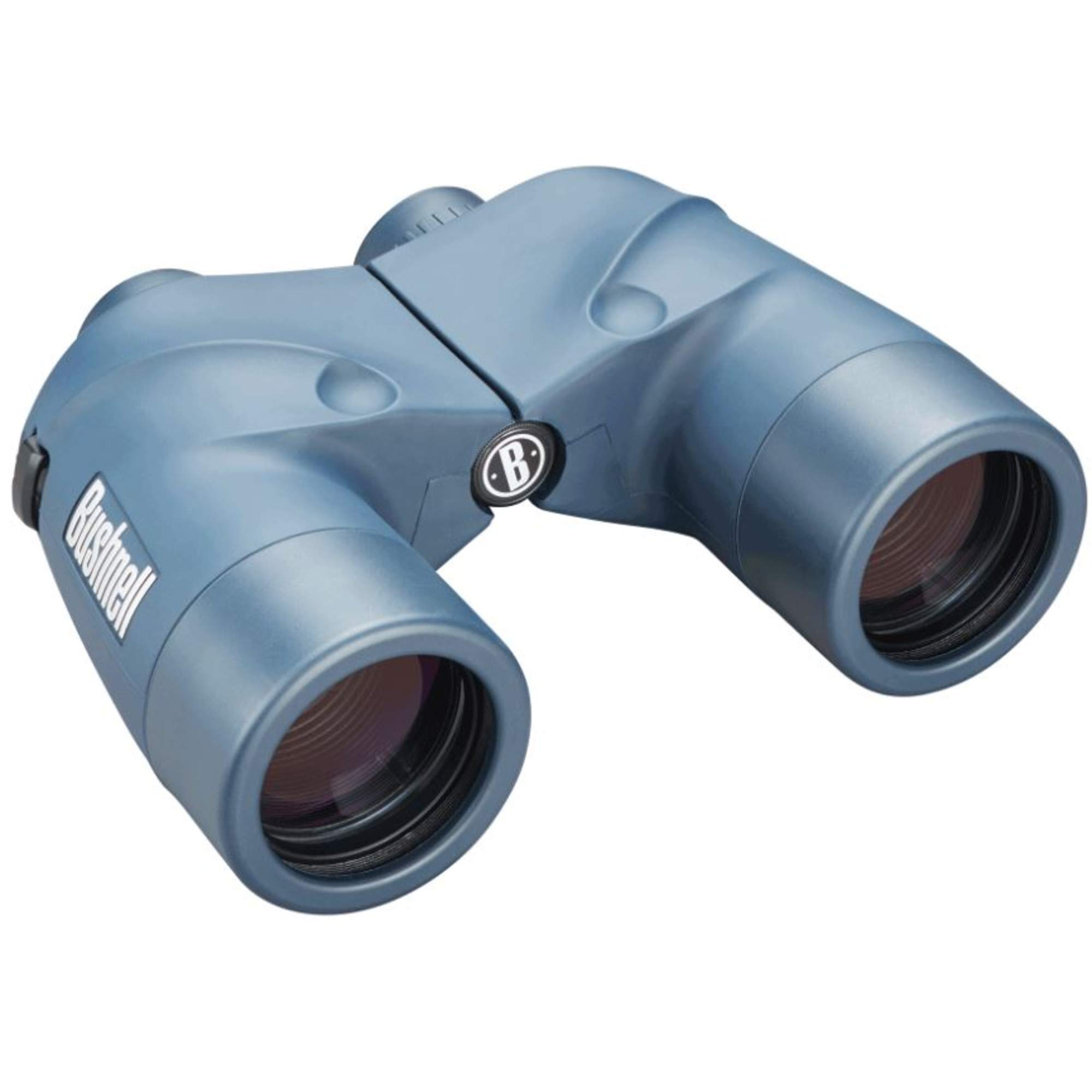


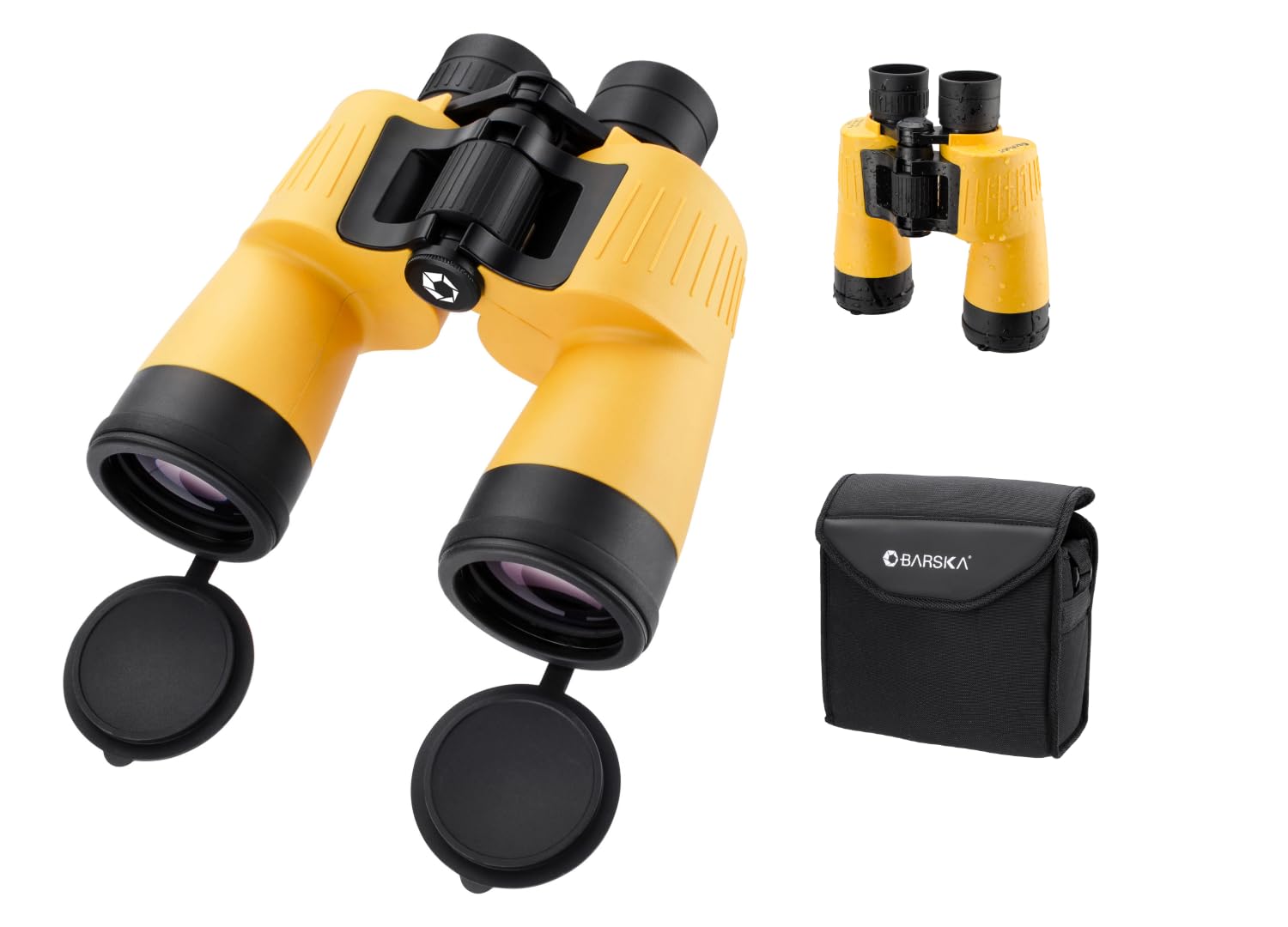
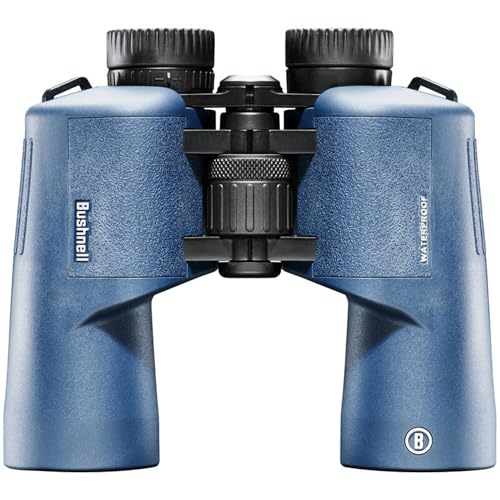


7x50 Binoculars 101: The Basics
A 7x50 binocular is simply two small telescopes joined by a center hinge, one for each eye. The first number, 7, is the magnification, so objects appear seven times closer than they look with the naked eye. The second number, 50, is the diameter of each front objective lens in millimeters, and those big front lenses are what give this format its reputation for bright views.
Light enters through the objective lens, passes through a set of prisms that flip the image the right way up, and reaches your eye through the smaller eyepiece lens. One useful number falls out of that path. Divide 50 by 7 and you get an exit pupil of about 7.1 mm, which is the width of the beam of light leaving each eyepiece. A beam that wide matches a fully dark adapted human pupil, so almost all of the gathered light can actually enter your eye at dusk.
That is the heart of the format. A 7x50 trades a little magnification for a lot of brightness and steadiness, which is exactly the trade most new buyers end up loving.
Who Should Choose a 7x50 as a First Pair
Boaters and Marine Users
The 7x50 became the classic marine format for good reasons, and it still suits life on the water. Seven power magnification stays usable when a deck rolls under your feet, where higher power turns every small movement into a swinging view. The wide exit pupil keeps channel markers and buoys readable at dawn and dusk, and many marine models add a built in compass or rangefinder reticle worth having only if you will use it.
Backyard Stargazers
If your main plan is sweeping the Milky Way from a porch chair, this format is a gentle place to begin. The bright, wide view shows star clusters, the Moon, and bright planets with both eyes open and relaxed, and you can hand hold the pair for a whole evening session. Readers ready to go deeper can see our guide to the best 7x50 binoculars for astronomy for night sky specific advice.
Birders and Wildlife Watchers
New birders often assume more magnification is always better, but a steady wide view usually finds the bird faster. The generous field of a 7x50 keeps a moving warbler or a soaring hawk in frame while you learn to track, and the bright image helps under forest shade. When you want a format comparison shaped around that hobby, see our guide to the best binoculars for birdwatching before you settle on one size.
Key Specs Explained in Plain English
Product pages throw a dozen numbers at you, but only a handful decide whether a pair feels bright, comfortable, and easy to hold. Work through the five below and you can judge the product table above with confidence. If you also want a wider look at how shoppers score binoculars overall, see our guide to the best rated binoculars for the broader picture.
Field of View and Close Focus
Field of view tells you how wide a scene you see at once, usually listed as feet at 1,000 yards. Most full size binoculars in this format show around 320 to 380 feet at that distance, which feels roomy when you scan a shoreline or follow a bird in flight. A wider field forgives shaky aim and helps beginners find a subject fast. Close focus is the nearest distance the binocular can focus, and a figure around 15 to 25 feet is fine for most uses, though butterfly watchers may want less.
Eye Relief and Eyecups
Eye relief is the distance your eye can sit behind the eyepiece while still seeing the whole picture, and it matters most if you wear glasses. Look for about 16 to 20 mm of eye relief so your glasses never press against the lens and the view stays complete, with no black ring cutting the edges. Twist up eyecups let glasses wearers roll the cups down and everyone else raise them to block stray light from the sides. Short eye relief is the single most common reason a first pair feels disappointing, so treat this spec as a deal breaker rather than a bonus.
Prism Design and Lens Coatings
Most 7x50 models use Porro prisms, the offset design that gives the body its wide, classic shape. Porro designs are simple, pass light efficiently, and often deliver a strong sense of depth for the money, which is why they dominate this format. Glass quality matters too, with BaK 4 prisms preferred over BK 7 for cleaner edges. Coatings are the other half of brightness. A fully multi coated label means every air to glass surface carries several coating layers, which cuts reflections and lifts contrast, and it is worth more than a bare coated or multi coated claim.
Focus System and Diopter Adjustment
Most pairs use a center focus wheel that sharpens both barrels together, paired with a diopter ring on one eyepiece that corrects for the small difference between your two eyes. That pairing is the easiest setup for beginners and for sharing the binocular between people. Marine and astronomy models sometimes use individual focus instead, where each eyepiece is set once and distant objects stay sharp without further turning. That style is rugged and simple, but slow for close subjects. A few models are sold as autofocus, but they are really fixed focus designs set at the factory, with no ability to fine tune for your eyes.
Size, Weight, and Weather Sealing
A 7x50 is a full size binocular, and most weigh roughly two pounds, sometimes a little more. That heft steadies the view and feels solid on a boat or porch, but it will tire your neck on a long hike, which is why the included strap deserves a padded upgrade if you walk far. Weatherproof construction is the other point to check here. Sealed and nitrogen filled bodies resist internal fog when you move between cool air and warm rooms, and rubber armor shrugs off small bumps and gives wet hands something to grip.
Rookie Mistakes to Avoid
- Choosing the highest magnification on the shelf, because extra power magnifies hand shake too and makes a first pair frustrating to hold steady.
- Ignoring eye relief while wearing glasses, because a short spec leaves you with a narrow tunnel view no matter how good the glass is.
- Trusting huge zoom claims on bargain listings, because a fixed 7x50 has no zoom at all and inflated numbers signal sloppy optics.
- Skipping the diopter setup, because an unadjusted diopter leaves one eye slightly soft and causes headaches on long sessions.
- Buying the cheapest waterproof claim without checking the seal rating, because splash resistant and fully sealed are very different levels of protection.
- Forgetting the weight until the first long walk, because a two pound pair around your neck feels far heavier by the second hour.
Getting Started: Setup and First Use
Once your binoculars arrive, ten minutes of setup makes every later outing easier. Start by fitting the neck strap and the eyepiece caps, then hold the pair to your eyes and fold the center hinge in or out until the two round views merge into one clean circle. That hinge setting is your interpupillary distance, and note the number on the hinge scale if one is printed there.
Next, set the diopter once and leave it alone. Cover the right lens, focus on a distant sign with the center wheel for your left eye, then cover the left lens and turn only the diopter ring until the same sign is sharp for your right eye. From then on, the center wheel alone keeps both eyes in focus. This format shines at first light, and hunters scanning field edges can see our guide to the best rated binoculars for hunting for use specific tips.
Finish with two small habits. Always clean the lenses with a soft lens cloth or a blower, never your shirt, since grit trapped in fabric scratches coatings. And keep the caps on in a dry spot, because dust and damp are what age a binocular fastest.
7x50 Binoculars: Your Questions Answered
Why are 7x50 binoculars a strong choice in low light?
They are strong in low light because the 50 mm objective lenses gather a lot of light while the modest seven power magnification keeps the exit pupil near 7.1 mm, so the image stays bright at dawn and dusk. One point many beginners miss is that coatings matter almost as much as lens size, since a poorly coated 7x50 can look dimmer than a well coated smaller pair. Twilight is also when a steady hold counts double, because your eyes need a still image to pick out faint shapes.
What do the numbers 8x42 and 10x42 mean on binoculars?
On any binocular, the first number is magnification and the second is the objective lens size in millimeters, so an 8x42 magnifies eight times through 42 mm lenses and a 10x42 magnifies ten times. Compared with a 7x50, both give a somewhat narrower exit pupil, around 5.3 mm and 4.2 mm, so their image runs a little dimmer in deep shade. The trade is size and weight, since 42 mm models are smaller and lighter for carrying all day.
Which specs matter most for first time binocular buyers?
Eye relief, field of view, and coatings matter most, because together they decide whether the view feels wide, bright, and comfortable in the first five minutes. A practical check that the body sections skip is weight balance. Hold the pair at eye level for sixty seconds in the store or at home during the return window, since front heavy models tire your wrists fast. Readers comparing formats head to head may also enjoy our guide to the best binoculars birding for a hobby focused take.
How much should you spend on your first pair of 7x50 binoculars?
A sensible first budget is about $80 to $250, since that band covers honest glass, full multi coatings, and sealed bodies from established makers. Under $100 you usually give up some coating quality or weather sealing, while above about $250 the gains turn incremental for a beginner, mostly in edge sharpness and build finish. Keep a little of the budget back for a padded strap and a decent case, since comfort extras get used on every single outing.
Can a smartphone replace a pair of 7x50 binoculars?
No, a smartphone cannot truly replace one, because phone zoom is mostly digital cropping that throws away detail, while a binocular magnifies with glass before the image ever reaches your eye. A phone also forces you to watch a bright screen, which ruins the dark adaptation you need for stargazing and tires your eyes at ball games. Phones win on sharing photos instantly, so many owners carry both and let each tool do the job it is good at.
The Bottom Line
For a first purchase, keep the decision simple. Check that the eye relief fits your eyes or your glasses, confirm the coatings are fully multi coated, and make sure the weight feels fine in your hands. Those three checks matter more than any single headline number. When you are ready, look back at the product table above and pick the best 7x50 binoculars for the way you will actually use them, on the water, under the stars, or along the trail.