
Best 7x50 Binoculars for Astronomy at Every Price in 2026: What Your Money Really Gets You
Disclosure: We may earn a commission when you buy through links on this page, at no extra cost to you. As an Amazon Associate I earn from qualifying purchases. Learn more

Compare the best 7x50 binoculars for astronomy by price tier, exit pupil, coatings and prism type, with a checklist to pick the right pair for your sky.
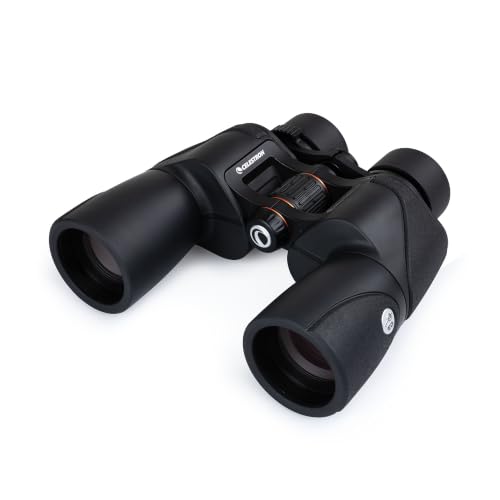
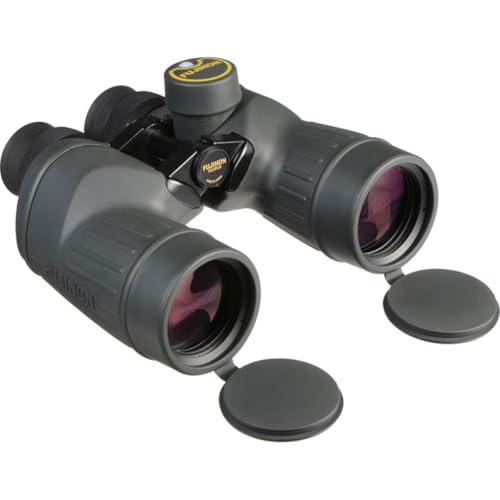
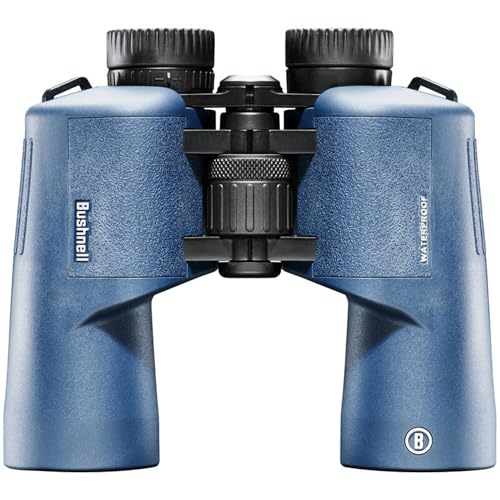
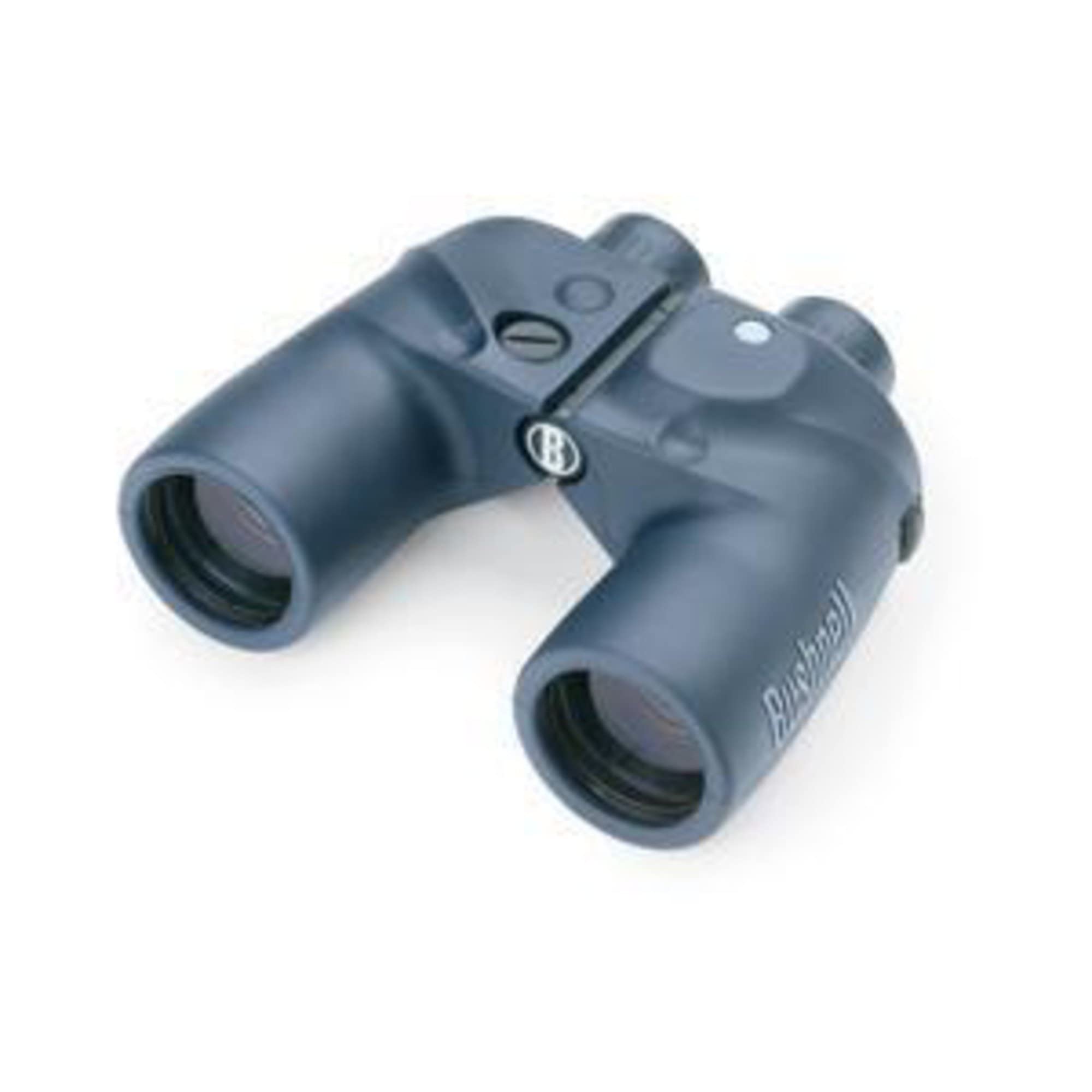
Prices for a 7x50 binocular run from under $100 to several hundred dollars, and the listings often sound alike, so it is hard to know what extra money actually buys. This guide to the best 7x50 binoculars for astronomy sorts the differences that matter at night, tier by tier, so you spend on brighter stars instead of labels. Use the product table below to check the key numbers as you read.
The 7x50 format magnifies the sky 7 times through 50 mm objective lenses, a mix that stays steady in your hands while gathering far more light than your eyes alone. That balance suits wide sweeps of the Milky Way, open star clusters, and the Moon.




Who Should Buy a 7x50 Binocular for Astronomy?
A 7x50 is not the strongest tool for small planets, but it is one of the easiest ways to see more of the night sky. The groups below get the most from it.
Casual Backyard Viewers Who Want Easy Bright Views
If you step outside on clear evenings to scan for the Moon, the Pleiades, or bright satellites, a 7x50 gives you a wide and forgiving view that is simple to aim. Low magnification means shaky hands blur the image less, and short sessions from a porch chair need no setup beyond removing the lens caps.
Beginners Building a First Night Sky Kit
A first pair should teach you the sky rather than fight you, and the steady 7 power view makes it easier to match what you see with a chart. If you are new to the hobby, see our guide to the best astronomy binoculars for beginners for starting advice that pairs well with this format. Budget for a reclining chair too, since looking up while standing tires your neck quickly.
Glasses Wearers and Viewers Under Dark Skies
If you wear glasses, you need enough eye relief to see the whole field with your frames on, so check that number first. Viewers who travel to dark locations gain the most from this format, because the large exit pupil pours in light that city glow would waste. Under a truly dark sky, faint star clouds show up that stay invisible from a bright suburb.
Key Features to Compare in 7x50 Astronomy Binoculars
Exit Pupil and Brightness in Low Light
Divide the objective size by the magnification and you get the exit pupil, about 7 mm on a 7x50, the width of the light beam reaching each eye. A beam near that size matches a dark adapted young eye well, so the view looks bright at night. Older eyes open less in darkness, yet the generous beam still helps because small head movements do not black out the image.
Objective Lens Coatings and Light Transmission
Every glass surface reflects a little light, and a binocular has many surfaces, so coatings decide how much starlight reaches your eyes. Basic pairs coat some surfaces, while the top level, described as fully multi coated, treats every air to glass surface with several layers. The gain shows up as higher contrast, so faint stars stand out against a darker background sky. Treat vague claims of coated optics as a budget sign.
Prism Design and Prism Glass
Most 7x50 models use Porro prisms, the offset design that gives the body its wide shape, and that shape keeps costs sensible. The glass inside matters more than the shape: BaK-4 prisms pass light more cleanly than BK-7 prisms, which can gray the edges of the field and soften faint stars.
Field of View and Eye Relief
Field of view for this format usually runs about 6 to 7.5 degrees, wide enough to frame whole constellation patterns and to find targets by sweeping slowly. Eye relief, the distance your eye can sit behind the eyepiece, usually runs about 17 to 23 mm, and glasses wearers should shop near the top of that range. Eyecups that twist or fold set that distance, and an interpupillary range that fits your face keeps the two circles merged into one image.
Focus System, Sealing, and Build for Night Use
A central focus wheel suits most buyers because both barrels adjust together, with a diopter ring to balance your two eyes. Individual focus models hold infinity focus once set, but they feel slow for targets at mixed distances. Sealed and nitrogen filled bodies resist internal fog when you carry the binocular into cold night air. Weight runs about 1.5 to 2.5 pounds, and a tripod adapter outlet under the front cap gives tired arms a rest. For steadier handheld technique, see our guide to the best handheld astronomy binoculars.
Best 7x50 Binoculars for Astronomy by Price: Paying for Coatings, Prism Glass and Sealing
Spending more on the best 7x50 binoculars for astronomy mainly buys better coatings, cleaner prism glass, and stronger sealing, not more power. Our broader roundup of the best binoculars astronomy covers other sizes if you want a wider view of the market first.
Budget Tier: Simple Glass for the Moon and Bright Clusters
Pairs under $100 usually pair BK-7 prisms with partial coatings, and they still show the Moon, the bright moons of Jupiter, and large clusters in a pleasing way. Expect softer stars near the edge of the field and plastic parts that dislike hard knocks. This tier suits a curious buyer who views a few nights a month.
Middle Tier: Fuller Coatings and Cleaner Edges for Regular Use
Pairs at about $100 to $250 typically add BaK-4 prisms, fully multi coated optics, and sealed bodies, and the jump in contrast is the first thing most owners notice. Stars stay tight further toward the edge, and faint clusters gain members that budget glass hides. For most regular viewers, this is where each extra dollar still returns a visible gain.
Premium Tier: Edge Sharpness and Strong Sealing for Dark Sites
Pairs at about $250 to $600 chase the last gains: flatter fields, sharper stars to the edge, and coatings that squeeze out a little more contrast on faint nebulae. Build quality rises too, with metal parts and sealing you can trust in dew heavy fields. This tier pays off if you travel to dark sites often.
Common Mistakes to Avoid With 7x50 Astronomy Binoculars
- Choosing a 10x50 or stronger pair for more detail, then fighting a shaky and dimmer view all night.
- Ignoring eye relief while wearing glasses, which cuts the visible field down to a narrow circle.
- Paying for a coated optics label without checking for fully multi coated glass, which leaves contrast on the table.
- Judging brightness under bright store lights, where weak coatings look fine and only fail under a dark sky.
- Holding the binocular for an hour with no strap or support, which turns steady stars into wobbling ones as your arms tire.
- Storing the pair uncased in a damp garage, which invites fog and fungus on the internal glass.
Care and Maintenance for 7x50 Astronomy Binoculars
Keep the caps on whenever the binocular is not at your eyes, because dew settles fast on exposed glass at night. Let a cold pair warm up inside its closed case when you come indoors, so moisture forms on the case instead of the lenses. Clean glass only when needed: blow loose grit off first, then wipe gently with a microfiber cloth and a drop of lens fluid, since dry wiping grinds dust across the coatings. Store the pair in a dry room with a silica gel pack in the case.
Long term costs stay modest: a tripod adapter costs around $15 and a padded harness around $30. If both halves of the view drift apart and stars double, that alignment fault needs professional service rather than home adjustment.
Frequently Asked Questions About 7x50 Astronomy Binoculars
What features matter most in 7x50 binoculars for astronomy under dark skies?
Fully multi coated optics and BaK-4 prisms matter most, because contrast decides whether faint objects separate from the background glow. After glass quality, check sealing, since dark sites often mean dew and a fogged internal lens ends the night early. A useful field check is to note how far from center stars stay round in a rich star field.
How much should a first time buyer spend on 7x50 astronomy binoculars?
Plan on about $100 to $250 for a first pair you intend to keep, since that range buys the coatings and prism glass that make faint targets satisfying. Spending under $100 still works for learning the sky, but many owners upgrade within a year. Borrowing a pair from a local astronomy club first shows you how a good view should look.
Are 7x50 binoculars better than 10x50 binoculars for low light astronomy?
Yes, for most viewers a 7x50 looks brighter and steadier, because its larger exit pupil delivers more light per eye and its lower power hides hand shake. A 10x50 shows a slightly larger image and can help on small targets like tight double stars. If you are weighing the two formats, see our guide to the best 10x50 binoculars for astronomy.
What does 7x50 mean on astronomy binoculars?
The first number is magnification and the second is the objective lens diameter in millimeters, so a 7x50 magnifies 7 times through 50 mm lenses. That pairing is decades old because it balances brightness, weight, and a steady handheld image. Sailors used the same format at dusk, which is why many marine binoculars share these numbers today.
Do 7x50 binoculars need a tripod for astronomy viewing?
No, a tripod is optional, because 7 power is low enough for most people to hold steady for a few minutes at a time. An adapter on a photo tripod helps during long study of one target, such as tracing the moons of Jupiter across an evening. Many viewers rest their elbows on a car roof or a fence rail instead, which costs nothing.
The Bottom Line
For most night sky viewers, the best 7x50 binoculars for astronomy sit in the middle price tier, where BaK-4 prisms, fully multi coated glass, and honest sealing meet a fair price. Match eye relief to your glasses, favor contrast over extra magnification, and compare the finalists in the product table above. If you want the plain format without the night focus, our guide to the best 7x50 binoculars covers general use pairs.


