Best 7500 Watt Portable Generators for 2026: What Actually Matters Before You Buy
Disclosure: We may earn a commission when you buy through links on this page, at no extra cost to you. As an Amazon Associate I earn from qualifying purchases. Learn more

Use a clear checklist to compare the best 7500 watt portable generators by running watts, fuel, noise, and safety features before your next power outage.
A 7500 watt portable generator sits in a useful middle ground: strong enough to run the essentials of a house during an outage, yet still movable by one or two adults. The risk is buying on the headline number alone, because starting watts, fuel choices, and safety features separate a dependable machine from a loud disappointment. This guide works as an evaluation checklist for the best 7500 watt portable generators, explaining each criterion, what good looks like, and where cheap models cut corners. Compare your shortlist in the comparison table below against each checkpoint as you read.
Safety comes before specs. A generator belongs outdoors only, far from doors and windows, because its exhaust contains carbon monoxide that can kill without warning. Keep that rule in mind through every section that follows.

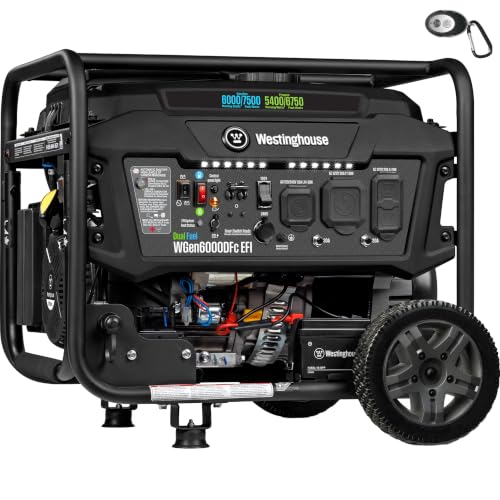


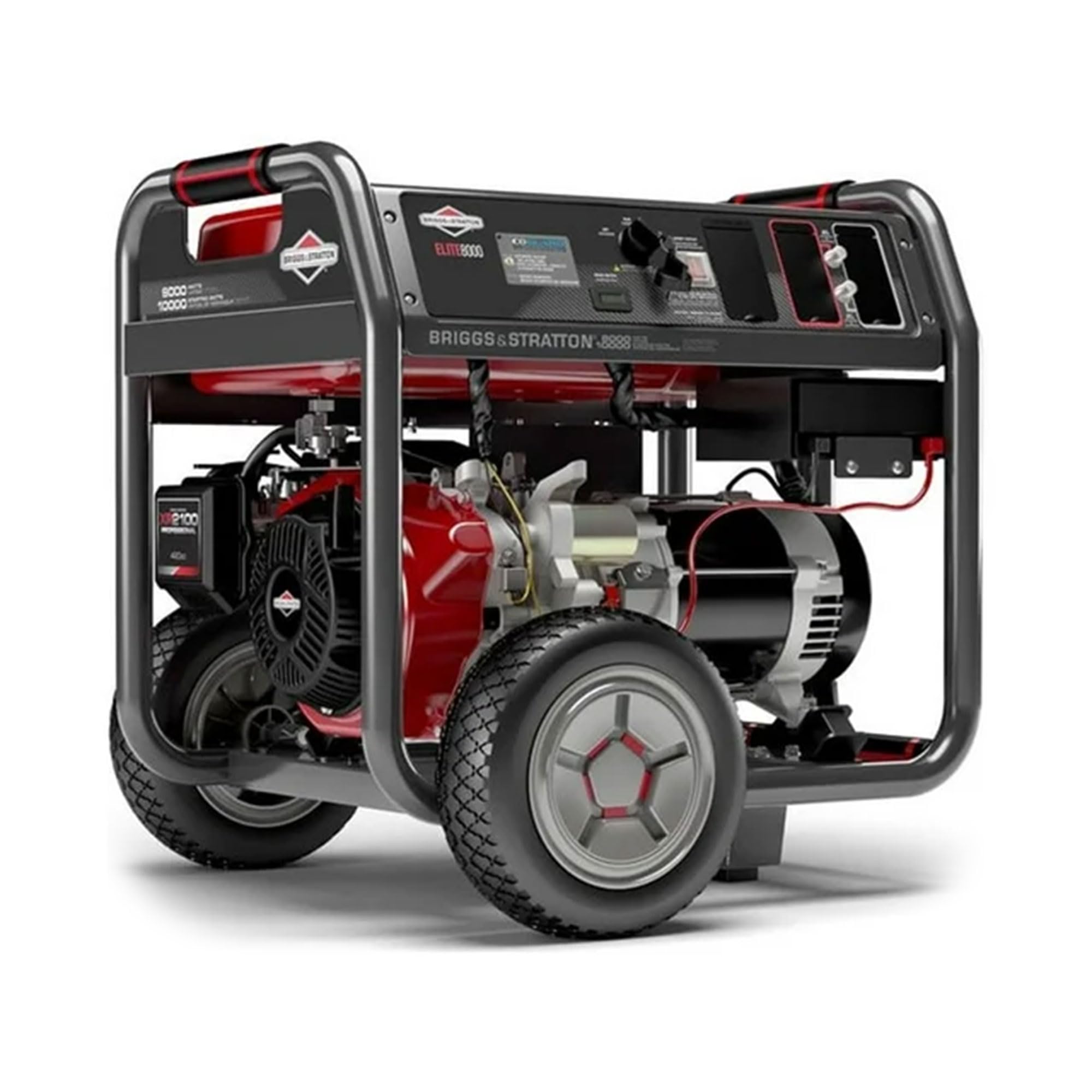


How We Evaluate 7500 Watt Portable Generators
Measuring for Size and Portability
A 7500 watt conventional generator typically weighs about 180 to 230 lb and occupies a footprint near 27 by 25 inches, so measure the storage spot and the path to where it will run before ordering. Weight this high means wheels and a folding handle are not luxuries; they decide whether you can move the machine alone in the dark during an outage. The trade off is real: lighter inverter models cost far more at this output, so most buyers accept the weight and plan a clear, level route from storage to the outdoor running spot.
Generator Type (Portable, Inverter, Standby, Solar Power Station)
Conventional portable generators are the value choice at this size and run most home loads happily. Inverter generators produce cleaner power with steadier voltage, which is safer for sensitive electronics, and they are quieter, but at 7500 watts they cost much more. Home standby units remove the setup work entirely yet require professional installation and a far larger budget. Solar power stations are silent and safe indoors, but storing 7500 watts of continuous output is impractical for most homes. For outage backup of essentials, the conventional portable type fits most households best.
Noise Level (dBA)
Expect about 72 to 78 dBA at a 23 foot distance for a conventional model at this size, roughly the sound of a vacuum cleaner heard from the next room. Inverter models run several decibels quieter. Noise matters because generators run for hours, often overnight, and many neighborhoods and campgrounds enforce quiet rules or outright limits. A larger muffler and an economy idle mode are the two features that genuinely reduce noise. Place the generator as far from bedrooms as the cord plan safely allows, and never enclose it in a box or garage to muffle it, because airflow keeps it cool and exhaust must escape freely.
Wattage: Running vs Starting Watts
Running watts are what the generator delivers continuously; starting watts are the brief surge it handles when a motor kicks on. Add the running watts of everything you plan to power at once, then make sure the largest motor surge fits within the starting watt headroom. Typical figures: a refrigerator uses about 150 to 200 running watts with a surge near 800, a sump pump about 800 to 1000 running with a surge near 2000, and a small window air conditioner about 1000 to 1500 running. A 7500 watt class machine usually offers about 6000 to 6500 running watts, which covers essentials comfortably if you stagger big loads instead of starting them together.
Battery Capacity and Solar Input (for Power Stations)
This criterion applies if you are weighing a power station against a fuel generator. Capacity is measured in watt hours: a 2000 watt hour station runs a refrigerator for roughly a day, not a whole house for an outage weekend. LiFePO4 batteries are the better chemistry here because they tolerate far more charge cycles than older lithium types. Solar input speed decides how fast panels refill the station, and panel cost adds up quickly. For multi day outage protection at this power level, fuel still wins on stored energy per dollar.
Fuel Type (Gasoline, Propane, Dual Fuel, Natural Gas, Solar)
Gasoline is easy to find and delivers the full rated output, but it stores poorly and needs stabilizer beyond a few months. Propane stores almost indefinitely and burns cleaner, though the same generator typically makes about 10 percent less power on it. Dual fuel models let you start on gasoline and switch to propane for long runs, which is the most flexible arrangement for storm season. Runtime on a full tank at half load is usually about 8 to 11 hours for this class. Choose based on what you can store safely and rotate: fuel you trust beats fuel with a slightly better specification.
Portability and Safety Features
Safety features deserve the same attention as wattage. A CO shutoff sensor that stops the engine when carbon monoxide builds up is now a must have feature, and it protects against the most dangerous mistake in generator use. Electric start removes the struggle of pull starting a large engine, and a battery tender keeps that start ready. Look for covered outlets, a low oil shutoff that protects the engine, and sturdy never flat wheels. Keep the generator at least 20 feet from the house with the exhaust pointing away, and install battery powered carbon monoxide alarms inside the home as a second layer of protection.
Three Profiles That Pass Our Checklist
Rather than naming models, use these three profiles to recognize the right machine when you see one in the product table above.
Best Overall Profile
The strongest all around profile pairs about 6000 or more running watts with dual fuel flexibility, electric start, a CO shutoff sensor, and a runtime near 10 hours at half load, usually around $800 to $1100. It should include a 240 volt outlet for a transfer switch or an inlet box, plus enough 120 volt outlets for direct cord use. This profile suits a household that wants one machine to handle several storm seasons without drama. Its weakness is weight and noise, which are simply the cost of conventional power at this size.
Best Value Profile
A value profile around $550 to $750 keeps the essentials: honest running watt ratings, a CO shutoff, covered outlets, and a steel frame with wheels. It gives up dual fuel, electric start, and some runtime, and the noise level usually sits at the louder end of the class. This profile fits buyers in areas with short, rare outages who need reliable essentials coverage without paying for convenience features. Check the warranty length carefully here, because a two or three year warranty signals more maker confidence than a one year term.
Best for Heavy Use Profile
For a job site, a farm, or a home with frequent long outages, the heavy use profile adds a larger fuel tank for runtimes of 12 hours or more, a commercial grade engine, and a thicker frame, usually around $1000 to $1400. Electric start and hour meters that track maintenance intervals matter more than app extras at this level. Expect the highest weight in the class. If your loads regularly exceed this class, compare the best 10000 watt portable generators before forcing a smaller machine to work at its limit all the time.
Sizing comparisons help at the margins too. Shoppers weighing a slightly larger rated unit can check the highly reviewed portable generators around 8000 watts, while those trimming the budget can look at the best 7000 watt portable generator options. A broader view of the field is in our guide to the best rated portable generators, and farms or large homes with very heavy loads may need the best portable generators over 10000 watts instead.
Quick Buyer Checklist
- Does the running watt rating cover my essential loads added together, with the largest motor surge inside the starting watt headroom?
- Does it have a CO shutoff sensor, covered outlets, and a low oil shutoff?
- Can I store it, wheel it outside alone, and keep it at least 20 feet from doors and windows while it runs?
- Does the fuel type match what I can store safely and rotate through the year?
- Is there a 240 volt outlet if I plan to connect through a transfer switch or an inlet box?
- Is the noise rating acceptable for my neighbors and my local rules?
- Does the runtime at half load cover a full night without a refill?
- Is the warranty at least two years, with service available in my area?
Red Flags to Watch For
Walk away from listings that advertise only a huge starting watt number and hide the running watts in fine print, because running watts decide what you can actually power. Vague fuel consumption claims with no load percentage stated are another warning sign. Missing safety certification marks, no mention of a CO shutoff, and a warranty under one year all suggest corners cut where it matters. Be wary of review patterns that praise a machine with no mention of noise, weight, or assembly, since real owners always mention those. Finally, an unknown brand with no parts support can turn a small repair into a full replacement.
Care and Maintenance Tips
Never run a gas generator indoors or in a garage, even with the door open, and keep it at least 20 feet from doors and windows with the exhaust aimed away from the home. Run it monthly under a small load for about 20 minutes to keep it ready, keep the oil fresh, and drain or stabilize fuel for long storage. Let the engine cool fully before refueling, and store gasoline only in approved containers away from the house.
Frequently Asked Questions
What size generator do I need to power a house?
For essentials only, meaning a refrigerator, lights, a furnace blower, a well or sump pump, and device charging, about 5000 to 7500 watts usually suffices. Whole house comfort with central air conditioning needs far more. The deciding step is a load list for your own home, because one large load, such as an electric water heater, can change the answer more than the size of the house itself.
Can a 7500 watt generator run a refrigerator?
Yes, easily, and it can run two refrigerators or a refrigerator and a chest freezer at once. A typical refrigerator needs about 150 to 200 running watts with a brief start surge near 800 watts, which is a small share of this class. One practical note: plug refrigerators in after the generator reaches a steady speed, so the start surge meets a stable supply.
How long can a 7500 watt portable generator run continuously?
On a full tank at about half load, most models in this class run roughly 8 to 11 hours, and propane extends that when a large tank is connected. Manufacturers design these engines for long runs, but they need oil checks during multi day use. Shut the generator down and let it cool before refueling, and check the oil level every day of an extended outage.
Do I need a transfer switch for a 7500 watt generator?
You need one if you want to power hardwired circuits such as a furnace or a well pump safely and legally. A transfer switch or an interlock kit with an inlet box also prevents backfeeding, which can endanger line workers and damage the generator. Without one, you are limited to extension cords run to individual appliances. Have a licensed electrician install the switch gear, because this is mains wiring.
Inverter or conventional: which is better at 7500 watts?
Conventional is better value for home backup, while inverter is better for clean power, lower noise, and sensitive electronics. Total harmonic distortion is the spec behind this: inverter output is cleaner and safer for laptops and modern appliances. If your outage loads are mostly motors, lights, and refrigeration, a conventional machine serves well and leaves budget room for a transfer switch.
Final Thoughts
Judge by running watts, safety features, and fuel you can store, in that order, and ignore headline numbers that hide the details. A machine that passes those three checks will carry a home through most outages calmly. When you narrow down the best 7500 watt portable generators for your house, run your shortlist from the product table above through the quick checklist once more before you buy.