
Best 7000 Watt Portable Generator: A Buyer Checklist for 2026
Disclosure: We may earn a commission when you buy through links on this page, at no extra cost to you. As an Amazon Associate I earn from qualifying purchases. Learn more
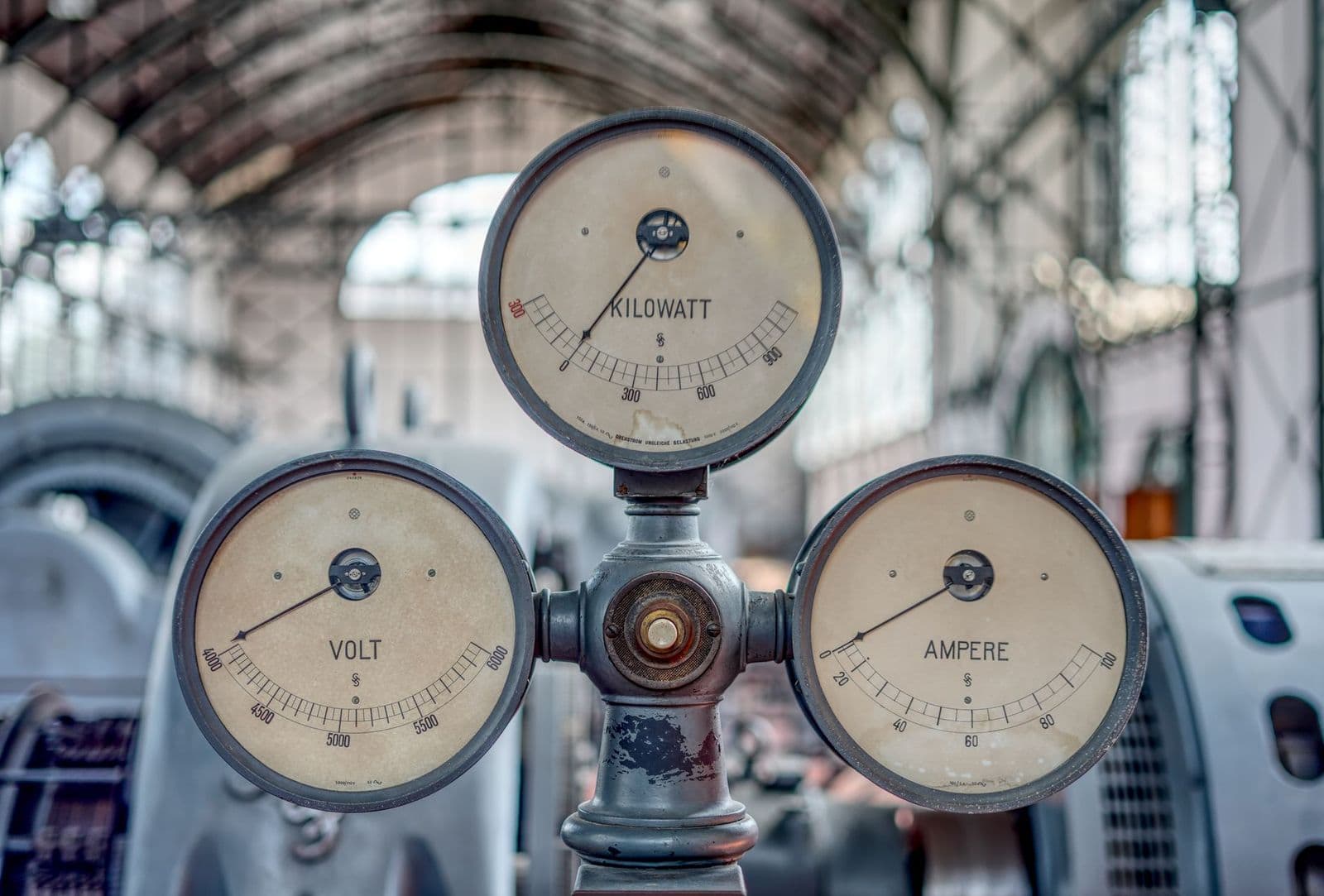
A buyer checklist for the best 7000 watt portable generator: size your loads, compare fuel and noise, and connect safely to your home.
A best 7000 watt portable generator can keep the essentials running when the grid goes down, from a refrigerator and a few lights to a furnace fan and a phone charger. Models in this size class vary widely in starting power, fuel choice, noise, and safety features, so wattage alone does not tell the whole story. This guide walks through the checks that matter most, so you can compare options on a fair basis and see how each one fits your home, your fuel supply, and your budget.
Start by listing what you must power at the same time, then add the starting watts of the largest motor driven item on that list. That total, plus a margin for safety, tells you whether this size class fits or whether you need to step up or down.
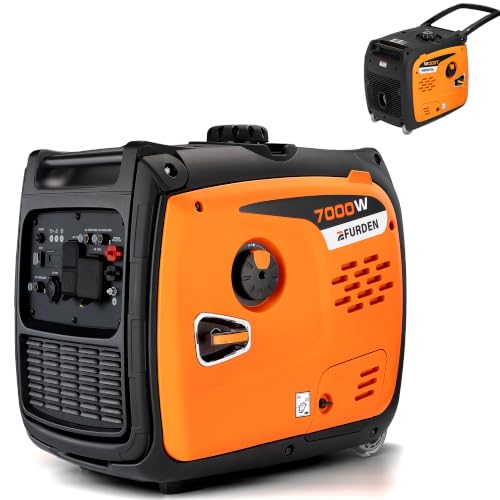
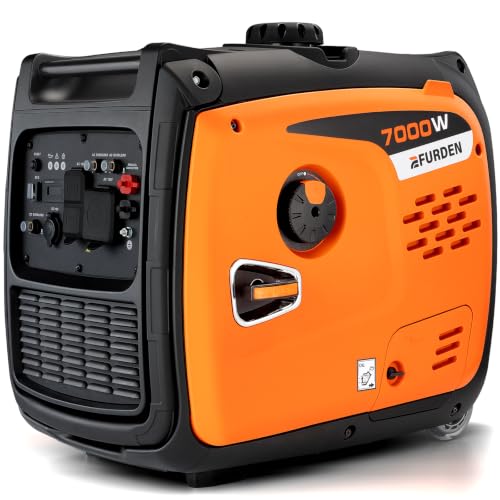
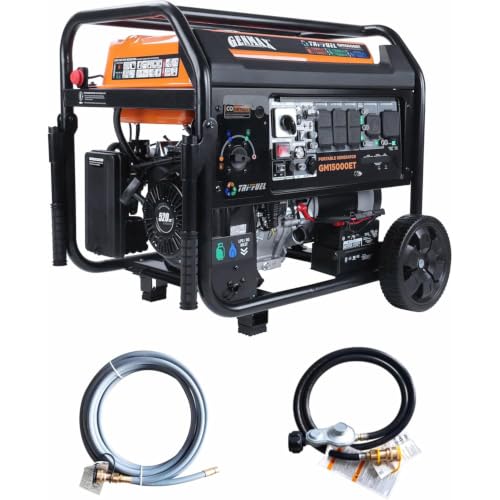

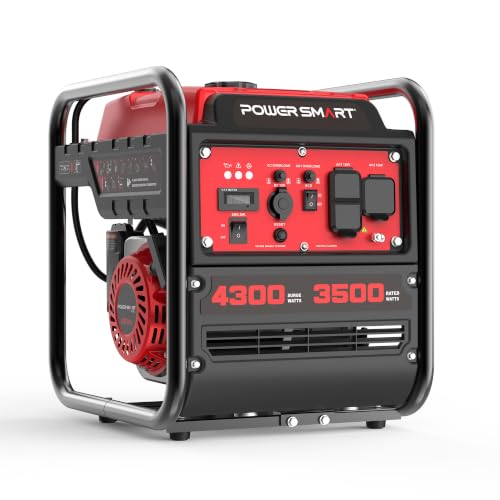
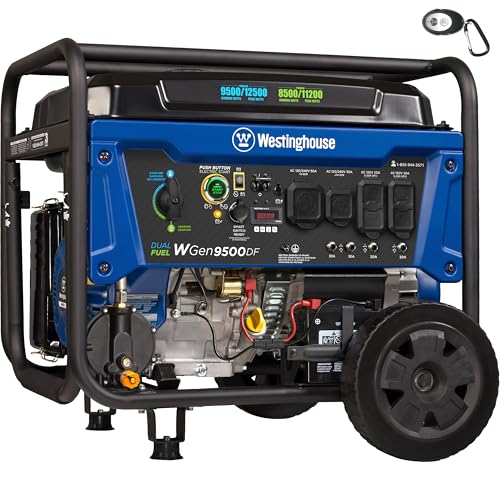
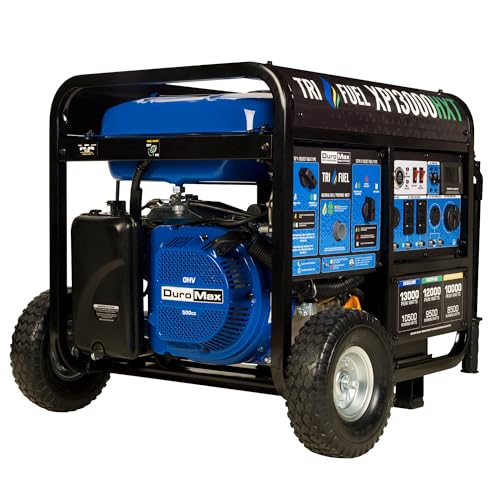

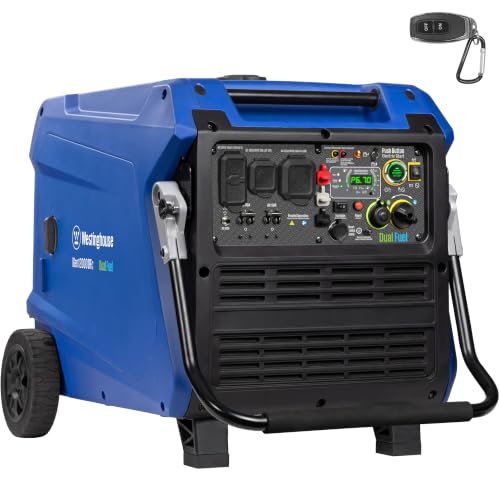
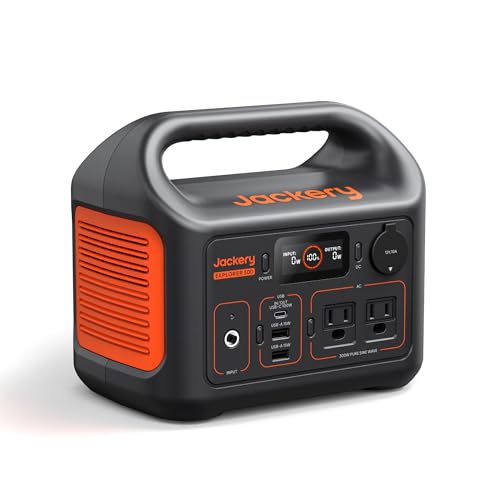
Key Features of the Best 7000 Watt Portable Generator
Use these factors in order, because a generator that fails on capacity, fuel, or safe connection is not a good buy no matter how quiet or cheap it looks. Judge every option against the same load list.
Measuring for Size and Portability
Measure the storage space first, including door widths and the path to the outdoor running spot, because a unit that cannot be moved easily will be hard to use in an outage. Check the weight and whether wheels and handles are included, since a fueled unit in this class can weigh well over 100 pounds. A compact frame suits a small garage or shed, while a larger frame may offer a bigger tank and longer run time.
Generator Type: Conventional, Inverter, and Dual Fuel
Conventional portable generators offer strong surge power at a lower price, but their power quality can be rougher for sensitive electronics. Inverter models produce cleaner power, often measured by total harmonic distortion, and they usually run quieter and use less fuel at light loads.
Dual fuel models run on gasoline or propane, which helps when one fuel is hard to find. Match the type to your loads, and see our guide to the best rated portable generators if you want to compare the broader portable class first.
Safety Features
Look for a carbon monoxide shutoff sensor, which stops the engine when dangerous gas levels build up near the unit, and check that the sensor is a standard feature rather than an option. Electric start helps if pulling a recoil cord is hard for you, while a fuel gauge and low oil shutoff add everyday safety. Wheels should be large enough for grass or gravel if you will roll the unit across a yard.
Transfer Switch and Home Connection
A transfer switch is the safe way to connect a portable generator to home circuits, because it prevents power from flowing back into the grid and endangering utility workers. Extension cords suit a few standalone appliances, but they are not a substitute for a proper home connection for wired circuits. Hire a qualified electrician to install the switch and the inlet box, and follow local electrical rules.
Noise Level in Decibels
Noise is measured in decibels, and a small numerical difference can feel large in practice, so compare ratings measured at the same load and distance. A quieter unit matters most in a neighborhood, at a campsite, or when it must run overnight. Check local rules on operating hours before you buy, since some areas restrict generator use at night.
Spending Level Guidance
Use these spending levels to judge what each price band typically buys in this size class. Prices are rough ranges, and a higher price should buy a clear benefit, such as cleaner power, lower noise, or longer run time.
Lower Spending: Basic Backup for a Few Essentials
At around $700 to $1,200, expect a conventional or budget inverter unit that covers a refrigerator, lights, and small electronics, with basic safety features. Noise and fuel use are usually higher in this band, and power quality may be rougher for sensitive gear. This level suits occasional, short outages where the goal is to keep food cold and phones charged.
Middle Spending: Everyday Home Backup With Better Manners
At around $1,200 to $2,500, you will often find well equipped conventional or dual fuel units with electric start, carbon monoxide shutoff, and quieter operation. Fuel efficiency improves, and the cleaner output suits a wider mix of household electronics. This level suits homes that face several outages a year or need to run a furnace fan, a sump pump, and a refrigerator together.
Higher Spending: Premium Quiet Inverter Power
At around $2,500 and up, including premium name brand inverter units that can cost several thousand dollars, expect very low noise, clean power, electronic monitoring, and long service life. This level suits buyers who run the generator often, need it close to living spaces, or want to power more circuits at once.
Quick Buyer Checklist
Answer these questions before you order, and do not buy until every answer is yes or you have a clear plan for the gap.
- Have you added up running watts and the largest starting watts on your list?
- Do you have a safe outdoor running spot at least 20 feet from doors and windows?
- Have you decided between gasoline and dual fuel?
- Do you know whether you need a transfer switch, and have you priced an electrician?
- Have you checked local noise rules and any neighborhood restrictions?
- Can you move, fuel, and store the unit safely on your own?
- Have you confirmed the warranty length and what it covers?
- Do you have a plan for monthly run-ups and fresh fuel storage?
Red Flags to Watch For
Be wary of vague wattage claims that give only a surge figure without a running watts rating, because the running figure is what your appliances actually draw. Missing safety certifications, an unclear maker name, or a warranty of only a few months are also warning signs. Watch for listings that promise silent operation or whole house power without stating the loads or the run time behind the claim.
Setup and Care Tips
Never run a gas generator indoors or in a garage, even with doors open, and keep it at least 20 feet from doors, windows, and vents so exhaust cannot drift inside. Run the unit monthly under a light load to keep it ready, and use fresh fuel or a stabilizer so stale gasoline does not clog the carburetor.
Store fuel in approved containers away from living spaces, and keep children and pets away from the hot exhaust. Follow the maker schedule for oil changes and filter checks.
Frequently Asked Questions
Can a generator run a refrigerator?
Yes, a 7000 watt class generator can usually run a refrigerator, since most household refrigerators draw only a few hundred running watts. The catch is the starting surge, which can briefly reach several times the running draw when the compressor kicks on. Add that surge to your other loads, and avoid starting the refrigerator at the same moment as another motor driven appliance.
How long can a 7000 watt portable generator run continuously?
Run time depends on tank size, load, and fuel type, and most models in this class run about 8 to 14 hours on a tank at half load. Running at full load shortens that time sharply, while a light load stretches it. Check the maker run time figure at a stated load, such as half load, rather than an unqualified maximum.
Do I need a transfer switch?
You need a transfer switch if you want to power wired home circuits safely, such as a furnace, a well pump, or fixed lighting. Extension cords suit standalone appliances like a refrigerator or a lamp, but they cannot safely feed the house wiring. A transfer switch isolates your home from the grid during an outage, which protects utility workers and your equipment.
What size generator do I need to power a house?
The right size depends on which circuits you must run at the same time, so start with a load list. A 7000 watt class unit often covers essentials like refrigeration, lights, a furnace fan, and communications, but it rarely powers a large home with electric heat or central air. Add running watts for every item you plan to run together, then add the largest starting surge. If the total exceeds the running rating, either trim the list or step up, and see our guide to the best 10000 watt portable generators.
Inverter or conventional: which is better?
Neither type is better in every case, because the choice depends on your loads and your budget. Inverter generators produce cleaner power and usually run quieter with better fuel efficiency at light loads, which suits electronics and overnight use.
Conventional generators often cost less per watt and offer strong surge capacity for motor driven tools and pumps. For a 7500 watt class comparison, see our guide to the best 7500 watt portable generators.
Our Verdict
Choose on capacity first, then fuel, then safe connection, and let noise and convenience decide between close finalists. A best 7000 watt portable generator earns its place when it covers your essential loads with margin, runs safely outdoors with carbon monoxide protection, and connects to your home in a way a qualified electrician approves. Keep your load list in hand and pick the spending level that matches your real outage needs.

