
Best 8000 Watt Portable Generator: A Complete Sizing Guide
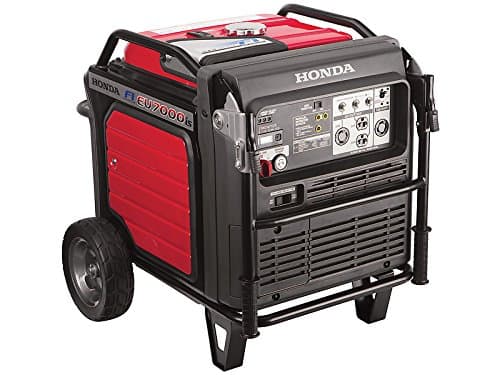
Figuring out whether an 8000 watt generator is actually the right amount of power for your home is trickier than it sounds. The number looks big, until you realize your refrigerator, furnace blower, and sump pump are all trying to start at the same moment during a storm. Before you buy anything, it helps to think of the best 8000 watt portable generator less as a single product and more as a power class, a specific tier of backup capacity sized for a particular kind of household load. This guide covers what 8000 running watts realistically handles, how the running-watts-vs-starting-watts math works, how to hook it up safely, and how this class stacks up against smaller and larger generators.

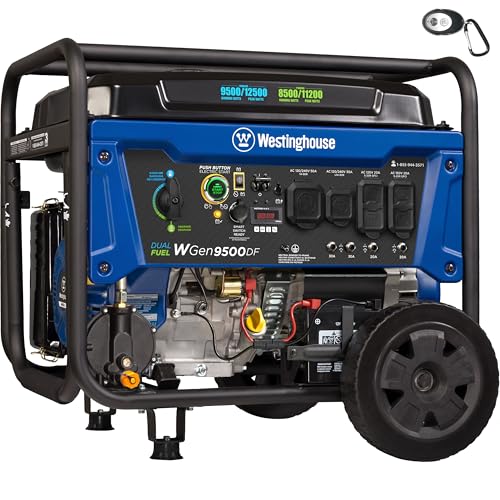
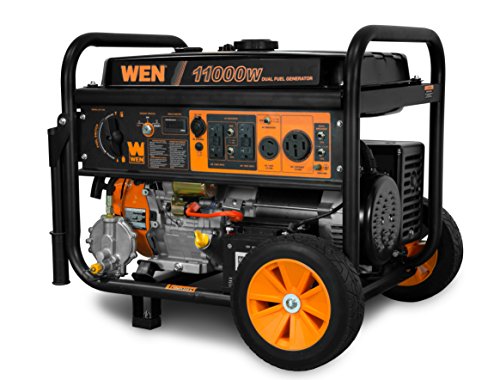
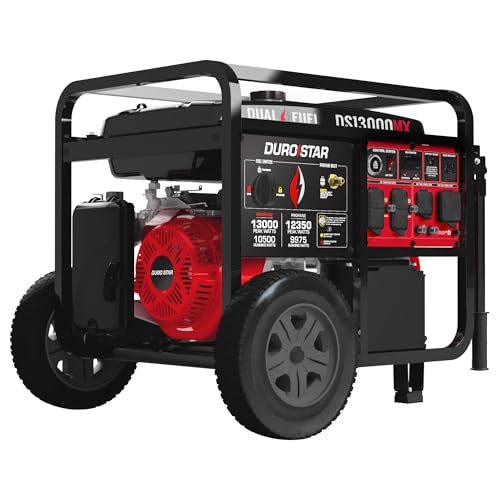
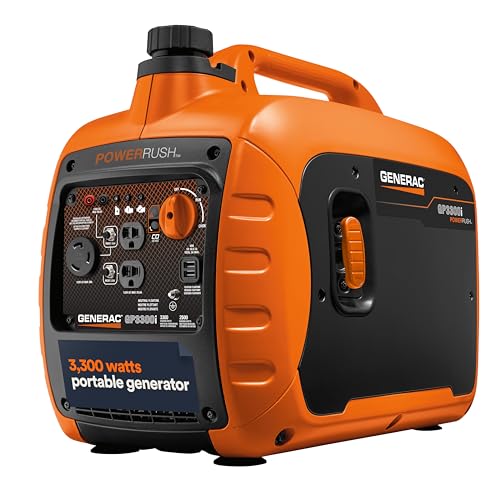


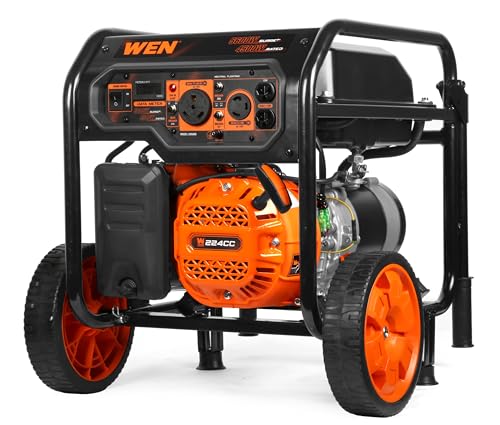

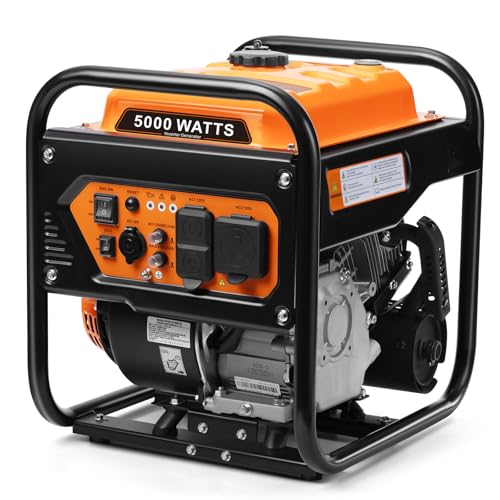

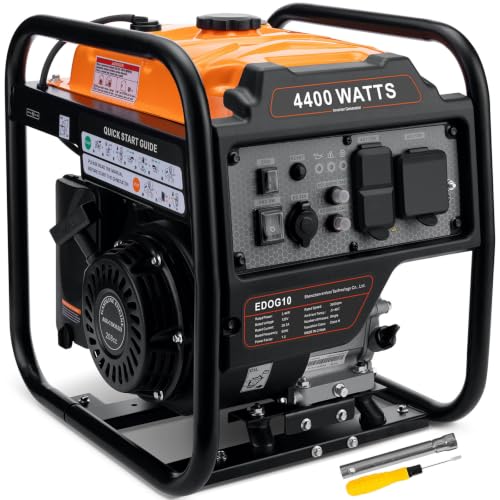
Is 8000 Watts the Right Size for Your Home?
What This Power Class Is Built For
An 8000 watt portable generator sits in the upper-middle of the portable generator lineup. It's a step above the compact 3000 to 5000 watt units built for a fridge, some lights, and a handful of outlets, and a step below the 10000-plus watt machines that start creeping into whole-house standby territory. At 8000 running watts, you have enough headroom to keep a refrigerator, sump pump, furnace blower, window air conditioner, and a rotating set of lights and electronics running together, with some room left over for a microwave or coffee maker when you need it. It's the size most homeowners land on when they want more than just the basics but don't need to power an entire house at once.
When You Should Size Up or Down
If your home is smaller, your outage needs are limited to a fridge and some lights, or you mainly want backup for short trips and job sites, an 8000 watt unit is probably more machine than you need. A lighter, smaller generator built for lighter loads may cover you for less money and less weight to move around. On the other end, if you're trying to run central air conditioning, an electric range, or several major appliances at once, 8000 watts will likely fall short once starting surges are added in. That's the point where a 10000-plus watt unit or a standby system starts to make more sense than pushing a portable generator past its comfort zone.
Running Watts vs. Starting Watts: The Number That Actually Matters
Why Motors Need a Bigger Startup Punch
Every generator has two numbers on the box: running watts and starting watts (sometimes called surge or peak watts). Running watts is what the generator can sustain hour after hour, this is the 8000 in "8000 watt." Starting watts is a short burst, usually a few seconds, that covers the extra draw when a motor first kicks on. Anything with a compressor or pump, refrigerators, sump pumps, well pumps, air conditioners, can draw two to three times its running wattage in that first moment. A generator rated for 8000 running watts might list 9500 or 10000 starting watts on the box. That gap is normal, and it's exactly what lets the unit absorb a motor's startup jolt without stalling.
Doing the Math for Your Own Home
To check whether an 8000 watt generator actually covers your setup, add up the running watts of everything you plan to power at the same time, then add the starting watts, not the running watts, of the single largest motor on that list. If that total comfortably clears your generator's running wattage with some margin left over, you're in good shape. If it's right up against 8000 or over it, either trim what runs simultaneously or look at a larger unit. This is the step people skip most often, and it's the reason a generator that looked plenty big on paper still bogs down the moment the AC compressor cycles on.
What an 8000-Watt Generator Can Actually Power at Once
Everyday Essentials Running Together
At 8000 running watts, most households can realistically keep a refrigerator, freezer, sump pump, well pump, furnace blower, microwave, and a mix of lights, phone chargers, and a router running at the same time, with some capacity to spare. Add a window air conditioner or an electric water heater, and you're using up a much bigger share of that headroom. This is where the running-watts-vs-starting-watts math from the last section pays off: it's rarely the number of devices that trips up an 8000 watt generator, it's two or three motor-driven appliances trying to start within seconds of each other.
The One Big Load That Changes Everything
Central air conditioning is the appliance most likely to push an 8000 watt generator past its limit. A central AC compressor's starting surge alone can eat a large chunk of available capacity, leaving little room for anything else. A single window or portable AC unit is usually manageable. A whole-house central system generally isn't, at least not alongside a fridge, pump, and lights. If central air is non-negotiable for your household during an outage, that's the clearest sign you're looking at a larger power class than this one.
Transfer Switches and Safe Hookup at This Power Class
An 8000 watt generator is powerful enough that running it safely usually means more than plugging in a few extension cords. Most units in this class come with a large twist-lock outlet designed to pair with a transfer switch, a panel that lets you switch specific circuits over to generator power without backfeeding electricity into the grid, which is a real safety hazard for utility workers and anyone still connected to that line. A manual transfer switch sized for an 8000 watt generator typically covers around six household circuits chosen ahead of time: fridge, sump pump, a few lights and outlets, maybe the furnace blower. An interlock kit is a simpler, lower-cost alternative that lets you use your home's existing breaker panel instead of a dedicated sub-panel, though it still requires a licensed electrician to install correctly. Either option is worth the upfront cost. Running extension cords through a window during a storm works in a pinch, but it's inefficient, it limits you to whatever's near an outlet, and it skips the safety protections a proper switch provides. If an 8000 watt generator is going to be a regular part of your outage plan rather than a one-time backup, budgeting for a transfer switch or interlock kit alongside it is worth doing from the start.
Fuel Type and Runtime to Expect
Most 8000 watt portable generators run on gasoline, with dual-fuel versions available that can also run on propane. Gasoline models tend to deliver more power per gallon and are easier to find fuel for during a widespread outage, since almost any gas station works. Propane offers a longer shelf life and burns cleaner, which matters if you're storing fuel for months between uses, though you'll usually get somewhat less runtime out of the same generator on propane compared to gasoline. If flexibility matters more than squeezing out maximum runtime, a dual-fuel model is worth a look so you're not stuck if one fuel type runs short. As for runtime, expect a full tank to last somewhere in the range of five to ten hours at a heavy load, stretching out considerably longer if you're only running essentials rather than pushing close to the full 8000 watts. During a multi-day outage, that generally means refueling at least once or twice a day if you're running it continuously, so it's worth having extra fuel stored safely ahead of time.
How 8000 Watts Compares to Smaller and Larger Generators
Generators aren't a one-size-fits-all category, and 8000 watts is just one rung on a fairly wide ladder. Smaller portable units in the 2000 to 5000 watt range are lighter, quieter, and cheaper, and they're a fine fit for camping, job sites, or backing up a short list of essentials in a small home. Once you're trying to cover a full refrigerator, a pump, a furnace blower, and comfort items like an AC unit, that smaller class usually can't keep up, which is exactly the gap this power tier is built to fill. On the other side, generators above 10000 watts start to move into territory built for central air conditioning, electric ranges, or running most of a mid-size home at once, often paired with a dedicated sub-panel rather than a handful of circuits. That extra capacity comes with real tradeoffs: more weight, more fuel burned per hour, and a higher price. This is really the core question behind shopping for a best 8000 watt portable generator: it's not about finding the single best model in a vacuum, it's about confirming this specific wattage class matches your actual household load before you start comparing individual units within it.
Frequently Asked Questions
What will an 8000 watt generator run?
An 8000 watt generator can typically run a refrigerator, sump pump, well pump, furnace blower, microwave, and a mix of lights and electronics at the same time, with some capacity left over. Adding a window air conditioner or electric water heater uses up a much larger share of that capacity.
Can an 8000 watt generator run a central air conditioner?
Usually not alongside other essentials. A central AC compressor's starting surge can consume a large portion of an 8000 watt generator's capacity on its own, leaving little room for a fridge, pump, or lights. A single window or portable AC unit is a more realistic fit for this size.
Can an 8000 watt generator run a well pump?
Yes, in most cases. A well pump's running watts are usually modest, though its starting surge is significant. As long as you account for that surge alongside your other essential loads, an 8000 watt generator can typically handle a well pump.
How many circuits can an 8000 watt generator power?
It depends on the transfer switch, not just the generator. A manual transfer switch sized for this class typically covers around six household circuits, though the real limit is your total wattage, not the number of circuits connected.
How long will an 8000 watt generator run on a tank of gas?
Expect roughly five to ten hours at a heavy load, and considerably longer if you're only running essential appliances rather than pushing close to the full 8000 watts. Actual runtime varies by tank size and how efficiently the specific unit burns fuel.
Do I need a transfer switch for an 8000 watt generator?
You don't strictly need one to use the generator, but it's strongly recommended. A transfer switch or interlock kit prevents backfeeding electricity into the grid, which is a serious safety hazard, and it makes switching your home's essential circuits over far simpler than running extension cords.
Is 8000 watts enough to power a whole house?
Not a full house with central air conditioning and every appliance running, no. It's enough for a solid list of essentials, refrigerator, pump, furnace blower, lights, and some comfort items, in most homes, but a true whole-house setup generally calls for a larger standby system.
Making the Call
There's no single best 8000 watt portable generator that works for every household, only a size class that fits certain needs better than others. If your essentials list adds up to somewhere around 6000 to 8000 running watts once you've accounted for your biggest startup surge, this tier is likely the right fit. If you're consistently landing well under that, a smaller unit will save you money and weight. If central air or several major appliances are non-negotiable, it's worth looking at the next class up before you commit.