Best 70 Pint Dehumidifiers (2026): Types and Buying Guide
Disclosure: We may earn a commission when you buy through links on this page, at no extra cost to you. As an Amazon Associate I earn from qualifying purchases. Learn more

A buying guide to the best 70 pint dehumidifier: bucket, pump and smart models compared for large basements and crawl spaces.
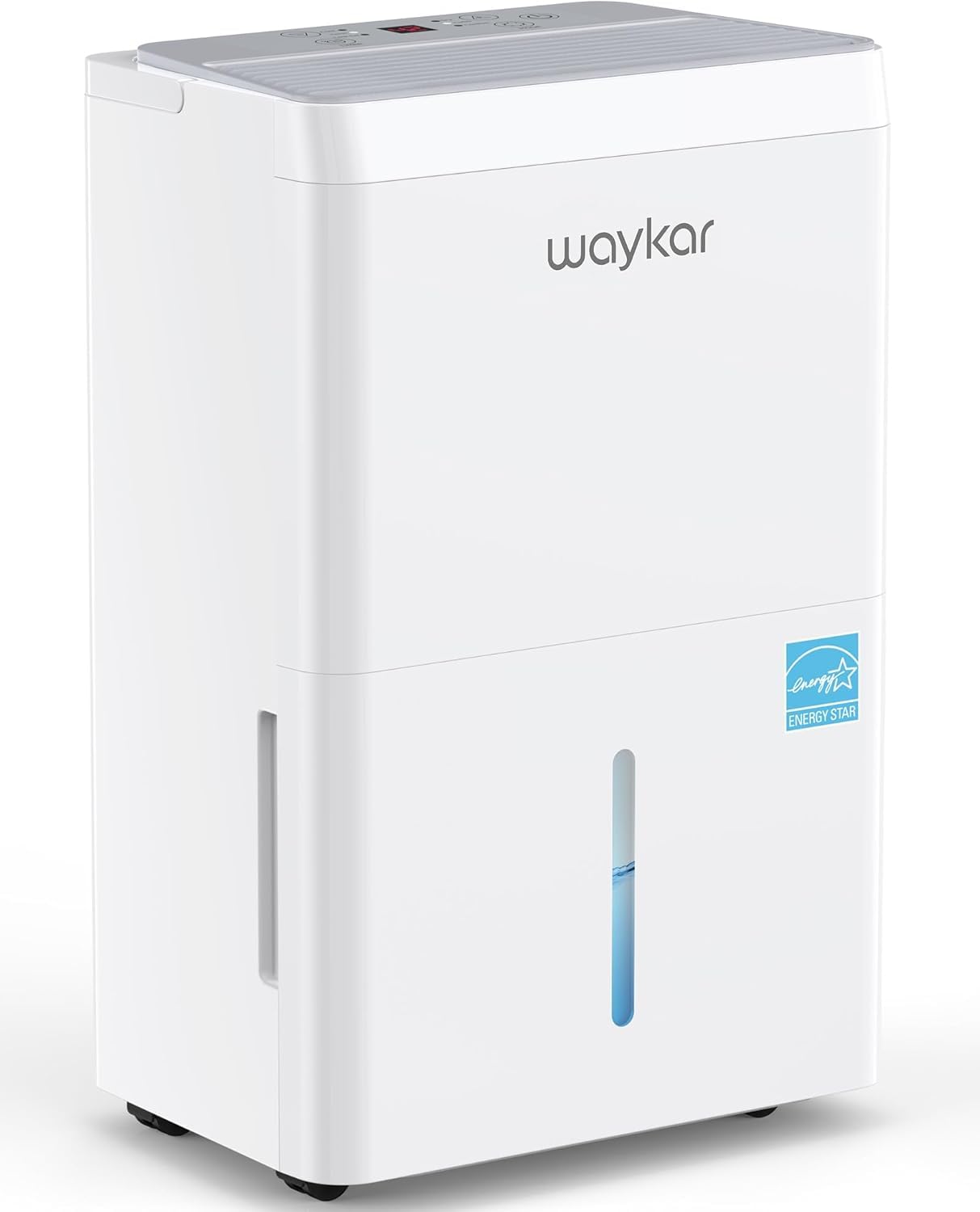
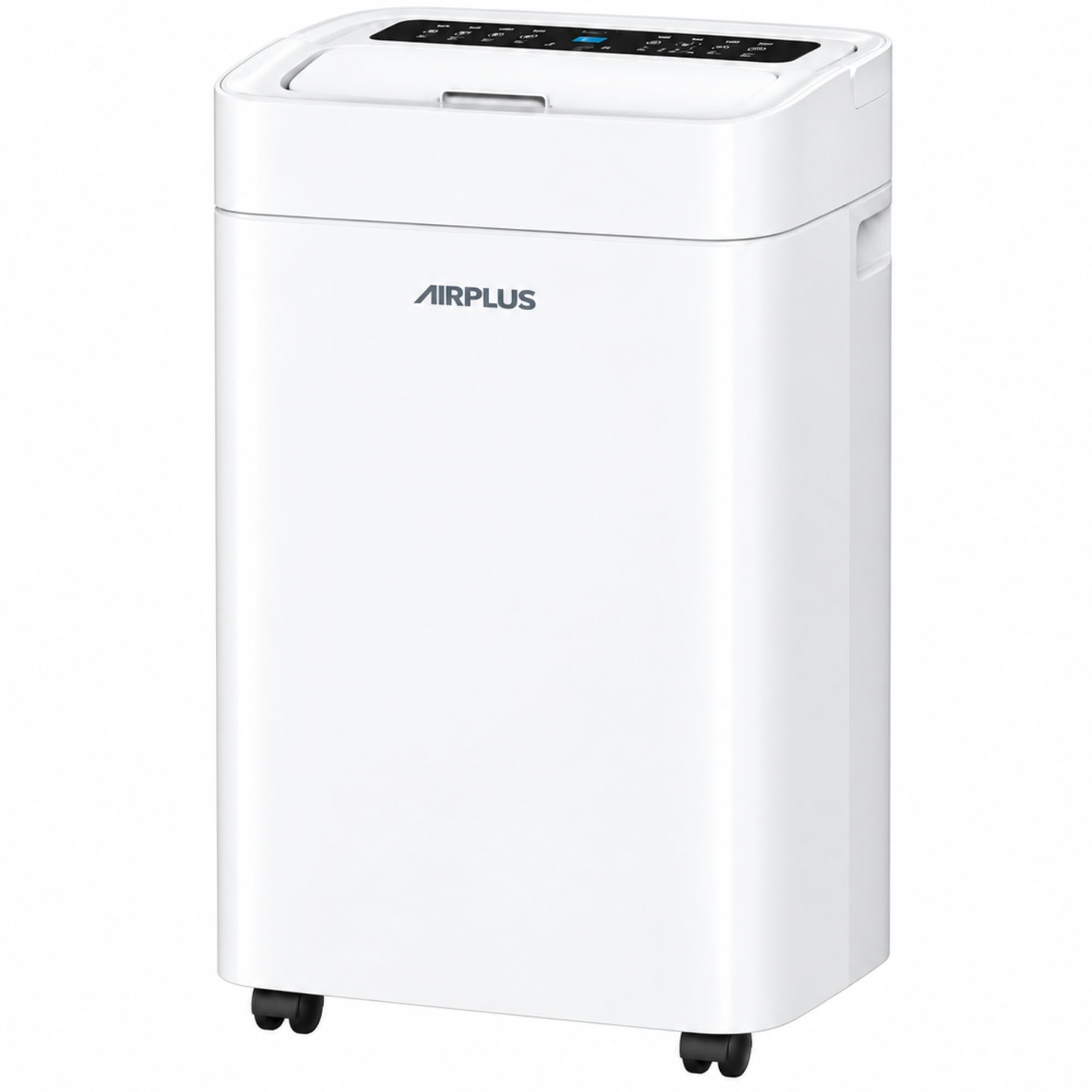
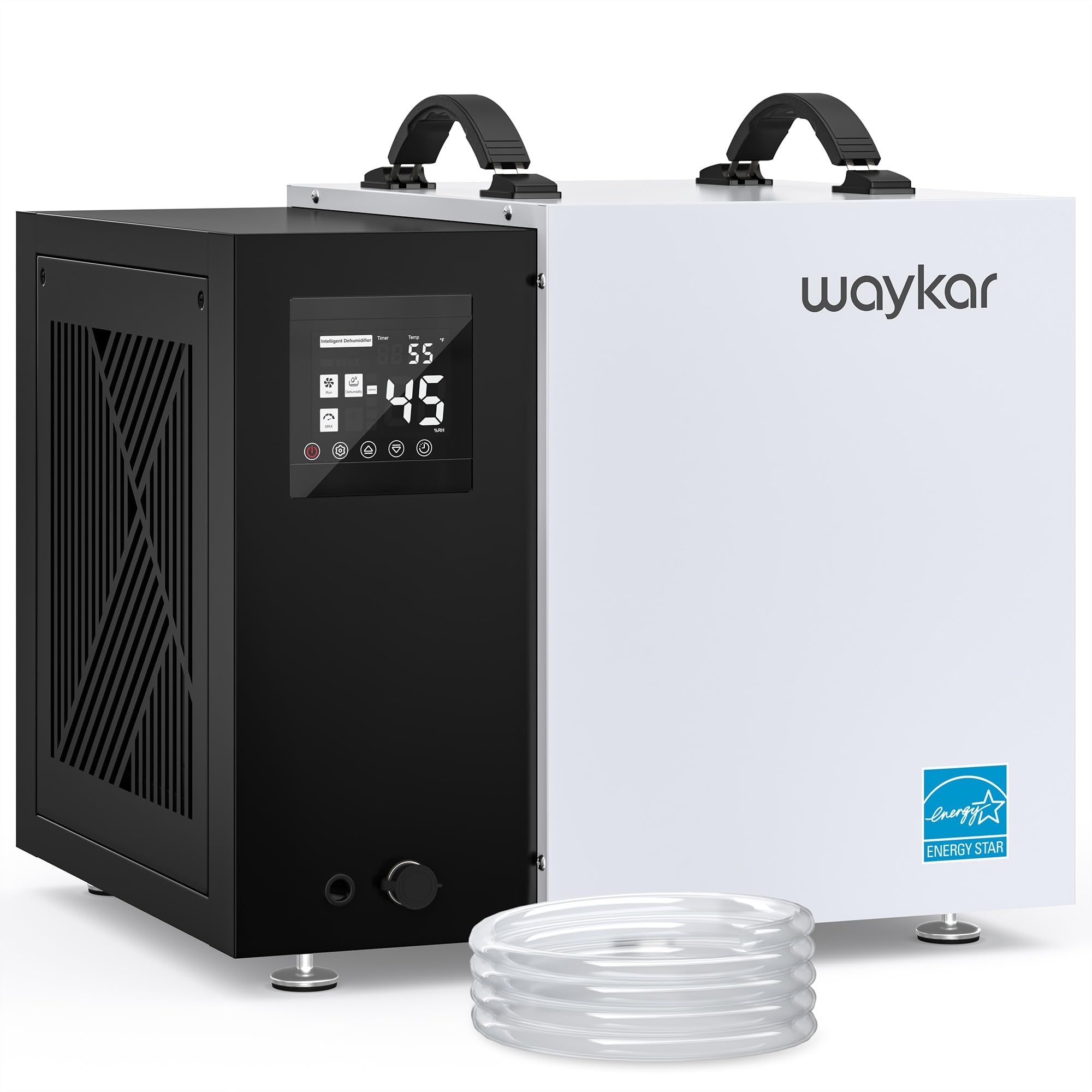
A damp basement, clammy rooms, and a musty smell that returns a day after cleaning usually mean the air holds more moisture than your current setup can remove. For large or very wet spaces, the best 70 pint dehumidifier class pulls far more water per day than a compact unit. The comparison table below lines up the main types in this size.
One warning before you shop: the pint rating has changed over the years, and many current models carry a lower number on the box for the same removal power.


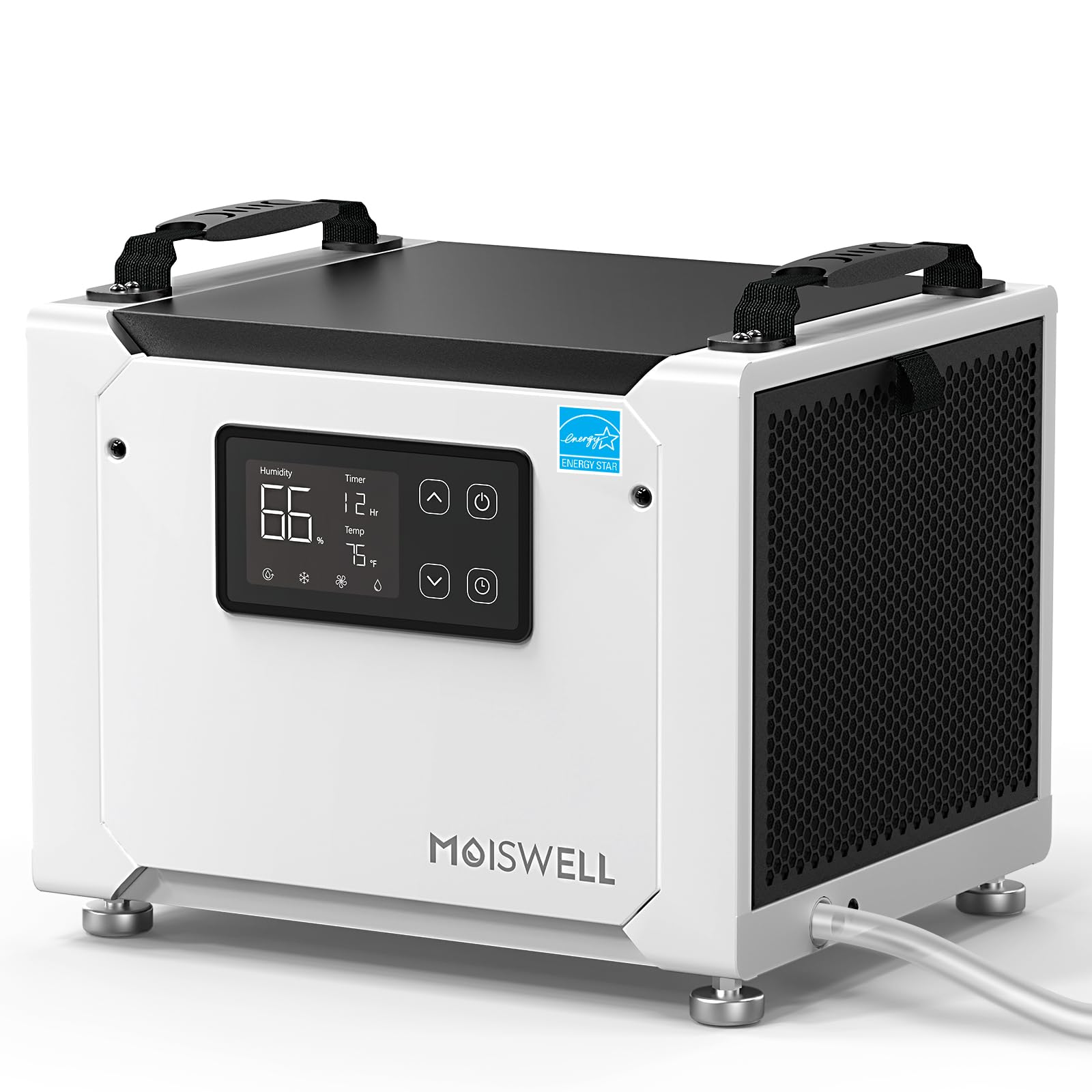
Who Should Buy a 70 Pint Dehumidifier?
Homeowners With a Large Damp Basement
If your basement runs above 60 percent humidity through summer, shows condensation on pipes, or grows mold spots on stored boxes, a small unit will run all day and still lose ground. A 70 pint class model removes moisture fast enough to pull a large basement down and hold it there. See our guide to the best dehumidifier for basement use.
Households Drying a Whole Floor at Once
Open plan main floors, finished lower levels, and laundry areas that vent indoors spread moisture across several connected rooms. One large unit near the center of that open area can serve the whole zone, since air moves freely between rooms. This beats two small units that each dry only their own corner. Open areas up to about 4,000 to 5,000 square feet fit this class.
Owners of Crawl Spaces, Garages, and Workshops
Crawl spaces and unheated garages stay cool and damp most of the year, and that moisture creeps into floors and stored tools. A 70 pint unit with a pump or a gravity drain hose suits these spots, since nobody wants to carry a full bucket out daily. Look for low temperature operation, as cool air makes standard coils frost up.
70 Pint Dehumidifier Types Compared
This size class uses one core technology, so the real choice is how the unit drains.
Compressor Models With a Bucket Only
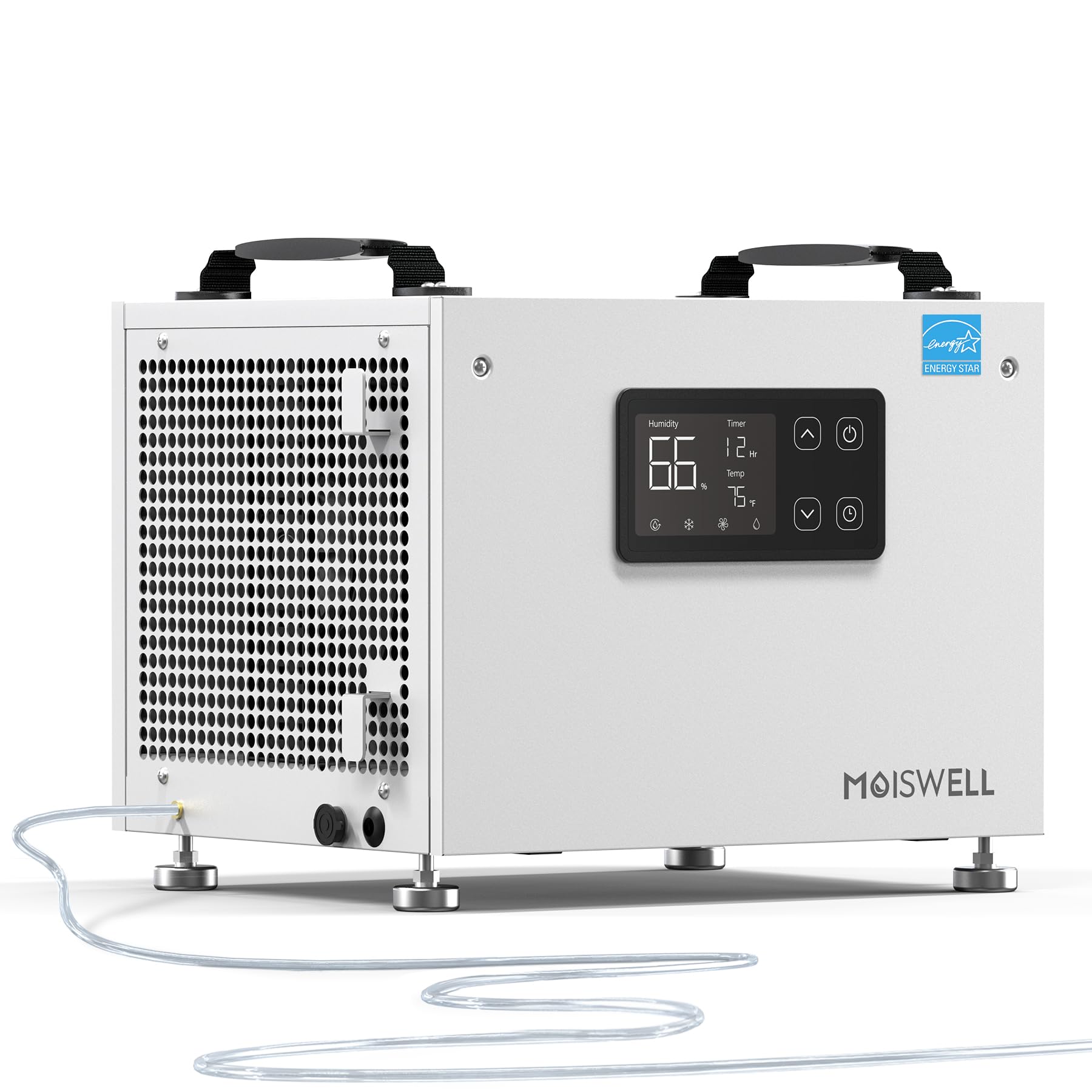
These are the simplest and lowest priced versions. A fan pulls damp air over cold coils, water drips into a removable bucket, and the unit shuts off when the bucket fills. In a very wet basement the bucket can fill twice a day, so you must be home to empty it. They suit spaces near a sink or floor drain.
Compressor Models With a Built In Pump
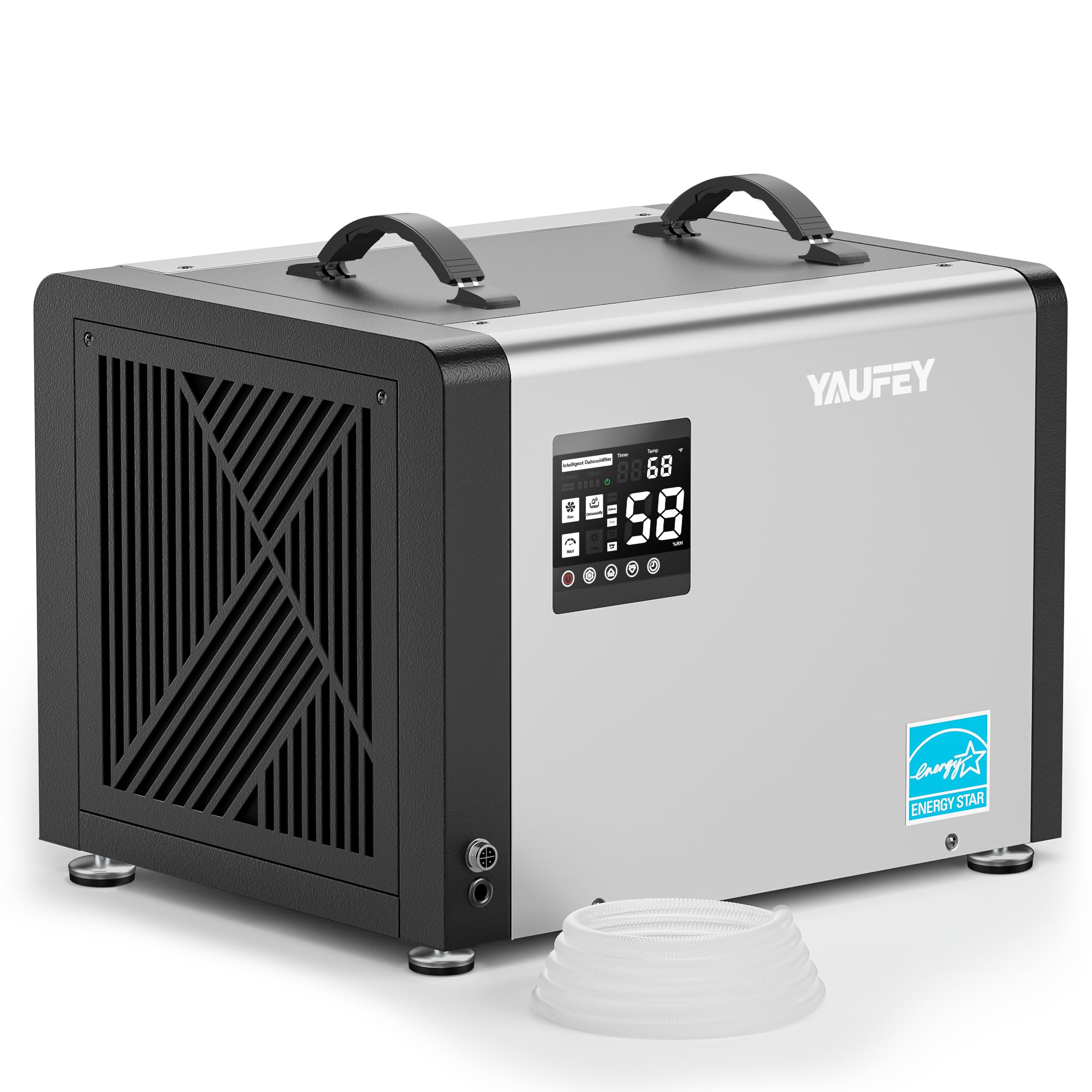
A built in pump pushes collected water upward through a thin hose, so the unit can drain into a sink or a drain that sits higher than the unit itself. This is the most convenient type for basements without a floor drain and for crawl spaces you rarely enter. The pump adds cost and one more part that can fail, but it ends the bucket routine.
Smart Compressor Models With App Control
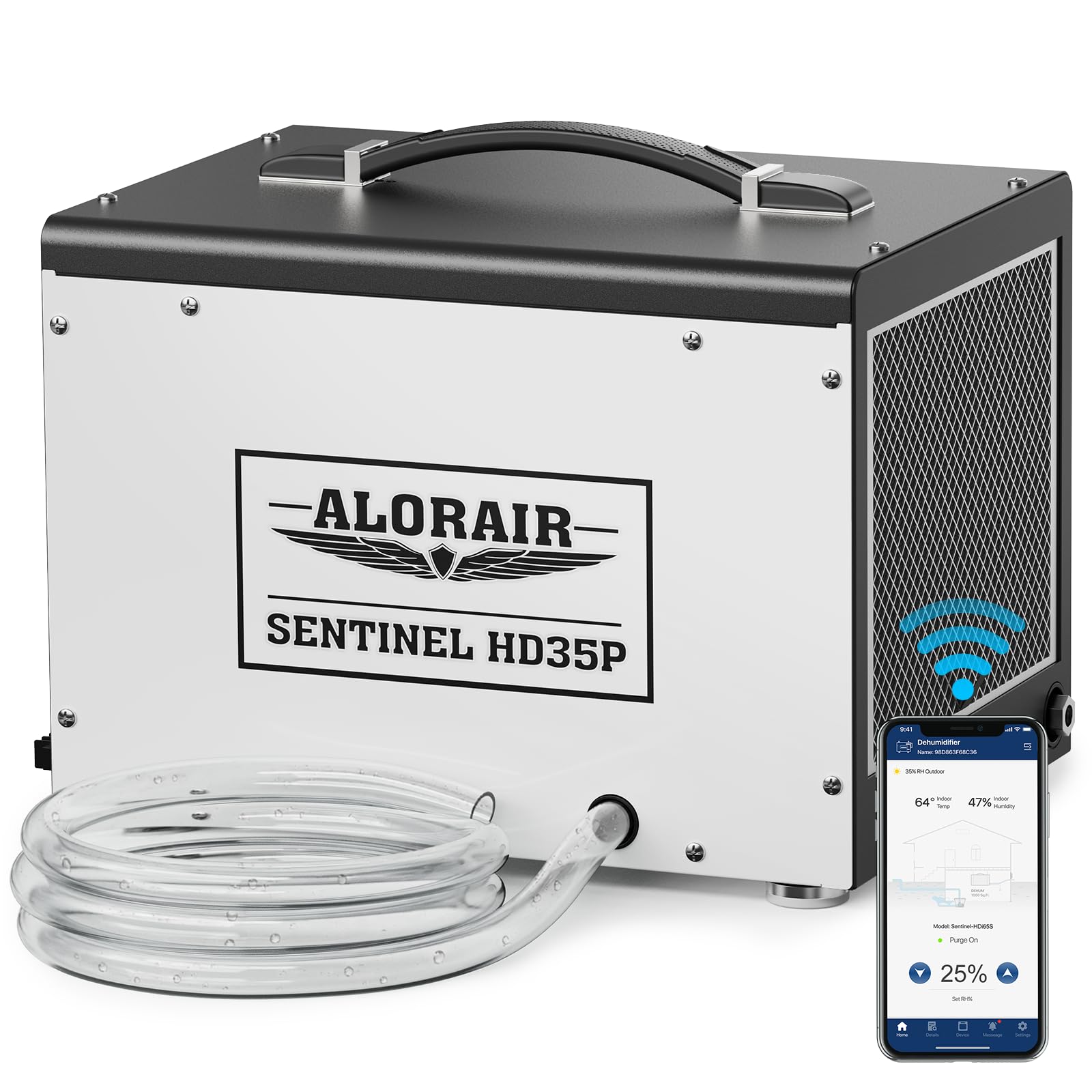
Smart models add WiFi and an app on top of the same compressor hardware. You can check the humidity reading from another room, change the target level, and get an alert when the bucket fills. That matters when the unit lives in a vacation home or a rental. You pay more for the electronics, so the alerts must be ones you will use.
How to Choose the Right Dehumidifier
Size and Form Factor
A 70 pint class unit is a floor standing appliance about the size of a small suitcase, and it needs clearance on all sides so air can move through the intake and outlet. Measure the doorway and the spot where it will sit before ordering, and check the weight if you plan to carry it up stairs, since these units often weigh about 40 to 50 pounds. Most have caster wheels and side handles. Leave about 8 to 12 inches behind the intake.
Type
Nearly every 70 pint model uses a compressor, also called a refrigerant design, because only that design removes this much water per day at a sane cost. Desiccant units work better in cold rooms and run quieter, but they top out at much lower daily removal and use more power for the water they collect. Thermoelectric mini units belong in closets, not whole basements. Treat compressor as the default here, and spend your decision time on drainage, noise, and controls.
Features Worth Paying For
A built in humidistat that holds a set humidity level, auto defrost for cool rooms, auto restart after a power outage, and a washable filter are worth real money because you use them daily. A pump and a drain hose outlet are worth it whenever the unit sits below or away from a drain. WiFi alerts earn their cost only in homes you visit rarely. Skip decorative extras such as color changing lights, since they add price without removing extra water.
Room Size and Coverage Ratings
Coverage claims assume a standard ceiling height and a stated moisture level, and a very wet space can cut the effective coverage in half. A basement with wet walls, an open sump, or laundry drying indoors counts as very wet even if its square footage looks modest on paper. Closed doors also shrink coverage, because one unit cannot pull moisture through a wall. When your space sits near the top of a rating, this class gives reserve capacity on the worst days.
Running Cost and Energy Use
A unit in this class typically draws about 500 to 800 watts while the compressor runs, and the compressor cycles off once the target humidity is reached, so your bill depends on how many hours a day it must work. In a damp summer that can mean near constant running at first, then fewer hours once the room dries out. Energy Star certified models remove the same water with less power. Our explainer on does a dehumidifier use a lot of electricity covers the math.
Noise Levels for Sleeping Areas
On high fan speed, units in this class are plainly audible across a room, roughly like a window air conditioner, and the compressor adds a low hum that light sleepers notice. That is fine in a basement or laundry room and often too much beside a bed. If the damp room is a bedroom, a smaller and quieter model inside the room usually beats a large unit in the hallway. See our guide to the best dehumidifier for bedroom use for quieter options.
Filters, Tanks, and Upkeep
Bucket size decides how often a non draining setup interrupts your day, and in this class buckets are often smaller than the daily removal rating, so a full bucket shutoff is normal in wet weather. Check that the bucket has a handle and a splash guard, since carrying several gallons of water up stairs invites spills. The filter should slide out without tools and rinse clean under a tap. Easy service beats a minor edge in rated capacity.
How Much Should You Spend?
Basic bucket only models in this class start at about $180 to $230 and cover homes with a handy floor drain. Most buyers land at about $230 to $320, where you gain a pump or better controls, stronger energy scores, and quieter fans. Above about $320 you are paying for smart features, larger coverage, and build quality rather than more pints per day. Prices move with the season, so spring purchases often cost less than July ones.
Is a 70 Pint Dehumidifier the Right Size for You?
Here is the rating shift mentioned in the intro. Older models were tested in warmer air, and the current Department of Energy test uses cooler air that yields a lower number for the same machine. A unit sold as 70 pint under the old test is commonly sold as a 50 pint model under the current test, with no loss in real performance. A current 50 pint label usually matches an old 70 pint unit.
Match the size to the moisture load, not just the floor area. A moderately damp 1,500 square foot basement may do fine one class down, while the same area with seepage after rain needs this class. Aim to hold indoor humidity between 30 and 50 percent, and read our guide on what humidity should a basement be for seasonal shifts. A dehumidifier also warms air slightly and does not cool a room, as our comparison of dehumidifier vs air conditioner explains.
Common Mistakes to Avoid
- Buying by the old 70 pint label alone, which can leave you paying for unneeded capacity.
- Placing the unit in a corner against a wall, which starves the intake and cuts removal.
- Relying on the bucket in a very wet basement, so the unit sits full and off while humidity climbs.
- Running the unit with doors to damp side rooms closed, which leaves those rooms moldy while the main room reads dry.
- Ignoring a water source such as a leaking pipe, since no dehumidifier can outrun liquid water entering the room.
- Setting the target below 30 percent, which wastes power and leaves air uncomfortably dry.
How to Make Your Dehumidifier Last Longer
Rinse the air filter about every two weeks during heavy use, since a clogged filter forces the fan and compressor to work harder for less water. Vacuum dust from the intake grille at the same time, and brush lint from the coils gently. If you use the bucket, wash it with mild soap every few weeks so slime and odor do not build up. Keep the unit upright for several hours after moving it before switching it on.
At the end of the damp season, run the fan alone for a few hours to dry the inside, then empty and dry the bucket before storing the unit in a dry room. Coil the hose loosely rather than folding it, and cover the unit. Storing a wet unit invites mold inside the housing.
FAQ
What is the best 70 pint dehumidifier for a home?
The best choice is the model whose drainage matches your room, since removal ratings in this class are close and a unit that drains on its own beats a stronger unit sitting full. Check for a safety listing from UL or ETL on the label, which confirms the appliance met electrical safety standards. Homes without a floor drain should start with the pump type.
What size dehumidifier do I need?
Start with the square footage, then adjust for how wet the space feels and whether water ever stands on the floor. One factor buyers miss is ceiling height: a basement with 10 foot ceilings holds far more air than the same footprint at 7 feet, and that extra volume pushes you up a size class. Repeated standing water means fixing the entry point first.
How cold is too cold for a 70 pint dehumidifier?
Standard compressor models lose efficiency below about 65 degrees Fahrenheit, because frost forms on the coils and blocks airflow until the unit pauses to thaw itself. Models rated for low temperature use add automatic defrost cycles and keep working down to about 41 degrees. If your space sits below that range for weeks, expect removal to slow, and run the unit mainly during milder parts of the day.
Can a 70 pint dehumidifier dry a crawl space?
Yes, provided you can drain it without entering the space and the access door lets you bring the unit in and out for service. Lay a vapor barrier over bare soil first if you have not already, since open ground releases moisture around the clock and can double the load on any unit. Seal large vents and gaps as local building rules allow.
Does a 70 pint dehumidifier use a lot of electricity compared with smaller units?
Per hour it draws more, but per pint of water removed it is often the more efficient choice in a large wet space, since a small unit would run nonstop and still fall behind. When comparing models, check the Integrated Energy Factor on the Energy Star listing, which states liters of water removed per kilowatt hour. A higher factor means lower running cost for the same drying result.
Final Thoughts
Start with drainage, then confirm the rating under the current test standard, then weigh noise and energy use for the room where the unit will live. Do that, and the best 70 pint dehumidifier for your home becomes a confident choice. The product table above pulls the types together, and our broader guide to the best dehumidifier options covers smaller classes.