
Best 7 Quart Dutch Ovens (2026): Buying Guide and Sizing
Disclosure: We may earn a commission when you buy through links on this page, at no extra cost to you. As an Amazon Associate I earn from qualifying purchases. Learn more

Choosing the best 7 quart dutch oven? A 7 quart pot suits big batches of soup, roasts and bread.
A big pot of soup on the stove, bread in the oven, and guests arriving in an hour is where a large Dutch oven earns its place. Choosing the best 7 quart dutch oven for your home comes down to counter space, how many people you feed, and how much lifting you want to do. This guide sorts those trade offs so you can pick once and cook with confidence.
The comparison table below lines up the main types side by side. If you want a broader starting point first, see our guide to the best dutch oven for how this size sits within the full range.

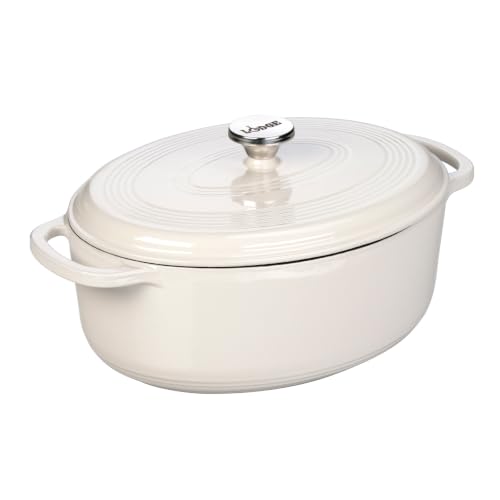
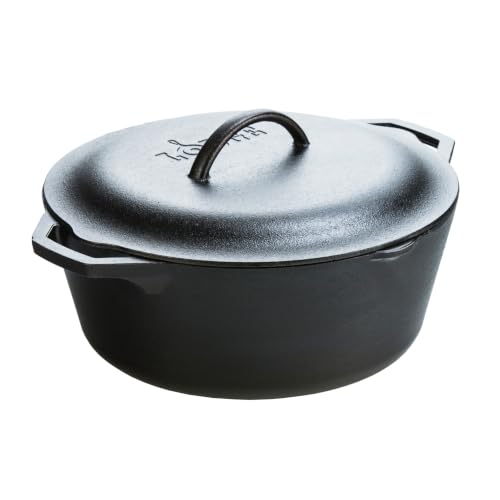


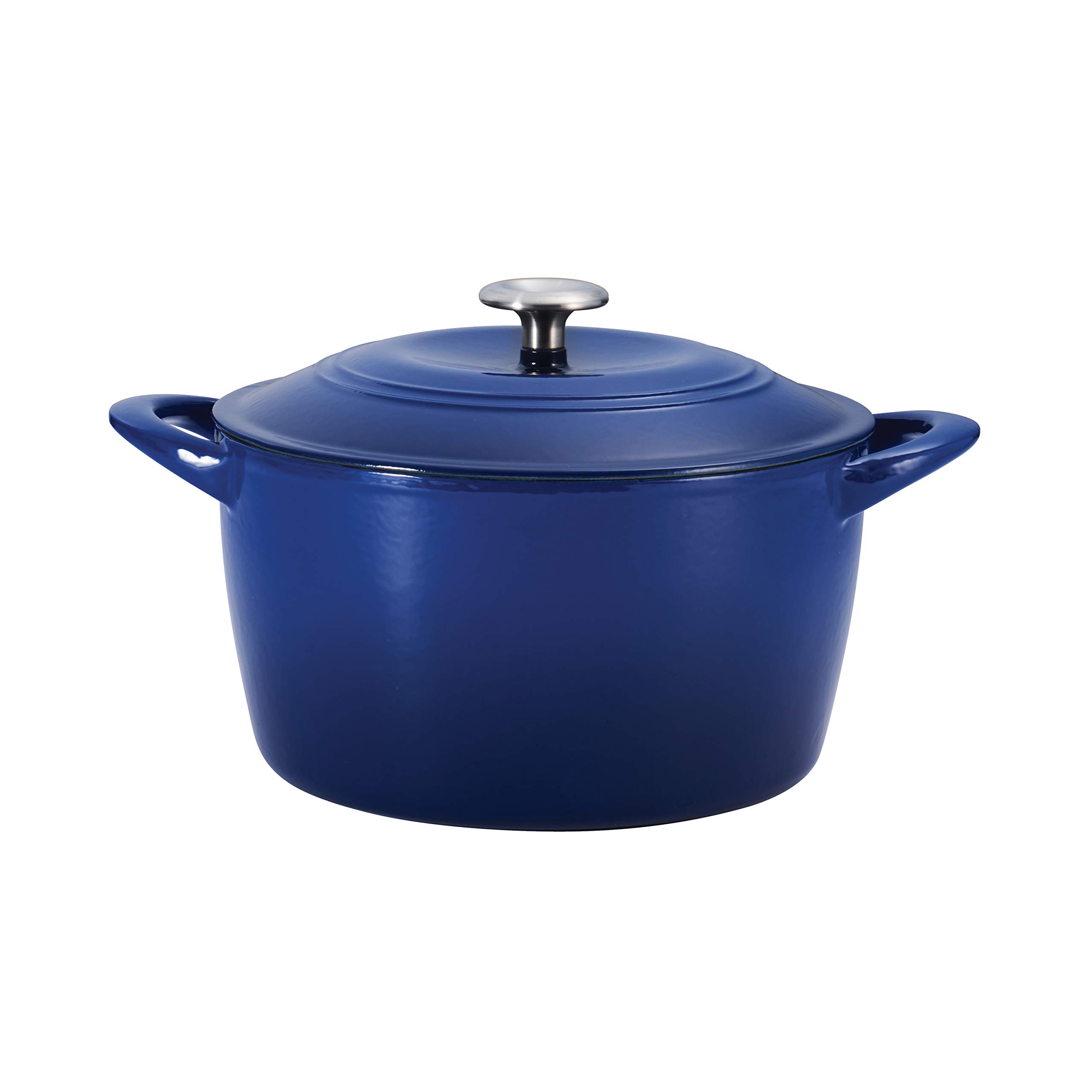

Quick Answer: The Three Types in 30 Seconds
For most homes, an enameled cast iron round pot is the easiest daily choice, since it moves from stove to oven to table and cleans without seasoning. A bare cast iron pot costs less and tolerates very high heat, but it needs seasoning and prompt drying. An oval enameled pot suits roasts and whole birds, though it heats less evenly on a round burner.
Before You Buy: A Quick Checklist for Choosing a Dutch Oven
Makers measure capacity in slightly different ways and shapes vary a lot. Work through the points below in order, starting with size and fit.
Size: Match It to Your Space
Smaller pots run from 2 quart and 3.5 quart up through 4 quart, 5 quart, and 5.5 quart, and they suit couples and small sides. At 7 quart and 7.25 quart you gain room for a whole chicken, a large batch of chili, or dough with space to rise. Larger 8 quart and 9 quart pots help for big gatherings but fill a cabinet shelf fast. Measure your storage space and oven width, and leave room for the lid.
Which Type Fits Your Routine
Enameled cast iron gives you steady heat with a smooth surface that resists sticking and needs no seasoning, which suits daily soups and braises. Bare cast iron costs less, handles high heat and open flame, and can be restored if it rusts, but it reacts with tomato and wine sauces. Stainless steel versions feel lighter, yet they lack the heat holding power of iron. Ceramic pots chip more easily and dislike sudden heat changes. Oval shapes fit roasts, while round shapes heat most evenly.
Features Worth Paying For, and Ones to Skip
A heavy lid that sits flat matters most, since trapped moisture keeps braises tender and helps bread crust. Lids with small bumps on the underside, often called self basting lids, drip moisture back over food as it cooks. A stainless steel knob is worth paying for because it tolerates higher oven heat than plastic knobs. Wide handles you can grip with mitts also matter. Skip extra inserts and fancy finishes you will not use, and skip a second small lid that only adds storage bulk.
Is It Non Toxic?
Enamel is a glass coating baked onto iron, and it contains no PFAS or PTFE, so there is no nonstick layer to wear away. Bare cast iron and stainless steel also avoid those coatings, and seasoning on bare iron is simply baked on oil. Ceramic coated metal is different, since that coating can wear over time and makers vary in what they disclose. If coating safety is your top concern, choose plain enamel, bare iron, or stainless steel and ask the maker for its material details.
Induction, Gas and Glass Top Compatibility
Cast iron works on induction by nature, since induction needs magnetic metal, and most enameled pots carry a flat iron base that induction burners read well. On gas, iron spreads flame heat without warping. On a glass top, the risk is scratching and weight, so lift the pot instead of sliding it and check your stove manual for a weight limit. Rough bare iron bases can mark glass, so many glass top owners pick enamel.
Oven Safe Temperature and Handles
The pot body often tolerates more heat than its knob and handles allow, so check the lowest rated part, not the headline number. Many enameled pots are rated to about 500 degrees in the oven, while plastic knobs may be rated far lower. Metal knobs and loop handles remove that worry for bread baking at high heat. Handles should be wide, firmly cast as part of the pot, and easy to grip while wearing thick mitts, since a full 7 quart pot is heavy.
Realistic Budget Ranges
Under $50, expect bare cast iron or thin enameled steel with basic lids and shorter enamel life. Under $100, enameled cast iron gets thicker and lids fit better, which is the value zone for many homes. Under $200, you gain smoother enamel, stronger knobs, and better finish choices. Under $300 and under $500, you pay mostly for thicker casting, refined enamel, and longer warranties. Spending more does not cook soup faster, so fund lid fit and handles before color.
Three Types Compared: Which Style Suits Your Home?
Instead of chasing a single brand, compare the three styles below against your space, your stove, and how often you plan to cook.
Round Enameled Cast Iron for Most Homes
This style balances heat retention, easy care, and table appeal for daily cooking. The enamel surface releases beans, grains, and browned meat with a soak, and it does not react with acidic sauces. Round walls fit standard burners and give even heat for soups and stews. The main trade off is weight and price, since good enamel costs more than bare iron. If you compare options, our guide to the best enameled cast iron dutch oven explains enamel grades in depth.
Bare Cast Iron With a Plain Lid for Low Cost
Bare iron keeps the cost down and shrugs off high heat, metal tools, and campfire use that would worry enamel owners. It sears deeply and, once seasoned, releases eggs and cornbread fairly well. You trade that toughness for upkeep, since you must dry it on the stove and oil it lightly after washing. It also dislikes long simmers of tomato sauce, which can strip seasoning and add a metallic taste. Choose it if you value low cost and rugged use over easy care.
Thick Walled Enameled Cast Iron for the Long Term
Heavier casting and a thicker enamel layer cost more at the start, but they resist chipping and hold heat through long braises with fewer hot spots. A well made lid seals tightly for years, and makers at this tier tend to offer longer warranty support for enamel defects. The trade off is lifting, since these are the heaviest pots of the three. Choose this style if you cook weekly, bake bread often, and want one pot to keep for decades rather than replace.
How to Judge Quality Before You Buy
Look at maker specifications, stated oven ratings, materials, and patterns in buyer reviews. The criteria that matter are heat distribution, surface durability, stove and oven compatibility, and ease of cleaning.
Is a 7 Quart Dutch Oven the Right Size for You?
A 7 quart pot comfortably feeds about five to eight people, holds a whole chicken with vegetables, and handles double batches of soup for freezing. It is more pot than a single cook needs for small sides, and it will feel bulky in a small kitchen with thin shelves.
Bread bakers like this size because the walls give dough room while the lid traps steam. If that is your main goal, see our guide to the best dutch oven for bread for loaf shapes and heat tips. Our dutch oven vs stock pot comparison shows where each one wins for long, slow main dishes, and our guide on what size dutch oven do i need walks through household size in detail.
Weight is the honest limit. An empty enameled pot often weighs about 13 to 18 pounds, and food can push the total past 25 pounds. If lifting that from a low oven is hard, a 5.5 quart pot may serve you better.
Common Buying Mistakes to Avoid
- Buying 7 quarts for a household of two and then avoiding the pot because it is too heavy to wash and store.
- Ignoring the knob rating and then baking bread at a heat level that cracks or melts a plastic knob.
- Choosing an oval pot for a round induction burner, which leaves the ends cooler than the center.
- Paying for bright color and extra inserts while accepting a loose lid that lets steam escape during braises.
- Forgetting cabinet depth, so the lid must live apart from the pot and gets chipped in a crowded drawer.
Cost of Ownership and Care
Ownership costs stay low with this type of pot. There are no filters or parts to replace on a schedule, though a replacement metal knob can cost a small amount if the original is plastic. Enamel needs no seasoning, while bare iron needs a thin coat of oil now and then. Store the pot dry with a cloth between lid and rim to guard the enamel edge. For washing and stain advice, read our guide on how to clean a dutch oven.
Let an enameled pot cool before washing, since cold water on hot enamel can cause tiny surface cracks over time. Use wood or silicone tools on enamel, soak stuck food instead of scraping, and dry bare iron at once.
Your Questions, Answered
What is the most reliable dutch oven brand?
Reliability depends more on build signs than on a name. Look for thick walls, a lid that sits without rocking, enamel without bubbles at the rim, and a warranty that covers enamel defects. Makers who publish oven ratings for both pot and knob, and who sell replacement knobs, tend to support their pots longer.
How do you clean a dutch oven?
Wash it warm with a soft sponge once it has cooled, and soak dried on food in warm water for about 20 to 30 minutes before scrubbing gently. A paste of baking soda and water lifts light stains on enamel without scratching. Avoid steel wool on enamel and avoid dishwashers, since harsh detergents dull the surface over time. Dry it fully before storing.
Is a dutch oven worth it?
It earns its cost if it replaces several pans in your week, such as a soup pot, a braiser, and a bread baking vessel. One pot that sears on the stove and finishes in the oven also cuts washing up. It is harder to justify if you mostly cook quick single servings or lack storage, since a smaller pot would cover those meals for less money and far less lifting.
How long does a dutch oven last?
Bare cast iron can last for generations because you can strip and rebuild its seasoning if it rusts or sticks. Enameled iron lasts for decades of normal use, though enamel can chip if dropped and chips cannot be recoated at home. Glass lids and plastic knobs are usually the first parts to fail, which is one more reason to favor a metal knob and a solid iron lid.
What size dutch oven do I need?
Count your largest regular meal, not your biggest holiday. If you cook a whole chicken or soup for guests most months, 7 quarts fits those jobs without crowding. If your largest job is a stew for four, a 5 quart or 5.5 quart pot heats faster and stores more easily. Also check that the pot fits your largest burner and your oven.
What is the best 7 quart dutch oven?
For most homes it is a round enameled cast iron pot with a tight lid, a metal knob rated for high oven heat, and handles you can grip with mitts. That mix handles soups, braises, and bread without seasoning or sauce worries. If cost matters most, bare iron gives the same heat for less money in exchange for upkeep.
Final Thoughts
Pick the type that fits your stove, your storage, and your strength, and a 7 quart pot will handle soups, braises, roasts, and bread in one vessel. The product table above sums up the main styles, so use it to confirm your choice before you order. For most households, the best 7 quart dutch oven is the enameled round one you will lift gladly, wash easily, and reach for every week.


