
Best 7 Inch Chef Knives (2026): Buying Guide and Sizing
Disclosure: We may earn a commission when you buy through links on this page, at no extra cost to you. As an Amazon Associate I earn from qualifying purchases. Learn more

Choosing the best 7 inch chef knife? A 7 inch blade gives small kitchens a controlled everyday knife.
A 7 inch blade sounds like a small detail until you dice onions on a narrow board. If you cook for a small household and want one main knife that feels controlled instead of oversized, the best 7 inch chef knife for you will match your space, your hands, and your budget.
This guide helps you choose by kitchen size, number of people you cook for, and how much upkeep you want. The comparison table below sums up the main blade types side by side, so you can spot your style early.

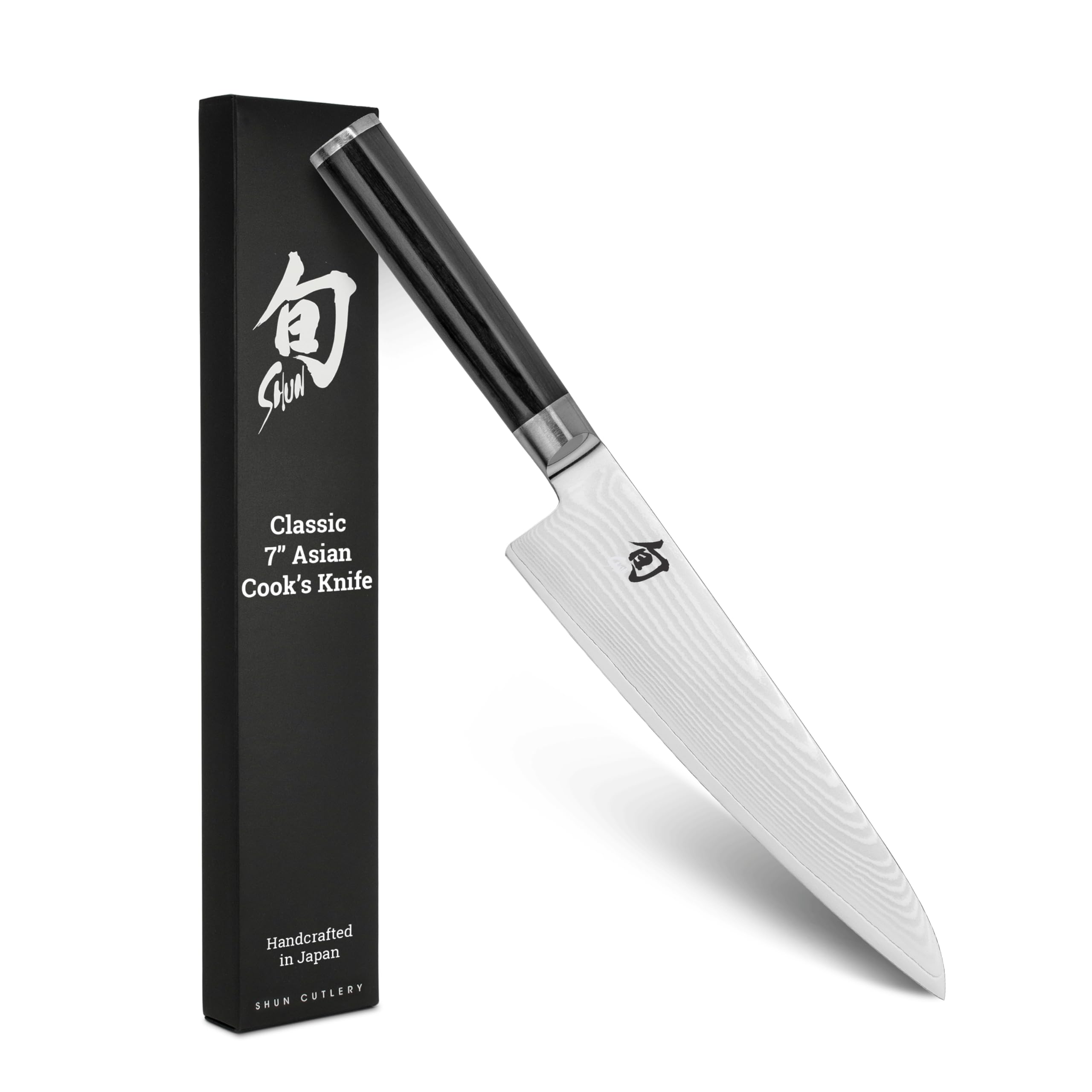
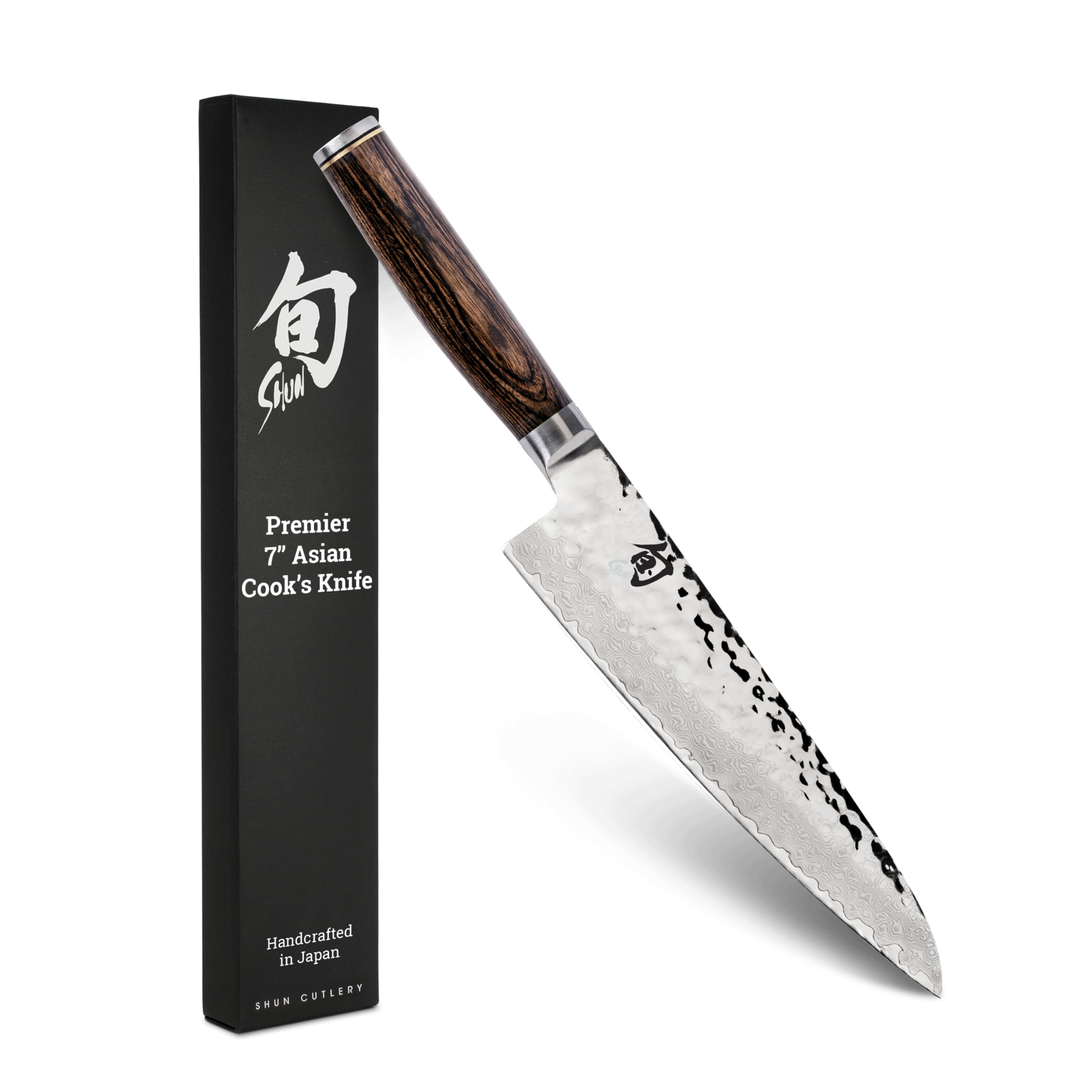

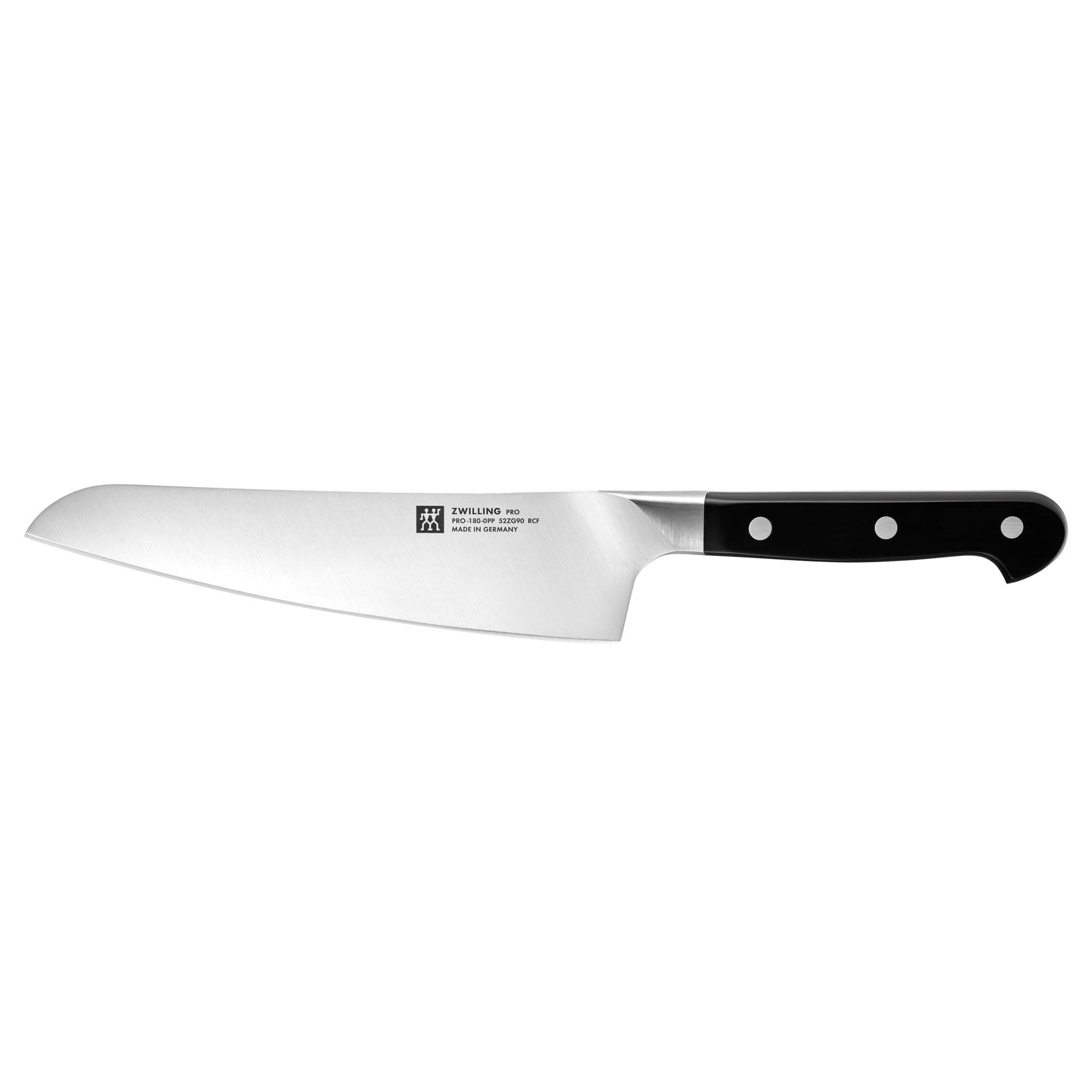


Quick Answer: What Sets a Good 7 Inch Chef Knife Apart
A good knife at this length pairs a blade you can guide with one hand, steel that holds an edge through a week of dinners, and a comfortable handle. It should feel balanced near the pinch point. If you are still weighing this size against the wider market, our guide to the best chef knife covers the full range.
Who Should Buy Which 7 Inch Chef Knife?
Most buyers at this size fall into one of three groups, and each group should weight the checklist differently.
Households With Limited Counter and Board Space
If your board is small and storage is a single drawer or a slim block, a 7 inch blade gives you room to work without the tip wandering past the board edge. Prioritize a compact handle, a fitted sheath for storage, and a light weight for long prep sessions.
Cooks Who Cook for Two to Four People
For weeknight meals for a small family, this length handles the daily load, from carrots to a cabbage cut in halves first. You rarely need the extra reach of a longer blade, and the shorter edge is easier to guide while you build knife skills. Look for a shape that rocks over herbs and pushes through root vegetables.
Cooks Who Should Probably Choose Another Size
If you often carve large roasts, halve big winter squash, or slice wide loaves, a longer blade will serve you better, and this size may feel limiting within months. Very large hands can also find some handles at this size cramped. Treat the 7 inch option as a second knife for detail work instead.
Before You Buy: A Quick Checklist for Choosing a Chef Knife
Work through these points in order, because size and routine decide more than any single spec on the box.
Size: Match It to Your Space
Lengths run from 6 inch utility sizes up through 8 inch, 9 inch, and 10 inch blades, with Japanese lengths often listed as 210 mm or 240 mm. The standard 8 inch length adds reach, yet it can feel clumsy in a tight kitchen. Seven inches sits between them, with enough edge for most produce and a tip that stays easy to place.
Which Type Fits Your Routine
German and Western styles use thicker blades and a curved belly built for rocking cuts, while Japanese styles and the gyuto shape use thinner blades built for straight push cuts. Damascus refers to a layered look rather than a cutting style, so judge it by the core steel. Forged blades come from one piece of steel, while stamped blades are cut from a sheet at a lower price.
Features Worth Paying For and Ones to Skip
A fitted sheath is worth paying for if the knife will live in a drawer, since it guards the edge and your fingers. A wood handle can feel warm and secure, though it needs hand washing and occasional oiling. Dimples along the blade can help slices of potato or cucumber release instead of sticking. Skip large sets and decorative finishes, since one good blade outperforms a block of mediocre ones.
Steel Type and Hardness
Hardness is listed as HRC on the Rockwell scale. Softer German style steel often sits near 56 to 58 HRC, so it dulls sooner but sharpens quickly and tolerates rough use. Harder Japanese style steel often reaches 60 to 62 HRC, so it holds an edge longer but can chip if you twist the blade on bone or frozen food. For most homes, high carbon stainless steel gives the easiest balance.
Blade Geometry: German vs Japanese
A German profile has a thick spine, a wide belly, and an edge near 20 degrees per side, which supports rocking and feels sturdy on dense vegetables. A Japanese profile is thinner behind the edge, often near 15 degrees per side, so it glides through onions and fish with less wedging. Our guide to the best japanese chef knife explains the main shapes in more depth.
Handle, Bolster and Balance
Judge comfort with a pinch grip, thumb and index finger on the blade ahead of the handle. A full bolster adds weight and a finger guard feel, while a half bolster lets you use the whole edge and makes sharpening the heel easier. The balance point should sit near that pinch, so the blade does not drag your wrist down. Choose a handle profile that fills your palm without hot spots, since shape matters more than material.
Realistic Budget Ranges
Each price tier buys you something specific. Knives under $30 usually use stamped blades and basic handles. Options at about $30 to $50 often add better steel and a more comfortable grip. At about $50 to $100 you can expect a forged blade, steadier balance, and a longer lasting edge. Above about $100 to $200, you pay for harder steel and finer finish, and prices over $200 mostly buy craftsmanship.
Three Blade Types Compared: German, Japanese and Stamped Styles
Compare the three blade types found at this size, since type predicts daily feel better than brand names do.
Forged German Style Blades for Sturdy Daily Work
This type suits homes that cook hearty meals and want a forgiving blade. The thick edge tolerates contact with board and bone, the curved belly rocks smoothly over garlic and herbs, and the softer steel sharpens fast on a basic stone. The trade off is weight and thickness, so wedging can split carrots instead of slicing them cleanly. Choose this type if you value toughness and simple upkeep.
Japanese Style Blades for Fine, Light Cuts
This type suits cooks who prep a lot of vegetables, fish, and boneless proteins and who value precision. The thin blade moves through produce with little effort, the harder steel keeps its edge through many meals. The trade off is care: avoid twisting cuts, hard squash rinds, and dishwasher cycles. Choose it if fine cuts matter more than rough durability.
Stamped and Hybrid Blades for Light Budgets
Stamped blades and hybrid designs with a Western handle and a thinner edge suit renters, students, and first kitchen setups. They cost less, weigh less, and still handle daily chopping well when the steel is decent and the handle is secure. The trade off is feel: balance is often less refined, and the edge may need attention more often. Put the savings toward a good board and a honing rod.
What to Check Before You Order
Compare maker specifications, steel and hardness details, and patterns in buyer feedback about comfort, edge life, and upkeep. Check the product page details before you order.
Is a 7 Inch Chef Knife the Right Size for You?
Measure your main cutting board first. If your board is about 12 to 15 inches long, this blade leaves room to lift and rock without the tip leaving the surface. If you are torn between this shape and a flatter one, our chef knife vs santoku breakdown compares the two directly. Our guide to the best chef knife for home cooks shows how this size fits a wider setup.
This size shines for slicing onions, peppers, apples, cheese, and boneless chicken, where control matters more than reach. It struggles when one stroke must span a wide cabbage or a long loaf, since you will saw instead of cutting cleanly. If those large items appear weekly, size up. If they appear once a month, this length will likely feel right the rest of the time.
Common Buying Mistakes to Avoid
- Choosing by blade length alone, which ignores handle fit and leaves the knife unused in the drawer.
- Buying a large set for the price of one good blade, which fills your storage with pieces you never reach for.
- Paying for hard Japanese style steel while planning to cut on glass or stone boards, which chips fine edges quickly.
- Skipping a sheath for drawer storage, which dulls the edge and creates a cut risk when you reach inside.
- Ignoring upkeep costs, since a knife with no honing plan will feel dull within months.
Cost of Ownership and Care
The purchase price is only part of what you will spend. Budget for a honing rod at about $10 to $20, a whetstone or a sharpening service a few times a year, and a sheath or magnetic strip if you lack block space. Hand wash and dry the blade right after use, and store it where the edge touches nothing hard. Our walkthrough on how to sharpen a chef knife covers the basic angles and strokes step by step.
Wood and soft plastic boards are kinder to edges than glass or bamboo, so your board affects edge life. Scrape chopped food with the spine, not the edge, to avoid rolling the edge during cleanup.
Your Questions, Answered
What makes a chef knife brand reliable?
Reliability shows up in steady heat treatment, honest steel labeling, and a warranty the maker actually honors. Brands that publish hardness values and blade angles give you facts you can compare, while vague claims give you nothing to check. Consistent grind quality matters too, since a crooked edge is hard to fix at home.
How do you clean a 7 inch chef knife?
Wash the blade by hand in warm water with a small amount of dish soap, using a soft sponge that moves from the spine toward the edge with care. Dry it fully right away, including where the blade meets the handle, since trapped moisture can stain even stainless steel over time. Store it only once fully dry, and skip the dishwasher, which can loosen handles and batter the edge.
Is a 7 inch chef knife worth it for home cooking?
Yes, if you cook several times a week and your current knife forces you to saw or press hard through food. A blade that fits your board and hand makes prep faster and neater, most of all with onions, herbs, and raw chicken. It is less worth it if you mostly reheat food, since a smaller utility knife covers that work.
How long does a 7 inch chef knife last with home use?
The blade itself can serve for many years, often a decade or more, because each sharpening removes only a small amount of steel. Handles usually set the limit: wood can crack if it soaks often, and loose rivets or a split grip are signs to retire the knife. A worn heel that keeps the edge off the board along its full length is another clear end point.
What is the best 7 inch chef knife for a small apartment kitchen?
Start with storage: if the knife must live in a drawer, put a fitted sheath at the top of your list, even ahead of steel type. Next, choose a mid weight forged or hybrid blade, since it handles mixed tasks without feeling fragile or heavy. A rounded handle profile suits varied grips when several people share the cooking. This order, storage first and steel second, prevents damage from loose drawer storage.
Final Thoughts
A 7 inch blade earns its place when it matches your board, your household size, and the food you cook most weeks. Use the checklist and the product table above to weigh steel, geometry, handle fit, and budget in that order, and you will land on the best 7 inch chef knife for your home without overspending. Before your first meal with it, skim our guide on how to use a chef knife so your grip feels natural from day one.


