
Best 7.1.4 Soundbars (2026): How to Choose
Disclosure: We may earn a commission when you buy through links on this page, at no extra cost to you. As an Amazon Associate I earn from qualifying purchases. Learn more

Choosing the best 7.1.4 soundbar? A 7.1.4 system adds rear and height channels for movies and games.
A family movie night can expose weak TV sound fast. Dialogue gets buried under music, effects boom in one scene and vanish in the next, and everyone keeps reaching for the remote. Choosing the best 7.1.4 soundbar for your home means matching real channels, height effects and bass support to your room, your TV and the people who share the sofa with you.
This guide focuses on living rooms, bedrooms and home offices where the whole household uses the same system. Use the comparison table below to see how the main layouts differ, then work through the checklist so you pay for sound you will actually hear.
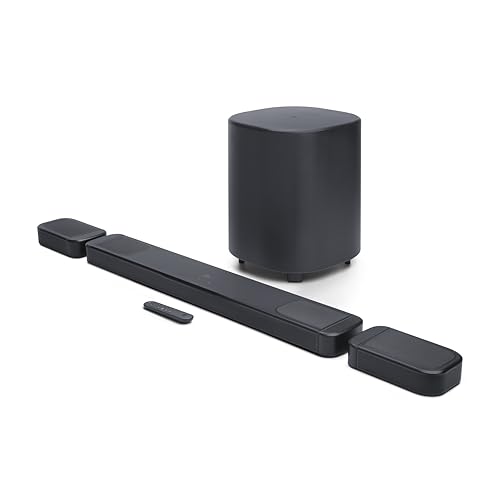


Quick Answer: How the Main System Layouts Compare
The numbers tell you the layout at a glance. Seven stands for seven main channels across the front and sides, one stands for a subwoofer that handles low bass, and four stands for four height channels that place effects above you. That full layout is what separates a true 7.1.4 system from simpler bars that only simulate parts of it.
In practice, you will choose among three broad layouts. A single bar can create height effects on its own, a bar with a separate subwoofer and rear speakers gives you real sound behind you, and an expandable system lets you start simple and add parts later. Our wider guide to the best soundbar options covers simpler layouts if you decide you need less.
Before You Buy: A Quick Checklist for Choosing a Soundbar
Size: Match It to Your Space
Measure the width of your TV stand and the space below the screen before you look at anything else. A bar that is much wider than the TV can look awkward and may block the remote sensor, while a bar that is too tall can cover the bottom edge of the picture. Leave clear space on each side so side firing drivers can spread sound outward.
Which Type Fits Your Routine
Think about what your household plays most days, not just on special occasions. If sports, news and streaming dramas fill most evenings, clear front channels and simple controls matter more than dramatic height effects. If movies and games take over the room on weekends, Dolby Atmos support and real rear speakers earn their keep. A system with separate parts suits a settled living room where you can place each piece once and leave it there.
Features Worth Paying For and Ones to Skip
Pay for HDMI eARC, a dedicated center channel for dialogue, a wireless subwoofer you can place near your seating, and controls that every family member can use without help. You can safely skip extra sound modes you will never select, decorative lighting, and bundled streaming services that duplicate apps already on your TV. Each skipped extra keeps the price focused on drivers and build quality.
Room Size and Placement
Room shape shapes what you hear as much as the bar itself. Height channels bounce sound off the ceiling in many designs, so a flat ceiling at a normal height gives the most predictable result, while vaulted or very high ceilings weaken that effect. Place the bar centered with the TV, keep its front edge near the front edge of the stand, and avoid tucking it inside a closed cabinet.
Dialogue Clarity and Night Mode
Clear dialogue comes mainly from a strong center channel and sensible volume balance, not from turning everything up. Look for a dialogue or voice mode that lifts speech without making the rest of the mix sound thin, since shared family viewing mixes children, adults and guests with different hearing comfort. A night mode that tames loud peaks and lifts quiet speech helps in bedrooms and in homes where others sleep nearby.
Connections That Matter Most
HDMI eARC is the connection to prioritize, since it carries full quality audio from the TV to the bar and lets the TV remote control volume. Check that your TV has an eARC port before you buy, and plan to use the cable supplied in the box or a rated replacement of the right length. An optical input works as a backup for older TVs, though it cannot carry the most advanced formats.
Subwoofer and Surround Options
The subwoofer supplies the low notes that small bar drivers cannot move enough air to produce, and wireless models give you freedom to place it where bass sounds even rather than boomy. A corner often strengthens bass, sometimes too much, so try a spot along the front wall first and adjust in small steps. Separate rear speakers create genuine sound behind you instead of a simulated guess, which matters for movie effects and games.
Realistic Budget Ranges
True 7.1.4 systems with separate parts rarely sit at the lowest price points, and that is worth knowing before you shop. Expect to pay about $500 to $1000 for a complete system with a bar, a subwoofer and height channels, while simpler bars that borrow the label with simulated channels can cost less and deliver less. If the total feels steep, our guide to the best budget soundbar choices explains what a smaller system gives up.
Three System Types Compared Without the Sales Pitch
A Single Bar With Built In Height Drivers
This type packs every channel into one cabinet, with up firing drivers that reflect height effects off the ceiling. It is the easiest option to install and the kindest to small rooms and tidy media stands. The trade off is width of effect, since reflected sound depends on your ceiling and cannot match separate speakers placed around you.
A Bar With Wireless Subwoofer and Separate Rear Speakers
This layout delivers the full promise of 7.1.4, with real speakers behind your seats and dedicated height channels. Effects move around the room in a way a single bar can only suggest, and action scenes gain a clear sense of place. The cost is space and setup time, since the rears need stands or shelves and power outlets nearby.
An Expandable System You Build in Stages
Some systems let you start with a bar and subwoofer, then add rear speakers later when budget or room changes allow. This staged approach spreads the cost and lets you learn what your room actually needs before buying every part. The risk is compatibility, since added speakers must match the exact system family, so confirm expansion options before the first purchase.
How to Compare Sound Quality and Value Fairly
Compare systems on the same ground. Judge sound quality on dialogue clarity at normal volume, even bass that supports scenes without overwhelming them, and height effects you can locate without straining. Add the total cost, including stands or extra cables, and weigh manufacturer specifications and verified buyer feedback about reliability over dramatic claims about power figures alone.
Is a 7.1.4 Soundbar the Right Choice for Your Room?
For many homes, a smaller system is honestly enough, and knowing that saves money. If you mainly watch news, sports and sitcoms on a TV in a small bedroom, a good 3.1 or 5.1 setup will sound clear and balanced, and our guide to the best soundbar for tv viewing walks through those options. The best 7.1.4 soundbar earns its price when you watch Atmos movies often and can place rear speakers properly.
Think about who shares the system too. Households with mixed ages benefit from strong dialogue modes and simple remotes more than from raw output. If your room cannot fit rear speakers or your ceiling shape defeats height effects, redirect the budget toward a better front bar instead of paying for channels your room cannot use well.
Common Mistakes to Avoid
- Buying a bar wider than your stand or taller than the space under your screen, which blocks sensors.
- Paying for height channels in a room with a vaulted ceiling, where reflected effects scatter instead of reaching your seats.
- Skipping the eARC check on your TV, then finding the bar cannot receive the audio formats you bought it for.
- Placing rear speakers right behind the sofa at ear level, which makes effects sound harsh and oddly close.
- Judging a system only by a loud store demo, which hides weak dialogue clarity.
Cost of Ownership and Care
Running costs stay modest. A soundbar system uses far less power than a full receiver and speaker stack, and standby draw is small. Budget for occasional extras such as a longer HDMI cable, speaker stands for the rears, or replacement remote batteries.
Care is simple. Dust the bar and subwoofer with a dry soft cloth, keep vents clear, and never spray cleaner directly onto drivers or ports. Firmware updates arrive through the companion app on many systems and can fix bugs, so install them when the household is not mid movie. Our walkthrough of how to set up a soundbar covers the first day checks that prevent most later problems.
FAQ
What makes a soundbar brand reliable over time?
Reliability shows up in steady firmware support, spare remotes and parts that stay available, and warranty service you can actually reach. Brands that publish clear specifications and keep older models updated tend to support owners longer. Verified buyer feedback from people who have owned a system for a year or more tells you more than launch week praise.
How do you clean a soundbar without damaging it?
Unplug the system first, then wipe cabinets with a dry or barely damp cloth and use a soft brush on the grille to lift dust from the weave. Keep moisture away from ports and driver openings, and never use strong solvents on the finish. If bass starts to sound muffled, check that the subwoofer port is clear of pet hair and household fluff.
Is a soundbar worth it compared with TV speakers?
For most households, yes, because TV speakers face backward or downward and squeeze dialogue into a thin mix. Even a modest bar aims sound at you and adds a center channel that anchors speech to the screen. Our explainer on is a soundbar worth it weighs the cost against room size and viewing habits in more detail.
How long does a soundbar system usually last?
A well cared for system commonly serves for many years, since it has no moving parts beyond the speaker drivers themselves. The parts most likely to age first are remote controls, batteries in wireless rears, and software features tied to apps or streaming services. A wireless subwoofer that often drops its connection usually points to placement or interference, not a failing system.
What size soundbar do I need for my TV?
Match the bar roughly to your screen width so the front soundstage lines up with the picture, and check the height against the gap below the screen. TVs from 48 to 55 inches pair well with mid sized bars, while larger screens suit wider bars with stronger side channels.
Final Thoughts
Start with your room, not with the channel count. When those basics line up, the best 7.1.4 soundbar for your home is simply the layout that your family can set up once and enjoy every night. Look back at the product table above and compare the three layouts against your checklist before you choose.


