
Best 60 Inch LED TVs of 2026: Complete Buying Guide
Disclosure: We may earn a commission when you buy through links on this page, at no extra cost to you. As an Amazon Associate I earn from qualifying purchases. Learn more
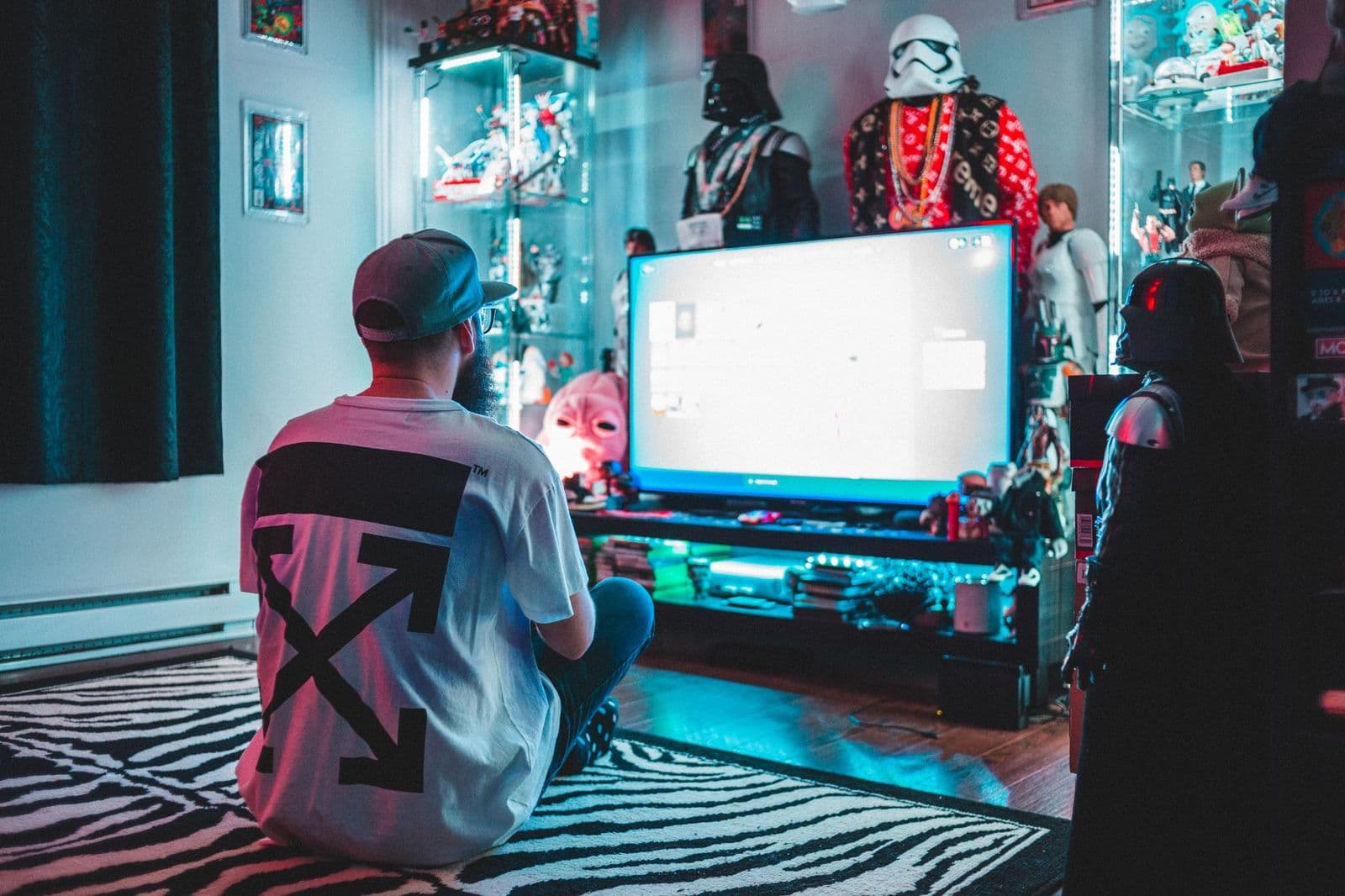
Compare the best 60 inch led tvs by panel type, brightness, gaming features, and smart platform, with clear guidance for movies, sports, and games.
A 60 inch screen fills a medium living room nicely without dominating it, yet two TVs of the same size can look completely different once the lights go down. Panel type, backlight control, and brightness separate the satisfying sets from the disappointing ones far more than brand badges do. This guide to the best 60 inch led tvs explains each difference in plain terms.
You will find the three buying paths most households follow, a detailed guide to panels, HDR, gaming features, and smart platforms, and practical care advice.
Our Top 3 Paths at a Glance
Best Overall Path
The overall path is a 4K LED set with a VA panel, full array local dimming, and support for both common HDR formats, usually around $600 to $900 at this size. It suits mixed households that watch movies at night, sports on weekends, and news in bright rooms. Picture quality stays strong across all of it, and gaming support at 120 Hz is now common here. The limitation is viewing angle, because VA panels lose contrast when you sit far to the side.
Best Value Path
The value path, often around $400 to $600, keeps 4K resolution and a capable smart platform while simplifying the backlight and dropping premium gaming extras. It fits bedrooms, first apartments, and anyone upgrading from a much older set, because the step up in clarity and brightness still feels large. What you give up is black level in dark scenes and motion polish for fast sports. For daytime and casual viewing, many households never notice either compromise.
Best for Beginners Path
First time smart TV buyers should favor a simple, fast platform with a clear home screen and a remote that has few, well labeled buttons. At this size that usually means a mid priced set from a maker with a reputation for painless setup and regular software updates. Voice search helps beginners find shows across services without typing. Avoid paying for advanced calibration features you will never open, and put the savings toward a soundbar, because thin TV speakers are the weakest part of nearly every modern set.
How to Choose a 60 Inch LED TV: Buying Guide
Panel Technology
Most LED TVs use either VA or IPS panels. VA panels deliver deep blacks and high contrast, which movies reward, but their picture fades at wide angles. IPS panels hold color from the side, suiting wide seating, but their blacks look gray in dark rooms. Mini LED is a backlight upgrade rather than a panel type, using hundreds of small dimming zones for better contrast and brightness. Shoppers comparing adjacent sizes should also scan the guide to the best 55 inch led tvs to see how features shift a step down.
HDR and Brightness
HDR makes bright highlights and shadow detail visible at the same time, and it needs real brightness to work. Look for peak brightness around 600 nits or higher for a convincing HDR effect in a typical room, and prefer sets that support Dolby Vision alongside the basic HDR10 format, since streaming services use both. Local dimming quality matters as much as the nits figure, because poor dimming creates halos around bright objects on dark backgrounds.
Resolution and Screen Size
At 60 inches, 4K resolution is the sensible standard, giving a sharp picture at normal seating distances of about 6 to 9 feet. Sitting closer reveals the benefit fully, while from beyond about 10 feet an older 1080p set can still look acceptable, which is worth knowing before you replace one. Screen size is measured diagonally, and the actual TV body spans roughly 53 inches wide, so measure your stand or wall space, including a few inches of clearance for ventilation. Households weighing a step up can compare with the guide to the best 65 inch led tvs before committing.
Refresh Rate and Response Time
A native 120 Hz panel shows sports and games more smoothly than the common 60 Hz panel, and motion interpolation settings can help or hurt depending on content. For movies, turn motion smoothing off to avoid the artificial look it adds to film. Response time on modern LED sets is low enough that blur rarely comes from the panel itself. Gamers on current consoles should confirm the set truly accepts a 120 Hz signal over HDMI rather than only advertising motion processing numbers.
Adaptive Sync and Gaming Features
Serious console and PC players should require HDMI 2.1 ports, variable refresh rate, and auto low latency mode, which switches the TV into its fastest settings when a game starts. Variable refresh rate, through standards such as FreeSync or the HDMI forum version, stops screen tearing when frame rates dip. Input lag under about 10 milliseconds in game mode feels responsive for all but the most competitive players. One HDMI 2.1 port is workable, but two or more saves constant cable swapping.
Smart Platform and Sound
Google TV, Roku, and webOS all carry the major streaming apps, so choose based on the interface you find easiest and whether the maker updates it for years. A platform that slows down after a year of updates is a common frustration, so favor sets with capable processors. Built in sound is the weak point everywhere, with small downward firing speakers, so plan a soundbar budget. Buyers who mainly want streaming simplicity may prefer the dedicated guide to the best 60 inch smart tvs for platform focused advice.
Types of 60 Inch TVs
OLED Displays
OLED is a different technology from LED, with each pixel making its own light, giving perfect blacks and superb viewing angles. It suits dark room movie lovers and looks stunning with HDR. The trade offs are higher prices, lower peak brightness than top LED sets, and a small risk of image retention with static content left on screen for many hours. OLED also rarely comes in exactly 60 inches, so sizes nearby are the usual choices.
Productivity and Ultrawide Displays
Ultrawide monitors serve desk work with documents side by side, but they are the wrong tool as a main living room screen. Their shape leaves black bars on normal TV content and their sizes top out far below 60 inches of TV area. If your goal is a shared screen for movies, sports, and games, a standard widescreen TV wins easily. Keep desk displays at the desk and let the TV do the job it was shaped for.
Gaming Displays
Gaming focused TVs combine 120 Hz panels, HDMI 2.1, variable refresh rate, and low input lag. They suit console players who split time between fast shooters and story games, plus PC players with a capable graphics card. The premium over a standard set is modest now, which makes this the smart default if games are even half your viewing. Readers building a dedicated setup can cross check resolution focused options in the guide to the best 60 inch 4k tvs.
Budget Displays
Budget LED sets under about $450 still deliver 4K clarity, the main streaming apps, and perfectly watchable daytime pictures. They cut backlight control, peak brightness, and gaming features first. They fit spare rooms, student housing, and anyone replacing a failed set quickly. The main risk is a slow smart platform, so if a budget set feels sluggish in the store menu, plan to add an inexpensive streaming stick later.
How to Make Your 60 Inch LED TV Last Longer
- Calibrate picture settings once, and turn off the vivid or store mode, which overdrives brightness and ages the panel faster at home.
- Clean the screen with a dry or barely damp microfiber cloth only, never paper towels or window cleaner, which damage coatings.
- Use quality HDMI 2.1 cables for 4K at 120 Hz, because marginal cables cause dropouts that owners often blame on the TV.
- Keep vents clear and avoid mounting above a working fireplace, since sustained heat shortens the life of backlights and electronics.
- Use a surge protector, because a single storm surge is a common and preventable way for a healthy TV to die early.
History minded shoppers who enjoy context can browse our retrospective on the best tvs of all time to see how far mainstream picture quality has come.
60 Inch LED TVs: Your Questions Answered
How long do 60 inch LED TVs last?
A quality LED TV typically serves about 7 to 10 years of regular use, and the panel itself often lasts longer than the smart platform stays fast. Backlights slowly dim over the years, which you can offset slightly by raising brightness settings. The practical end of life usually arrives when apps stop updating or an HDMI standard changes. A streaming stick can extend a dimming but healthy set by several years for very little money.
IPS vs OLED: which is better for a living room?
Neither wins everywhere, because they solve different problems. IPS holds color at wide seating angles but shows grayish blacks at night, while OLED gives perfect blacks and wide angles at a higher price with more care needed around static images. For a bright room with a wide sofa, a good VA or IPS LED set is often the practical choice. For a dark movie room, OLED justifies its price in a single evening of viewing.
Does refresh rate matter for non gamers?
Yes, modestly, mainly for sports. A native 120 Hz panel shows fast pans across a field or court with less judder, and it displays film at its natural cadence without extra processing. For news, dramas, and casual streaming, a good 60 Hz panel looks perfectly fine, so refresh rate should not outrank panel quality or brightness in your budget. Spend on the backlight first, then on refresh rate, and avoid judging by the inflated motion numbers printed on boxes.
What size TV should I get for my room?
For a 60 inch 4K set, a seating distance of about 6 to 9 feet fills your view nicely without forcing head movement. Measure the wall or stand as well, since the set is roughly 53 inches wide and needs ventilation space. If your sofa sits beyond about 10 feet and the wall allows it, stepping up a size usually pleases more than stepping up a feature tier. When in doubt, tape the screen size on the wall and live with it for a day.
Is 4K worth it on a 60 inch TV?
Yes, at this size and normal seating distances 4K detail is clearly visible in nature scenes, sports graphics, and game worlds, and nearly all streaming and broadcast upgrades now target 4K HDR. The HDR part of the signal often improves the picture more than the resolution itself, so pair 4K with decent brightness and local dimming. Older 1080p content still looks good upscaled on a quality set, so your existing library is not wasted by the upgrade.
Our Verdict
Put panel type and backlight control first, brightness and HDR format support second, and gaming ports third if you play. Value sets satisfy bright rooms and casual viewing, mid priced sets with local dimming satisfy almost everyone. Choose with those priorities and the best 60 inch led tvs will make movies, matches, and game nights look better for years, without paying for features your household will never open.


