Best 55 Inch LED TVs: Types Side by Side Guide 2026
Disclosure: We may earn a commission when you buy through links on this page, at no extra cost to you. As an Amazon Associate I earn from qualifying purchases. Learn more

Compare 55 inch led tvs by backlight type, brightness, viewing angle and dimming to match your room and seating.
A 55 inch screen is a living room staple, yet best 55 inch led tvs still confuse buyers because LED covers several different designs. Backlight type, panel structure, and dimming control all change how the same size screen looks in your room. This guide compares types side by side in plain terms.
The comparison table below lays out the main LED types on brightness, contrast, and viewing angle. Later sections explain each type, map types to rooms and seating, and cover sound and setup. No prior knowledge is assumed, and your room decides the winner.



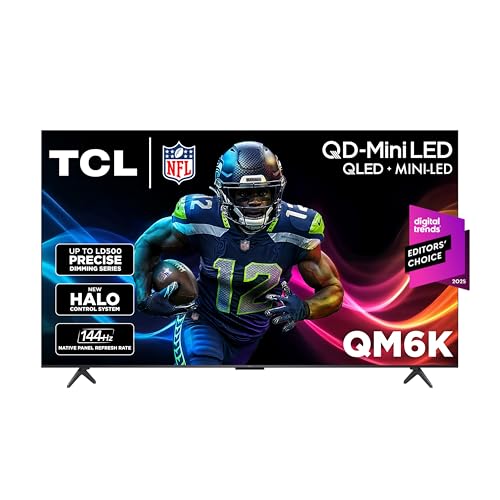

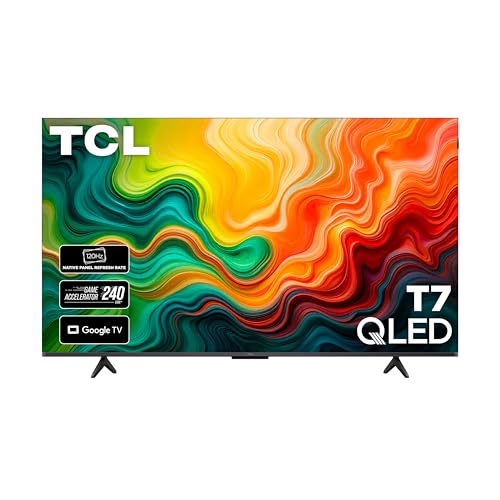
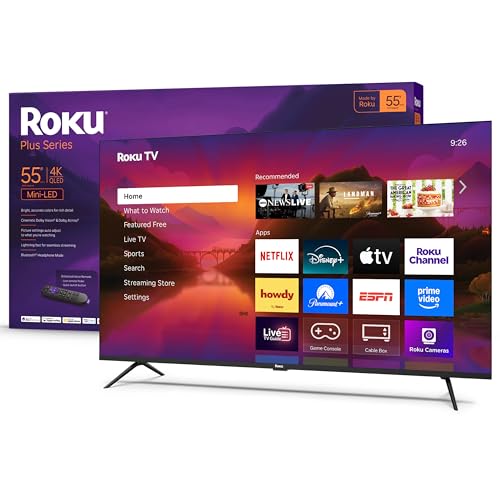

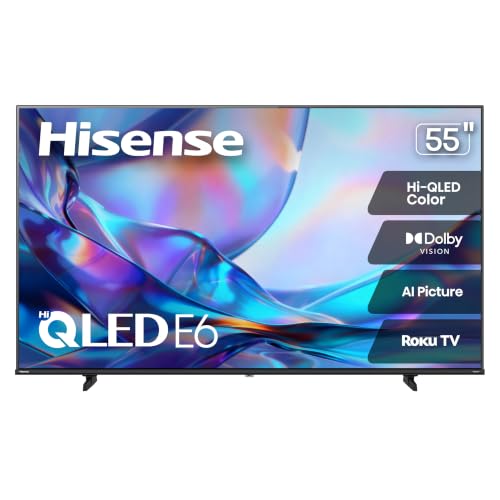
LED Types Explained
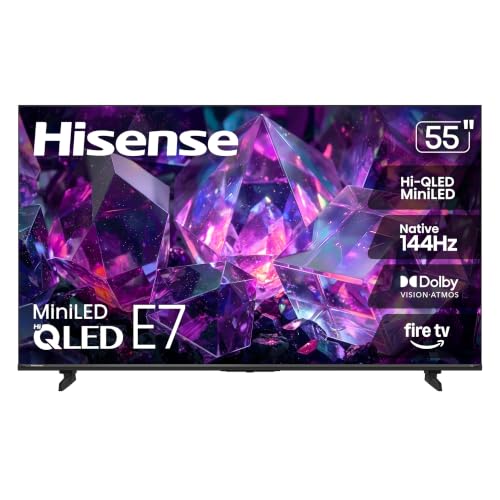
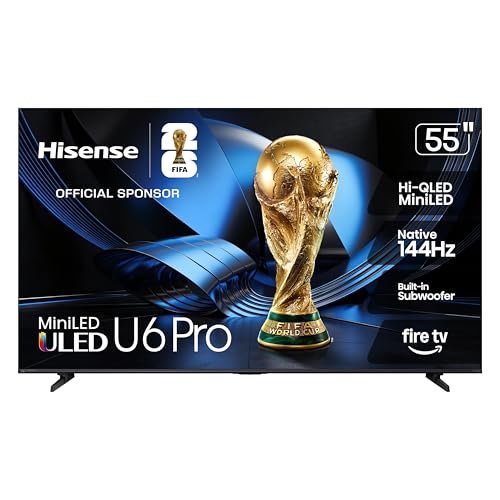
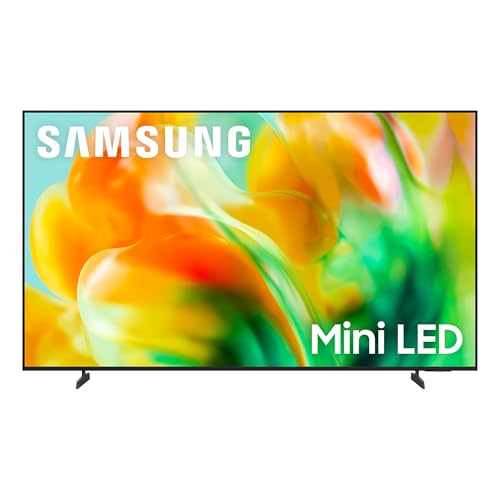
LED TVs use an LCD panel lit by LEDs, and the backlight design is the key difference. Edge lit models place LEDs around the edge and can be very thin, but may show uneven corners. Direct lit models place LEDs behind the panel for more even light, while full array models add local dimming zones for better dark scenes. Readers comparing related options may also find the guide to best 55 inch tvs useful, because it covers a closely related size or type.
Panel structure also matters. Some panels favor contrast head on but lose color from the side, while others hold color across a wide arc but offer lower native contrast. Your seating layout should decide which trade off you accept, because it affects every viewer.
Who Should Buy Which 55 Inch LED TVs
Bright room buyers should favor a bright direct or full array screen with good glare control. Evening film buyers should favor better dimming and contrast, even if peak brightness is lower. Mixed households need a balance, with enough brightness for day and enough dimming for night. For a neighboring choice in the same family, the guide to best 55 inch smart tvs adds useful context on fit and features.
Wide seating layouts need a wide angle panel, while a single central viewer can accept a narrower panel with stronger head on contrast. Gamers should add low lag and port support, but panel type still sets the base picture quality for all content.
Brightness and Dimming Compared
Brightness helps daylight viewing and sports, while dimming helps dark films by controlling backlight zones. More zones usually mean finer control, but processing quality matters as much as zone count. A well controlled screen with fewer zones can beat a poorly controlled screen with many. If that trait matters to you, the guide to best 55 inch oled tvs explores a related option in more detail.
Test both traits with familiar content. Watch a bright sports broadcast in daylight and a dark film scene at night, and note which screen handles both better. A screen that excels at only one time of day may frustrate mixed use households.
Viewing Angle and Seating
Viewing angle is easy to test and hard to fix after purchase. Sit in the farthest side seat and check whether color and contrast hold up, because guests and family members rarely sit dead center. A wide angle panel is worth paying for in a wide room. A related guide, best 55 inch tvs for gaming, covers a similar product from a different angle that may suit your room better.
Seating distance for a 55 inch screen is usually eight to eleven feet for comfortable viewing. Closer seating reveals flaws and can feel overwhelming, while farther seating reduces detail. Measure your main seat and side seats before you choose a type.
Smart Features and Sound
Smart speed, app availability, and remote simplicity matter daily. A laggy menu annoys more than a missing niche feature, and a streaming stick can rescue a slow system cheaply. Check your apps before you buy, not after the screen is mounted.
Sound planning belongs in the budget. Thin LED screens rarely sound full, so a soundbar improves dialogue and film weight. Check audio output options, especially if you already own a bar, receiver, or headphones for late night viewing.
Setup for LED Screens
Start with a cinema or movie mode, then adjust brightness for day and night separately if possible. Turn off heavy motion smoothing for films, and test dark and bright content before finalising settings. Small changes often improve a new screen more than a price step.
Update software, label inputs, and connect devices to the best ports. Use a wired network connection if streaming stutters, and keep packaging until you have tested the screen for several days in your own light.
Mistakes to Avoid
A common mistake is choosing LED type on thinness alone. An ultra thin edge lit screen may look elegant but show uneven light in dark scenes. Another mistake is ignoring side seats, which suffer most on narrow angle panels.
Do not judge a screen only under shop lights, where vivid modes hide weak contrast. Test at home with your usual content, in daylight and at night, and use the return window if the type does not suit your room.
Frequently Asked Questions
What LED type is best for a bright room?
A brighter direct or full array LED screen with good glare control usually suits bright rooms best. Edge lit models can be thinner but may show uneven light. Place the screen away from direct sun where possible.
Do more dimming zones always help?
More zones can help dark scenes, but processing quality matters as much as zone count. A well controlled screen with fewer zones can look better than a poorly controlled one with many. Test dark film scenes rather than counting zones.
Is viewing angle important for LED TVs?
Yes, especially for wide seating, because some LED panels lose color quickly from the side. Test from the farthest seat, not just the center. A wide angle panel is worth the cost in a wide room.
Should I choose LED or OLED at 55 inches?
LED suits bright rooms and larger budgets, while OLED suits dark room films with deep blacks and wide angles. Your room light, seating, and budget should decide. Compare both types with your usual content if possible.
Do LED TVs need a soundbar?
Most benefit from one, because thin panels produce thin sound. Dialogue clarity improves most with a bar, and films gain weight. Test built in speakers first, but include sound in the total budget.
Final Thoughts
LED types differ in ways that show up daily, from bright room performance to side seat color. The product table above compares those types side by side, so use it with your room measurements and seating layout. A type matched to your room beats a type chosen on thinness or price alone.
Test at home in daylight and at night, plan sound early, and keep settings simple. With a room led choice, best 55 inch led tvs can anchor a living room for years of varied viewing.