Best 6 Quart Pressure Cookers (2026): How to Choose
Disclosure: We may earn a commission when you buy through links on this page, at no extra cost to you. As an Amazon Associate I earn from qualifying purchases. Learn more

Choosing the best 6 quart pressure cooker? A 6 quart cooker suits families who batch cook soups, beans and roasts.
A pot of bean soup that once took all afternoon can now be ready before homework is done, and that change starts with size. Choosing the best 6 quart pressure cooker is mostly about fit. It has to suit your household count, your counter, and the meals you cook most weeks.
You will find a simple way to judge size, type, power, safety, and budget. The comparison table below sums up the main types side by side. If you are still deciding whether this size belongs in your kitchen, our wider guide to the best pressure cooker range covers the other sizes worth a look.
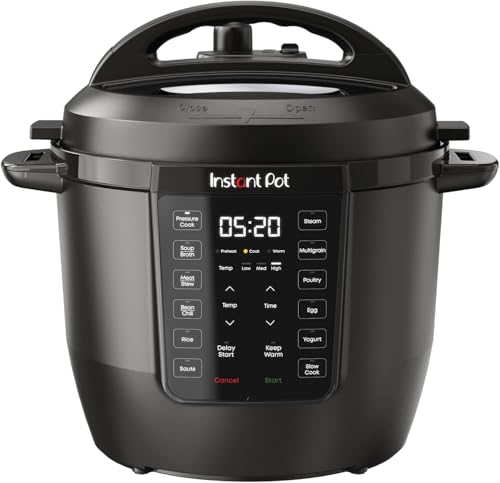


Quick Answer: Three Types That Cover Most Homes
Most shoppers land on one of three types, and the right one depends on your routine more than on any single spec.
- Electric multi cooker type: set a program, walk away, and use it for soup, rice, beans, and yogurt in one pot.
- Stovetop type: you control heat on your burner, it sears hard, and the pot can serve for years.
- Electric type with an air fryer lid: one base does pressure cooking and crisping, which helps when storage room is tight.
Before You Buy: A Quick Checklist for Choosing a Pressure Cooker
Size: Match It to Your Space and Household
Sizes run from a 3 quart mini up to a 10 quart large pot, and the middle sizes suit most homes. A 6 quart pot is usually the point where a whole chicken, a full batch of chili, or a pound of dried beans fits without crowding. Pressure cooking needs headroom, and most makers set a max fill near two thirds of the pot, so the working volume is closer to 4 quarts. Pick this size when you cook for about three to six people or like leftovers.
Which Type Fits Your Routine
Electric models run on their own programs, hold pressure without you watching the stove, and suit busy weeknights. Stovetop models heat fast, sear well, and give you direct control, and our guide to the best stovetop pressure cooker choices explains that route in depth. Multi function electric models add slow cooking and yogurt making, which helps if one pot must do several jobs. Smart models with app control add cost, and most cooks rarely open the app after the first month.
Features Worth Paying For and Ones to Skip
Pay for a stainless steel insert if you sear often and want a pot that resists stains and can go in the dishwasher, a point our guide to the best stainless steel pressure cooker models covers well. A yogurt function earns its place only if your household eats yogurt weekly. A sous vide function and an air fryer lid are worth it only when you will use them each month. Skip extra preset counts, since most cooks use manual pressure, browning, and slow cook almost every time.
Wattage, Power, and Energy Use
Most electric 6 quart models draw about 900 to 1100 watts while they heat, then cycle on and off to hold pressure. That is less power than a full size oven heating for the same soup or stew, and the shorter cook time lowers total energy use further. Stovetop models draw no electricity, and their cost depends on your burner type. Check that your circuit can share the load if a kettle or microwave runs at the same time.
Safety Features and Certifications
Look for a lid that locks before pressure builds and will not open while the pot is still under pressure. A clear pressure indicator, a steam release that points away from your hands, and a backup valve are all worth having. In the United States, look for a UL or ETL listing on the label, since that shows the model met an independent safety standard. Keep children away from the steam path during release, and never force a lid that resists opening.
Counter Space and Dimensions
A 6 quart electric model takes roughly the footprint of a large stand mixer, about 12 to 14 inches wide with the handles. Measure the shelf or cabinet where it will live, since a pot that stays out gets used far more than one in a closet. Leave a few inches of clear space around the steam vent while the pot runs.
Realistic Budget Ranges
Basic stovetop and simple electric models sit under $100 and cover soup, beans, and rice with few extras. The broad middle, about $100 to $150, adds a stainless steel insert, clearer controls, and more programs. Spending about $150 to $200 usually buys an air fryer lid or app control rather than faster cooking. Under $50, expect small capacity or older designs, so check safety listings and parts support with care.
Three Types of 6 Quart Pressure Cookers Compared
With the checklist in mind, here is how the three main types differ in daily use, care, and cost. The gap between them shows up in how much attention each one asks from you.
Electric Multi Cooker Type for Busy Weeknights
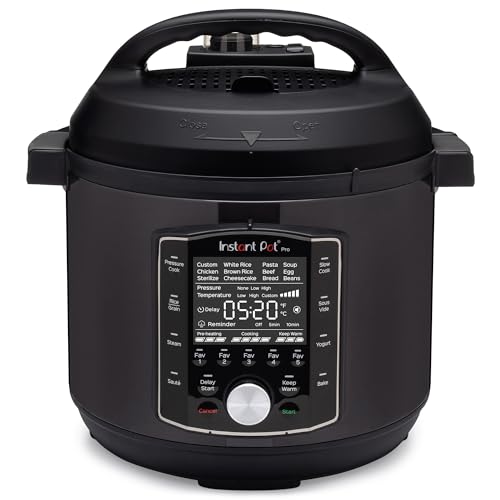
This type is the default for many homes, and it is the best 6 quart pressure cooker format for cooks who want dinner to run itself. You add food, pick a program, and the pot builds and holds pressure on its own, then keeps the meal warm. It replaces a slow cooker and a rice cooker for many families, which saves storage room. The trade off is a control panel and cord to care for, plus a wider body.
Stovetop Type for Control and Long Service
A stovetop pot is a heavy pot with a locking lid and a pressure valve, and you manage the heat yourself. It sears meat hard, comes to pressure fast on a strong burner, and has no electronics to fail. Many owners keep one for decades, changing only the sealing ring now and then. The cost is attention, since you stay nearby to adjust heat during the first runs.
Electric Type with an Air Fryer Lid for Small Kitchens
This type swaps a second lid onto the same base so food can crisp after pressure cooking, which suits wings, potatoes, and reheated leftovers. It saves the space a separate air fryer would take, a real gain in a small kitchen. Crisping works in smaller batches than a full size air fryer, so large families may cook in two rounds. The extra lid also needs its own storage spot and one more part to wash.
How to Judge a Pressure Cooker Before You Buy
Compare models on usable capacity, cooking speed, control clarity, and cleaning effort. Also weigh steam release noise, safety listings, warranty length, and whether spare parts stay easy to order. The listed details and patterns in buyer reports tell you most of what you need.
Is a 6 Quart Pressure Cooker the Right Size for You?
Choose 6 quart if you cook for three to six people or batch cook on weekends. It holds a whole small chicken, ribs cut in sections, or enough steel cut oats for several breakfasts.
Go smaller if you cook for one or two and rarely freeze leftovers, and go larger if you cook for a crowd. If you are torn between this size and a slow cooker, our explainer on pressure cooker vs slow cooker timing and texture can help you decide. Most owners learn the basics in two or three cooks, and our walkthrough on how to use a pressure cooker covers the first week in plain steps.
Common Buying Mistakes to Avoid
Most regrets come from fit and routine, not from cooking power.
- Buying by outer size alone, since the fill limit means a pot that looks big may cook less than planned.
- Ignoring where the pot will live, so it ends up stored far from the kitchen and rarely used.
- Paying for an air fryer lid or app control you will not use, which adds cost and parts without improving weekly meals.
- Skipping the safety listing check, since an unlisted model gives no independent proof that its lid and valves met a standard.
- Forgetting spare part costs, so a worn ring or stained insert becomes a surprise bill later on.
Cost of Ownership and Care
Running costs stay low, since an electric model uses power mainly while it heats. Sealing rings are the main wear part and cost about $10 to $20, and a spare inner pot runs about $25 to $40. Budget for a new ring each year or two if you cook often.
Care is simple. Wash the inner pot and lid after each use, wipe the rim and the outside dry, and store the pot with the lid upside down so odors fade and the ring rests. Our step by step guide on how to clean a pressure cooker covers the valve and rim in detail. Keep the cord dry and unplugged in storage, and check steam parts for food bits before each use.
Your Questions, Answered
What makes a pressure cooker brand reliable over time?
Reliability shows in parts support more than in launch features. A brand that still sells rings, lids, and pots for older models protects your purchase years later. Clear warranty terms and manuals that stay online also count. In owner reports, look for patterns about lid sensors and error codes, since those small parts fail more often than the pot itself.
How do you clean a 6 quart pressure cooker after cooking beans or curry?
Wash the pot and lid in warm soapy water once the pot is cool and fully depressurized. For strong odors, steam water with a splash of vinegar for a few minutes, then air the ring on the counter. Check the rim channel where the lid sits, since bean foam and curry sauce collect there and cause smells later. Dry all parts before storage to avoid a musty taste in the next meal.
Is a 6 quart pressure cooker worth it for a small household?
Yes, if you eat leftovers or freeze portions on purpose. One full batch of soup or beans can cover two or three meals, which saves time on busy nights. It also frees the oven during holidays, when counter appliances carry side dishes while the main dish roasts. It is less worth it if you cook single servings fresh each night, since a smaller pot would heat faster and store easier.
How long does a 6 quart pressure cooker last with regular use?
A stovetop pot body can last for decades, while an electric model often serves about five to ten years before its panel or sensors wear out. Watch for steam leaking from the lid edge after a new ring is fitted, a warped lid, or error codes that keep returning. Those signs call for service or replacement rather than more force on the lid. Stop using a pot with a damaged lid or valve until a repair shop checks it.
What size pressure cooker do I need for cooking for two people?
For two people, a 6 quart pot still works well if you cook grains or beans in bulk, and you can cook smaller amounts with the pot in pot method using a heat safe bowl on a trivet. If most meals are single pot dinners for tonight only, a 3 quart model fits better and takes less storage room. Match the size to your leftover habits first.
Which type of 6 quart pressure cooker suits most homes?
For most homes, the electric multi cooker type suits best, since it needs no stove watching and covers soup, rice, and slow cooking in one base. Before you order, measure the height with the lid fully open under your upper cabinets, a check many shoppers skip. If that open lid will not clear the cabinet, a stovetop pot or a model with a lid that rests on the counter may fit better.
Final Thoughts
Look back at the product table above and match the type to your household, your storage spot, and the meals you cook most. For most readers, the best 6 quart pressure cooker is simply the one that fits the counter, holds your usual batch, and has parts you can reorder in a few years. Pick that type, start with soup or beans, and let the pot earn its place.