Best 3 Quart Pressure Cookers (2026): Electric, Stovetop and Multi Cooker Formats
Disclosure: We may earn a commission when you buy through links on this page, at no extra cost to you. As an Amazon Associate I earn from qualifying purchases. Learn more
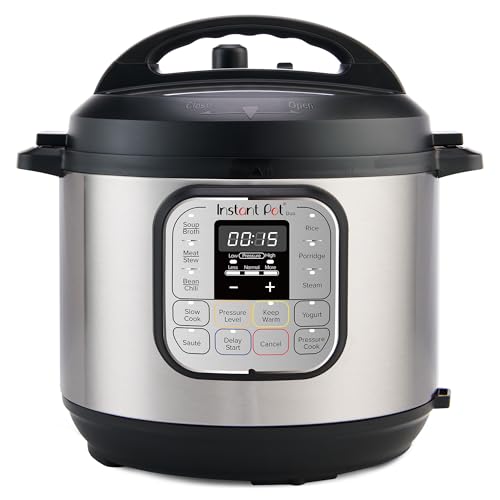
The best 3 quart pressure cooker for one or two people: electric, stovetop and multi cooker formats compared.
A small kitchen on a weeknight tells you the truth about cookware. There is one stretch of counter free, dinner needs to serve one or two people, and nobody wants a sink full of pots afterward. That is exactly where the best 3 quart pressure cooker earns its place, since it cooks a real meal without taking over the room. This guide helps you choose by the space you have, the number of people you feed, and the budget you can defend.
The pages below focus on fit rather than the longest feature list. You will see how the three formats differ, which features matter at this size, and what owning one costs. Start with the comparison table below, then use the checklist to match a format to your routine.



Quick Answer: The Three Main Formats in 30 Seconds
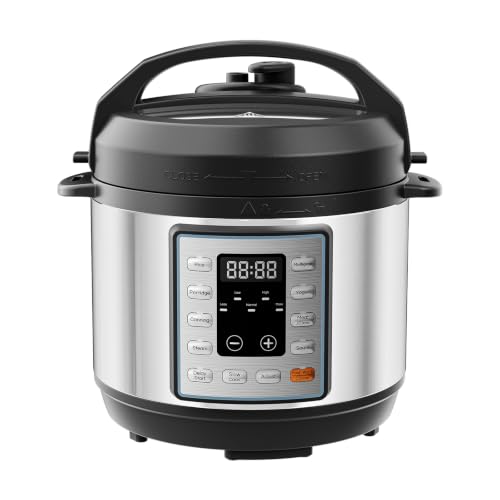
Electric models are the easiest starting point for most homes. You load the pot, choose a program, and the cooker builds and holds pressure on its own while you do something else. They suit renters, new cooks, and anyone who wants steady results with very little watching.
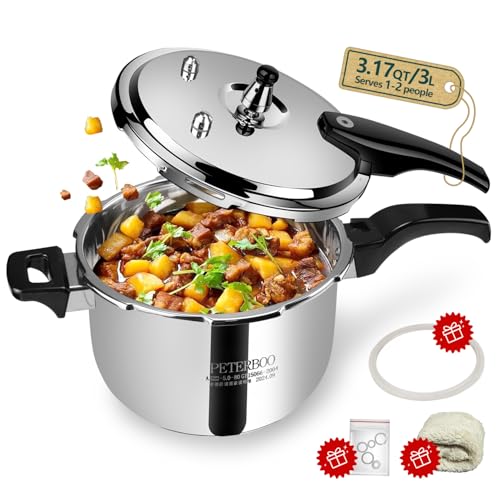
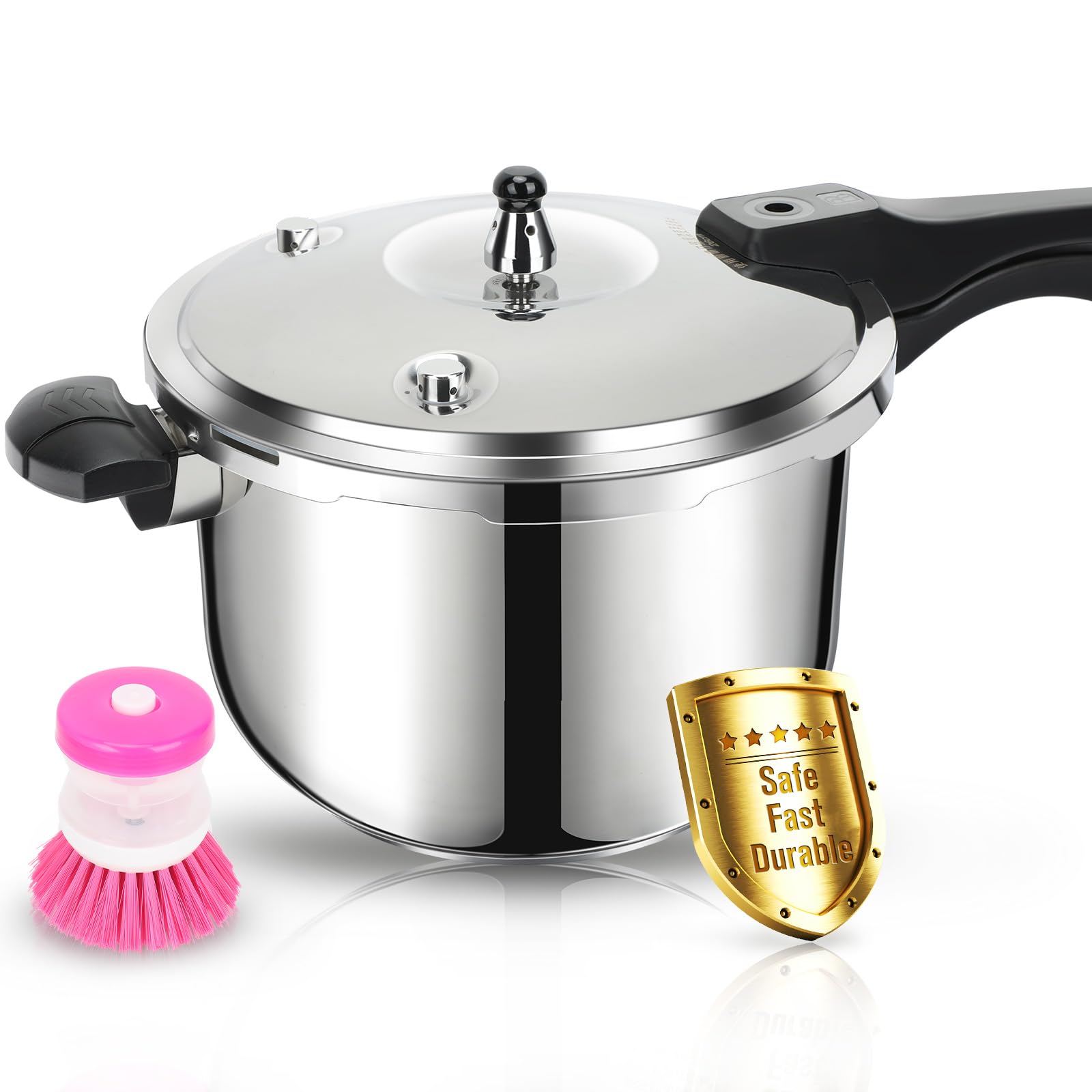
Stovetop models are the smallest to store and give you direct control over heat, but they ask you to stay nearby and adjust the burner. Multi cooker versions add jobs such as slow cooking, rice, and yogurt making, suiting a small home that needs one appliance for several weekly tasks.
Before You Buy: A Quick Checklist for Choosing a Pressure Cooker
Small details decide whether yours gets used daily or gathers dust. Work through the points below before comparing prices, and note your counter depth, cupboard height, and the meals you cook most often.
Size: Match It to Your Space
Three quarts is the total pot volume, not the amount of food you can cook at once. Pressure cookers need headroom for steam, so the usable amount is lower, often around two quarts for liquids and less for foods that foam. That still covers soup for two, a small batch of rice, or a side dish for four. If you cook a main dish for a crowd, step up in size instead of overfilling a small pot.
Which Type Fits Your Routine
Electric models fit a routine built around convenience, since timing, pressure level, and keep warm settings run without your attention. Stovetop models fit cooks who prefer simple parts that store in a cupboard. Multi cookers fit households that will actually use the extra programs each week. If you only want fast soups and stews, a plain model is easier to learn and cheaper to replace.
Features Worth Paying For and Ones to Skip
Pay for a stainless steel insert if you sear often, since it browns well and scrubs clean without a coating to protect. A clear pressure indicator, a simple release valve, and a spare gasket in the box also earn their cost. Skip a sous vide function and an air fryer lid at this size, since both add bulk and price while the small pot limits how much food they can handle well.
Wattage, Power and Energy Use
Electric models list their wattage on the rating label, and small ones draw less than a full size oven heating the whole kitchen. Cooking time under pressure is short, so total energy use for beans or stew stays modest. Stovetop models use your burner instead, and the right burner size wastes less heat. Check that your circuit can share the load if a kettle or microwave runs on the same line.
Safety Features and Certifications
Look for a locking lid that will not open while pressure remains inside, a release valve you can turn without putting your hand over the steam path, and a listing mark such as UL or ETL from a recognized safety listing body. If steam ever leaks steadily around the rim, stop the cook, let the pressure fall on its own, and contact the maker before using it again.
Counter Space and Dimensions
Measure the footprint with the lid open, not just closed, since electric lids need clearance under upper cabinets. Steam needs a safe path too, so the cooker should sit away from cabinet faces and curtains while it releases. Stovetop models win on storage because the pot can nest inside a cupboard. Apartment dwellers often find that storage size matters more than the cooking specs.
Realistic Budget Ranges
Basic stovetop models and simple electric ones often land at about $50 to $80, and that tier covers everyday soups, grains, and stews well. Expect about $80 to $120 for a stainless steel insert, clearer controls, and a better range of programs. Paying about $120 to $180 mainly buys extra functions, sturdier parts, and longer warranty cover. Beyond that, spend the difference on a spare gasket and a good trivet instead.
Three Types Compared: Choosing Your 3 Quart Format
This guide covers the same ground as our guide to the best pressure cooker, but narrowed to the size that suits small homes. The three formats below cover the same buying factors in different ways, so choose by routine first and features second.
Electric Models for Hands Off Weeknight Cooking
Electric 3 quart cookers suit one or two person homes and anyone who wants dinner started before other tasks. Programs handle the pressure level and timing, and the pot switches to keep warm if you are delayed. The trade off is size, since the housing and lid make the unit larger than its cooking volume suggests. They also depend on electronic controls, so keep the panel and cord dry and undamaged.
Stovetop Models for Compact Storage and Direct Control
A stovetop model is simply a strong pot with a locking lid, which makes it the easiest type to store and the longest lasting when parts stay available. You control pressure through the burner, so results improve as you learn your own stove. If this format appeals to you, see our guide to the best stovetop pressure cooker for burner details. The cost of that simplicity is attention, since you stay close enough to adjust the heat.
Multi Cooker Models for Small Kitchens With Many Jobs
A 3 quart multi cooker adds slow cooking, rice, steaming, and sometimes yogurt to the same pot, which can retire two other appliances from a tight kitchen. Shoppers who want the pot itself to be the star should read our guide to the best stainless steel pressure cooker, since insert material affects browning and cleaning more than extra programs do. Buy one only when at least three of its jobs match meals you already make each month.
How This Guide Judges 3 Quart Pressure Cookers
Each format above is judged on capacity in real meals, cooking performance on common foods, ease of use, and how simple the pot is to clean. Noise during release, safety design, and warranty length also count, since a small cooker often lives on the counter where you hear it daily. The judgments draw on maker specifications and patterns in verified buyer reports about gasket wear, control failures, and sizing regrets.
Is a 3 Quart Pressure Cooker the Right Size for You?
For one or two people, yes, in most cases. It handles a main dish with modest leftovers and cooks side dishes for a small family meal. It also suits meal prep in small batches, such as eggs, oatmeal, or a few portions of shredded chicken. For that kind of cooking, the best 3 quart pressure cooker is the one that fits your counter and your usual meals.
It is the wrong size as the only cooker for a family of four or five who expect one pot dinners with leftovers. A 6 quart model does the same job without crowding, and crowding matters because an overfull pot foams and cooks unevenly. Some households keep both sizes, using the small one for grains and sides. Readers weighing a slower routine may also want the comparison in pressure cooker vs slow cooker before deciding.
Common Buying Mistakes to Avoid
- Buying by total volume alone: shoppers forget the fill limits, then find the pot too small for the soup they planned.
- Ignoring the open lid height: the cooker fits the counter closed but blocks a cabinet door once the lid lifts.
- Paying for programs you will never run: extra functions raise the price and complicate the panel without changing your weekly meals.
- Skipping the cost of spares: a worn gasket or lost trivet can idle the cooker, so check that parts are sold before you buy.
- Placing the cooker under cabinets for release: repeated steam blasts can damage cabinet finishes over time, so plan a clear spot first.
Cost of Ownership and Care
Running costs stay low, since cooking periods are short, so the bigger costs are replacement parts. Gaskets slowly take on odors and lose their seal, valves collect starch, and inserts eventually show wear from utensils and scrubbing. Budget for a gasket swap when sealing weakens, and keep the small parts in one labeled bag so nothing vanishes into a drawer.
Daily care is simple. Wash the insert and lid parts after use, dry the gasket before storing it, and leave the lid resting open or upside down so trapped smells fade instead of building up. Before your first real meal, work through the steps in how to use a pressure cooker and run a plain water cycle first, which teaches you the sounds, the float valve, and the release while nothing is at stake.
Your Questions, Answered
How do you clean a 3 quart pressure cooker after cooking beans?
Rinse the insert as soon as it cools, since bean starch dries into a film that takes real scrubbing later. Wash the gasket in warm soapy water and smell it before storing, because bean and spice odors linger in the silicone. Wipe the lid underside and clear the valve opening with a soft brush. For stuck residue and odor removal in depth, follow how to clean a pressure cooker.
Is a 3 quart pressure cooker worth it for a small household?
Yes, if you cook grains, soups, or tough cuts at least twice a week, since the time saved over stovetop simmering adds up quickly. It is harder to justify for a household that mostly reheats food or cooks fresh vegetables, which finish fast by other methods. The small footprint also earns counter space more easily than a large model would.
How long does a 3 quart pressure cooker last?
The pot and lid of a stovetop model can serve for many years because there is little to fail beyond the gasket and valve parts. Electric models depend on their controls and sensors, so their useful life is usually shorter. In both types, performance fades gradually rather than all at once. Slow pressure building and new steam leaks are early signs that a part, not the whole cooker, needs attention.
What size pressure cooker does a family of four need?
A family of four cooking one pot dinners should look at a 6 quart model, which holds a whole chicken or a stew with leftovers. The 3 quart size still works in that home as a second pot for rice, vegetables, or eggs. Choosing between the two comes down to the largest meal you cook weekly, not the average one, since a bigger pot can still cook a small batch.
Can a 3 quart pressure cooker handle dried beans without soaking?
Yes, dried beans cook under pressure without an overnight soak, and the small pot suits the one or two cups of dry beans most small households need. Keep the pot no more than half full once water is added, since beans foam as they cook. Add a little oil to reduce that foam, and let the pressure drop naturally for a few minutes before releasing the rest. Unsoaked beans may split more than soaked ones, which matters for salads but not for soups.
Final Thoughts
Start with your household size, then your storage, then your budget, in that order. Electric models suit hands off weeknight cooking, stovetop models suit tight cupboards and long service, and multi cookers suit small kitchens that need one pot to do several jobs. The product table above pulls those choices together so you can compare formats side by side. Pick the best 3 quart pressure cooker for the meals you already cook, and the small pot will pay for its space quickly.