Best 6 Quart Ice Cream Makers (2026): Buying Guide
Disclosure: We may earn a commission when you buy through links on this page, at no extra cost to you. As an Amazon Associate I earn from qualifying purchases. Learn more

Choosing the best 6 quart ice cream maker? A 6 quart machine churns a crowd sized batch in one go.
A summer birthday, a church picnic, or cousins arriving for the weekend can empty a small batch maker before everyone gets a second scoop. If that sounds familiar, a best 6 quart ice cream maker search makes sense, because this size is built for feeding a crowd in one churn. This guide helps you choose by household size, storage space, and budget. Start with the comparison table below, then use the sections that follow to narrow your choice. If you are still weighing sizes, our guide to the best ice cream maker gives useful context on smaller options.
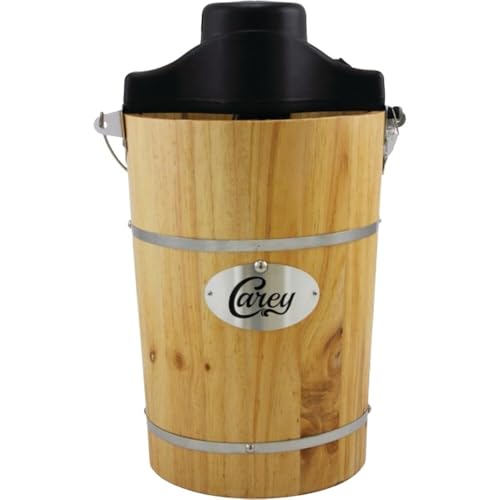
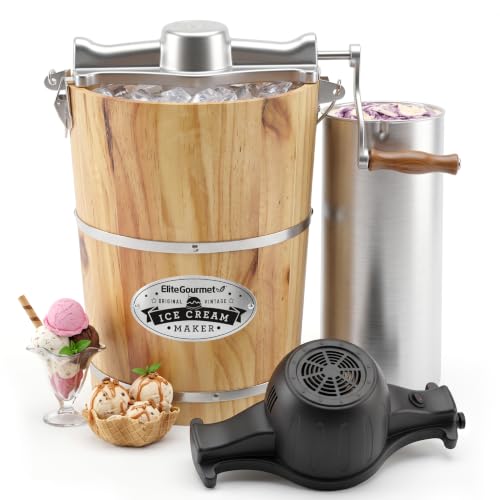
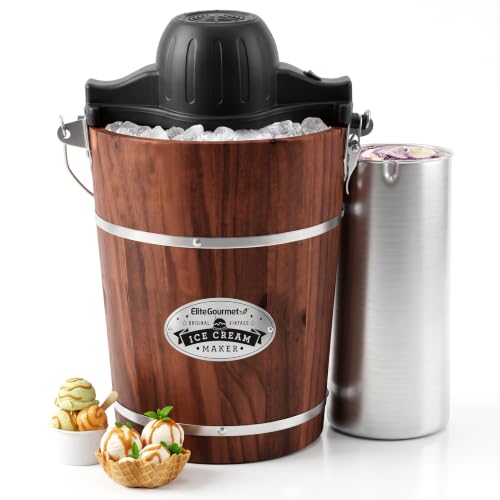
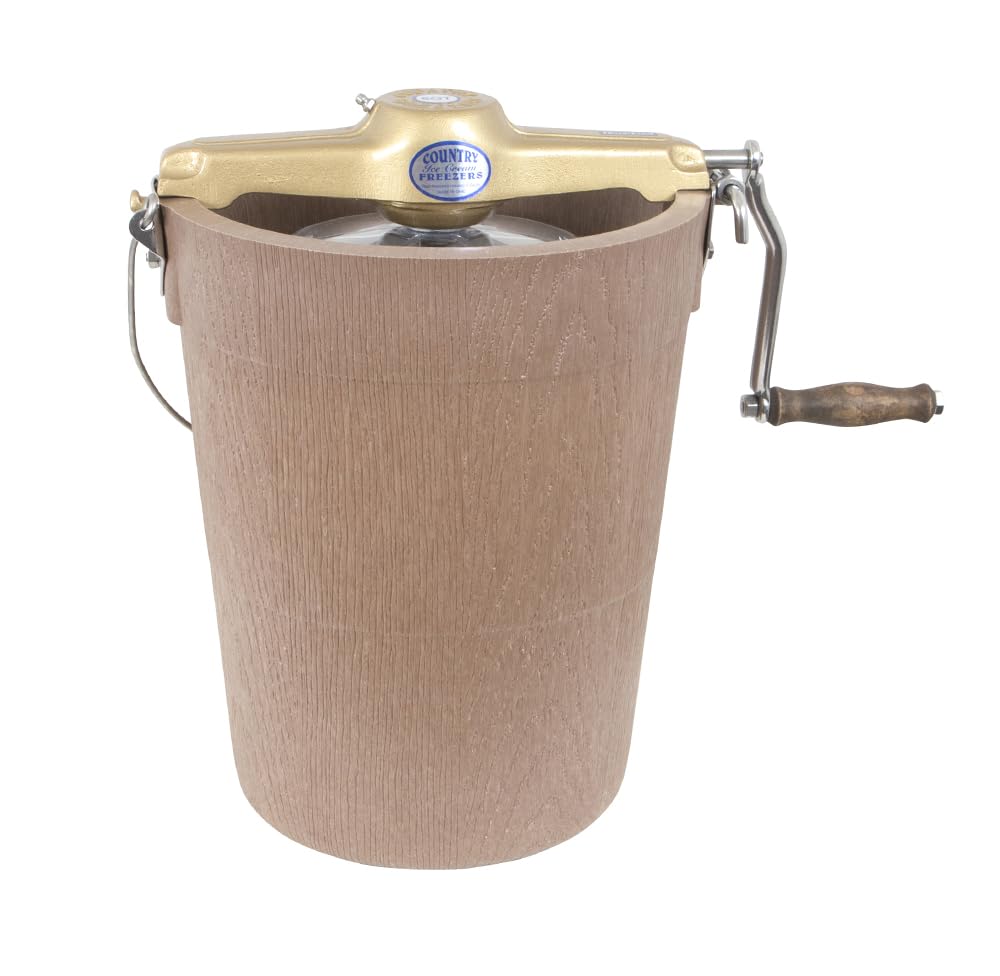
Quick Answer: Types Compared at a Glance
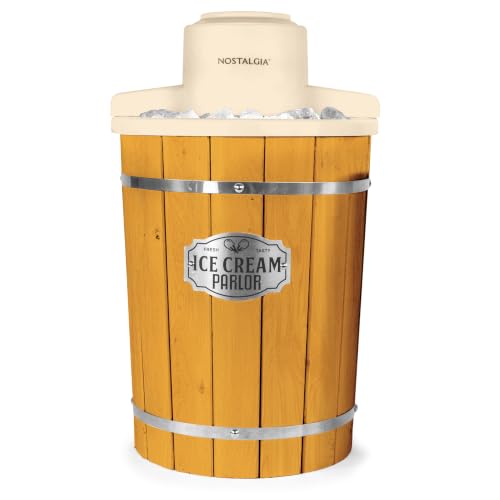
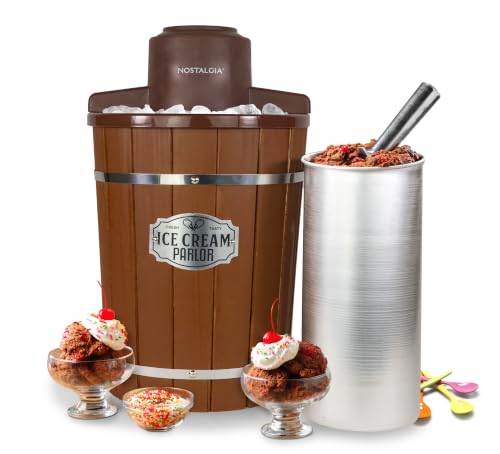
Three broad styles cover most 6 quart machines. Freezer bowl electric models rely on a canister you chill in advance, and they tend to cost less and store in parts. Compressor models chill the mix themselves, so you can run batch after batch without planning a day ahead, but they weigh more and cost more. Ice and salt models, often turned by a motor or a hand crank, suit outdoor gatherings and give a firm texture. Your routine should decide which style fits your home.
Before You Buy: A Quick Checklist for Choosing an Ice Cream Maker
Capacity alone will not tell you whether a machine earns its space. Work through the points below before you compare prices, because a 6 quart unit touches your freezer, your counters, your power outlet, and your cleanup routine all at once.
Size: Match It to Your Space and Your Household
Smaller sizes such as 1.5 quart and 2 quart suit one or two people, while 4 quart models serve a typical family dessert night. A 6 quart batch yields roughly 24 half cup servings before mix ins are added, which suits reunions, team parties, and holiday meals. Remember that you should not fill the canister to the brim, because the mix expands as it freezes and churns. Leave headroom as the manual directs, or the lid can lift and the texture can turn icy at the edges.
Which Type Fits Your Routine
Freezer bowl models need advance planning, since the bowl must freeze solid before churning begins. Compressor models remove that wait and handle back to back batches, which is why our guide to the best compressor ice cream maker is worth reading if you host often. Ice and salt models need bags of ice and rock salt on hand, plus a place for meltwater to drain. Electric motors do the turning for you, while manual cranks ask for steady effort over the full churn.
Wattage, Power and Energy Use
Most home motors in this size draw modest power, and the compressor is the part that uses the most electricity because it runs a small refrigeration system. Energy use still stays low for a single batch, since a churn usually finishes in well under an hour. What matters more is circuit load in an older kitchen, where a compressor unit plus other appliances on one circuit can trip a breaker. Check the rated watts in the manual and give the machine its own outlet space during use.
Safety Features and Certifications
Look for a listing mark from UL or ETL on the label, which shows the electrical design was reviewed by an independent safety organization. A lid that locks before the motor starts keeps curious hands away from the moving dasher, and a motor that stops when the lid opens adds another layer of protection. Stable feet matter too, because a full canister is heavy and can shift on a smooth counter. Keep cords away from meltwater and sink edges, and supervise children whenever the machine is running.
Counter Space and Dimensions
A 6 quart machine is not a compact appliance, so measure before you order. Compressor models are the bulkiest, and they need clearance around vents so warm air can escape during chilling. Freezer bowl models split into parts, but the bowl itself claims a large block of freezer space for a full day before use. Check cabinet height as well, since some units are too tall to slide under upper cabinets. If storage is tight, note the weight too, because you will lift it often.
Realistic Budget Ranges
Under about $100, expect ice and salt or simple freezer bowl designs with basic motors and thinner canisters. Between about $100 and $300, you get sturdier motors, better lids, and parts that feel built for regular use. Above about $300, compressor models dominate, adding built in chilling and batch to batch convenience rather than better flavor on their own. Set aside a little extra for ingredients, storage tubs, and ice and salt if your chosen style needs them. Price alone never guarantees a smoother texture.
Types Compared in Detail: Choosing Among 6 Quart Styles
The Style That Suits Most Homes
For many households, an electric ice and salt model or a large freezer bowl model hits the balance point. You get a full crowd sized batch without paying for a compressor you may use only a few times each summer. These machines store in a closet or garage shelf between events, and replacement parts tend to be simple. The trade off is planning, since you must chill the bowl or stock ice and salt before guests arrive.
The Style That Suits a Tight Budget
If cost matters most, a manual or basic motor driven ice and salt model keeps the purchase price low and the design easy to understand. There are fewer electrical parts to fail, and the canister and dasher are simple to rinse. The trade off is effort and mess, because cranking takes stamina and melting ice needs a bucket or an outdoor spot. This style shines at picnics and porch gatherings, where cleanup outdoors is easy and the activity itself becomes part of the fun for guests.
The Style That Suits Frequent, Long Term Use
If you churn weekly or make several flavors for one event, a compressor model earns its higher price through convenience. You can start a second batch as soon as the first one moves to the freezer, with no bowl to refreeze overnight. That rhythm also helps if you enjoy styles beyond basic ice cream, and readers curious about swirled, soft textures can see our guide to the best soft serve ice cream maker for a related option. The trade off is weight, counter space, and a larger repair bill if the cooling system fails.
How to Judge a 6 Quart Ice Cream Maker Before You Buy
Look at capacity you can actually use, how steady the churn stays under a full load, and how simple the machine is to clean and store. Noise matters in an open plan kitchen, so read owner reports about motor sound. Also check safety listings, warranty length, and whether parts such as dashers and lids are sold separately.
Is a 6 Quart Ice Cream Maker the Right Size for You?
The best 6 quart ice cream maker suits you if you regularly serve eight or more people, run a small gathering place, or like to freeze leftovers for the week ahead. A big batch also suits make ahead cooking for holidays, since ice cream keeps well in sealed tubs. If you mostly cook for two and rarely host, a smaller model will chill faster and waste less freezer room, and our guide to the best ice cream maker for home can help you compare everyday sizes. Be honest about storage, because an unused large machine quickly becomes clutter.
Common Buying Mistakes to Avoid
- Buying 6 quart capacity for a household of two, so most of every batch sits in the freezer and turns stale before it is eaten.
- Skipping the freezer space check, then finding the bowl for a freezer bowl model does not fit beside your stored food.
- Ignoring the drain plan for ice and salt models, so salty meltwater ends up on a wood deck or a kitchen floor.
- Paying for a compressor when you churn only twice a year, so the added cost never turns into saved time.
- Overfilling the canister to stretch a batch, which leaves the mix soft in the middle and can strain the motor.
Cost of Ownership and Care
Ongoing costs are modest but real. Ice and salt models need fresh rock salt and ice for every session, while all styles need storage tubs, a sturdy scoop, and ingredients that cost more per batch at this size. Wash the canister, lid, and dasher in warm soapy water after each use unless the manual limits a part to hand rinsing only, and dry metal parts fully before storage to prevent rust spots. Store the machine with the lid off or ajar so trapped moisture does not cause odors. If you are new to churning, the steps in how to use an ice cream maker will help your first batch go smoothly.
Your Questions, Answered
How do you clean a 6 quart ice cream maker after a sticky batch?
Let frozen residue melt at room temperature instead of chipping at it, which can scratch the canister lining. Soak the lid seal separately, because syrup and cream hide in its groove and can sour between uses. Wipe the motor housing with a damp cloth only, never under running water. Run a quick empty rinse of the drain area on ice and salt models to clear brine. A soft bottle brush reaches the center post area where a sponge often misses.
How long does a 6 quart ice cream maker last?
A cared for electric model often serves for many seasons, and the motor and gears usually wear out before the canister does. Compressor models add a cooling system that can run for years but costs more to repair than a simple motor. Leaving a machine stored in a damp garage shortens its life, since moisture reaches switches and metal fittings. Using the correct load size also helps, because repeated straining on overfilled batches wears the drive parts faster.
What size ice cream maker do I need for a wedding or a big reunion?
Plan on about one cup per guest when ice cream is the main dessert, and about half that when cake or pie is also served. A single 6 quart batch covers roughly 24 modest servings, so an event of 60 guests needs three batches or a second machine. Compressor models handle that pace best because there is no bowl to refreeze. Whatever you choose, churn a day early and hold the finished batches in the coldest part of your freezer.
Can a 6 quart ice cream maker make frozen yogurt, sorbet and gelato?
Yes, most styles churn all three, since the process is the same turning and freezing action. Sorbet has no dairy fat, so it freezes harder and benefits from a short rest on the counter before scooping. Gelato is churned more slowly in dedicated machines, but a home batch still tastes rich if you keep the mix cold and avoid whipping in extra air. Frozen yogurt can turn icy if the yogurt is very lean, so a little cream in the base helps the texture.
Is a 6 quart ice cream maker worth it if I only host a few times a year?
It can be, if you have the storage space and your gatherings are large, because renting or buying many store tubs for each event adds up too. The math turns less friendly if you must also buy a separate freezer just to hold the bowl and finished batches. Borrowing or sharing one machine between nearby relatives is a practical middle path for rare use. For a fuller look at the value question, read is an ice cream maker worth it before you decide.
Final Thoughts
The right choice comes down to how often you host, how much storage you can give up, and how much planning you enjoy. A freezer bowl or ice and salt style keeps costs down for occasional crowds, while a compressor style rewards frequent churning with real convenience. Use the product table above to compare the styles side by side, and measure your freezer and shelves before you order. Pick the best 6 quart ice cream maker for your actual routine, and your first big gathering will end with full bowls and very little stress.