Best 6-Person Inflatable Hot Tubs: Complete Buying Guide

Fitting six people into a backyard spa sounds simple until you start comparing tank sizes, jet counts, and setup requirements. A 6-person inflatable hot tub holds enough water to seat a full group comfortably, but that extra volume changes almost everything about how the tub heats, drains, and holds up over time compared with a two- or four-person model. Bigger tanks take longer to warm, put more strain on liner seams, and need a flatter, sturdier spot in the yard. This guide walks through the water capacity, shape, jet layout, materials, and running costs that actually matter when you're shopping for a tub built to fit a full group, plus the questions people ask most before buying one.

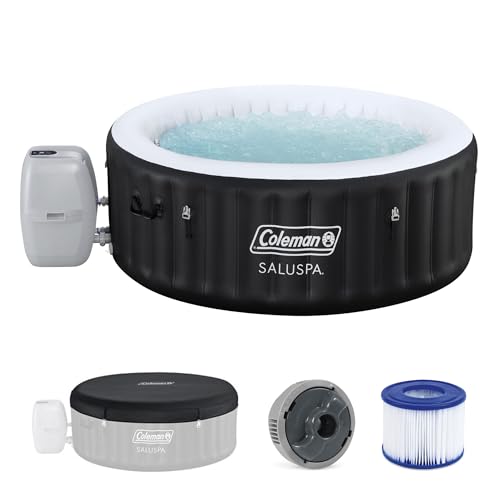
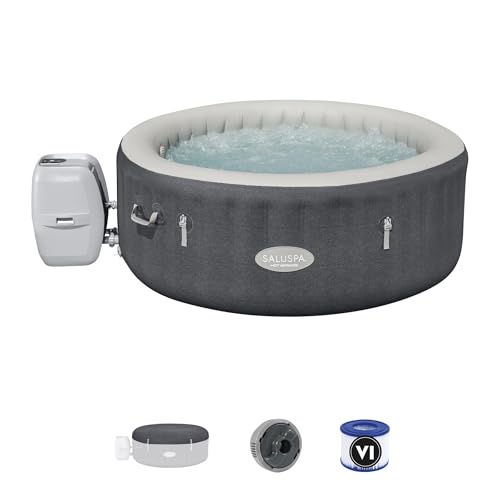
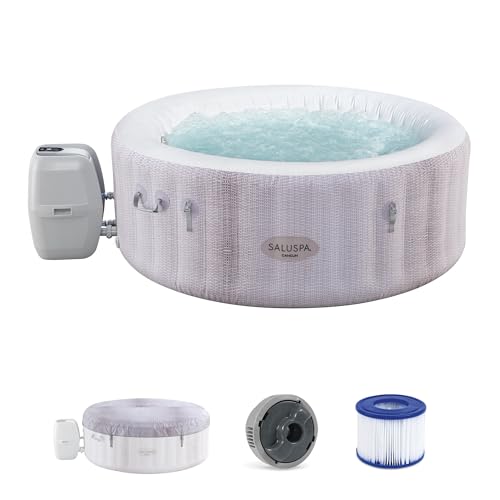
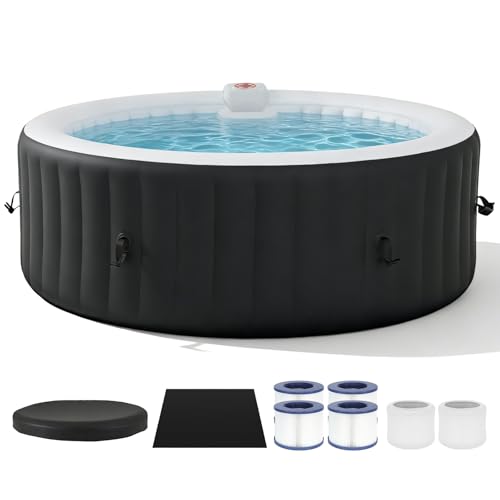
How Much Space and Water a 6-Person Tub Really Needs
A 6-person inflatable hot tub typically holds between 200 and 300 gallons, roughly double what a 2-person model needs. That extra volume translates directly into footprint: most six-person tubs measure somewhere between 71 and 93 inches across once inflated, and you'll want another foot or two of clearance on every side so the insulated cover can open fully and so bathers have room to step in without brushing against a fence or planter.
Weight matters more than most buyers expect. A full tub can push past 2,000 pounds once you add six adults, which means the surface underneath needs to be flat and load-bearing. Good options include:
- A reinforced deck rated for concentrated point loads
- A poured concrete or paver patio
- A compacted gravel or sand pad built specifically for the tub
Uneven ground within even an inch across the diameter can cause the floor to bulge or the walls to stress unevenly over time. If your yard is tight on flat, dedicated space, a smaller alternative like a foot spa machine is worth a look for day-to-day relaxation without committing a large footprint to a full-size spa.
Round or Square: Choosing the Right Shape for a Group of Six
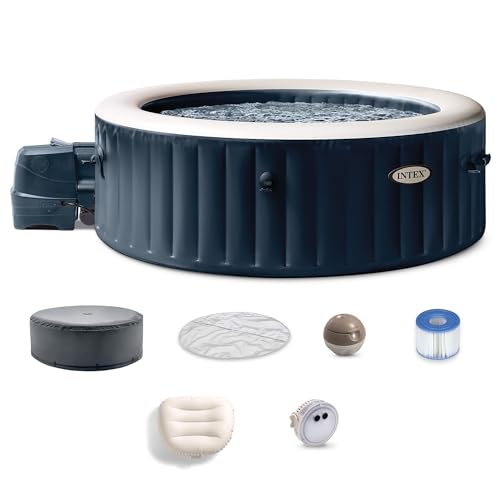
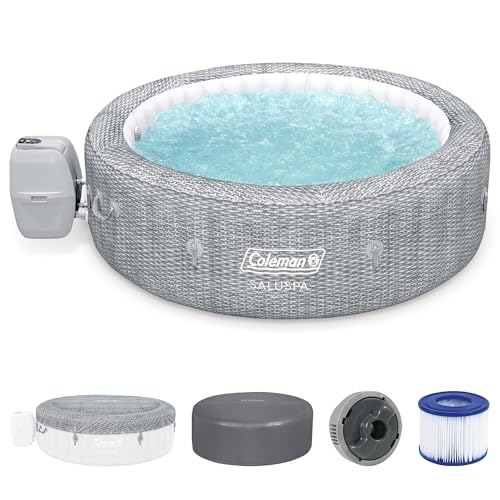
Round tubs distribute water pressure evenly across the walls, which generally makes them cheaper to build and less prone to seam stress. The tradeoff is wasted center space. With six adults seated around the perimeter, a round tub leaves a wide gap of unused water in the middle that doesn't add any real seating.
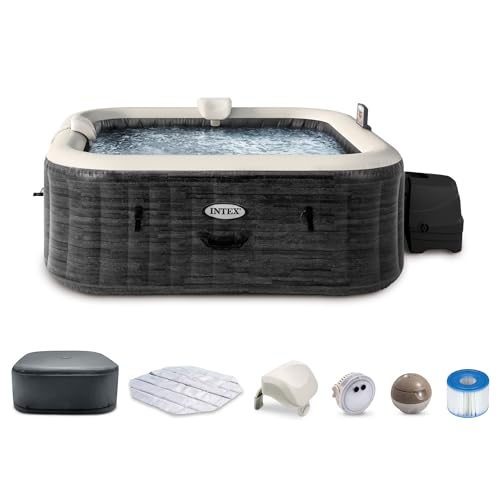
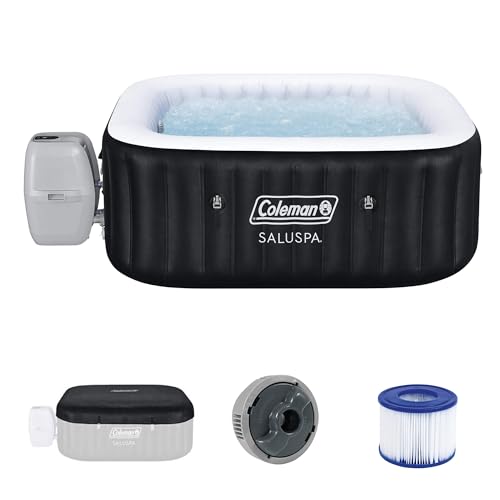
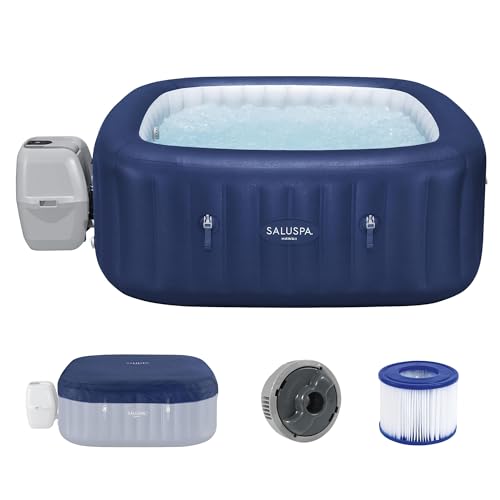
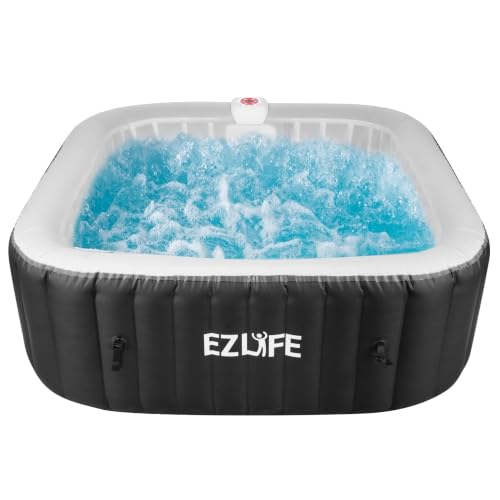
Square and rectangular tubs use that same footprint more efficiently. Corners add usable bench length, so a square 6-person inflatable hot tub can seat the same number of people with noticeably more elbow and leg room than a round one of similar overall size, and it makes face-to-face conversation easier for a group. The catch is that corners concentrate stress, so look for models with reinforced corner bracing or I-beam construction rather than a simple folded seam. If you're still comparing specific shapes and layouts side by side, our roundup of top-rated inflatable hot tub models breaks down several options worth cross-checking against your yard's dimensions.
Jet Count and Placement That Matter When You're Not Alone
Listings often lead with jet count, anywhere from around 120 to 190 on most six-person models, but raw numbers matter less than distribution once several people are sharing the same water. A tub with jets clustered on one or two panels leaves half the seats with no massage at all, which becomes obvious fast when six people are trying to rotate seats.
Look instead for jets spaced evenly along the entire bench line, positioned at both hip and calf height so seated bathers get coverage regardless of where they sit. Also worth checking is how the blower runs: some systems cool the water slightly every time the air jets kick on, since they introduce room-temperature air into the loop. For a tub with more water to keep warm in the first place, that cooling effect is more noticeable than it would be in a smaller spa.
Liner Layers and Wall Durability Worth Paying Attention To
More bathers means more entry and exit traffic, and every step in or out puts localized stress on the floor and lower seams. Single-layer PVC can handle light, occasional use, but a group-sized tub benefits from thicker, multi-layer construction. When comparing materials, check for:
- Three-ply or I-beam wall construction rather than a single vinyl sheet
- Drop-stitch flooring, which holds higher air pressure and stays rigid under a full group's weight
- A UV-resistant exterior coating to slow cracking from sun exposure between uses
- Double-welded or heat-sealed seams, especially around the floor-to-wall joint
None of this shows up in a spec sheet the way jet count or gallon capacity does, but it's the difference between a tub that holds up for a few seasons of regular group use and one that starts showing stress cracks by midsummer.
Heating Time, Insulation, and Running Costs for a Full-Size Spa
Because a 6-person inflatable hot tub holds so much more water than a smaller model, it also takes longer to heat. Expect roughly 12 to 24 hours to bring a cold fill up to a comfortable soaking temperature, with most heaters climbing somewhere between 1.8 and 3.6 degrees Fahrenheit per hour depending on ambient temperature and insulation. Starting with warm water from a hose attachment, rather than straight cold tap water, can cut that wait significantly.
An insulated cover and a foam ground mat both help retain heat overnight so the heater isn't working from scratch every time you want to use the tub. On the electricity side, a group-sized tub typically runs somewhere in the range of $20 to $40 a month depending on local utility rates and how often the heater cycles, more than a 2-person model but still well below a hard-shell spa's operating cost. Most manufacturers recommend plugging into a grounded, GFCI-protected outdoor outlet rather than a standard extension cord run.
Water chemistry also needs closer attention with more bathers using the tub. Cloudy water and early algae growth follow much the same pattern in a spa as they do in a full-size pool, so many of the same steps for clearing algae from swimming pool water apply here as well, just on a smaller scale and with more frequent filter changes. Testing pH twice a week rather than once becomes worthwhile once six people are regularly getting in and out, since body oils and lotions throw off balance faster than in a lightly used two-person tub.
Frequently Asked Questions
How long does it take to heat a 6-person inflatable hot tub?
Roughly 12 to 24 hours from a cold fill, depending on ambient temperature and the specific heater. Filling with warm water or running the heater overnight before first use speeds things up considerably.
Does a 6-person inflatable hot tub need a dedicated electrical circuit?
Most manufacturers recommend a grounded, GFCI-protected outlet rated for the pump's amperage. Check your specific model's electrical requirements and consult an electrician if you're unsure about your outdoor circuit.
Can six adults actually fit comfortably at once?
Yes, provided the tub's rated capacity matches its seating layout. Square and rectangular shapes tend to offer more usable perimeter seating than round tubs with a similar overall footprint.
What surface should a 6-person inflatable hot tub sit on?
A flat, load-bearing surface such as a reinforced deck, concrete pad, or compacted gravel base. A full tub can weigh well over 2,000 pounds, so uneven ground risks bulging seams.
How often does the water need to be changed?
Every 3 to 4 months for typical use, though households running the tub daily with multiple bathers may need to drain and refill sooner to keep chemical levels balanced.
How much does it cost to run a 6-person inflatable hot tub?
Expect roughly $20 to $40 a month in most regions, more than a 2-person model because of the larger water volume, though an insulated cover noticeably reduces that figure.
How much water does a 6-person inflatable hot tub hold?
Most models hold between 200 and 300 gallons, compared with around 100 gallons for a 2-person tub, which is part of why fill and heat times run longer.
Making the Right Call for a Group-Sized Spa
A tub built for six people is a bigger commitment than a compact model, both in yard space and in setup time, but it's also the difference between a spa that fits your household's actual gatherings and one that constantly feels crowded. Weigh water capacity and shape against your available footprint first, then look past the jet count to construction quality and heating efficiency. Getting those basics right matters far more to long-term satisfaction than any single spec on the box.