Best Rated Inflatable Hot Tubs: A Complete Buying Guide

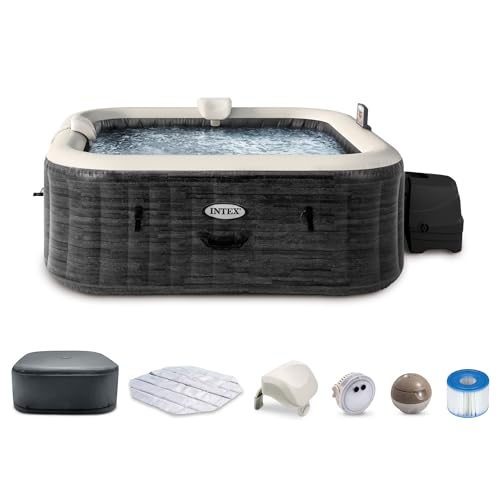
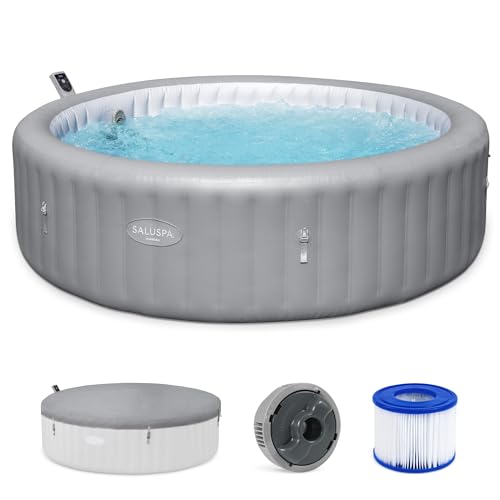
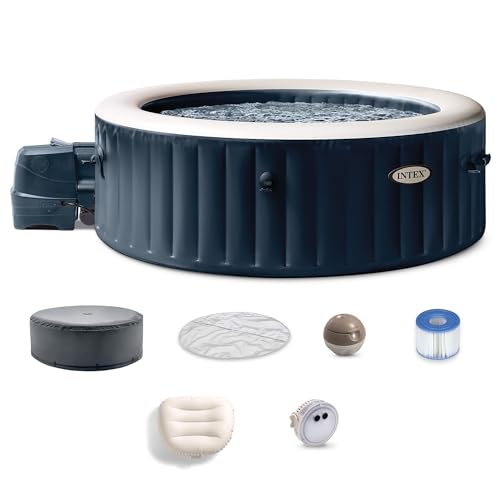
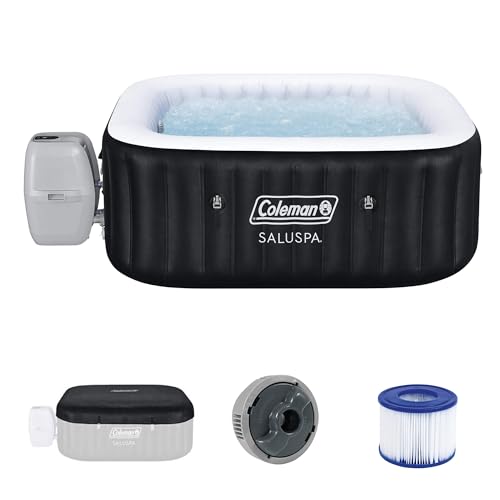
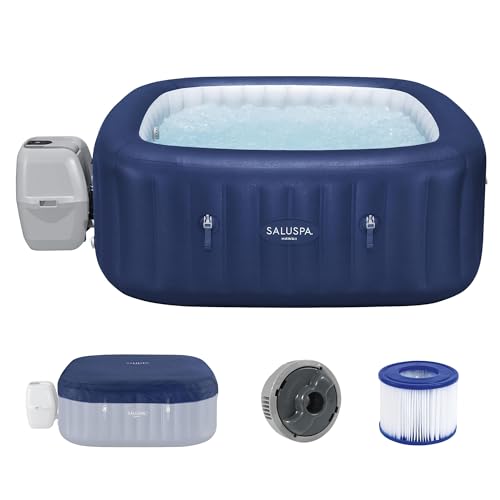

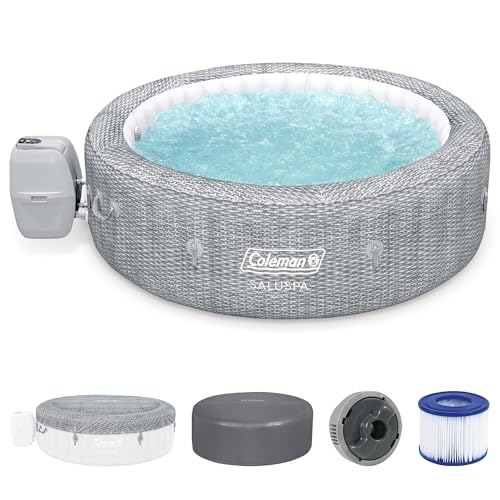
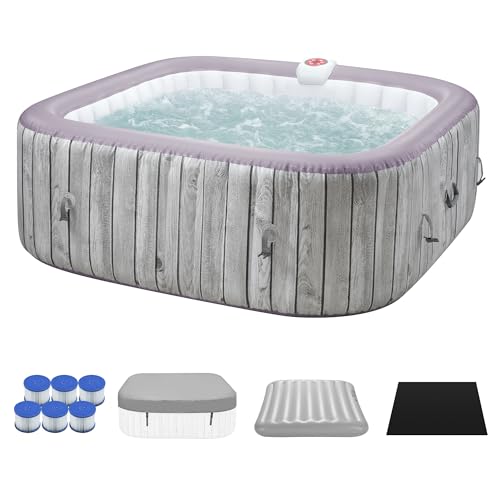
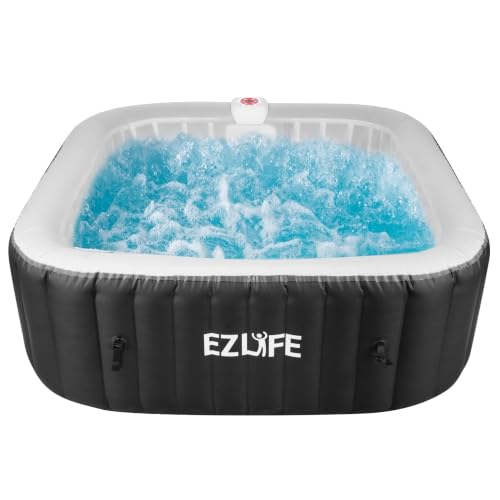
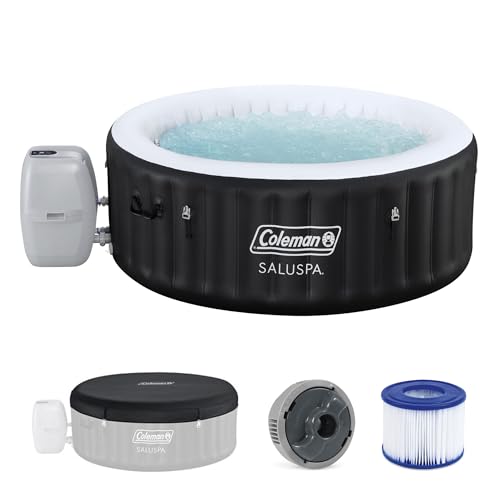
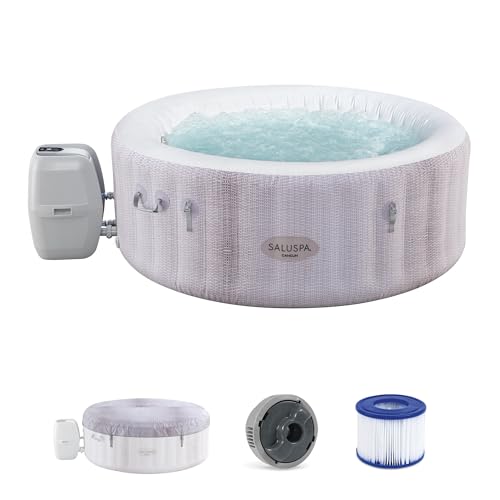
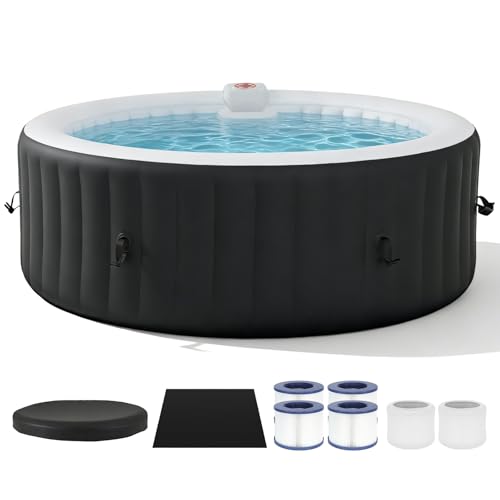
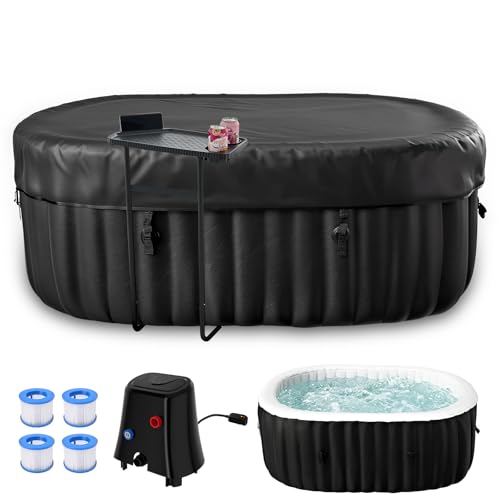
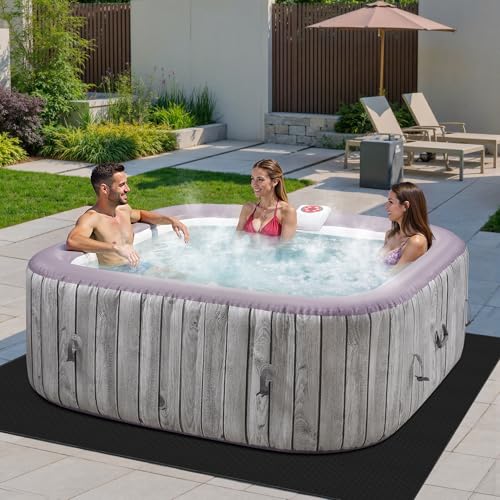
A built-in spa can run several thousand dollars and take weeks to install, which is why so many people start looking at inflatable hot tubs instead. Before buying one, it helps to understand what actually separates a well-built model from one that leaks air within a season. This guide focuses on the fundamentals that determine how well an inflatable spa performs over time: what the shell and liner are made of, how the pump and filtration system function, what it realistically costs to run one, how well it holds up through hot summers and cold snaps, and how the whole category stacks up against a traditional hard-shell hot tub. If you are comparing the best rated inflatable hot tubs on the market, these are the details worth understanding first.
What the Shell and Liner Are Actually Made Of
Every inflatable hot tub relies on layered vinyl to hold both air pressure and water weight at the same time, and the number of layers matters more than most spec sheets let on. Entry-level models often use a single layer of PVC, which handles occasional use fine but is more prone to developing small cracks after repeated exposure to sun and temperature swings. Mid-range and premium models add a second or third layer, sometimes reinforced with polyester fiber woven into the vinyl, which resists punctures from twigs, pet claws, or a dropped bottle opener far better than a single sheet.
A newer option worth checking for is TPU (thermoplastic polyurethane) lamination, either as a coating or a full layer. TPU tends to stay flexible in cold weather better than standard PVC, which matters if the tub stays inflated through fall and early winter, and it resists UV degradation somewhat better across multiple seasons outdoors.
Wall construction style matters just as much as material. Look for I-beam or drop-stitch construction, where internal fibers connect the inner and outer wall layers directly, rather than a single air chamber that simply bulges outward under pressure. I-beam walls hold their shape better once the tub is full of water and occupied, and they put less ongoing stress on the seams. If you are shopping specifically for a model built to seat a full group rather than a couple, our guide to larger, group-sized inflatable hot tubs covers how wall construction needs change once you're supporting more water and more weight.
How the Pump and Filtration System Actually Works
An inflatable hot tub runs on two separate systems that people often lump together: the heater, which raises water temperature, and the filtration pump, which keeps water circulating and clean. The circulation pump usually runs continuously while the tub is set up, cycling water through a cartridge filter to strain out debris, skin oils, and other particles before pushing it back through the jets.
Cartridge filters are the weak point in most budget units. A cartridge that's too small for the water volume clogs quickly, and a clogged filter forces the pump to work harder while doing a worse job of keeping the water clear. Rinsing the cartridge every few days and replacing it roughly every two to four weeks of regular use keeps flow rates where they should be. Some higher-end models add a secondary filtration stage or a larger surface-area cartridge, which stretches that replacement interval out and noticeably reduces how cloudy the water gets between full drains.
Cloudy water and early algae growth follow much the same pattern in a small spa as they do in a full-size pool, just on a faster timeline since there's less water to dilute contaminants. Many of the same core steps used for clearing algae out of swimming pool water apply here, including balancing pH before shocking and running the filter longer than usual until the water clears. Jet performance also depends on the pump: air jets pull in room-temperature air, which cools the water slightly every time they run, so tubs with a separate air blower rather than a shared pump tend to hold temperature more consistently.
What It Really Costs to Run One
Running costs come from two separate places, electricity and water chemistry, and both scale with how often the tub gets used rather than just its size. A typical inflatable hot tub uses a heater in the 1,300 to 1,500 watt range alongside an 80 to 100 watt circulation pump that runs nearly around the clock. Depending on local utility rates, climate, and how well insulated the cover is, that usually adds up to somewhere between $15 and $50 a month in electricity, with colder regions and thinner covers landing at the higher end.
Chemicals are the second line item, and they're easy to underestimate when budgeting for one of these. Between sanitizer, pH balancers, and periodic shock treatments, expect to spend roughly $20 to $30 a month on water care products for typical use, more if bathers use the tub daily or skip regular testing. An insulated cover and a foam ground pad both cut electricity costs meaningfully by reducing how much heat escapes overnight, often the single cheapest upgrade for lowering the ongoing bill. This is one of the clearest gaps between the best rated inflatable hot tubs and bargain-bin models: cover quality and insulation quality directly control your monthly bill.
How These Tubs Hold Up Across the Seasons
Temperature swings are harder on an inflatable hot tub than steady daily use. In hot climates, prolonged direct sun exposure breaks down vinyl's flexibility over time and fades the exterior coating, so a shaded spot or a simple sun shield during the hottest parts of the day meaningfully extends the shell's lifespan. Setting the tub on a surface that reflects heat, like light-colored concrete, also helps keep the water from overheating on its own during peak summer afternoons.
Cold weather is the bigger risk. Most manufacturers recommend keeping ambient temperatures above roughly 40 to 50 degrees Fahrenheit around the unit, since the pump and heater components can suffer permanent damage if water freezes inside them. If you plan to use the tub into late fall or winter, keep the pump running continuously rather than switching it off between soaks, since moving water resists freezing far better than still water. A location with some wind protection, and ideally easy access to an indoor shutoff, makes cold-weather use considerably less stressful.
If you're setting up a permanent spot for year-round use, it's worth planning the surrounding space at the same time, including somewhere dry to sit while the tub heats up. A few weather-resistant patio tables nearby give you a place to set towels, drinks, or a phone without leaving them on wet ground.
Inflatable or Hard-Shell: How the Two Compare
It's worth stepping back and asking whether an inflatable model is even the right category before comparing individual units. A hard-shell hot tub built from molded acrylic or fiberglass costs several times more upfront, often requires professional delivery and a dedicated 220-volt circuit, and typically needs a reinforced pad or deck section built specifically to support its weight. In exchange, it holds heat far more efficiently thanks to thicker insulation, runs stronger jets driven by a dedicated pump motor, and can realistically last well over a decade with basic upkeep.
An inflatable hot tub flips nearly every one of those trade-offs. Setup takes an afternoon rather than a delivery crew, it plugs into a standard household outlet, and it can be drained, folded, and stored in a closet when the season changes or the household moves. The lifespan trade-off is real, though. Even a well-built inflatable model typically lasts a few years of regular use rather than a decade, and it's more vulnerable to punctures, sun damage, and the occasional dropped tool. Insulation is also weaker across the board, part of why running costs sit higher relative to the water volume than a hard-shell spa's.
Neither option is objectively better. An inflatable spa makes sense for renters, smaller budgets, or anyone who wants to test whether they'll actually use a hot tub regularly before committing to a permanent installation. A hard-shell unit makes more sense once the space is permanent and the household plans to use it year-round for years to come.
Frequently Asked Questions
How much does it cost to run an inflatable hot tub each month?
Most owners spend somewhere between $35 and $80 a month combining electricity and water chemicals, though a good cover and consistent water testing can trim that meaningfully.
Is a thicker liner actually worth paying more for?
Yes, if you plan to keep the tub up for more than one season. Multi-layer PVC or TPU-laminated walls resist punctures and UV damage far better than a single-layer shell, which usually pays for itself in avoided repairs.
Can an inflatable hot tub stay set up through winter?
Some models can, provided ambient temperatures stay above the manufacturer's minimum, usually around 40 to 50 degrees Fahrenheit, and the pump keeps water circulating continuously. Below that threshold, draining and storing the tub is safer.
How often does the filter cartridge need to be replaced?
Roughly every two to four weeks with regular use, though rinsing it every few days in between extends that interval and keeps the water clearer.
What's the real difference between an inflatable and a hard-shell hot tub?
Mainly cost, setup time, and lifespan. Inflatable models are far cheaper and easier to set up but generally last a few years, while hard-shell spas cost more upfront and last considerably longer.
Do inflatable hot tubs need special chemicals?
No, they use the same basic sanitizer, pH balancer, and shock treatment as any small spa. The main difference is that smaller water volumes need chemical levels checked more frequently.
Weighing the Trade-Offs
The best rated inflatable hot tubs earn that reputation through details that rarely show up in a product photo: multi-layer walls that resist punctures, a filtration system sized to the water volume, and a cover that actually holds heat overnight. None of that shows up in jet count or listed capacity, but it's the difference between a spa that holds up for several seasons and one that starts leaking air by midsummer. Weigh the ongoing electricity and chemical costs against a hard-shell spa's higher upfront price before deciding which category fits your yard and your budget, not just which single unit looks best online.