Best 6 Inch Chainsaws (2026): How to Choose
Disclosure: We may earn a commission when you buy through links on this page, at no extra cost to you. As an Amazon Associate I earn from qualifying purchases. Learn more

Choosing the best 6 inch chainsaw? A 6 inch saw suits pruning, limbing and light yard cutting.
A full size saw is a lot of tool for pruning a fruit tree, trimming storm tossed limbs, or cutting small logs for a fire pit. That is where the best 6 inch chainsaw earns its place. It is compact enough to store on a shelf, light enough to control with confidence, and strong enough for the light cutting most yards actually need. The comparison table below sums up the main types side by side so you can see the trade offs at a glance.
This guide walks through who a saw this small suits, the features that separate a good one from a frustrating one, and the limits you should respect before you buy. If you later decide you need more bar length and power, our guide to the best chainsaw covers the larger end of the range.



Types Compared at a Glance
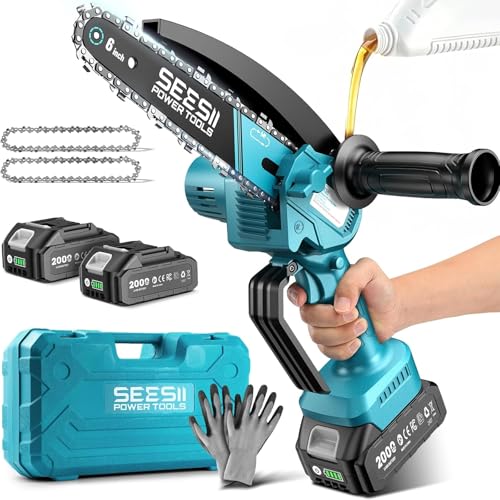
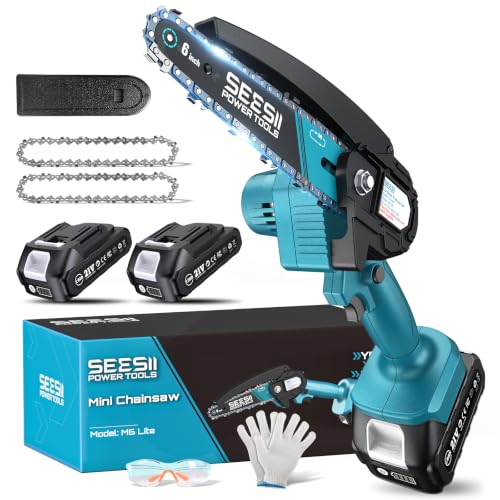
Most saws in this size fall into three groups, and the group matters more than any single spec. Cordless models run on a rechargeable battery and suit most home pruning. Corded electric models trade freedom of movement for steady power near an outlet. Small gas models are now rare at this bar length, but they still appear for buyers who work far from power and already own fuel and mixing gear.
Weight is the second quick filter. Many cordless models weigh about 3 to 6 pounds with the battery fitted, which changes how long you can work above shoulder height. A saw that feels fine at waist level can tire your arm fast when you reach up into a canopy, so weight and battery format deserve as much attention as cutting speed.
Three Types to Consider for Your Yard
Cordless Pruning Saws for Most Homeowners
This is the type most buyers should start with. A battery saw starts with a button press, needs no fuel mixing, and runs quietly enough for suburban yards. It suits pruning, limbing, and cutting branches up to about 4 to 5 inches thick. Start your shortlist here and compare battery format and weight first.
Corded Electric Saws for Steady Power Near the House
A corded model removes battery runtime from the decision entirely. As long as you work within cord reach of an outlet, it cuts at a steady pace and tends to cost less than a comparable battery kit. The limits are real, though. You must manage a cord around shrubs and fences, and distant trees are out of reach. Choose this type for work close to the house.
Compact Gas Saws for Remote Cutting
Gas power at this size makes sense only in narrow cases, such as a large rural lot where you already maintain other gas tools. You gain independence from outlets and charge times, but you also take on fuel storage, more noise, and more engine upkeep. For pure pruning near home, that upkeep rarely pays you back.
How We Chose the Criteria in This Guide
We ranked the buying factors by how much they change daily use for a saw of this size. Build quality and resistance to damp storage came first, then cutting capacity, weight, and assembly needs out of the box. We also weighed chain and bar replacement options plus warranty length. The factors below come from maker specifications and patterns in verified buyer feedback.
Who Should Buy a 6 Inch Chainsaw?
Homeowners With Small to Mid Size Yards
If your cutting is mostly pruning ornamental trees, trimming woody hedges, and clearing fallen limbs after storms, this size fits the work. Our guide to the best chainsaw for homeowners looks at the broader home range, but a 6 inch bar covers most routine yard cutting without the weight and storage demands of a larger saw.
Gardeners Who Prune Often
Frequent light pruning rewards a tool you can lift, position, and control precisely. A compact saw lets you step in, make a clean cut, and move on, which suits shaping overgrown shrubs and orchard style pruning. Gardeners who cut a little every week also benefit from battery power, since there is no fuel to go stale between sessions.
Buyers Who Want a Second, Smaller Saw
Owners of a large saw often add a compact one for limbing and detail work, since swapping to a light tool speeds up cleanup after the main cuts are done. In that two saw setup, the small saw handles most cuts by count, even if the big saw handles the largest wood.
How to Choose the Right Chainsaw
Start with the wood you actually cut, then match power type, weight, and features to it. The chainsaw buying guide explains general saw shopping in depth, while the points below stay focused on what changes at the 6 inch size.
Size and Form Factor
The 6 inch figure describes bar length, and bar length sets your practical cutting ceiling. A branch should be notably thinner than the bar, so plan on comfortable cuts up to about 4 to 5 inches and slower, careful cuts near the full length. Smaller mini saws exist for very light trimming, and our look at the best mini chainsaw covers those. Larger bars in the 12 to 20 inch range suit felling and firewood, but they add weight you do not need for pruning. Handle shape matters too. A compact grip with a clear hand guard helps you keep control in tight branch clusters.
Power Type
Battery, corded, and gas each change your routine. Battery models give freedom to roam the whole yard, and runtime grows if you own spare packs from the same tool family. Our comparison of the best battery chainsaw explains pack sizes and charge times in more detail. Corded models never need charging but tether you to an outlet. Gas models run as long as you carry fuel, at the cost of noise, fumes, and engine care. For most pruning lists, battery power offers the best balance of convenience and capability.
Features Worth Paying For
An automatic oiler tops the list, since it keeps the chain lubricated while you cut and removes a step many new owners forget. A tool free chain tension system is the next priority, because a chain loosens with use and quick adjustment keeps you cutting safely. A battery and charger in the box matters for first time cordless buyers, since a bare tool price can mislead. A carrying case is a nice extra for storage and transport, but it should never outweigh oiler and tension design.
Materials and Weather Resistance
Look for a housing that shrugs off knocks against branches and shed walls, plus a bar and chain made from steel that holds an edge through a season of pruning. No saw in this class is made to work in rain, so weather resistance here means surviving damp storage and the odd splash, not cutting in a storm. Rubber grip surfaces help when your gloves are dusty or slightly wet.
Size for Your Space
Storage space shapes this purchase more than buyers expect. A compact saw fits in a tote or on a shelf, which suits garages already full of garden gear. Battery models store neatly if you keep the pack indoors at moderate temperatures. Corded models need room for the cord as well. Measure your storage spot first, since even a small saw needs a safe place where children cannot reach it.
Assembly and Setup
Most saws in this class arrive nearly ready, with the bar and chain fitted or needing only a few steps. Plan on adding bar and chain oil before the first cut, checking chain tension, and charging the battery fully. Read the manual section on the chain brake and test it before real work. Gloves, eye protection, and sturdy footwear are part of using the saw, not optional extras.
How Much Should You Spend?
Basic corded and small cordless models can fall under $100, while kits with larger batteries and faster chargers often land at about $100 to $200. Spending more usually buys battery capacity, a better charger, and sturdier tension hardware rather than raw cutting size, since the bar stays 6 inches across the range. Very cheap kits under $50 can look tempting, but spare chains and bars may be hard to find later.
Is a 6 Inch Chainsaw the Right Size for You?
The best 6 inch chainsaw is the right size if your typical cut is a branch you could wrap one hand most of the way around. Pruning fruit trees, cutting back overgrown shrubs, breaking down storm debris, and slicing small logs for a fire pit all sit inside its comfort zone. It is the wrong size for felling standing trees, bucking thick firewood rounds, or clearing land, since forcing a small bar through big wood strains the motor, dulls the chain quickly, and raises the risk of a stall mid cut.
Think in terms of your largest regular job, not your largest imaginable one. If thick cuts happen once a year, renting a larger saw for that day is cheaper and safer than owning one. If thick cuts happen every month, step up a size now.
How to Make Your Chainsaw Last Longer
Keep the chain sharp, since a dull chain makes the motor work harder and tears wood instead of slicing it. Check oil level before every session and top it up when you recharge or refuel. After cutting, brush debris from the bar groove and housing vents, then fit the bar cover before storage. Our step by step on how to clean a chainsaw walks through a full cleanup routine. Store the saw dry and remove the battery for long storage.
FAQ
What size branches can a 6 inch chainsaw cut safely?
A 6 inch chainsaw cuts branches up to about 4 to 5 inches thick with good control, and it can work through wood near its full bar length with slow, careful passes. Beyond that, the bar cannot clear chips well and the saw may bind. One extra tip is to cut large limbs in sections from the tip inward, which keeps the weight of the falling piece from pinching your bar.
How long does a battery last on a 6 inch chainsaw?
Runtime depends on wood hardness and thickness, but many compact packs handle roughly 50 to 100 pruning cuts on one charge. Cutting dry hardwood drains a pack far faster than trimming green growth. A useful habit is to rotate two packs during big cleanup days, letting one cool while the other works, since hot packs charge more slowly and age faster over time.
Can a 6 inch chainsaw cut firewood?
Yes, for small logs and kindling it works well, especially when you need short pieces for a fire pit or a small stove. It is not built for splitting rounds or processing a full cord of wood, tasks that call for a longer bar and a saw rest between cuts. For firewood sessions, set logs on a low stand at a comfortable height so you are not bending and reaching with a running saw.
Do I need to add oil to a 6 inch chainsaw?
Yes. The chain needs bar and chain oil to glide around the bar without overheating, and most models in this class apply it automatically as you cut. Check the reservoir window before each session, since running dry even briefly wears the bar rails. Use oil made for chainsaw bars rather than motor oil, because it is formulated to cling to a fast moving chain instead of flinging off.
Is a 6 inch chainsaw safe for beginners?
Its low weight and short bar make it more manageable than larger saws, but it is still a power cutting tool that demands full attention. Beginners should practice on ground level logs first, keep both hands on the saw, and never cut above shoulder height. Take a basic safety course or watch the maker safety videos before your first session, and stop cutting the moment you feel tired, since fatigue is when grip and judgment slip.
Final Thoughts
A compact saw earns its keep by making routine yard cutting quick, light, and easy to store. Match the power type to your lot, insist on an automatic oiler and simple chain tensioning, and respect the size limits covered above. Do that, and the best 6 inch chainsaw for your yard becomes an easy call. Look back at the product table above to compare the main types once more before you order.