Best 6 ft Ladders (2026): Buying Guide
Disclosure: We may earn a commission when you buy through links on this page, at no extra cost to you. As an Amazon Associate I earn from qualifying purchases. Learn more

Choosing the best 6 ft ladder? A 6 ft ladder reaches most ceilings, cabinets and light fixtures indoors.
A 6 ft ladder sounds simple to buy until you compare duty ratings, materials, and the highest step you are allowed to stand on. Those details decide whether the ladder feels steady on a flat floor and whether it fits your work at all. This guide to the best 6 ft ladder options sorts the choice by type, material, and reach, and you can scan the comparison table below for a quick side by side view of the main types.
Most buyers want one ladder for ceilings, cabinets, light fixtures, and short outdoor jobs. If your jobs vary in height, see our guide to the best ladder for a broader size comparison before you settle on 6 ft alone.



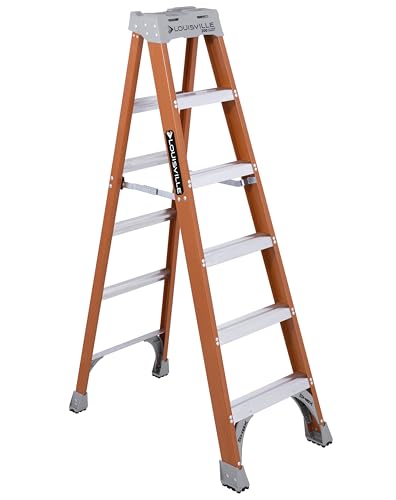
Ladder Types at a Glance
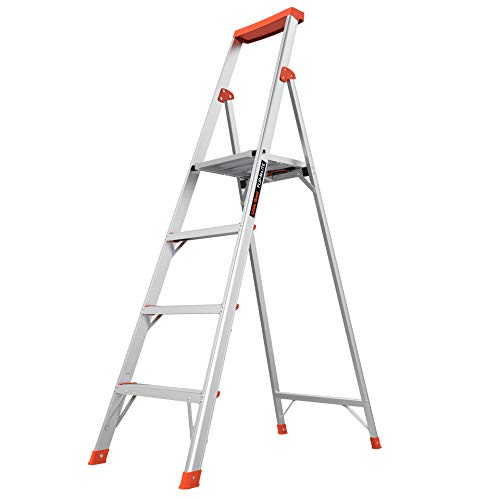
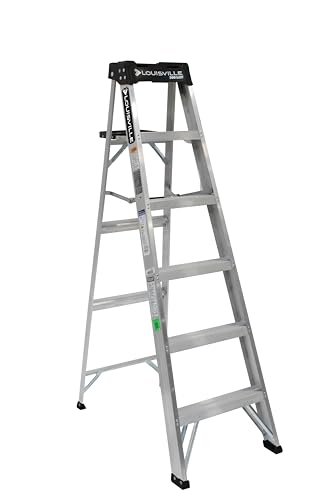
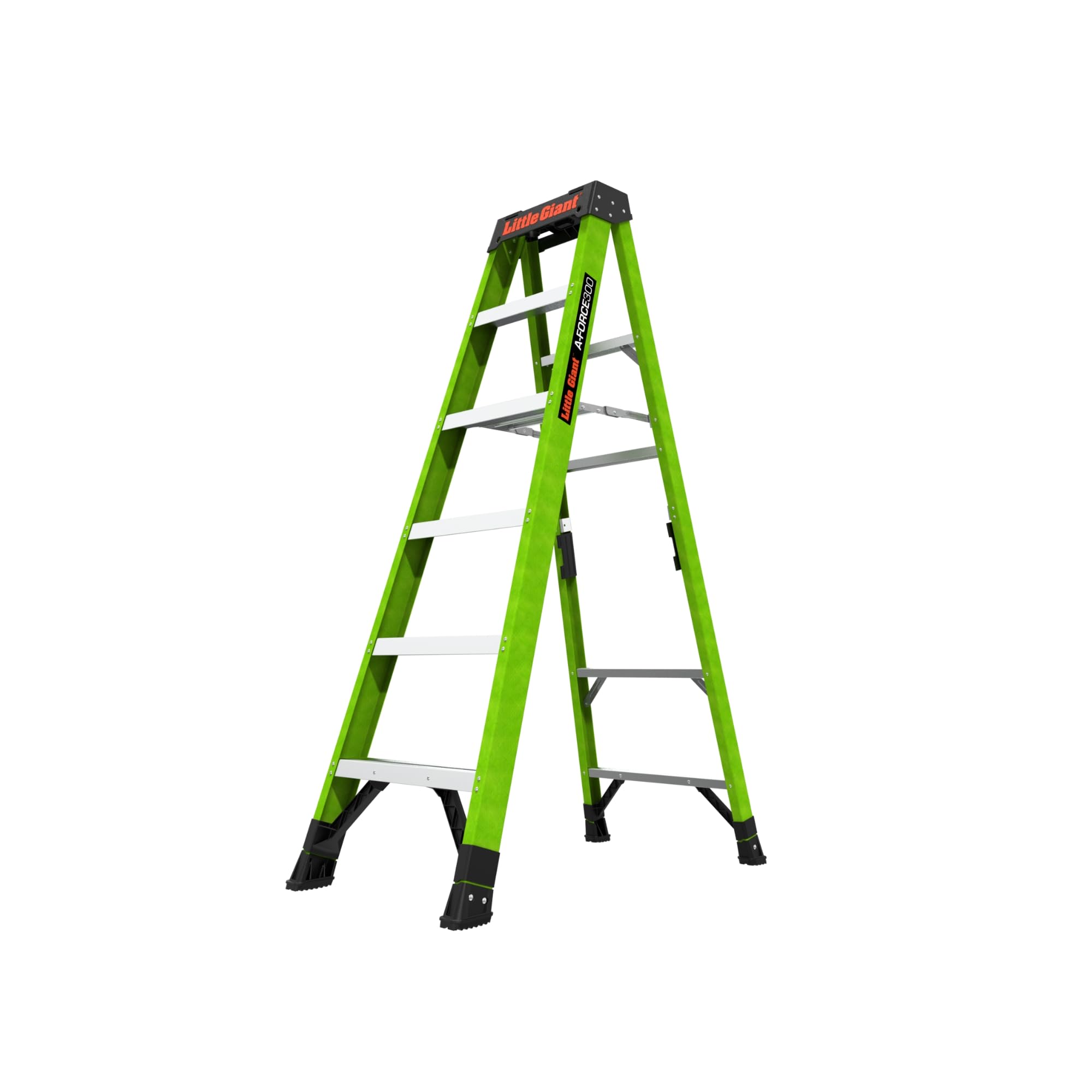
Three types cover almost every 6 ft purchase. A standard step ladder opens into an A frame and suits flat floors indoors. A multi position ladder can act as a step ladder, a stairway ladder, or a short extension ladder. A platform step ladder gives you a larger standing surface for jobs where you stay in one place and work with both hands.
Types Compared for the 6 ft Size
Standard Step Ladder for Everyday Indoor Work
A standard step ladder is the most common 6 ft choice for homes. It opens fast, stands on its own, and usually has a top cap that holds small tools, screws, or a paint can while you work. The steps are wide enough for short tasks like changing bulbs or reaching high shelves. It stores flat against a wall or in a closet. Its limit is clear. It needs a flat, level surface, and it does not adjust for stairs or sloped ground outside.
Multi Position Ladder Set Near 6 ft
A multi position ladder folds into several shapes, so one ladder can cover jobs that would otherwise need two. In step mode it works like a normal A frame. One side can be made longer for stairs, and it can open straight for short extension tasks. That flexibility adds weight and more hinges and locks to check before climbing. Choose this type if storage space is tight but your work includes stairs, entryways, or uneven spots where a fixed A frame will not sit level.
Platform Step Ladder for Longer Jobs in One Spot
A platform model replaces the top steps with a broad, flat standing area. That extra room under your feet helps during longer jobs like painting a wall, hanging curtains, or fitting a ceiling light, where you shift your weight and turn often. Many platform models add a tall guard rail you can hold or lean against lightly while you work. The trade off is size. The platform and rail make the ladder bulkier to carry and store than a basic step ladder of the same height.
How to Evaluate a 6 ft Ladder
Start with the duty rating, because it states the most weight the ladder is built to hold, including you and anything you carry up. Then check the highest standing level marked on the side rail, the material, and the spreader braces that lock the two sides open. Finally, look at step depth, foot grip, and warranty length. A low price means little if the rating is too low or the steps feel narrow.
How to Choose the Right Ladder
The right choice depends on where you will stand, how long you will stay up there, and what surface sits under the feet. Work through the factors below in order before you buy.
Size and Reach
A 6 ft step ladder gives most adults about 10 ft of working reach when they stand on the highest allowed step. That covers 8 ft and 9 ft ceilings, tall kitchen cabinets, and the top of most interior doors and windows with room to spare. It is not the same as standing 6 ft in the air. The top cap and the step below it are not standing surfaces, so your feet will be well below the top rail. Measure your ceiling first, then confirm the marked standing level suits it.
Type and Floor Surface
Match the type to the floor first. A step ladder or platform ladder belongs on a flat surface where all four feet touch at once. A multi position model is the better fit for stairs because one side can extend to meet a lower step. For compact storage in an apartment or a vehicle, compare a folding step ladder with a best telescoping ladder option, since telescoping models shrink down far more but need each section locked with care before use.
Material and Duty Rating
Aluminum is light and easy to carry, and it does not rust, so it suits most indoor and dry outdoor work. Fiberglass is heavier but does not conduct electricity, so it is the safer choice near wiring and electrical panels. Our comparison of fiberglass vs aluminum ladder materials explains weight, cost, and care in more depth. Duty ratings run from light household use to heavy contractor use. Add your weight to your tools and supplies, then pick a rating above that total.
Features Worth Paying For
A molded top cap with slots for tools and a hook for a bucket saves trips up and down during paint and repair jobs. Wide steps with a ribbed surface give your shoes more grip and reduce foot fatigue. Sturdy spreader braces that lock with a clear click matter for safety on every climb. A handrail helps on platform models for long tasks. Skip paid extras you will not use, such as wheels on a ladder you only use indoors, since wheels add weight and must lock firmly before climbing.
Accessories and Warranty
Useful extras include a removable tool tray, a paint can holder, and replacement rubber feet when the originals wear smooth. Check that spare feet are sold for the model you pick, because worn feet are a common reason a sound ladder starts to slip. Warranty length varies by maker, often from one year to a limited lifetime term. Read what it excludes, since damage from overload and drops is often not covered.
How Much Should You Spend?
Basic aluminum step ladders for light household use often cost about $50 to $100. Sturdier fiberglass models and platform designs with higher duty ratings are often about $100 to $200. Multi position models that replace several ladders can run about $150 to $300. Paying more should buy a higher rating, a wider standing surface, or a material that fits electrical work. It should not just buy extra height you do not need in a 6 ft class ladder.
Is a 6 ft Ladder the Right Size for You?
Choose the best 6 ft ladder size if most of your work is indoors under ceilings up to about 9 ft, plus short outdoor jobs like cleaning first floor windows or trimming hedges you can reach without leaning. If you mainly dust shelves and change smoke alarm batteries in a small apartment, a shorter step stool may be easier to store, and our guide to the best ladder for home use can help you weigh that smaller option.
Choose a taller ladder instead if you need to reach gutters, a roof edge, or a two story entryway, because a 6 ft ladder will tempt you to stand too high or lean too far. For attic access, a fixed 6 ft ladder is rarely the right tool at all. A pull down model covered in our guide to the best attic ladder fits the opening and folds away, which a freestanding step ladder cannot do safely or neatly.
Common Mistakes to Avoid
- Standing on the top cap or the top step, which leaves you with nothing to hold and a high risk of a fall.
- Ignoring the duty rating and carrying heavy tools up, which can push the total load past the rated limit.
- Setting up on grass, gravel, or a rug without checking that all four feet are firm and level.
- Leaning sideways to reach a far spot instead of climbing down and moving the ladder closer.
- Using an aluminum ladder next to live wiring, where a fiberglass ladder would be the safer choice.
- Carrying the ladder open or by one rail, which can bend hinges and make the frame wobble later.
How to Make Your Ladder Last Longer
Wipe steps and rails clean after paint, drywall, or outdoor work, since grit and dried paint can make steps slick and hide cracks. Store the ladder indoors, dry, and out of direct sun where possible. Heat and sun can weaken fiberglass over time, and damp storage can corrode metal hinges and locks. Before each use, check the feet, spreader braces, and step rivets, and review our guide on how to use a ladder for safe setup habits that also reduce wear.
Never use a ladder with a bent rail, a cracked step, or a loose hinge, even for a quick job. Small damage changes how the frame carries weight and can fail without warning. Keep hinges moving with a light wipe to remove dirt rather than heavy oil, which can attract grit. If a fiberglass rail shows fibers coming through the surface, retire the ladder, because that bloom means the protective coating has worn away.
FAQ
How long does a 6 ft ladder last?
A well kept 6 ft ladder can last many years in home use, often a decade or more if it is stored indoors and never overloaded. Lifespan depends more on handling than age alone. A ladder that is dropped from a truck, left in rain, or used with a bent rail should be retired at once, no matter how new it is. Inspect yours before each season of heavy use and replace worn rubber feet promptly to protect both grip and flooring.
How do you clean a 6 ft ladder?
Wash the steps and rails with warm water, a mild soap, and a soft cloth, then rinse and dry the ladder fully before storing it. Avoid harsh solvents on fiberglass, since they can damage the surface coating. For dried paint, let warm soapy water soften the spot and lift it with a plastic scraper instead of a metal blade. Clean steps matter for grip, so do not wax or oil the standing surfaces after washing them.
Can a 6 ft ladder reach gutters on a house?
For a single story home, a 6 ft step ladder may let you see into low gutters, but it is often too short to work in them safely with both hands. Extension ladders are the usual choice for gutter work because they rest against the wall and put your waist below the gutter line. If you must lean a ladder against the house, place it on firm ground and keep the angle steady. Do not rest a step ladder against a wall in its closed position.
What is the highest step you can stand on a 6 ft step ladder?
Stand no higher than the step marked as the highest standing level on the side rail label. On most 6 ft step ladders that is the third or fourth step from the ground, well below the top cap. The label is the authority for your model, since step spacing differs by design. Keep three points of contact as you climb, face the steps, and keep your belt buckle between the side rails while you work to avoid tipping sideways.
Is a 6 ft ladder worth it if you already own a step stool?
Yes, if you have 8 ft or 9 ft ceilings, because a step stool rarely puts light fixtures, vents, and high cabinets within safe reach. A 6 ft ladder also gives you a top cap for tools, which a small stool does not offer. If your ceilings are low and your stool already reaches everything, the extra storage space may not be worth it.
Final Thoughts
For most homes, a standard step ladder in aluminum or fiberglass covers the widest range of jobs in this size, while a platform model suits long painting sessions and a multi position model suits stairs. Match the duty rating to your real load, respect the highest standing level, and store the ladder dry indoors. Review the product table above once more, then pick the best 6 ft ladder type that fits your ceilings, your floors, and the work you actually do each season.