Best 4500 Watt Generator: Buying Guide (2026)
Disclosure: We may earn a commission when you buy through links on this page, at no extra cost to you. As an Amazon Associate I earn from qualifying purchases. Learn more

Inverter, open frame or dual fuel: how to match a 4500 watt generator to your loads, noise limits and storage space.
A power outage or a weekend off the grid quickly shows whether your generator can keep up. Choosing the best 4500 watt generator means matching running watts, fuel type, noise and outlets to the loads you actually plan to run. This guide compares generator types by build materials and weather resistance, size and capacity, and value, and the comparison table below sums up the main differences.
If you are still weighing how this size class fits the wider market, start with our overview of the best generator options for home and portable use. Then narrow your choice by use case rather than by headline wattage alone.




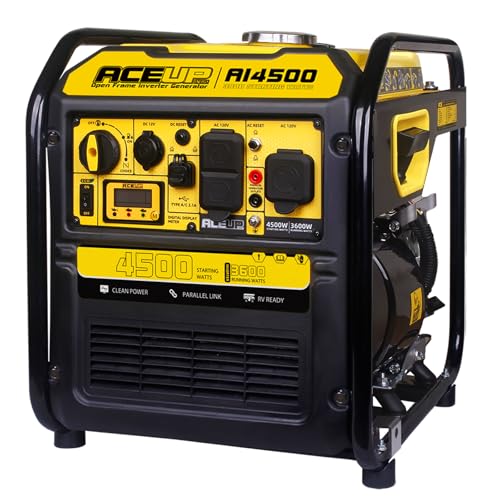
Three Types of 4500 Watt Generators Compared
Models in this size class fall into three broad types, and the type matters more than small differences in rated output. Each type below is compared on the same buying factors.
Open Frame Inverter Types
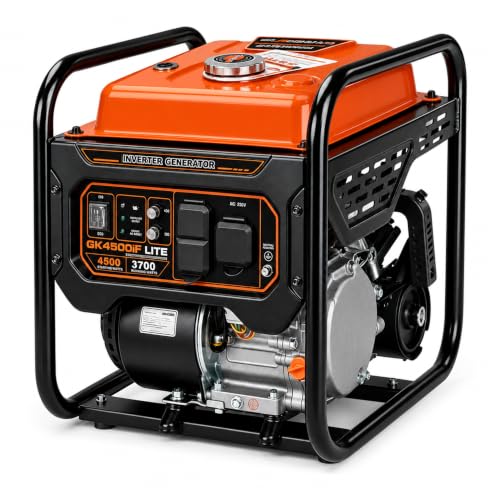
Open frame inverter models pair an exposed steel frame with inverter electronics that produce cleaner power for phones, laptops and modern appliances. The open frame keeps weight and cost down and makes the engine easier to reach for service. The trade off is noise, since there is no enclosure to absorb sound. These suit job sites and outage use where the unit sits well away from living spaces.
Enclosed Inverter Types
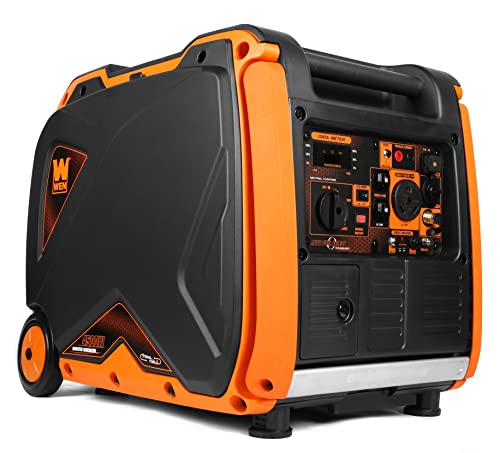
Enclosed inverter models wrap the engine in a sound reducing case, which makes them the quietest option in this class and a better fit near campsites and neighbors. The case also sheds light rain and dust better than an open frame. You pay more for that enclosure, and access for oil changes can take a few extra minutes. For sensitive electronics, the quieter output is usually worth the added cost.
Dual Fuel and Tri Fuel Types
Fuel flexible models can run on gasoline and propane, and some also accept natural gas through a suitable connection. Propane stores longer than gasoline and burns cleaner, though it usually delivers slightly fewer running watts. Gasoline gives full rated output and is easy to refuel almost anywhere.
How to Compare Generators in This Class
The most useful comparison points come from manufacturer specification sheets and widely used safety guidance. Focus on build materials and weather resistance, size and capacity, ease of assembly, durability and warranty terms. Those factors decide whether a generator starts reliably, runs your loads safely and lasts through more than one storm season.
Who Should Buy a 4500 Watt Generator?
Homeowners Who Want Core Outage Coverage
You want a refrigerator, some lights, a phone charger, a fan and perhaps a small microwave or coffee maker to keep working during an outage. A 4500 watt unit covers that core list comfortably when you stagger larger loads. It will not run a whole home at once, so you still need a plan for which circuits matter most.
RV Travelers and Campers
You need enough output to start and run a typical RV air conditioner along with lights and a battery charger. Weight, noise and a suitable RV outlet matter as much as wattage here, so look closely at the generator types compared in our guide to the best generator for rv use before you buy.
Tailgaters, Vendors and Light Job Site Users
You run a mix of tools, speakers, cooking gear or a small food setup for a few hours at a time. Portability, outlet count and fast refueling matter more to you than quiet operation. An open frame type often fits this work well, since the frame protects the unit in transit and the higher noise matters less in an already busy outdoor setting.
Is a 4500 Watt Generator the Right Size for You?
Add up the running watts of everything you want to power at the same time, then add the higher starting watts of the largest motor driven item, such as a refrigerator compressor or a well pump. If that total sits comfortably below the running watt rating, not just the peak rating, this size class fits. Our sizing walkthrough in what size generator do i need shows how to build that list appliance by appliance.
Choose a smaller class if you only need lights, phones and a laptop, since a lighter unit will be easier to move and will use less fuel. Step up instead if you must run a large central air system, an electric range or several heavy loads at once. In that case a standby system from our guide to the best whole house generator options may serve you better than any portable unit.
How to Choose the Right Generator
Size and Form Factor
Generators in this class range from compact enclosed units you can carry with one handle to larger framed units that need two people or a wheel kit to move. Check the stored footprint against your garage or shed corner before you buy, and note the dry weight separately from the weight with a full tank. A unit you cannot move safely alone will be a problem during a rushed storm setup.
Type
Inverter models adjust engine speed to the load, which saves fuel and lowers noise at light loads, and they produce power that is safe for sensitive electronics. Conventional models hold a fixed engine speed and often cost less for the same peak output. If clean power and quiet running matter to you, read our guide to the best inverter generator types next.
Features Worth Paying For
Electric start removes the effort of a pull cord, and remote start adds convenience when the unit sits outside in poor weather. A carbon monoxide sensor that shuts the engine down is a safety feature worth prioritizing on any new model. Multiple outlet types, including a 30 amp outlet for an RV or a transfer switch connection, expand what you can power without adapters. Skip decorative extras that add cost without adding outlets, run time or safety.
Build Materials and Weather Resistance
A steel tube frame resists knocks during transport and gives you solid lift points, while plastic enclosures on inverter models protect against dust and light spray but can crack if dropped on concrete. Look for covered outlets, which keep moisture and debris out of the sockets between uses. No portable generator is waterproof, so plan a covered and ventilated outdoor spot, such as a purpose built running cover or an open sided shelter, before the first outage.
Size for Your Space
Measure the storage space and the outdoor running spot separately, because they have different needs. Storage calls for a dry, ventilated area away from living spaces, with room to reach the oil drain and air filter. The running spot must sit at least 20 feet from your home with the exhaust pointed away, following the distance guidance on most manufacturer labels. Leave clear space on all sides for airflow, since blocked vents can cause overheating.
Assembly and Anchoring
Most models need modest assembly out of the box, typically attaching wheels, handles and rubber feet, then adding oil and fuel before the first start. Read the manual fully before that first start, because running a new engine without oil can destroy it in minutes. For home backup, our overview of how to hook up a generator to a house explains transfer switch and interlock options, work that belongs to a licensed electrician. Never connect a generator to house wiring through a dryer outlet or any improvised cord, since that can feed power back into utility lines and endanger line workers.
How Much Should You Spend?
Basic open frame models in this class often cost about $400 to $600, while enclosed inverter models commonly run about $700 to $1,100. Fuel flexible versions usually sit between those bands at about $600 to $900, depending on outlets and start features. Spending more mainly buys lower noise, cleaner power, electric or remote start and longer warranty coverage. If you will run electronics daily in an RV, the quieter enclosed band tends to pay off.
Common Mistakes to Avoid
- Buying on peak watts alone, then finding the running watt rating too low for your combined loads.
- Running a generator in a garage, porch or near an open window, which can let carbon monoxide build up indoors.
- Skipping the break in oil change in the manual, which shortens engine life from the very first season.
- Storing gasoline in the tank for many months, which can clog the fuel system and prevent starting.
- Overloading one outlet with adapters instead of spreading loads across the available outlets.
- Refueling while the engine is hot, which creates a serious fire risk around spilled gasoline.
Care and Off Season Storage
Change the oil on the schedule in your manual, check the air filter for dust, and inspect the spark plug each season. Run the engine under a moderate load for a short period every month or so, since regular exercise keeps seals lubricated and makes starting problems easier to catch early. Check for rodent nesting around the engine before each use after storage.
For off season storage, either drain the fuel system as the manual directs or use a fuel stabilizer and run the engine long enough to move treated fuel through it. Store the unit indoors in a dry and ventilated space, away from any appliance with a pilot light. Keep the manual, a spare spark plug, the correct oil and a funnel together with the generator.
FAQ
What is the best 4500 watt generator for a typical home?
The best 4500 watt generator for a typical home is the one whose running watts, outlet set and fuel type match your outage list, rather than the model with the highest peak number. For most homes that means an inverter type with a 30 amp outlet, a carbon monoxide sensor and enough run time to cover an overnight outage. If your list includes a well pump, confirm its starting watts by nameplate before deciding.
How long can a 4500 watt generator run on one tank?
Run time depends on tank size and load, and makers usually quote it at a quarter or half load. A lightly loaded inverter model can often run through the night, while a unit near full load may need refueling after a much shorter stretch. A practical habit is to check the fuel gauge at each refueling break and to shut down and cool the unit before adding fuel.
Is it safe to run a 4500 watt generator in the rain?
No portable generator should run exposed in rain, standing water or snow, because water around outlets and connections raises the risk of shock and short circuits. Use a purpose built cover designed for running generators, or an open sided shelter that keeps rain off while letting exhaust and heat escape freely. Keep your hands and the power cords dry when plugging loads in, and never touch the unit while standing in water.
Can a 4500 watt generator run an RV air conditioner?
Yes, in most cases a unit in this class can start and run one typical RV air conditioner along with lights and a converter, provided other large loads stay off. Starting demand is the pinch point, and a soft start device fitted to the air conditioner can lower that initial surge. If your RV has two air conditioners, plan to run only one at a time on a generator of this size.
Does a 4500 watt generator need a transfer switch for home use?
A transfer switch is only required when you want the generator to feed circuits through your home panel. If you run extension cords directly to individual appliances, no transfer switch is involved, though cord management and outdoor rated cords become your responsibility. Panel connection gives cleaner access to hard wired loads such as a furnace blower, which is one reason many homeowners eventually choose that route.
Final Thoughts
Start with your load list, pick the type that fits your noise and fuel needs, and then compare build, outlets and warranty within your budget. Chosen that way, the best 4500 watt generator is simply the one that starts reliably, runs your priority loads safely and stores easily in your space. Look back at the product table above to compare the main types side by side before you order, and confirm outlet types and run time on the product page.