Best 52 Inch Ceiling Fan: Buying Guide (2026)
Disclosure: We may earn a commission when you buy through links on this page, at no extra cost to you. As an Amazon Associate I earn from qualifying purchases. Learn more
Standard, budget or DC motor: how to match a 52 inch ceiling fan to room size, ceiling height, light output and price.
Choosing a ceiling fan in the most common size sounds simple until you compare blade pitch, motor type, light output, and mounting options side by side. A best 52 inch ceiling fan should move enough air for a medium or large room, run quietly at night, and fit your ceiling height without wobbling or hanging too low. The comparison table below groups the main types by brightness, color temperature, style, and installation so you can narrow your choice fast.
This guide explains the differences that matter in daily use, from lumens and dimming to remote controls and outdoor ratings, plus sizing and price guidance.
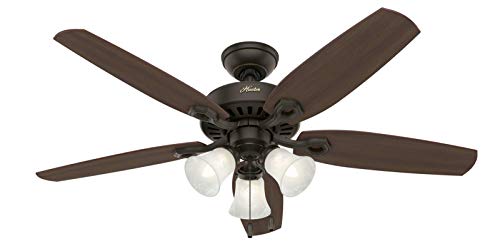

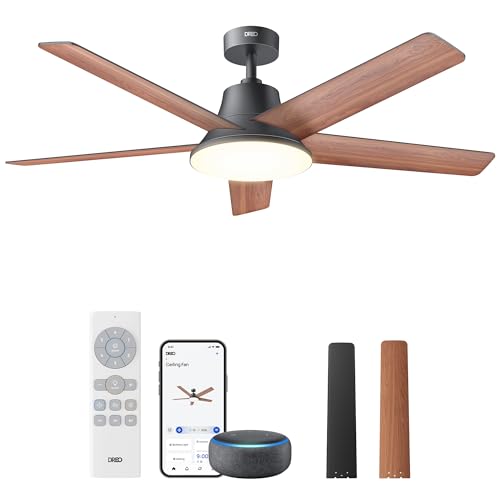
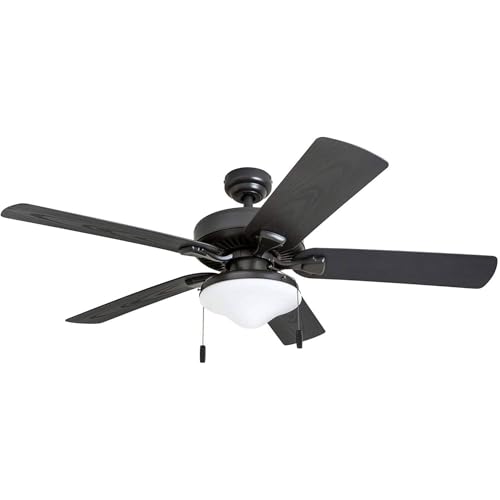


Three Types at a Glance
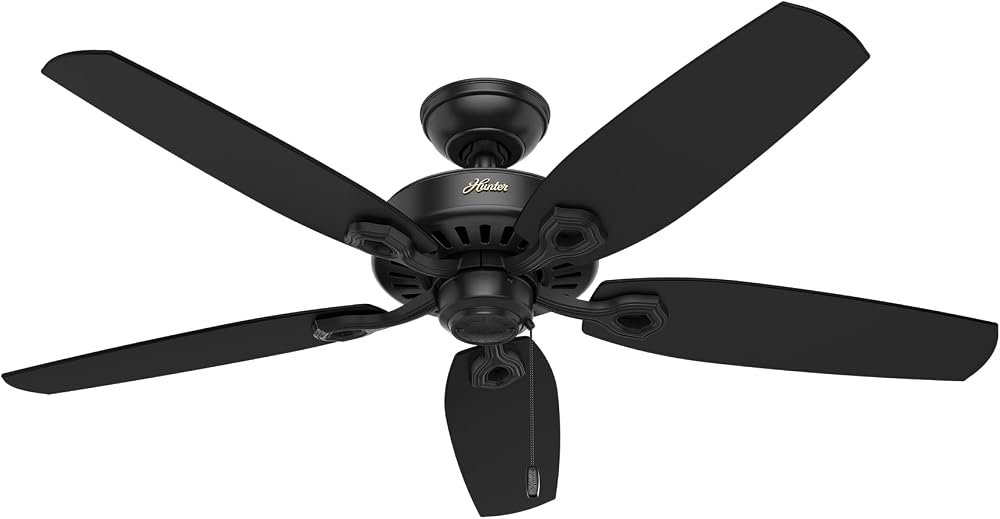
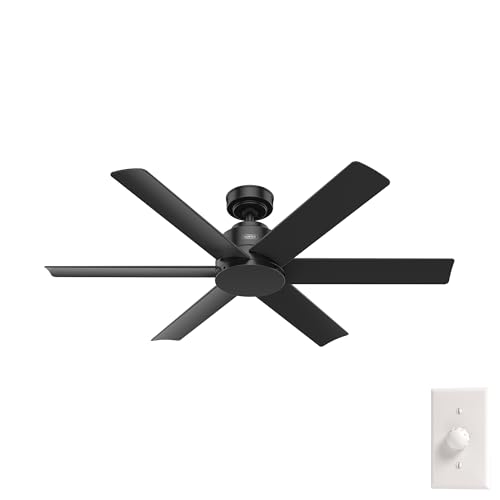
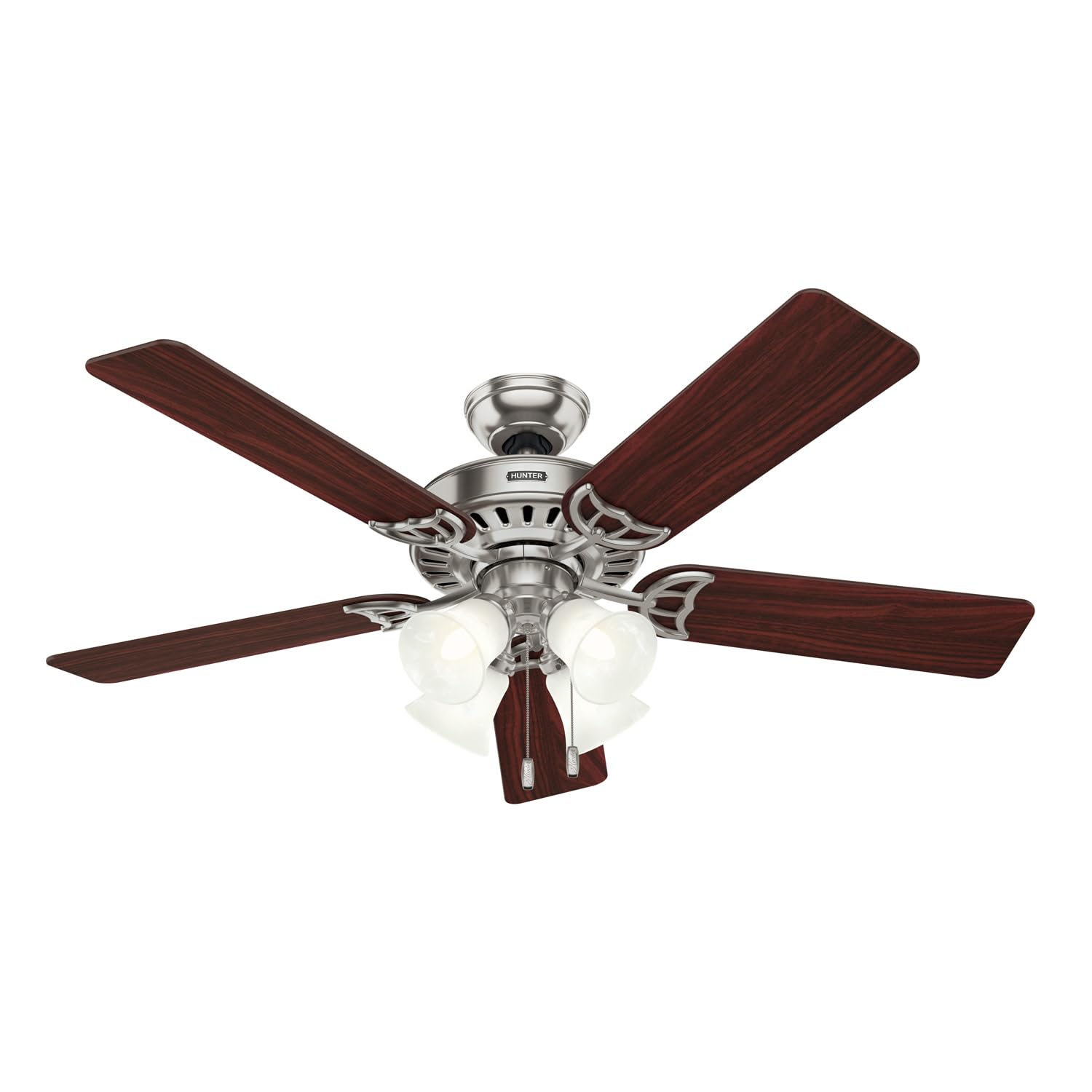
Most 52 inch fans fall into three broad types that cover most homes. Standard models with a light kit suit most bedrooms and living rooms. Low profile models sit close to the ceiling for rooms with limited height. Premium models add a DC motor, stronger light output, and smart controls for larger or more demanding spaces.
Three Types of 52 Inch Ceiling Fans Compared
The three types below reflect how people shop for this size. Each covers the same core job, but they differ in cost, noise, light quality, and controls.
Standard Fan With Light Kit
This type balances airflow, light, and price for most rooms. A central light kit gives general illumination, while three to five blades and a reversible motor support summer cooling and winter air circulation. Most versions include a remote or a pull chain and work with a short downrod on a standard eight foot ceiling. Choose it if you want one fixture for light and air without extra complexity.
Basic Fan Under About $100
Budget models focus on the essentials and skip extras such as WiFi and voice control. You still get a reversible motor and a simple light kit on many versions, but the light may be less bright and the remote may be sold separately. This type suits a guest room, a rental, or a second room where you need steady airflow and basic light at the lowest sensible cost.
DC Motor Fan With Smart Controls
Premium models use a DC motor that runs more quietly and uses less electricity than a comparable AC motor. They often add six speeds, a timer, dimmable LED light with selectable color temperature, and app or voice control. Choose this type if quiet operation matters for sleep or conversation, or if you plan to run the fan for many hours each day.
What to Compare Between 52 Inch Fans
Compare types on brightness in lumens, color temperature options, style and finish, installation method, energy use, and value for the price tier. Manufacturer specifications and verified buyer feedback about noise, wobble, and light quality are the best sources. If you want a wider view across all sizes, see our guide to the best ceiling fan for the full size range.
How to Choose the Right Ceiling Fan
Size and Form Factor
Fan sizes include 42 inch, 44 inch, 52 inch, 54 inch, 60 inch, and 72 inch models, plus small and large specialty sizes. The 52 inch size is the standard choice for rooms of about 144 to 400 square feet, which covers most primary bedrooms and living rooms. Smaller sizes can feel weak in a large room, while larger sizes can look crowded and cost more to run. Form also matters, so choose a flush mount or low profile shape for low ceilings and a downrod shape for higher ceilings.
Type
Common types include flush mount, low profile, smart, outdoor, modern, farmhouse, bladeless, industrial, caged, and boho styles. Style should follow the room, but function should come first. An outdoor model needs a damp or wet rating for a porch. A smart model needs a stable WiFi signal in the room. A caged or bladeless model suits some low ceilings and homes with bunk beds, though airflow can differ from a standard bladed fan. Match the type to the room conditions before you compare finishes.
Features Worth Paying For
A light kit, a remote, LED light, WiFi, and Alexa support are the features buyers ask about most. A remote is worth paying for in a bedroom and in any room with a high ceiling, since a pull chain becomes hard to reach. LED light lowers electricity use and lasts longer than older bulb types. WiFi and voice control add convenience if you already use a smart home system. If you do not, a simple remote gives you most of the daily benefit for less money and with a simpler setup.
Lumens and Color Temperature
Brightness is measured in lumens, and many 52 inch fans with a light kit provide about 800 to 1600 lumens. About 800 lumens can support a bedroom where lamps add extra light. A living room that relies on the fan as the main light source usually needs output near the top of that range. Color temperature shapes the feel of the room. Warm light around 2700K to 3000K feels calm, neutral light around 3500K to 4000K suits kitchens and work areas, and cooler light can feel harsh in a bedroom.
Fixture Size and Placement
Place the fan in the center of the room or over the main seating or sleeping area. Keep at least 30 inches of clearance from walls for good air movement in most layouts, and keep blades at least 7 feet above the floor for safety. On a sloped ceiling you need a mount rated for slopes and a longer downrod so the blades stay level. Measure before you order, since placement limits cannot be fixed by a stronger motor.
Dimmable and Smart Options
Dimmable LED light lets you use the fan light for both task light and soft evening light, but the dimmer, the wall switch, and the light module must be compatible. Some fans dim only through the remote or the app, not through a standard wall dimmer. Smart options can add schedules and voice control, but they also add setup steps. Choose a model that keeps a working remote or wall control even when smart features are offline.
For a direct comparison of motor efficiency and speed control, read our explainer on dc vs ac ceiling fan before you decide if a DC motor is worth the extra cost in your room.
Installation
Most 52 inch fans are hardwired to a ceiling electrical box rated for fan support. That box matters, since a standard light box may not hold the weight and vibration of a fan. Turn off power at the breaker, confirm the box rating, and follow the maker instructions for balancing and blade attachment. A plug in fan is rare at this size and still needs secure mounting. If wiring or box support is uncertain, hire a licensed electrician. Our step guide on how to install a ceiling fan walks through the full process in order.
How Much Should You Spend?
Under about $100, expect basic finishes, AC motors, and modest light output. From about $100 to $150, remotes and brighter LED kits become more common. From about $150 to $200, you gain quieter operation, better finishes, and more speeds. From about $200 to $300, DC motors, selectable color temperature, and smart controls appear more often. From about $300 to $500, expect premium materials, stronger warranties on the motor, and designs made for large or visible living spaces. Spend first on correct size and mount, then on motor and light.
Is a 52 Inch Ceiling Fan the Right Size for You?
A 52 inch fan fits most bedrooms of about 144 to 225 square feet and many living rooms up to about 400 square feet, depending on layout and ceiling height. In a long or open room, one fan centered over the main area may leave corners still, so furniture placement matters as much as the square foot figure. In a small room under about 144 square feet, a 42 inch or 44 inch fan usually looks and feels more balanced.
For sleep focused rooms, compare the noise and light details in our guide to the best ceiling fan for bedroom. For shared family space, our guide to the best ceiling fan for living room covers larger layouts and higher ceilings. If your room is much larger than 400 square feet, consider a 60 inch fan or two smaller fans rather than running one 52 inch fan at high speed all day.
Ceiling height is the other deciding factor. On an eight foot ceiling, a low profile mount keeps blades at a safe height. On a higher ceiling, a downrod brings the fan closer to the people in the room. Our overview on how to choose a ceiling fan helps if you are still deciding between sizes.
FAQs
What type of 52 inch ceiling fan suits most homes?
For most homes, a standard 52 inch fan with a light kit, a remote, and a reversible AC or DC motor is the most balanced choice. It covers a medium or large room, replaces a central ceiling light, and avoids paying for smart features you may not use. Focus on correct mount height and light brightness first, since those two factors shape daily comfort more than finish or blade count alone.
What size ceiling fan do you need for a 12 by 12 foot room?
A 12 by 12 foot room is 144 square feet, which sits at the lower edge of the 52 inch range. A 52 inch fan will work well there, especially if the room gets warm or has few windows that open. If the room feels small or the ceiling is low, a 44 inch fan can look more proportionate. Either size needs blades at least 7 feet above the floor, so check the mount style before you choose on diameter alone.
How long does a 52 inch ceiling fan last?
A well installed 52 inch fan often lasts about 10 years or more, and the motor can last longer than the light kit or the remote. Dust buildup, loose blades, and a failing capacitor are common causes of noise or slow speeds before the motor itself wears out. Tightening screws, cleaning blades, and keeping the fan balanced can extend service life. If the motor hums loudly, smells hot, or stops starting reliably, stop using it and call a professional.
Is a 52 inch ceiling fan worth it compared with air conditioning?
A fan cools people, not rooms, by moving air across skin, so it lets many households raise the thermostat a few degrees while staying comfortable. It uses far less electricity than central air conditioning, but it does not remove humidity. The two work best together in hot weather. Run the fan counterclockwise in summer, and turn it off when the room is empty.
How do you clean a 52 inch ceiling fan?
Turn the fan off and let the blades stop fully. Slide an old pillowcase over each blade and pull it back slowly, so dust falls into the fabric instead of onto the floor. Wipe the motor housing and light cover with a lightly damp cloth, and keep moisture away from the motor vents. Clean every few months in dusty rooms.
What makes a ceiling fan quiet enough for a bedroom?
Reliability in a bedroom comes more from correct installation and balance than from any single brand claim. Choose a fan with a balanced blade set, a motor rated for quiet operation, and a mount that fits your ceiling box and height. Run the fan for a full night on low speed before you judge it, since some sounds only appear after the motor warms up. Keep the remote by the bed so you can change speed without turning on a bright light.
How do I find the best 52 inch ceiling fan for my room?
Confirm that the room falls in the usual 144 to 400 square foot range, then match the mount to your ceiling height. After that, compare motor type, light output and controls.
Final Thoughts
Start with room size, ceiling height, and mount type, then compare light brightness, color temperature, and motor type within the correct size. That order leads most buyers to the best 52 inch ceiling fan for their room, one that feels quiet, looks balanced, and lights the room well. Review the product table above once more, check your ceiling box rating and measurements, and choose the type that matches how you will use the room each day.