
Best 6 Cup Muffin Pan: Buying Guide (2026)
Disclosure: We may earn a commission when you buy through links on this page, at no extra cost to you. As an Amazon Associate I earn from qualifying purchases. Learn more

Nonstick metal, silicone or uncoated steel: how to pick a 6 cup muffin pan for small batches, tight storage and easy care.
A half batch of blueberry muffins for two people does not need a pan that fills the whole oven rack. A compact pan suits small households, narrow ovens, and kitchens where cabinet space is already spoken for. Choosing the best 6 cup muffin pan comes down to your space, how many people you bake for, and how much upkeep you want. The comparison table below sums up the main types at a glance.
This guide walks through size, materials, finishes, and realistic prices, then compares the three pan types that cover most homes.

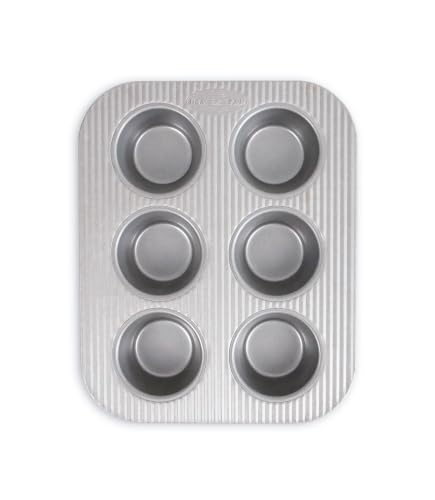


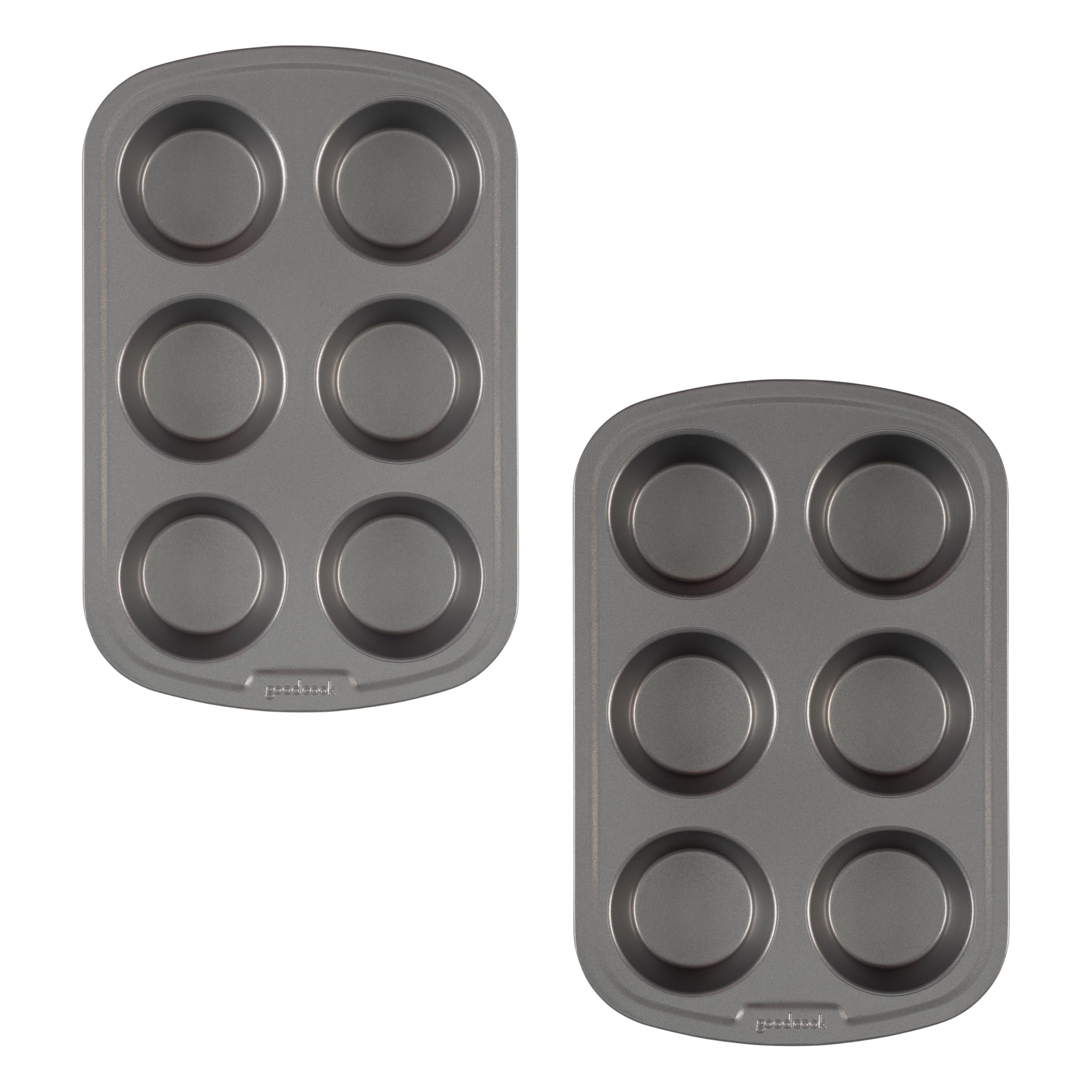
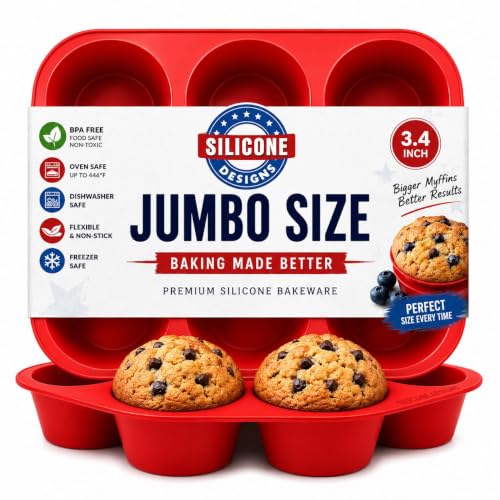
Quick Answer: The Three Types Worth Comparing
Most shoppers will land on one of three types. A rigid metal pan with a nonstick coating is the easiest starting point for most homes, since muffins release cleanly and the pan holds its shape on the rack. A silicone pan stores flat or folded and suits very tight kitchens, though it needs support when full. An uncoated heavy metal pan costs more at first, lasts for many years, and rewards careful greasing.
Your oven size, usual recipes, and cleaning habits matter more than any single feature.
Before You Buy: A Quick Checklist for Choosing a Muffin Pan
Size: Match It to Your Space
A 6 cup pan bakes a half batch, which fits singles, couples, and small families who prefer fresh muffins over a freezer full of extras. Measure your oven interior and your storage spot before ordering, and leave room around the pan for hot air to move. Standard cups suit most recipes, while jumbo cups hold a larger portion and mini cups make bite size snacks. If tiny bakes appeal to you, our guide to the best mini muffin pan explains that format in full.
Which Type Fits Your Routine
Nonstick metal pans release muffins with little effort and brown evenly, which suits weekday baking when time is short. Aluminum conducts heat well and stays light to lift, while carbon steel feels sturdier and holds heat a bit longer. Stainless steel resists rust, though batters can stick without good greasing. Ceramic coated pans offer simple cleanup, but the coating needs gentle tools to stay intact.
Silicone pans bend for easy release and store in spaces a rigid pan cannot use, such as a narrow drawer. If that flexibility fits your kitchen, our guide to the best silicone muffin pan covers what to check before buying. Whatever the material, look for a rim that keeps the pan steady when you carry hot batter.
Features Worth Paying For and Ones to Skip
Wide rims and sturdy handles are worth paying for, since they give your oven mitts a secure grip when the pan is hot and full. A lid can help if you often carry muffins to school events or store leftovers in the pan itself. Skip oversized handle cutouts that waste oven space in a small kitchen, and skip bundled extras you already own, such as spare liners or novelty shapes. A simple flat rim and even cup spacing serve daily baking far better than decorative additions.
Light Versus Dark Finish and Browning
Finish color changes how your muffins brown, sometimes more than the recipe does. Light finishes reflect heat, so bottoms stay paler and tops cook gently, which suits delicate batters and sugar rich mixes that scorch easily. Dark finishes absorb more heat and give firmer crusts and deeper color, but they can overbrown bottoms if you follow the printed time without checking early. With a dark pan, check a few minutes ahead and consider lowering the oven setting slightly.
Oven Safe Temperature
Every pan has a heat limit, and it is not the same across materials. Bare metal usually tolerates the highest heat, while nonstick coatings and silicone carry lower stated limits from their makers. Check the limit against your actual habits, including broiler use for egg dishes or a very hot oven for popovers. If a listing does not state a clear limit, treat that as a reason to pass. Staying within the rated range protects the surface and helps prevent warping.
Nonstick Coating Versus Uncoated Metal
A nonstick coating releases muffins with a light spray of oil or none at all, and cleanup takes minutes. The trade off is a finite surface life, since coatings thin with metal tools, stacked storage, and high heat. Uncoated metal asks more of you, because thorough greasing decides whether muffins lift out whole. Our walkthrough on how to grease a muffin pan shows the method that makes uncoated pans reliable. Shoppers avoiding coatings can read our guide to the best non toxic muffin pan for material options.
Realistic Budget Ranges
Basic pans under $15 cover simple nonstick metal and plain silicone, and they suit occasional baking well. The middle range, about $15 to $25, usually buys thicker metal, better coatings, and rims that feel solid in the hand. Spending about $25 to $40 should bring heavier gauge metal and a finish built for frequent use. Price alone does not promise even baking, so weigh gauge and construction over brand fame. For weekly use, the middle range often gives the lowest cost per year.
Types Compared: How the Main Options Differ
Rigid Nonstick Metal for Most Homes
This is the type most households settle on, and for good reason. The firm frame slides in and out of the oven without flexing, muffins release with little residue, and the pan stacks neatly with other bakeware. It suits egg muffins, standard recipes, and cupcakes with liners. The main limit is coating care, since soft tools and gentle washing keep the surface releasing well.
Flexible Silicone for Tight Storage
Silicone earns its place in small apartments, dorm kitchens, and crowded cabinets where a rigid pan will not fit. Cups push up from below, so muffins pop out without scraping, and the pan can roll or fold into a drawer corner. The weakness is stability, since a full pan sags without a baking sheet beneath it. A metal frame in the rim makes the trip to the oven far steadier.
Uncoated Heavy Metal for Long Term Value
Thick uncoated aluminum or steel pans cost more and ask for careful greasing, but they have no coating to wear out. That makes them a sound choice for people who bake weekly and want one pan to serve for a decade or longer. They handle high heat well and brown steadily. The daily cost is a few extra minutes of prep and washing, which regular bakers usually accept in exchange for durability.
How to Compare These Pans
Weigh heat distribution, food release, resistance to warping, material safety, and cleaning effort, using maker specifications and patterns in verified buyer feedback. The focus stays on fit for your space, household size, and routine, plus the cost of owning each type over time.
Is a 6 Cup Muffin Pan the Right Size for You?
A 6 cup pan fits households that bake in small amounts and eat what they bake within a day or two. Singles and couples get fresh muffins without a week of leftovers, and small families can bake a quick batch for breakfast. It also suits toaster oven owners, since many compact pans fit where a 12 cup pan cannot. When a recipe makes twelve, bake two rounds back to back while the first round cools.
The size falls short in a few clear cases. If you bake for bake sales, big brunches, or meal prep for a large family, a bigger format saves real time. Our broader guide to the best muffin pan compares 12 cup, 24 cup, and jumbo formats for those needs. Shallow cups also limit popovers and tall muffins, so check cup depth against the recipes you make most.
Common Buying Mistakes to Avoid
- Buying before measuring, so the pan fits the oven but not the cabinet where it must live.
- Ignoring the heat limit, then using a coated or silicone pan under a broiler it was never rated to handle.
- Paying for extras such as lids and novelty shapes that add bulk without improving your usual bakes.
- Forgetting replacement cost, since a cheap coated pan replaced yearly can cost more than one sturdy pan.
- Filling every cup to the brim, which makes batter spill and weld muffins together.
Cost of Ownership and Care
Owning a muffin pan costs little beyond the purchase, but a few habits protect that spend. Liners are the main repeat cost for cupcake bakers, while reusable silicone liners cut that expense for regular users. Store rigid pans flat and avoid stacking heavy cookware inside the cups, since weight and friction wear coatings and can bend thin rims. Keep silicone away from sharp knives and open flame, and let every pan cool before washing.
For washing, warm water, a soft sponge, and a short soak handle nearly all residue. Avoid steel wool and harsh scouring pads, which strip coatings and scratch bare metal until batter starts to cling. Our step by step guide on how to clean a muffin pan covers stuck on batter and stained cups in detail. Dry the pan fully before storing it, since trapped moisture in cup corners starts rust on steel.
Your Questions, Answered
What is the most reliable muffin pan brand?
Reliability tracks construction more than the name stamped on the rim. Thick gauge metal, an evenly applied coating, and a rim that stays flat after repeated heating matter more than fame. One practical check is warranty length and how the maker handles coating claims, since brands that stand behind a pan tend to build it better. Check recent feedback for warping reports on the exact size you want.
How do you clean a muffin pan with baked on egg?
Baked on egg needs patience rather than scrubbing force. Fill each cup with warm water and a drop of dish soap, then let the pan sit for about 20 to 30 minutes while the protein loosens. A bottle brush reaches the cup corners where egg hides without harming a coating. If a pale film remains, a paste of baking soda and water, left for ten minutes, lifts it gently.
Is a muffin pan worth it for a small kitchen?
Yes, if you bake even a few times a month, because the pan covers far more than muffins. The cups portion egg bites, mini meatloaves, baked oatmeal, and frozen herb and oil cubes, so one small pan replaces several single use tools. In a tiny kitchen that range matters. If you bake only once or twice a year, borrowing a pan makes more sense than storing your own.
How long does a muffin pan last?
Lifespan depends mostly on surface type and heat habits. A coated pan used gently often gives several years of clean release before batter starts to cling, while uncoated heavy metal can serve for decades with only cosmetic staining. Silicone sits between the two, lasting well until the surface turns sticky or tears. Replace any pan that warps enough to rock on a flat counter.
What size muffin pan do I need for standard recipes?
Look at cup volume rather than the size name on the box, because makers use words like standard and regular loosely. Most boxed mixes and classic recipes assume a standard cup, with batter filling each cup about two thirds full. If your cups are deeper than usual, the same recipe yields fewer muffins with taller tops. Fill one cup with water from a measuring cup to learn its true volume.
What is the best 6 cup muffin pan for a toaster oven?
For a toaster oven, the winning traits are a short overall length, low sides, and no wide handles eating into the cavity. Measure with the door in mind, since some pans fit the rack but block the door latch. Rigid metal suits toaster ovens best, because it sits flat on the small rack and browns evenly. Silicone needs a small tray beneath it, so measure that pairing before you buy.
Final Thoughts
Match the pan to your kitchen first and your recipes second, and the choice gets simple. Small households that bake often will get daily value from the best 6 cup muffin pan in a type that stores easily, cleans fast, and stays within its heat limit. Use the product table above to compare the main types, then pick the one whose trade offs you mind least.


