
Best 5G Camera Phones in 2026: Every Type Explained Side by Side
Disclosure: We may earn a commission when you buy through links on this page, at no extra cost to you. As an Amazon Associate I earn from qualifying purchases. Learn more

Budget, mid range and camera focused types compared to help you find the best 5g camera phones for night mode, zoom, battery and storage.
Phone shelves mix cheap models, balanced models and costly camera flagships until the specs blur together. The best 5g camera phones for you depend on how you shoot, how fast your area networks feel and how long you keep a phone. This guide compares types first, so you can use the comparison table below with a clear shortlist in mind.
Start with your hardest photo job. Dim restaurants, moving kids and distant stages punish weak cameras in different ways. Match that job to a type, then check lens set, battery, display and update promise before price decides.
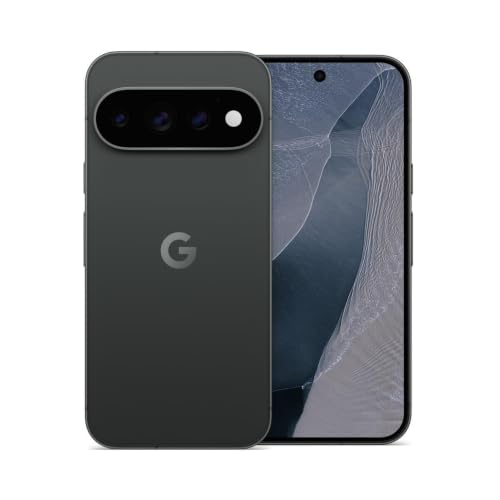


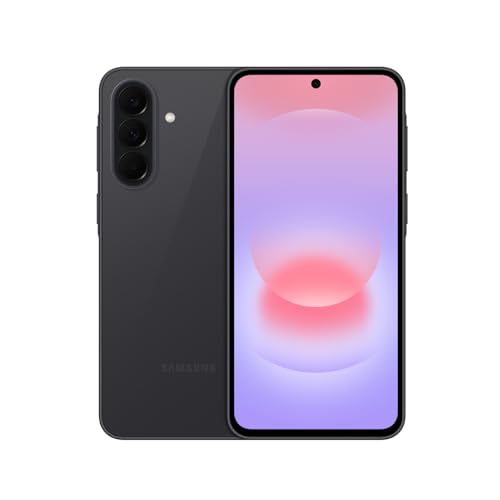


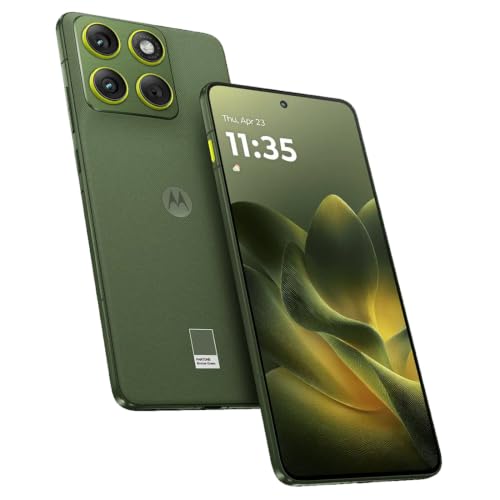
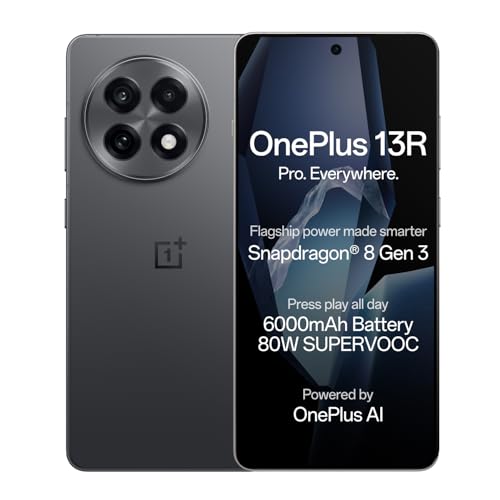


Types of 5g Camera Phones Compared
Three broad types cover nearly every price band, yet they spend your money in very different places. If you want a broader look at phone cameras alone, see our guide to the best mobile phone cameras after you settle on a type here.
Budget Phones Built Around Value
Budget phones usually cost about $150 to $300 and put one competent main lens at the center. Daylight photos look clean, and night mode helps on still scenes, though fine detail fades as light drops. You often get a large battery and a plain plastic body, while extras such as a telephoto lens, wireless charging and an IP68 rating are rare. Choose this type for documents, family snapshots and social posts if you would rather replace a phone sooner than pay flagship prices.
Camera Focused Phones Built Around the Lens Set
Camera focused phones usually cost about $600 to $1,200 and spend most of their budget on larger sensors, better lenses and smarter image processing. A real telephoto lens keeps distant subjects sharp, and stronger night mode holds color and detail after dark. Video gains steadier stabilization and cleaner sound. If image quality decides your purchase, see our guide to the best phones with good camera quality. Choose this type if you shoot daily and print or crop your photos.
Mid Range Phones Built Around Balance
Mid range phones usually cost about $300 to $600 and borrow the main lens ideas of flagships while trimming the extras. Most give you a solid main camera, a useful ultrawide lens and an OLED screen, but zoom reach and low light polish sit a step below the top tier. Battery life is often the quiet strength here, because efficient chips sip power. Choose this type for a phone that photographs well, plays games smoothly and lasts a full busy day.
Budget Phones vs Camera Focused Phones: Which Should You Choose?
Compare the two ends of the market on five points. For cameras, budget models rely on one main lens and software tricks, while camera focused models add lens choice and larger sensors. For speed, both handle apps well, but heavy video editing favors the stronger chip. For screens, budget panels are dimmer outdoors, while top models stay readable in sun. For build, only the costly tier routinely offers an IP68 seal. For network value, our guide to the best 5g phones shows that fast data alone rarely justifies flagship money.
Choose the budget type if your photos live on screens and your subjects sit still in decent light. Choose the camera focused type if you shoot concerts, wildlife or sports where a missed shot has a real cost. The gap shows most at night and at long zoom, and least on a sunny afternoon.
How to Choose the Right 5g Camera Phone
Work through the factors below in order when you shop for best 5g camera phones, because the camera system shapes your photos more than any other single choice.
Camera System, Lenses and Night Mode
A main lens handles most shots, an ultrawide lens fits groups and rooms, and a telephoto lens brings distant subjects closer without digital blur. Sensor size matters more than megapixel counts, because larger sensors gather more light for cleaner night mode results. For video, look for stabilization on the main lens and clear audio capture. Shoppers who rank phones by lens alone can see our guide to the best phones by camera. Prioritize the lens you will use weekly, not the longest spec list.
Processor, RAM and Everyday Performance
The processor does more than open apps, because it also cleans noise, merges night frames and applies portrait effects in the camera itself. A stronger chip makes the shutter feel instant and keeps editing apps smooth. About 8 GB of RAM suits most buyers, while 12 GB or more helps if you switch between games, maps and the camera all day. Choose the stronger chip if you edit on the phone often.
Battery Life, mAh Rating and Charging Speed
Most phones in this class carry about 4,500 to 5,500 mAh, and that capacity roughly predicts how long the phone runs between charges. Camera use drains power fast, because the screen stays bright and the processor works hard on each shot. Fast wired charging that refills half the battery in about 30 minutes suits travel days, while wireless charging suits desks. If you shoot video outdoors for hours, favor the larger battery over a slimmer body.
Display Size, OLED Panels and Outdoor Brightness
The screen is your viewfinder and your editing desk, so its quality shapes every photo you judge. OLED panels show deep blacks and rich color, which helps you spot shadow detail before you share a shot. Screens run about 6.1 to 6.9 inches, and a 120 Hz refresh rate makes scrolling through a photo library feel smooth. Peak brightness matters most outside, where a dim panel hides focus errors. Choose a brighter panel if you review in sun often.
Storage, Software Updates and Water Resistance
Photos and 4K video fill space quickly, so about 256 GB suits keen photographers, while 128 GB fits lighter users who offload to cloud storage. Few phones here still accept memory cards, so buy capacity up front. Software updates protect security and add camera features, and the best support windows now run five years or longer. An IP68 rating means the phone can survive rain and brief shallow immersion.
Common Mistakes to Avoid
- Judging a camera by megapixels alone leaves you with noisy night shots, because sensor size and processing matter more.
- Skipping the telephoto check means distant subjects turn soft, because digital zoom only crops and enlarges the image.
- Buying 128 GB as a keen video shooter fills storage within months and forces rushed deletions on trips.
- Ignoring the update window leaves a good camera on old software, because makers stop adding features and security fixes.
- Choosing a locked phone for a low monthly price limits your carrier options when you travel or switch plans.
- Judging cameras only in bright store light hides weak night mode, because showroom lighting flatters every phone.
How to Make Your 5g Camera Phone Last Longer
Fit a case and a screen protector on day one, because camera glass sits raised on most backs and cracks often land there first. Keep lens glass clean with a soft cloth, since skin oil softens contrast in bright light. Update software when prompted, because updates often carry camera fixes and battery care tools alongside security patches.
Heat shortens battery life, so avoid charging on hot car seats or in direct sun, and remove a thick case while fast charging if the phone feels warm. Store backup copies of your photos in a second place each month. A swollen battery or a cracked screen deserves a prompt repair visit, because damage near seals lets water in.
Frequently Asked Questions
Should I buy an unlocked 5g camera phone?
Yes, an unlocked 5g camera phone is the safer buy for most people. It works across carriers, so you can change plans, use local SIM cards abroad and sell the phone more easily later. Check that the model supports the 5G bands your carrier uses, because band support still varies by region. Carrier deals can cost less up front, but savings shrink if you stay past the payoff date.
Is a mid range 5g camera phone good enough for most photos?
Yes, a mid range 5g camera phone covers most everyday photos well. Its main lens matches flagship results in daylight, and group shots, food photos and travel scenes look sharp on screens and small prints. The gaps appear in long zoom, fast motion in dim light and polished video audio. If those jobs are rare for you, the savings are real.
How much storage does a 5g camera phone need for photos and video?
Most keen photographers should choose 256 GB in a 5g camera phone. One minute of 4K video can use about 400 MB, and burst photos add up during trips. Light users who stream media and offload photos each month can manage 128 GB. Turn on automatic cloud backup before a big trip, because a lost phone should never mean lost photos.
How many years of software updates should a 5g camera phone get?
A 5g camera phone should get at least four to five years of software updates. Longer support keeps security strong and often brings new camera modes to older hardware. Check whether the promise counts from the launch date rather than your purchase date, because buying late in a cycle shortens your real window. Budget models tend to stop sooner, so weigh that gap against the price.
Do I need 5G on a camera phone for everyday use?
No, you do not need 5G for the camera itself, because lenses and sensors work the same on any network. 5G helps after the shot, when you back up large video files or post clips away from WiFi. Coverage varies by street and building, so a strong 4G signal often beats a weak 5G one. Buy for the camera first and treat fast uploads as a bonus.
The Bottom Line
Pick your type first, then rank the camera system, battery and update promise inside that type. Budget phones reward daylight shooters, mid range phones balance nearly everything and camera focused phones earn their price at night and at long zoom. Use the product table above to confirm storage, screen size and price before you order.
When the best 5g camera phones on your shortlist all match your hardest photo job, the choice gets simple. Buy the type that fits how you already shoot, and your next phone will feel like an upgrade daily.


