
Best 55 Inch Standing Desk: Buying Guide (2026)
Disclosure: We may earn a commission when you buy through links on this page, at no extra cost to you. As an Amazon Associate I earn from qualifying purchases. Learn more

Single motor, dual motor or crank: how to match a 55 inch standing desk to your room, users and height range.
A spare bedroom that doubles as an office, a teenager doing homework at the kitchen end of the living room, and a parent who wants to stand during calls all point to the same desk size. A 55 inch top is wide enough for a laptop, a monitor, and a notebook, yet it still fits through doorways and against short walls. Finding the best 55 inch standing desk for your home means matching that footprint to your space, the people who will share it, and your budget. The comparison table below sums up the main types, and the checklist that follows walks you through each decision.
If your household is still weighing the broader category, start with our guide to the best standing desk for an overview of sizes and lift styles. This article stays focused on the 55 inch width, because that choice shapes everything else, from motor strength to frame size.

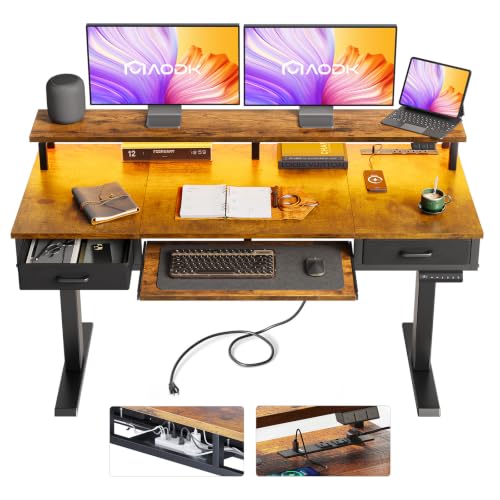

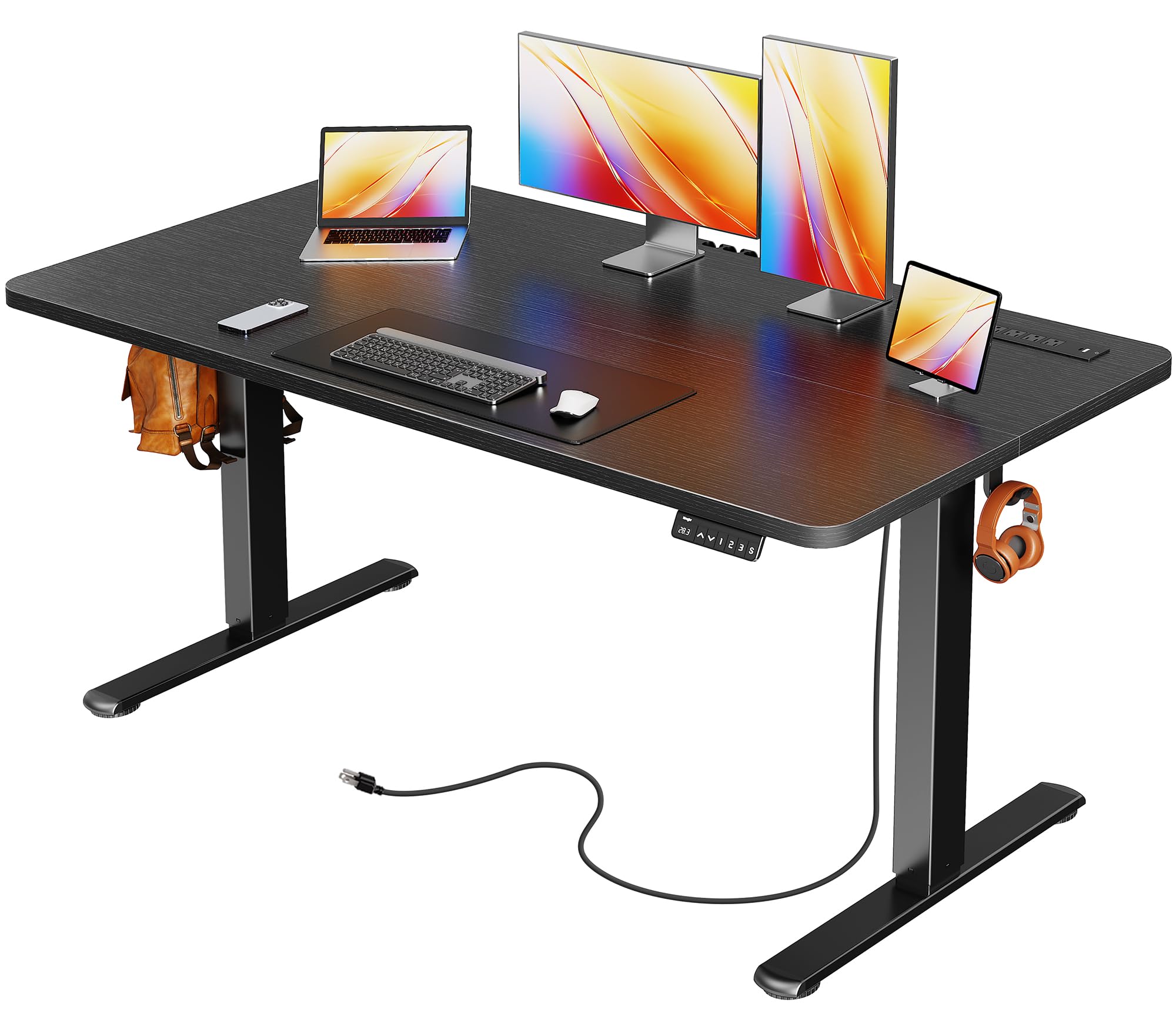
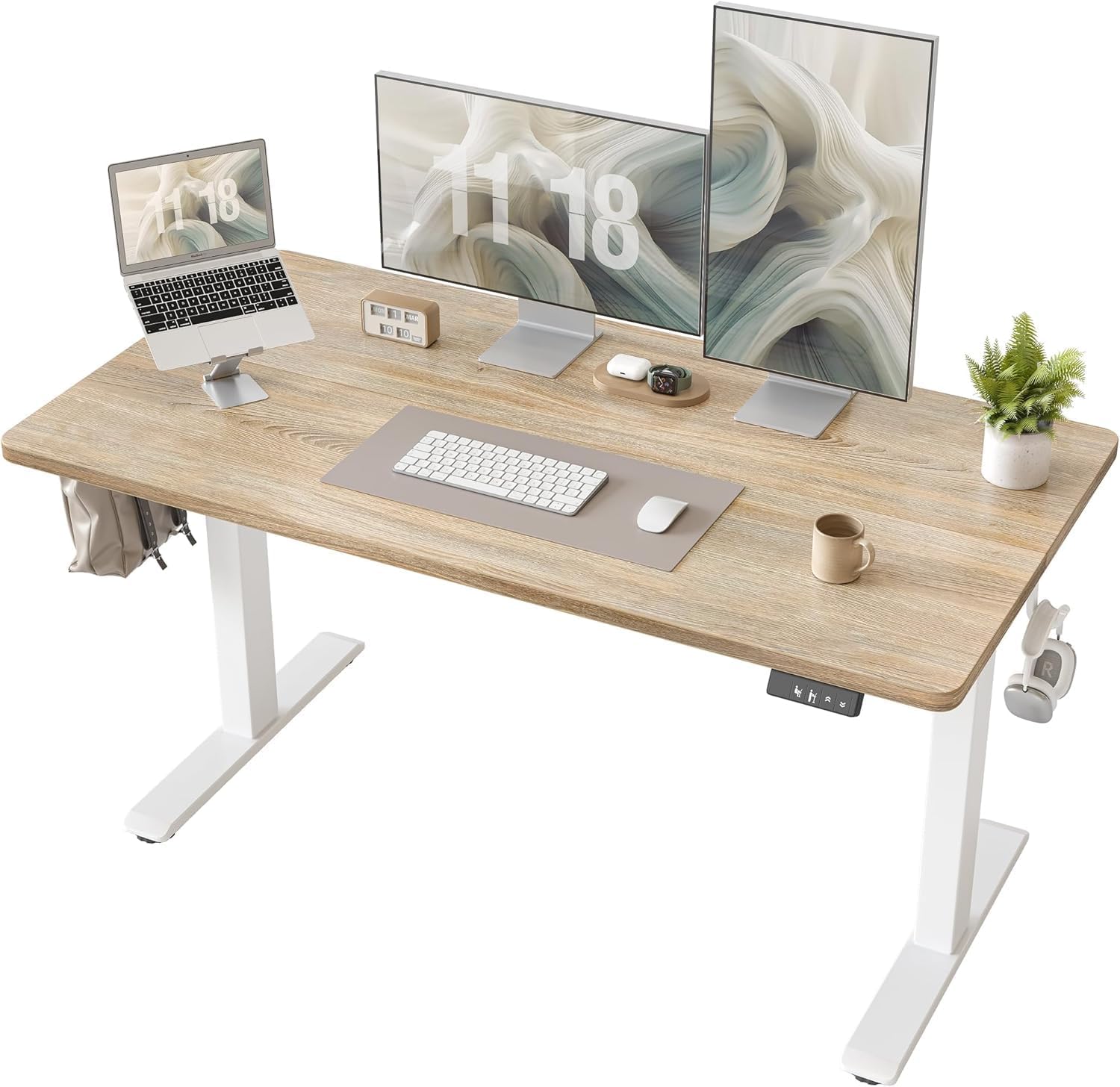
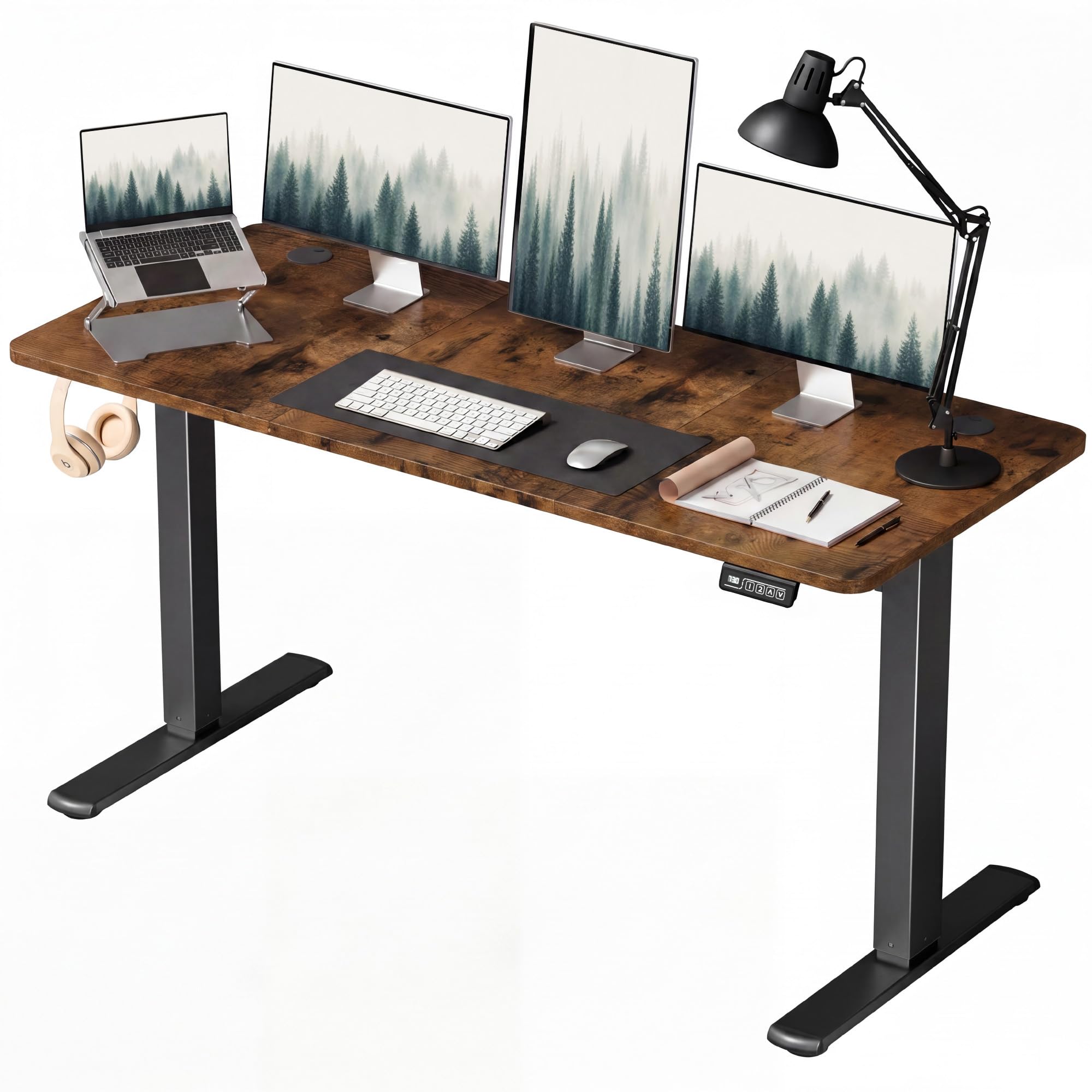


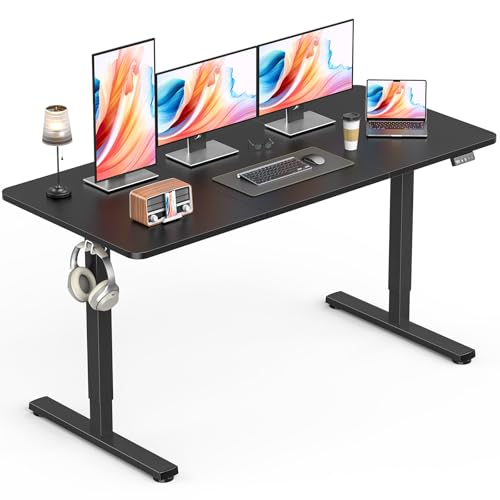
Quick Answer: How to Choose in 30 Seconds
Pick a dual motor electric desk if two or more people of different heights will share it, because presets make each change of user painless. Choose a single motor electric model if you work alone and want to keep spending down. Choose a manual crank desk or a desktop converter if the room has no free outlet. Every type below raises the same 55 inch top, so your real decision is the lift system, the height range, and the load the frame can carry.
Before You Buy: A Quick Checklist for Choosing a Standing Desk
Work through these points in order. Size and fit come first, because a desk that crowds the room or misses your elbow height will annoy you every single day.
Size: Match It to Your Space
A 55 inch top is about four and a half feet wide, which suits one person with two screens or a laptop plus a large monitor. Measure your wall run and leave at least a few inches on each side for cables and for the top to travel without rubbing. Shallower rooms pair better with a 24 inch deep top, while a 30 inch deep top gives room for a monitor arm. If your layout turns a corner, compare this width with a best l shaped standing desk, which adds a return for printers or paperwork.
Which Type Fits Your Routine
Electric frames raise the top at the push of a button and suit anyone who changes position several times a day. Manual crank frames cost less and need no outlet, but the slower lift means most people adjust them once and then sit or stand for long stretches. Desktop converters sit on an existing table and lift only your screens and keyboard, so they work as a trial step. Solid wood and bamboo are surface choices rather than lift types, and either can ride on an electric or manual frame.
Features Worth It (and Ones to Skip)
Memory presets are worth paying for in a shared home, since each person stores a sitting and a standing height. Anti collision sensors matter when the desk stands near a wall, a radiator, or a low shelf, because the frame stops when the top meets resistance. Built in power outlets and a cable tray keep chargers off the floor. You can usually skip drawers you will rarely open, wheels on a desk that will never move, and a monitor shelf that duplicates what a simple stand already does.
Body Size and Weight Capacity
Add up everything that will live on the top: screens, a monitor arm, a laptop, speakers, books, and your own leaning weight during long calls. Many 55 inch frames carry about 150 to 250 pounds, and staying well under the stated limit keeps the lift smooth and the motors quiet. Check the limit with the top at full height too, because a loaded desk feels less steady when raised.
Adjustability: Height Range That Fits Everyone
The top should drop low enough for your elbows to rest at a right angle while you sit, and rise high enough for the same angle while you stand. A range of roughly 24 to 50 inches covers most adults, but taller users need the upper end checked with care. Our standing desk height calculator turns your own height into sitting and standing targets, so you can compare those numbers with any frame before you order it.
Materials and Durability
Laminate tops resist stains and cost the least, and they shrug off coffee rings in a busy family room. Bamboo tops feel warmer and harder, and they handle daily wiping well. Solid wood tops weigh more, so they demand a stronger frame and a higher budget. Frame steel thickness and foot length decide how much the top wobbles at standing height, so favor long feet and a crossbar when you type while standing.
Assembly and Warranty
Most 55 inch desks arrive as a frame, a top, and a bag of bolts, and one adult can build one in about an hour with the included tool. Desks with holes already drilled and labeled parts go together fastest. Read the warranty in two parts, because frame and motor coverage often runs longer than coverage for the top and the controller.
Realistic Budget Ranges
Under about $200, expect a single motor or manual frame, a laminate top, and basic up and down controls. Between about $200 and $400, dual motors, memory presets, and longer warranties become common. Above about $400, you gain higher load limits, quieter travel, and premium top materials. Shoppers hunting the lowest workable price can compare notes in our guide to the best budget standing desk before settling on a tier.
Three Types of 55 Inch Standing Desks Compared
Instead of ranking individual models, compare the three lift types below. Each one suits a different home, and the product table above lists current options in each group.
Single Motor Electric Desks for One Regular User
One motor drives both legs through a connecting shaft, which keeps the price down and assembly simple. Travel speed is slower and load limits are lower than dual motor frames, yet a solo worker with a laptop and one monitor rarely notices. This type fits a bedroom office where the same person sits and stands on a predictable schedule, and the money saved can fund a monitor arm instead.
Dual Motor Electric Desks for Shared Homes
A motor in each leg lifts the top faster, more evenly, and with more weight on board. The frame also stays steadier at full height, which matters when a tall parent and a shorter teen take turns through the day. For households comparing frame brands and control styles, our roundup of the best standing desk for home office covers the wider market beyond this width.
Manual Crank Desks and Desktop Converters
A crank handle removes the need for power, so this type works in rooms where every outlet is already taken. Converters cost the least of all and need no assembly beyond lifting them onto a table, but they raise only part of your setup and leave the rest at sitting height. Choose either option when flexibility matters more than speed, or when you want to test standing habits before buying a full frame.
What to Compare Between 55 Inch Standing Desks
Compare frames on ergonomics and adjustability, build quality and materials, size and weight capacity, assembly effort, and warranty terms. The figures come from manufacturer specifications and from patterns in verified buyer feedback, such as repeated notes about wobble, noise, or missing parts. Live prices sit in the product table, which replaces the rough ranges used in this guide.
Is a 55 Inch Standing Desk the Right Size for You?
For most home workers, yes. A 55 inch standing desk holds two screens side by side with space for a notebook, which covers the setup most people actually use. It also fits the short wall in a guest room where a 60 or 72 inch top would block a door swing or a radiator. Step down to 48 inches only if your measured wall run forces it, and step up to 60 inches if you spread paper plans or art supplies beside your screens. Families sharing one desk gain the most from this middle size.
Common Buying Mistakes to Avoid
- Measuring the wall but not the doorway: a one piece 55 inch top may not turn the corner in a narrow hall, so check the delivery path before ordering.
- Ignoring the lowest height: a frame that stops too high leaves shorter users shrugging their shoulders while seated, which aches within an hour.
- Forgetting the floor: thick carpet can tilt a loaded desk and strain the leveling feet, so plan a firm surface or a large chair mat.
- Buying features before fit: drawers and shelves add cost and weight, and none of them fix a height range that misses your body.
Cost of Ownership and Care
Running costs stay low. An electric frame draws power only while moving, plus a small standby draw, so unplugging it during holidays trims even that. Budget for small extras over the years: a cable tray, replacement glides for the feet, and a surge protector for the control box. Wipe laminate and bamboo tops with a damp cloth and dry them at once. Once a year, snug the frame bolts, check that both legs rise evenly, and clear dust from the motor housings so the lift stays quiet.
Your Questions, Answered
Are standing desks worth it for home use?
They earn their cost when you actually alternate positions through the day, because the variety eases the stiffness that builds during one long sit. A desk that stays at one height all week is just an expensive table. If you are still deciding, read our explainer on are standing desks worth it, then set a simple phone timer for the first weeks so the habit forms before motivation fades.
How long should you stand at a standing desk each day?
Start with 15 to 30 minutes of standing for every hour of desk work and build up as your legs allow. Total standing of about two to four hours spread across the day suits most people. Shift your weight, take short walks, and sit again when your feet ache, since standing still for hours strains your lower back and knees in its own way.
How do you use a standing desk correctly?
Set the top so your elbows bend at about a right angle and your screen sits at or just below eye level, roughly an arm length away. Keep your wrists flat and your shoulders down. A small footrest or a firm box lets you rest one foot at a time, which changes the load on your hips. Wear supportive shoes or stand on a cushioned mat rather than a hard floor in socks.
What size standing desk do I need for two monitors?
Two 24 inch monitors on their factory stands take up about 44 inches of width, so a 55 inch top leaves room for a notebook or a phone beside them. A dual monitor arm frees several more inches of depth and width. If your screens are 27 inches or larger and you also spread paperwork, measure your full layout on a table first, because that test may push you toward 60 inches instead.
How hard is it to assemble a 55 inch standing desk?
Assembly is moderate rather than hard. The heavy step is flipping the finished desk upright, which takes two adults for safety. Lay every bolt out first, tighten the frame screws only finger tight until the top sits square, then snug them in turn. Save an hour on a clear floor, and photograph the cable routing before you finish so later changes are easy.
How do I choose the best 55 inch standing desk for a shared room?
Pick a frame with memory presets and a height range that fits the tallest and shortest user, then check the load rating against your gear. Dual motor frames are steadier for shared use.
Final Thoughts
Match the footprint to your room, the height range to the tallest and shortest users, and the lift type to how often you will change position. Do that, and the best 55 inch standing desk for your home becomes an easy call rather than a gamble. Check your measurements against the product table above, pick the type that fits your routine, and your shared home office will feel settled for years.


