
Best 63 Inch Desks (2026): Buying Guide and Sizing
Disclosure: We may earn a commission when you buy through links on this page, at no extra cost to you. As an Amazon Associate I earn from qualifying purchases. Learn more

Choosing the best 63 inch desk? A 63 inch top gives two monitors, a laptop and notes room to breathe.
A 63 inch top sounds simple until you start picturing two monitors, a laptop, a notebook, and a mug all sharing the same surface. Go too small and your elbows run out of room. Go too large and the desk crowds the room and blocks drawers or doors. The best 63 inch desk gives you that wide work surface while still fitting a normal home office, bedroom, or shared living space, and the comparison table below sums up the main types side by side.
This guide walks through the three desk types most buyers compare at this size, the features that actually change daily comfort, and the measurements to check before you order.
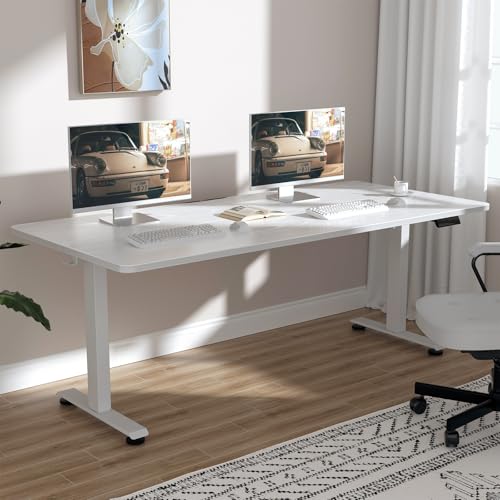


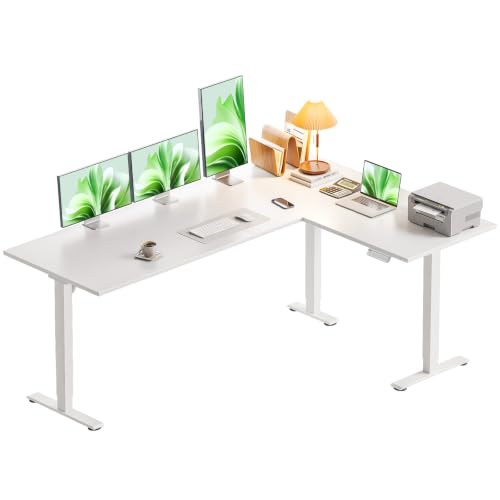
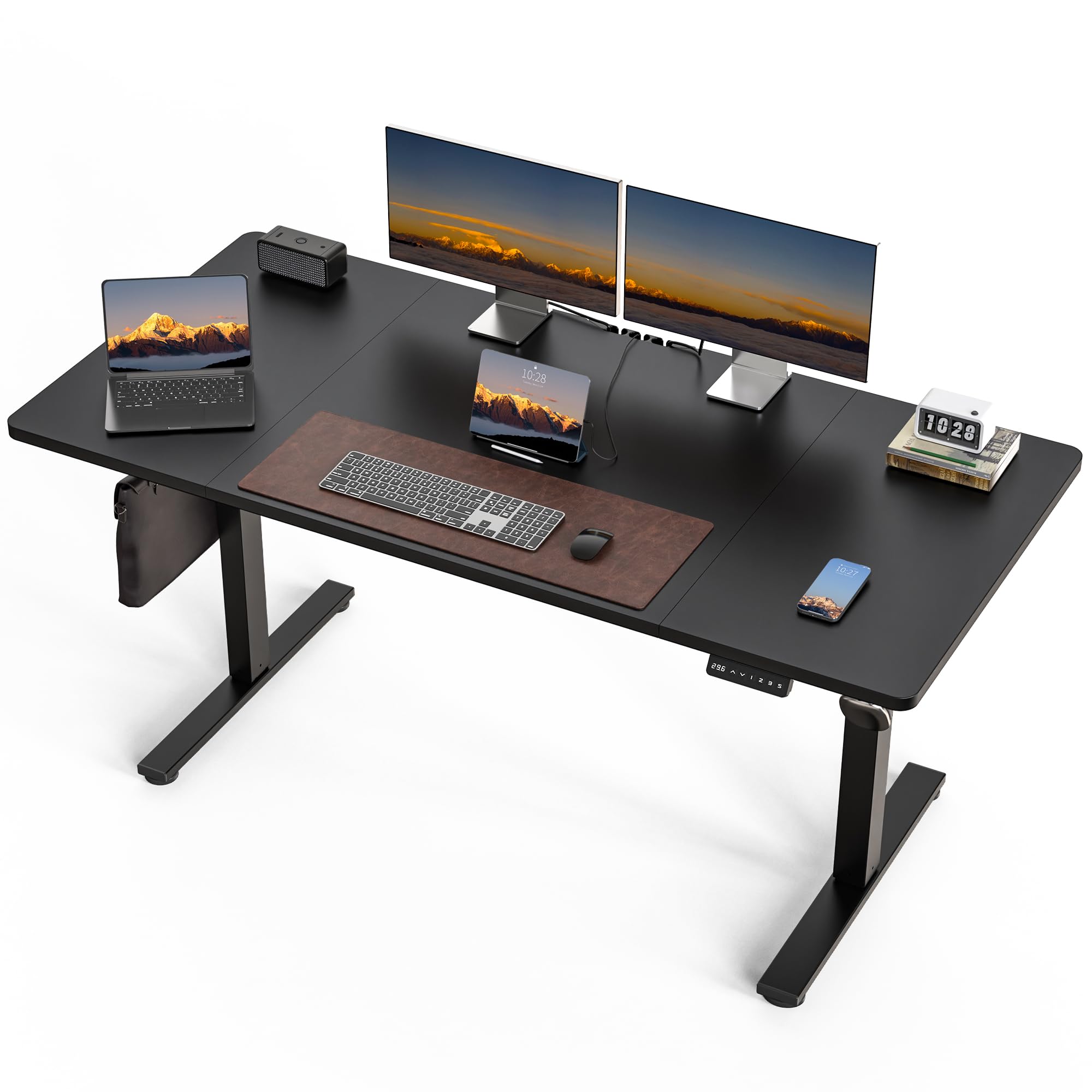

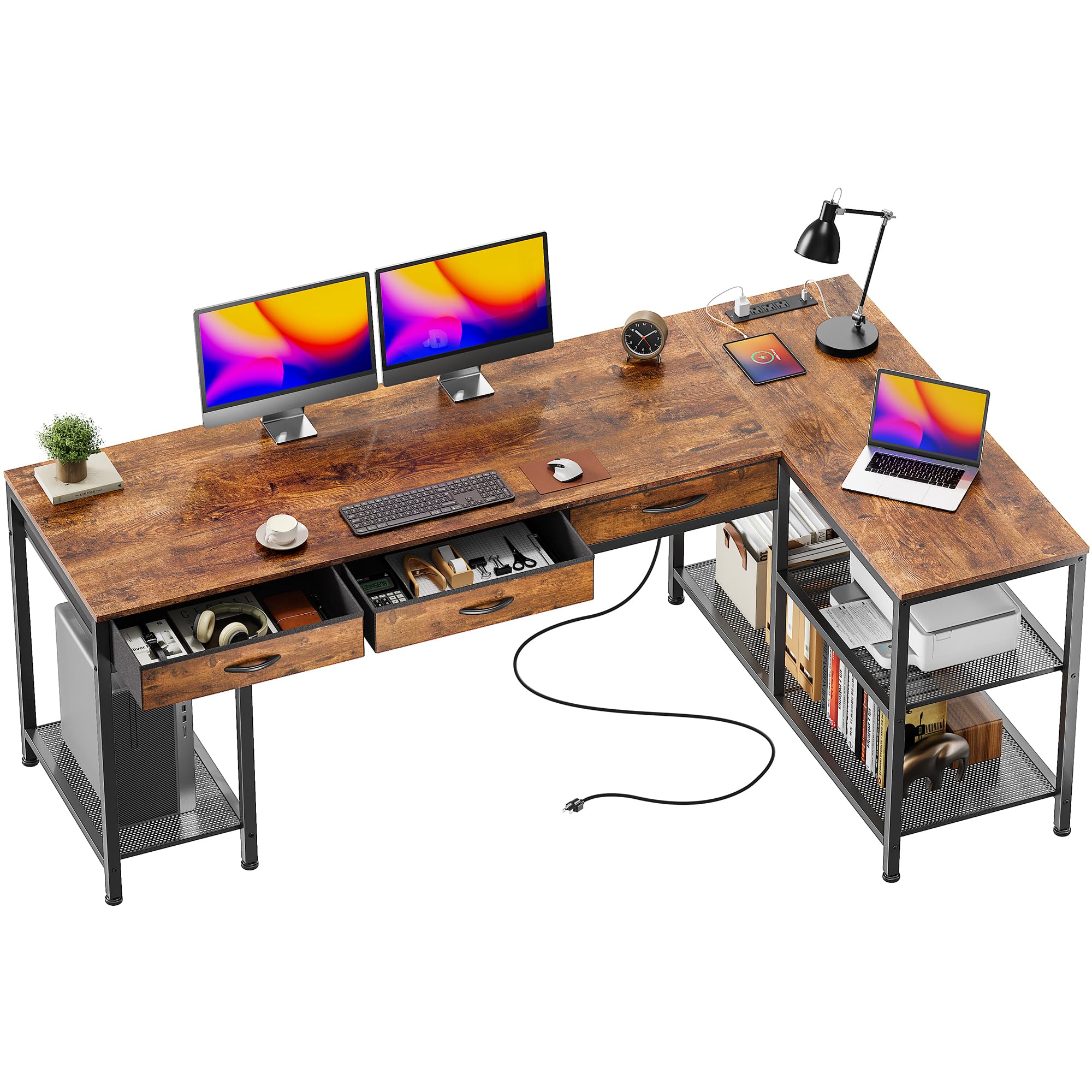

Desk Types at a Glance
At 63 inches wide, desks fall into three broad types. A straight computer desk puts everything in one row and suits most people. A writing desk keeps the profile slimmer, with a cleaner look and lighter storage. An L shaped or corner style wraps the surface around you, adding a return for a printer, paperwork, or a second work zone.
Three Desk Types Compared
The Straight Computer Desk for Most Buyers
A straight rectangular desk is the default choice at this width, and for good reason. The open top holds two monitors with space left for a keyboard, a notebook, and speakers, while the simple frame leaves generous knee room below. Many versions add a cable tray, a modest drawer unit, or a raised monitor shelf. This type fits flat against a wall, works well in a room you also use for other purposes, and pairs easily with a separate filing cabinet if your storage needs grow later.
The Writing Desk for a Lighter, Cleaner Setup
A writing desk at 63 inches suits laptop work, journaling, homework, and paperwork more than a bank of monitors. Tops tend to be a little shallower, legs are often slimmer, and storage is usually limited to one or two shallow drawers for pens, chargers, and paper. That restraint is the appeal. The desk looks at home in a bedroom or living room, feels less bulky, and still gives you a wide, calm surface for focused work. Choose this type if your gear list is short and you value looks and open floor space.
The L Shaped Desk for Two Work Zones
An L shaped design uses the 63 inch run as its long side and adds a shorter return along one wall. That second surface is handy for a printer, a reference book, craft supplies, or a separate laptop station. If you are weighing this layout against a straight top, our guide to l shaped vs straight desk layouts explains the trade offs in room fit. Corner placement wastes less floor area, but you need clear wall space on two sides, and the return reduces where you can place drawers or a computer tower.
How We Chose These Desk Types
We grouped desks at this size using the criteria buyers ask about most: ergonomics and adjustability, build quality and materials, surface size and weight capacity, ease of assembly, and warranty cover. The groupings draw on manufacturer specifications for dimensions, load ratings, and frame construction, plus patterns in verified buyer feedback about wobble, finish wear, and missing hardware.
How to Choose the Right Desk
Size and Form Factor
Width is only the starting point. A 63 inch desk is about 160 cm across, so measure your wall run and leave a few inches of clearance on each side for cables and movement. Depth usually runs 24 to 31 inches. Deeper tops push monitors farther from your eyes and leave room for a keyboard, but they eat floor space in a small room. Shallower tops feel airier and suit laptops. Also check the height, most often about 29 to 30 inches, and confirm your chair arms and knees fit comfortably beneath the apron or drawer unit.
Desk Type and Your Daily Tasks
Match the type to the work you do most. Writing desks favor pen and paper tasks and a single laptop. Computer desks add cable routing, room for towers, and space for larger monitors. Executive styles are deeper and heavier, with more storage and a formal look, while standing models add a motor or crank so you can change height during the day. Folding and wall mounted options save space but rarely come at a full 63 inch width with a strong load rating. If you need a broad overview first, see our guide to the best desk styles across all sizes.
Features Worth Paying For
Storage and power are the features buyers use daily. Drawers keep small items off the top, but deep drawer units steal knee room on one side, so check which side they sit on if you favor one leg position. A hutch adds vertical storage yet can crowd monitors and block light. Keyboard trays help some typists and annoy others, since they lower the typing surface and can feel cramped. Built in power outlets and USB ports reduce cable clutter, though a separate power strip is cheaper to replace. Open shelves suit books and boxes you reach for often.
Body Size and Weight Capacity
Load ratings tell you how much the top and frame can hold safely, and they vary widely at this size. A laptop and one monitor place little stress on any sturdy frame, while two large monitors on arms, a desktop tower, books, and a printer add up fast. Look for a stated capacity and favor steel frames or thick tops if your setup is heavy. Spread weight toward the legs rather than loading the center, and if you use monitor arms, clamp them where the top is thickest or reinforced so the edge does not flex or crack.
Adjustability and Ergonomics
Most fixed height desks sit near 29 to 30 inches, which works for many adults with an adjustable chair. Taller or shorter users may find their shoulders raised or their wrists angled, so check the pairing of desk height, chair height, and monitor height as one system. A standing desk solves this with height memory settings, but costs more and adds a motor to maintain. Your screen top should sit near eye level, your elbows near a right angle, and your feet flat on the floor or on a footrest. Small changes here matter more over a long week than most decorative extras.
Materials and Durability
Tops are usually solid wood, plywood, or engineered wood with a laminate or veneer finish. Solid wood feels substantial and can be refinished, but it costs more and weighs more. Engineered panels keep prices down and resist warping, though edges can chip if the finish is thin, and water left standing on a seam can swell the core. Glass tops look light and wipe clean, yet show fingerprints and need a strong frame. Legs in powder coated steel tend to resist wobble better than thin wooden legs at this span.
Assembly and Warranty
A 63 inch top is awkward to move alone, so plan for two people during assembly and check the packaged weight before delivery day. Clear instructions, labeled parts, and spare screws save real time, and our walkthrough on how to assemble a desk covers the order of steps that keeps a frame square. Build on a soft surface to protect the finish, and tighten bolts again after a week of use. Warranty terms differ by part, with frames often covered longer than surfaces, so read what is included rather than assuming the whole desk shares one term.
How Much Should You Spend?
Budget desks under about $100 usually rely on thinner panels and simpler legs, and they suit light laptop setups. Spending about $100 to $200 typically buys a thicker top, a steel frame, and basic storage. In the about $200 to $300 range you will see better finishes, stronger load ratings, and useful extras such as cable trays. Above about $300, and toward $500, you are paying for solid wood, height adjustment, or executive styling. Spend on frame strength and surface size first, because those are the parts you cannot upgrade later.
Is a 63 Inch Desk the Right Size for You?
This width is the sweet spot for a dual monitor home office. It gives each screen its own space without forcing your keyboard into a corner, and it still leaves a writing area to one side. Readers setting up a dedicated workspace often compare this size while reading our guide to the best desk for home office setups, since chair space and door swing matter as much as the top itself.
It is less ideal in a tight bedroom or a shared corner. A 47 or 55 inch desk may fit better there, and our roundup of the best desk for small spaces covers narrower options. Before you commit, tape the footprint of the desk on your floor, place your chair inside it, and check that drawers open, doors clear, and you can walk past without turning sideways.
FAQ
What is the best 63 inch desk for a dual monitor setup?
Look for a top at least 28 inches deep, a stated load rating that covers both monitors and their arms, and a frame without a center bar that blocks your knees. Depth matters because it lets you push the screens back to a comfortable viewing distance while keeping the keyboard in front of you. A cable tray or rear grommet holes also help, since two monitors, a laptop dock, and speakers can mean six or more cords crossing the back edge of the desk.
What size desk do I need for working from home?
Start from your gear list rather than the room alone. A single laptop and a notebook fit on a 47 inch top. Add a second monitor, a full size keyboard, and paperwork, and 63 inches feels far more comfortable. Then measure your chair space, since you need roughly 36 inches of depth behind the desk edge to sit and roll back. People who take video calls should also leave room for a light or a small tripod without crowding the main work surface.
How long does a 63 inch desk last?
A steel framed desk with a quality laminate top often serves for many years of daily use, while the finish, not the structure, usually shows age first. Felt pads under equipment, coasters under drinks, and prompt cleanup of spills protect the surface coating. The moving parts on a height adjustable model, such as the motor and control switch, are the components most likely to need service, so keep the manual and model details stored in case you ever need a replacement part.
How do you clean a 63 inch desk without damaging the finish?
Dust with a soft dry cloth, then wipe with a cloth dampened with water and a drop of mild soap, and dry the surface right away. Standing water is the main risk for engineered wood, since it can seep into seams and lift the finish. Avoid abrasive pads on laminate, veneer, and glass coatings. Our step by step guide on how to clean a desk covers sticky residue, ink marks, and care differences between wood and glass tops.
Can a 63 inch desk work as a gaming desk as well as an office desk?
Yes, as long as the depth and load rating suit your gear. Gaming setups often add a large mousepad, a tower on the top, and a microphone arm, all of which argue for a deeper top and a frame rated well above the combined weight. Check the distance from the back edge to the nearest leg or crossbar, because clamp on arms and monitor mounts need a clear, solid edge. A plain rectangular top usually adapts better to both roles than a heavily styled executive desk.
Final Thoughts
The right choice comes down to fit, frame strength, and the type that matches your daily tasks. Measure your wall, list your gear, and weigh depth and load rating as carefully as width. Do that, and the best 63 inch desk for your room will be easy to spot in the product table above. Prices and availability can change, so check the product page before ordering.


