
Best 55 Inch Desk: Buying Guide (2026)
Disclosure: We may earn a commission when you buy through links on this page, at no extra cost to you. As an Amazon Associate I earn from qualifying purchases. Learn more

Straight, L shaped or standing: how to pick a 55 inch desk by depth, load rating, legroom and storage for your setup.
A 55 inch top sounds simple until you picture your actual setup on it. Two monitors, a laptop, and a notebook can crowd a surface that looked generous in a listing photo. Choosing the best 55 inch desk means matching the width to your gear, your room, and the way you sit or stand through the day. The comparison table below lines up the main types side by side.
This guide walks through the three desk types that dominate this size, then covers the measurements, materials, and features that separate a steady surface from one that wobbles. See our guide to the best desk for home office setups.


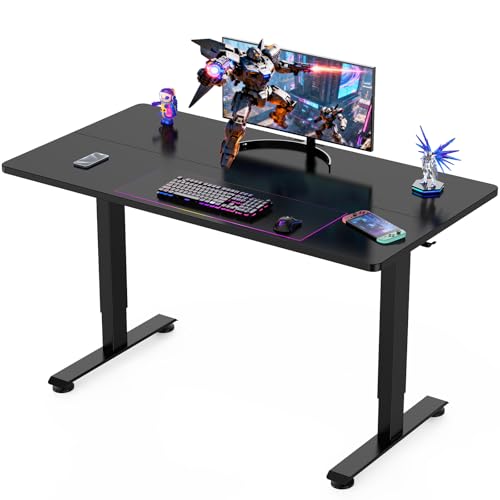
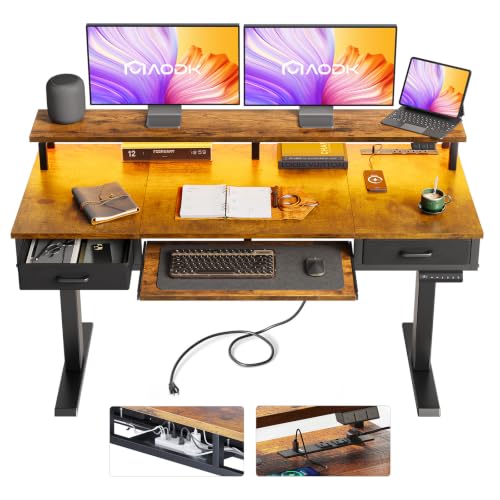
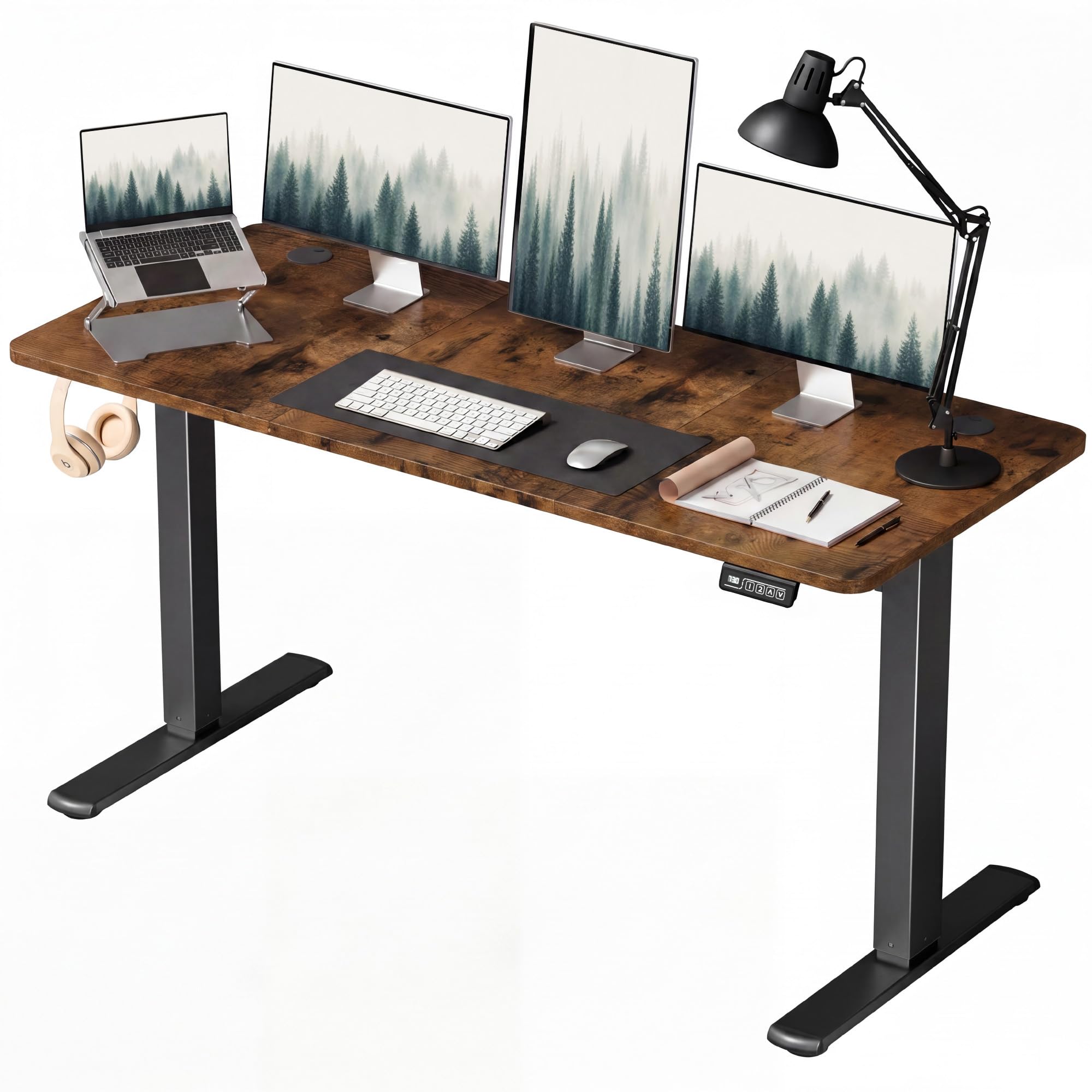
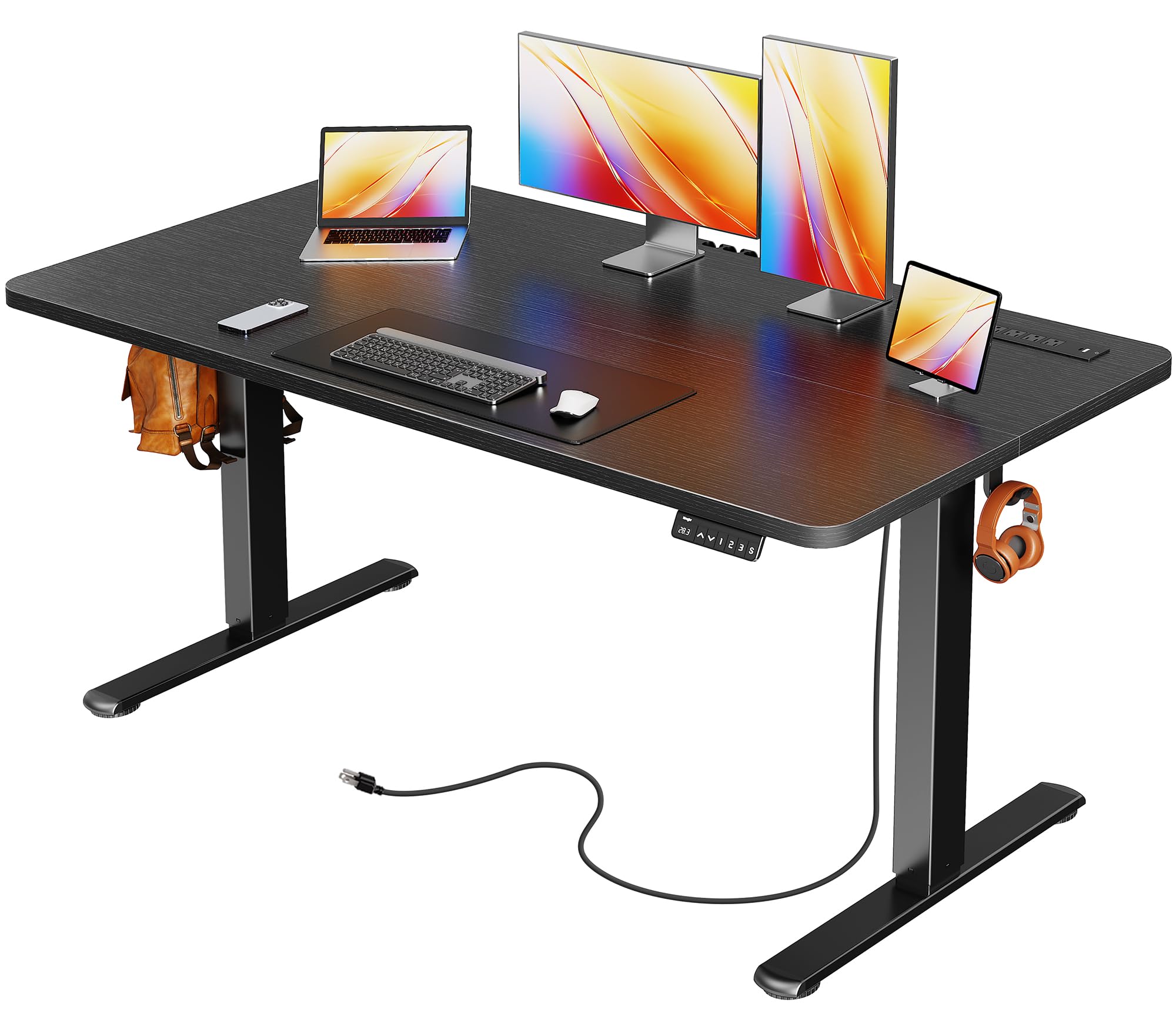
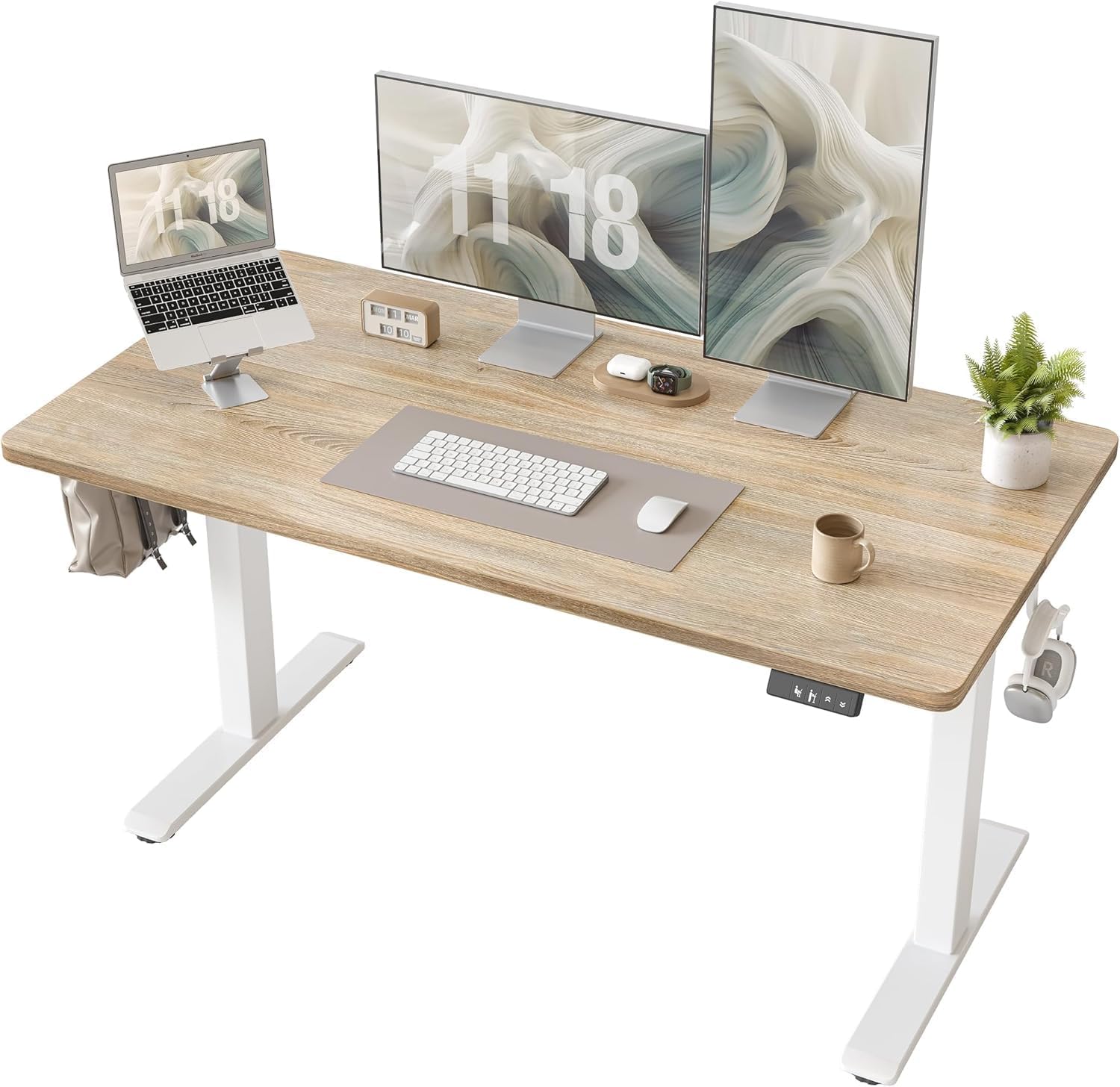

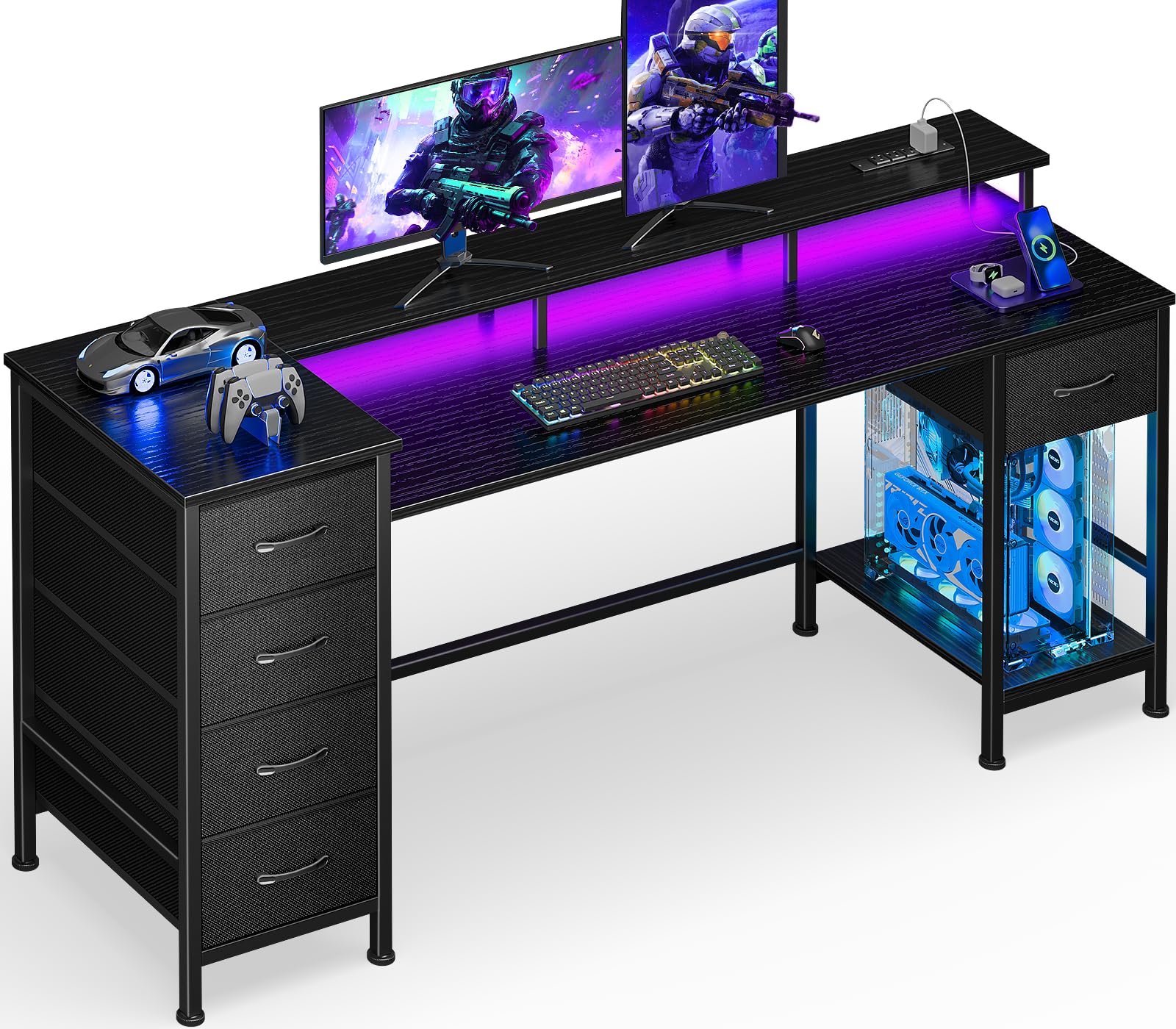

Desk Types Compared at This Size
At 55 inches wide, three layouts account for most of what you will find. A straight desk is the classic rectangle. An L shaped model adds a return along a second wall. A standing desk adds a motor or crank so the whole top rises with you. The right pick depends on whether you need depth, a second surface, or height movement most.
Straight desks
A straight 55 inch desk suits a single computer setup and a tidy working style. You get one uninterrupted rectangle for monitors and a keyboard, with room left for a lamp and a notebook. These models are usually the lightest and simplest to assemble, and they fit bedrooms and spare rooms without dominating the floor. The limit is surface area. Once speakers and reference books arrive, the top fills quickly and clutter has nowhere to go except in front of you.
L shaped and corner desks
An L shaped desk trades a compact rectangle for two work zones. Face forward for typing on the main run, then turn to the return for writing, sketching, or a second device. This shape suits multitaskers and anyone whose work spreads across paper and screens at once. Measure both wall runs before ordering, since a return that blocks a closet door creates daily annoyance. Compare the options in our roundup of the best l shaped desk models against the straight designs here.
Standing desks
A standing desk at 55 inches gives you the same surface width with a frame that adjusts in height. Alternating between sitting and standing can ease the stiffness that builds during long sessions, and a memory controller makes returning to your preferred heights quick. Expect a higher price, a heavier frame, and a power outlet requirement if the lift is electric. Check the lift range against your height in both postures, and confirm the frame rating covers your gear with margin to spare.
How to Evaluate a Desk at This Size
Judge every candidate on the same short list so listings do not distract you with decorative extras. Start with ergonomics and adjustability, meaning chair fit, legroom, and height options. Then look at build quality and materials, because the top and frame decide how the desk feels under load. Finish with size and weight capacity, assembly effort, and warranty terms.
Who Should Buy a 55 Inch Desk?
Dual monitor workers in medium rooms
If you run two screens in a bedroom or a modest office, 55 inches is often the sweet spot. Two 24 inch monitors on stands sit comfortably with a keyboard in front, and the desk still fits along a typical wall without swallowing the room. Measure your monitors with their stands, not just the screen size, since wide feet eat into the space you planned for speakers or a lamp.
Students and writers with light gear
A laptop, a lamp, and a stack of books need far less surface than a gaming rig, so a 55 inch writing style desk gives you elbow room to spread notes while you type. The extra width over a 40 or 47 inch model lets you keep reference material open beside the computer instead of balanced on your lap. Slim legs also leave space underneath for a filing box or a backpack, which matters in shared rooms.
Hybrid workers who share the surface
When a desk doubles as homework space or a craft table, width becomes shared territory. A 55 inch top lets two people sit side by side for short tasks, or lets one person keep work gear on one half and personal projects on the other. Choose a durable finish with few fragile extras, because shared surfaces see spills, pen marks, and heavier wear than a desk in a closed office.
How to Choose the Right Desk
Size and form factor
Width is only one number. Depth usually runs 24 to 30 inches, and that difference decides whether your monitors sit at a comfortable viewing distance or loom over your keyboard. A 30 inch deep top suits larger screens, while a 24 inch depth fits tight rooms. Height on fixed desks is typically about 29 to 30 inches, which pairs well with standard office chairs. Tape the full footprint on your floor before buying, and check door swings and chair space inside the tape.
Type and layout
Beyond the three types above, you will see executive styles with deep drawers, wall mounted tops that save floor space, and folding models that store away between uses. Executive desks weigh more and can overwhelm a small room. Wall mounted options depend on solid stud anchoring, so they suit confident installers only. Folding desks trade stability for flexibility.
Features worth paying for
Drawers, a hutch, a keyboard tray, built in power outlets, and shelves all compete for your budget. Storage drawers earn their cost if you lack other furniture for supplies, but they reduce knee space, so check the clearance underneath first. A keyboard tray helps shorter users keep wrists level when the top sits too high. Outlets cut cable clutter, though a separate power strip does the same job for less. Skip the hutch if you use large monitors.
Body size and weight capacity
Your height shapes comfort more than any feature list. When seated, your elbows should rest near top height with shoulders relaxed, and your feet should sit flat. Taller users should avoid modesty panels that force knees sideways. Weight capacity matters just as much. Add up everything the top carries, then choose a desk rated well above that total. Ratings around 100 to 200 pounds cover most home setups.
Adjustability
Fixed desks offer one height, so your chair does all the adjusting. That works when the pairing fits you, but it leaves little room for sharing between people of different heights. Crank and electric standing frames solve the height question outright. Small details matter too, such as a top edge that does not dig into your forearms during long typing sessions.
Materials and durability
Solid wood tops feel warm and can be refinished after years of wear, but they cost and weigh more. Engineered wood with a laminate finish is the common middle ground, offering consistent looks and decent scratch resistance at a moderate price. Steel frames add rigidity, while glass tops show fingerprints and limit clamp on accessories like monitor arms. Look for a frame with a crossbar or wide feet, because wobble ruins otherwise good desks.
Assembly and warranty
Most desks in this class arrive flat packed with a build time of roughly 30 to 90 minutes depending on drawers and lift motors. Clear photos and labeled hardware separate a calm afternoon from a frustrating one. Our walkthrough of how to assemble a desk covers the general sequence. Warranty length tells you how much the maker trusts the frame, so favor coverage of several years on standing desk motors over a short parts promise.
How much should you spend?
Expect to pay about $80 to $150 for a simple straight desk with a basic frame. Spending about $150 to $300 adds better materials, storage, and sturdier hardware. Standing desks and premium wood models generally run about $300 to $500 or more. Price alone does not guarantee stability, so weigh the frame design and capacity rating at every tier. A plainer desk with a rigid frame beats a feature packed one that rocks when you type.
Is a 55 Inch Desk the Right Size for You?
Choose 55 inches when a 47 inch top feels cramped but a 63 inch model would block drawers, doors, or walking paths. It fits most single user setups with room to grow into a second monitor. Readers in tight studios should also browse our guide to the best desk for small spaces. If your work involves large drawing boards, multiple printers, or two full time users, step up a size instead of living with daily clutter.
Common Mistakes to Avoid
- Measuring only the wall width and forgetting chair space, so the desk fits but you cannot roll back or open the door fully.
- Ignoring depth, then finding large monitors sit too close because a shallow top leaves no distance between screen and eyes.
- Choosing drawers without checking knee clearance, which leaves you sitting sideways or perched too far from the top.
- Overloading a light frame with a tower and triple monitors, causing wobble and strain the maker never rated it for.
- Placing the desk before planning cable routes, so cords dangle across walkways and outlets end up out of reach.
FAQ
What is the best 55 inch desk for a home office?
The strongest choice fits your monitors, chair, and room at once. For most home offices that means a straight or standing model about 24 to 30 inches deep, with a rigid frame and a finish that tolerates daily use. Prioritize legroom and cable access over decorative storage. If your office doubles as a guest room, a lighter straight desk moves aside more easily when visitors arrive.
What size desk do I need for two monitors?
Two monitors usually call for at least 48 inches of width, and 55 inches leaves breathing room for speakers or a notebook beside the keyboard. A dual monitor arm frees the surface further because the screens float above the top. Also confirm the desk and chair together fit your room depth, since a wide desk in a shallow room can leave you squeezed against the wall behind you.
How long does a 55 inch desk last?
A well built desk in this size commonly serves for many years of daily use. Lifespan depends more on joint quality and finish care than on the material name alone. Keep liquid away from seams on engineered wood, tighten frame bolts once or twice a year, and avoid dragging the desk with gear still on top. Desks used as craft surfaces age faster, so a tougher laminate finish suits those homes.
Is a 55 inch desk worth it over a smaller one?
It is worth it when your current surface forces you to stack, shuffle, or store everyday items elsewhere. The jump from 40 or 47 inches changes how a setup feels, because monitors, keyboard, and papers each get a defined place. If you work from a laptop alone and rarely spread out, a smaller desk saves money and floor space you will appreciate more.
How do you clean a 55 inch desk without damaging the finish?
Start with a dry or slightly damp soft cloth, and use a mild cleaner suited to your surface material. Wipe spills promptly, especially along edges and seams where moisture can swell engineered wood. Avoid soaking the top or using abrasive pads. Our full guide on how to clean a desk covers stain treatment by material if a coffee ring or ink mark has already set in.
Can a 55 inch desk work as a gaming desk?
Yes, this width handles a gaming monitor, keyboard, and mouse with room for wide mouse movement, which fast paced play demands. Look for a model without a center drawer blocking your knees, and check that the rear edge allows monitor arm clamps. A matte finish is calmer under bright lighting than a glossy top, and a sturdy frame keeps the surface steady during play.
Final Thoughts
The right desk disappears into your routine. It holds your screens at a comfortable distance, leaves your legs free, and stays steady while you work. Match the type to your habits, verify the measurements against your room, and spend on frame quality before decorative extras. Compare the wider market in our overview of the best desk options, then narrow back to this size with the product table above. Chosen with care, the best 55 inch desk for your room will anchor your workspace for years.


