Best 50 Pint Dehumidifiers (2026): Types and Buying Guide
Disclosure: We may earn a commission when you buy through links on this page, at no extra cost to you. As an Amazon Associate I earn from qualifying purchases. Learn more
A buying guide to the best 50 pint dehumidifier: coverage, drainage, noise and running cost compared for basements and damp rooms.
A damp basement, a laundry room that never quite dries, or a whole floor that feels clammy in summer can all point to the same fix. Choosing the best 50 pint dehumidifier means matching daily moisture removal to your space, your drainage options, and how much noise you can live with. This guide compares the main types by coverage, performance, energy use, and noise, and the comparison table below sums up the differences that matter most.
If you are still deciding whether this size class fits your home at all, start with our broader guide to the best dehumidifier options across all capacities. Then come back here for the details that separate one 50 pint model from another.
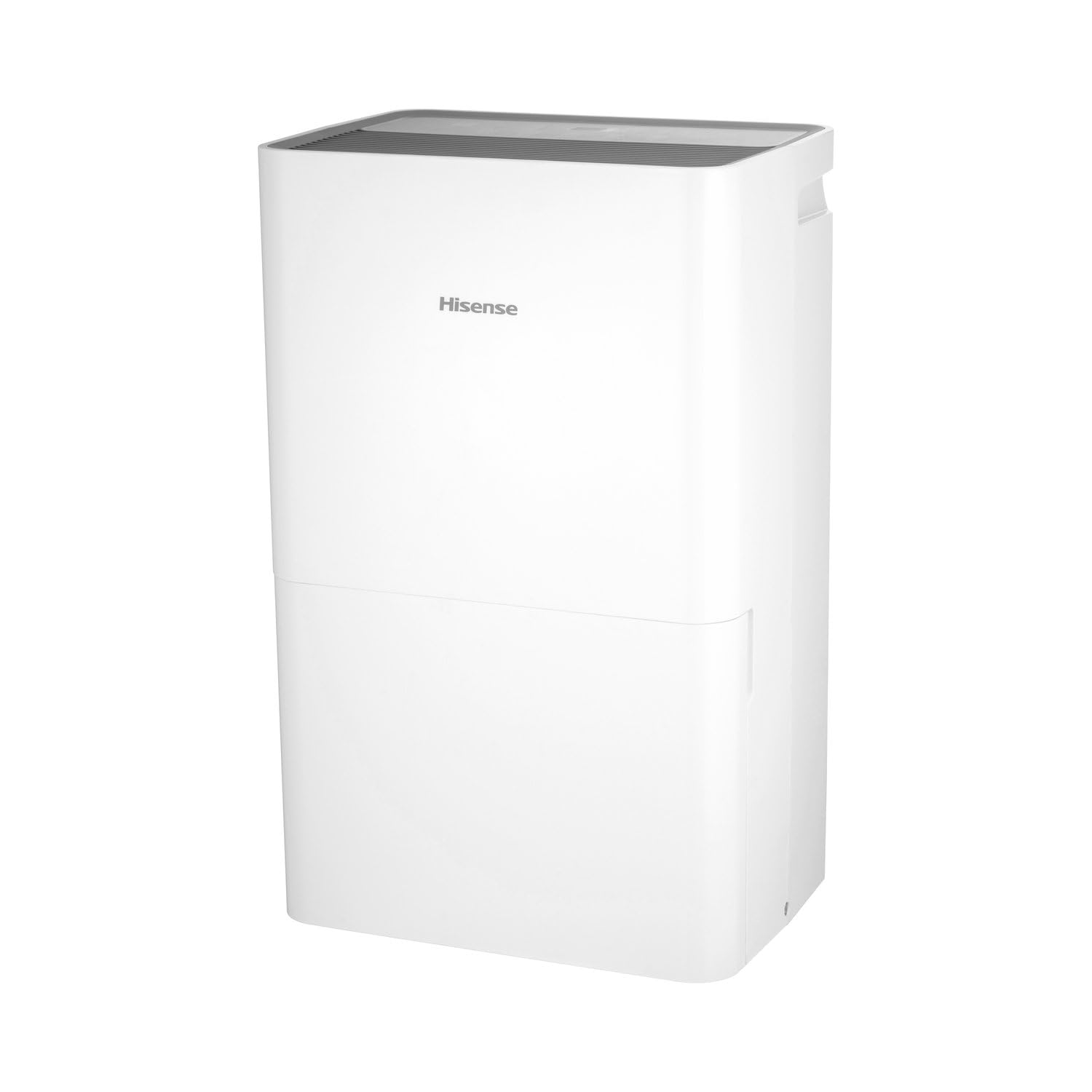
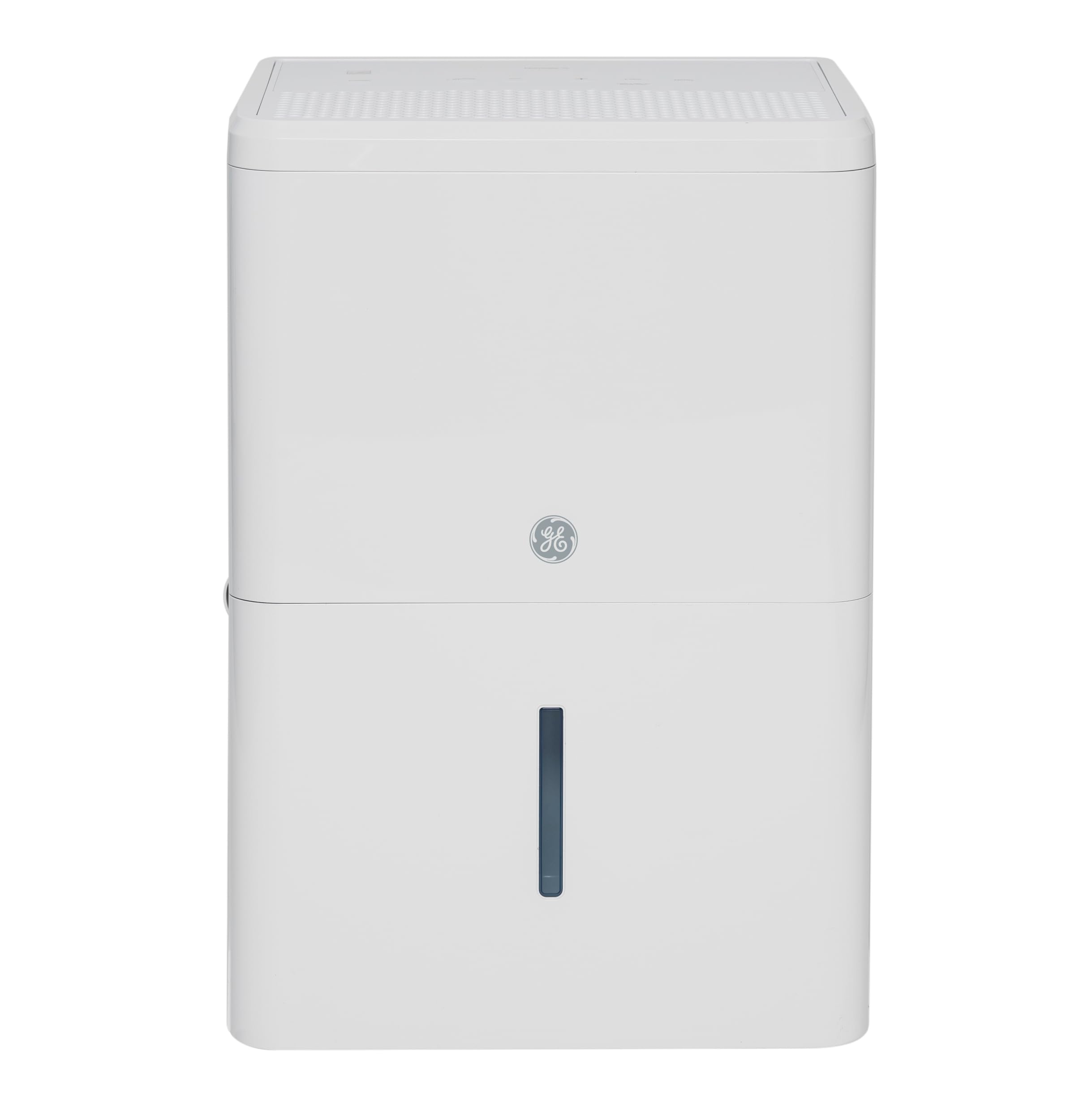
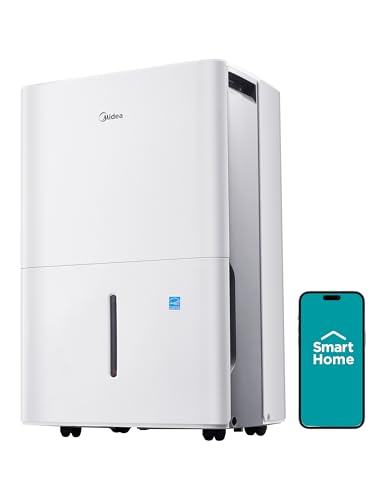

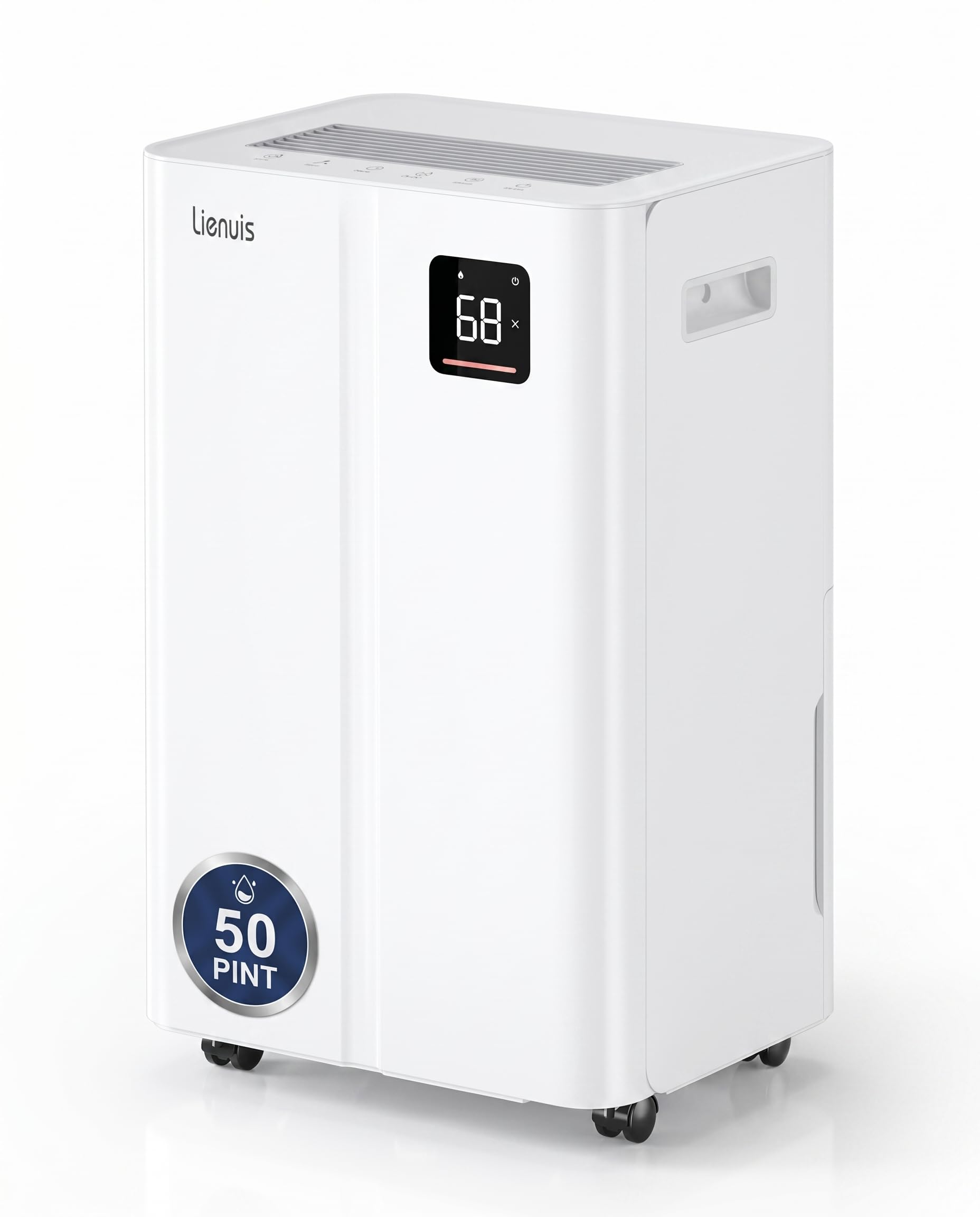

The Main Types at a Glance
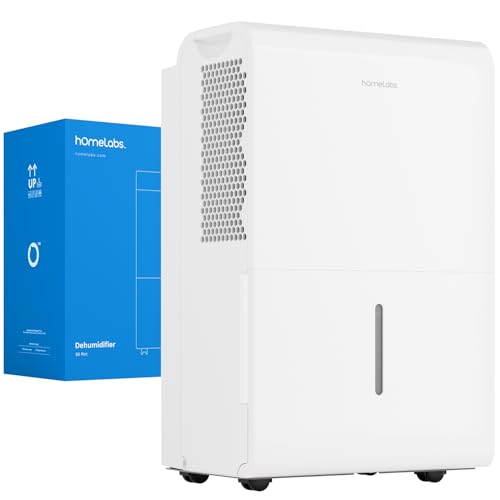
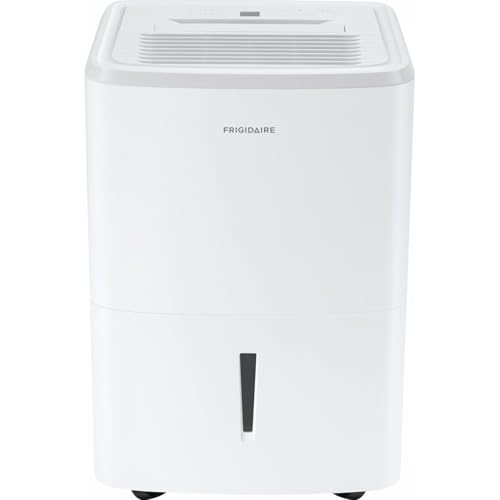
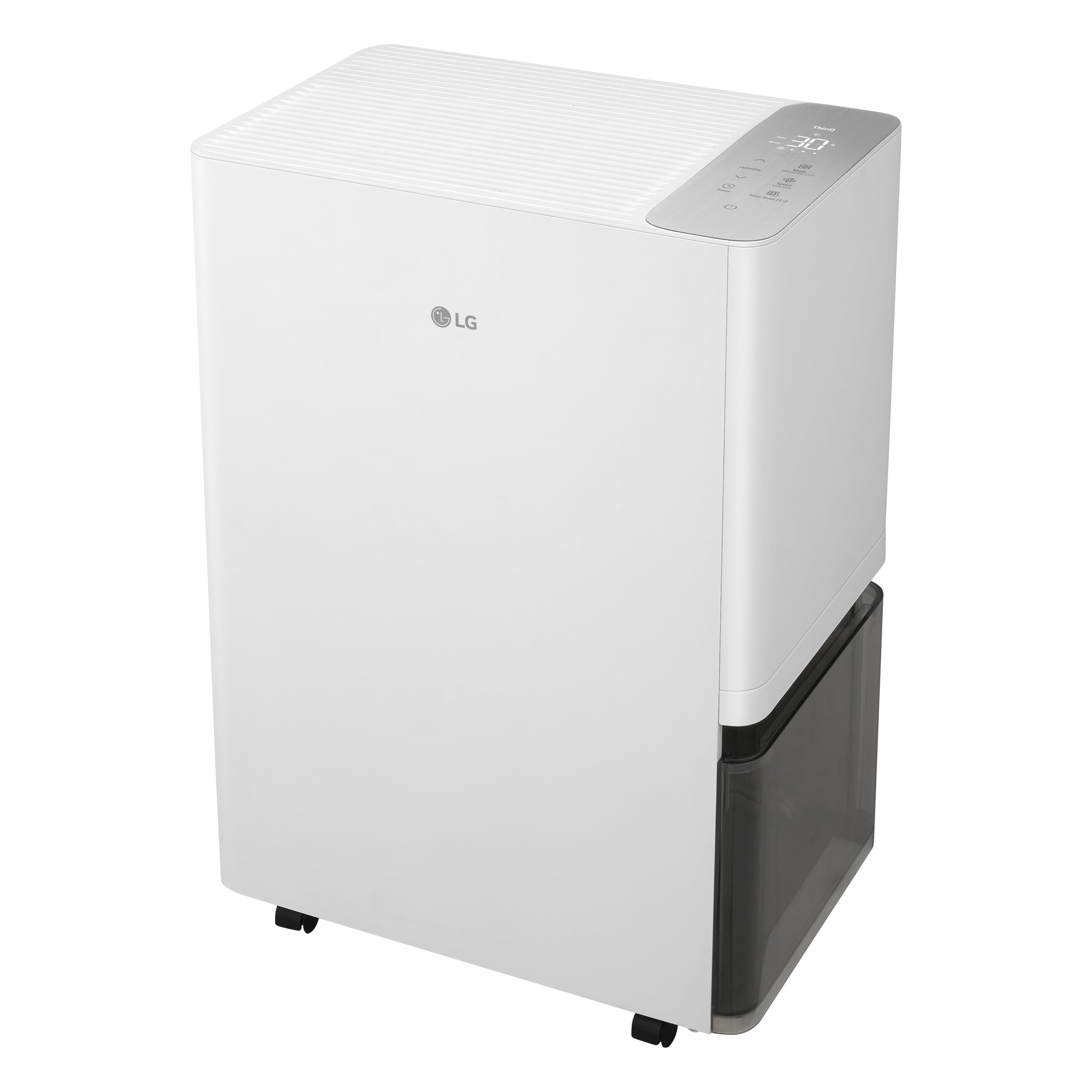
Most 50 pint models use a compressor and refrigerant coils, but they split into three practical groups. Standard bucket models collect water in a removable tank and suit rooms you visit daily, since you will empty that tank often in wet weather. Models with a drain hose connection let water flow by gravity into a floor drain, which suits finished basements where daily trips with a bucket get old fast. Models with a built in pump push water upward to a sink or out a window, which matters when no floor drain sits nearby.
A second split is about controls. Basic models offer a dial or simple buttons and a target humidity setting. Smart models add WiFi, app alerts when the tank fills, and scheduling. Neither group removes moisture faster by default, since capacity depends on the compressor and fan. Pay for smart controls only when the unit will run in a space you rarely enter, such as a crawl space or a vacation home, where a full tank alert saves a wasted trip.
How We Chose What to Compare
We compared types and features using manufacturer specifications, Energy Star data, and patterns in verified buyer feedback. The criteria were coverage in square feet, moisture removal performance in humid conditions, noise level, energy use, tank size and drainage options, filter access, and the usefulness of smart features. A model earns its price when it holds your target humidity without constant attention, so ease of draining and cleaning weighed as heavily as raw capacity in this comparison.
How to Choose the Right Dehumidifier
The sections below walk through each buying factor in the order most shoppers actually face them, starting with the room itself.
Size and form factor
A 50 pint rating means the unit can remove up to 50 pints of water in a day under standard test conditions, and it marks the large end of portable home models. Smaller 30 and 35 pint units suit single rooms with mild dampness, while 70 pint units of the past have largely been replaced by this size under current testing rules. The cabinet itself is still a floor unit on caster wheels, roughly the footprint of a small suitcase, so measure your doorway and storage spot before ordering.
Type
Compressor models dominate this size because they move a lot of water in warm, humid air, which is exactly the summer basement problem most buyers face. Desiccant models work better in cold spaces but rarely reach 50 pint capacity, so treat them as a niche fix for unheated rooms. Portable compressor units with an Energy Star label use less power for the same moisture removed. Whole house systems exist too, but they need ductwork and professional fitting, which puts them outside a portable purchase.
Features worth paying for
A built in pump tops the list when your only drain sits above floor level, because it removes the daily bucket routine entirely. A humidistat that holds a set target and cycles the fan off saves energy compared with a unit that runs nonstop. Auto defrost protects the coils in cool basements, where frost can form and stall drying. Auto restart after a power outage matters in storm season. WiFi alerts are a comfort extra, helpful in second homes but easy to skip in a house you occupy daily.
Room size and coverage ratings
Manufacturers often list this size for spaces up to about 4,000 to 4,500 square feet, but that figure assumes moderate dampness and good air movement between rooms. A very wet basement of 1,500 square feet with standing water after rain can still challenge a single unit, so judge by wetness first and area second. Closed doors shrink real coverage, because the fan only treats air that reaches it. Place the unit centrally, keep interior doors open, and expect one machine per separated floor.
Running cost and energy use
A 50 pint unit draws roughly the power of a small window air conditioner while the compressor runs, and your bill depends on how many hours a day that is. Energy Star models remove more water per unit of electricity, which adds up over a long humid season. Holding 50 percent humidity instead of 40 percent also shortens run time. For a fuller breakdown of wattage and monthly cost, read our guide on does a dehumidifier use a lot of electricity.
Noise levels for bedrooms
Expect sound near a window fan on its high setting, with low settings closer to a quiet conversation across the room. Compressor hum carries through light sleep, so a 50 pint unit is usually more machine than a bedroom needs overnight. If the damp room adjoins sleeping space, look for a low fan mode and a timer. Our guide to the best dehumidifier for bedroom covers smaller, quieter sizes built for that job.
Filters, tanks, and maintenance
Every model here uses a washable mesh filter that slides out for rinsing, and a clogged filter quietly cuts airflow and drying power. Tank size varies, and a smaller tank on a strong unit can fill twice a day in peak humidity, which is why hose drainage changes daily life so much. Handles and splash guards on the bucket sound minor until you carry a full tank across a finished floor. Check that the filter and tank both come out without tools before you buy.
How much should you spend?
Most 50 pint models sell for about $200 to $300. Paying about $150 to $200 usually gets a sound compressor unit with a bucket and basic controls, fine for a space you check daily. The middle of the range adds larger tanks, hose drainage, and Energy Star savings. Spending about $300 to $400 should buy a pump, smart alerts, and quieter fan modes, not extra drying power. Skip paying premium prices for capacity claims alone, since all models in this class share the same rating test.
Is a 50 Pint Dehumidifier the Right Size for You?
Choose this size when a whole basement, a large open floor, or a very damp smaller space defeats a compact unit. Signs you need the capacity include a tank on a smaller model filling daily, musty odor returning within days, and condensation on pipes or windows through summer. Basements are the classic case, and our guide to the best dehumidifier for basement use goes deeper on placement and drainage downstairs.
Step down a size if only one modest room feels damp, because an oversized unit cycles on and off in short bursts and can leave air feeling unevenly dried. Step up in approach, not size, if water enters through walls or floors, since no portable unit fixes active leaks. Seal the leak, grade soil away from the foundation, and then let the machine handle the remaining airborne moisture. For the target itself, our article on what humidity should a basement be explains the range worth holding and why going lower wastes power.
FAQ
What is the best 50 pint dehumidifier for a home with no floor drain?
Pick a model with a built in pump, because it pushes collected water up to a sink or through a window instead of relying on gravity. Pump models cost more and add one part that can clog, so run the pump line as the maker directs and check it each season. If a sink sits at floor level nearby, a plain hose model does the same job for less money.
What size dehumidifier do I need for a damp house?
Match capacity to wetness as much as to floor area. A slightly damp single room does well with a 30 pint unit, while a wet basement or several connected rooms call for 50 pints. One extra clue is drying laundry indoors or running a nearby shower, both of which add steady moisture that pushes you toward the larger size even in a modest space.
How often should a 50 pint dehumidifier run each day?
Run time varies with weather, and there is no fixed schedule to aim for. In a humid spell the compressor may run most of the day at first, then cycle less once the room reaches its target and stays there. If the unit still runs constantly after a week, suspect an open window, a dryer venting indoors, or a water problem rather than a weak machine.
How do I clean a 50 pint dehumidifier?
Unplug the unit, slide the filter out, and rinse it under plain water, then let it dry fully before refitting it. Wipe the tank with mild soap and water to stop slime building on its walls, and rinse the drain hose so algae cannot narrow it. Once a season, vacuum dust from the intake grille with a soft brush. Never spray water into the cabinet, because the electronics sit close behind the coils.
Can a 50 pint dehumidifier replace an air conditioner?
No, because the two machines do different jobs, even though drier air feels cooler on skin. A dehumidifier slightly warms the room as it runs, while an air conditioner removes heat as well as moisture. Our comparison of dehumidifier vs air conditioner explains when running both together actually lowers total energy use in a humid climate.
Final Thoughts
The right choice comes down to drainage, noise, and how wet your space truly is. Match those three things and the best 50 pint dehumidifier for your home almost picks itself, whether that means a simple bucket model, a hose setup, or a pump version for a drain free basement. Use the product table above to compare the types side by side, set your target near 50 percent humidity once the unit arrives, and give it a week of steady running before you judge the result.