Best 50 Inch 4K TVs: Fit Your Viewing Style 2026
Disclosure: We may earn a commission when you buy through links on this page, at no extra cost to you. As an Amazon Associate I earn from qualifying purchases. Learn more

Match panel, sound and seating to films, sports and gaming when you choose 50 inch 4k tvs for a living room or den.
No single model suits every household, and that is the starting point for best 50 inch 4k tvs. A 50 inch screen fits many living rooms, yet films, sports, gaming, and family viewing each reward different traits. The right choice follows your routine, not a generic best list.
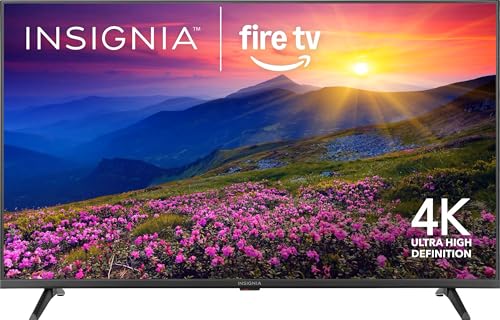
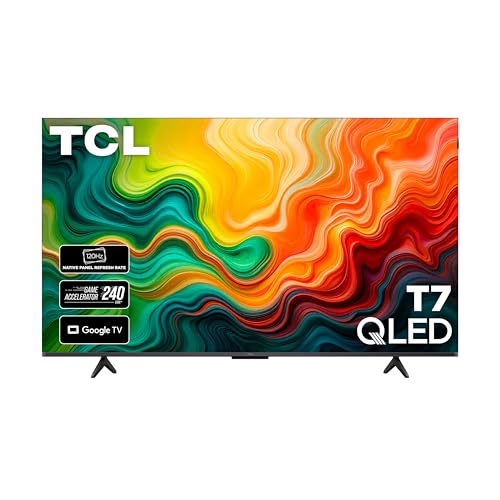
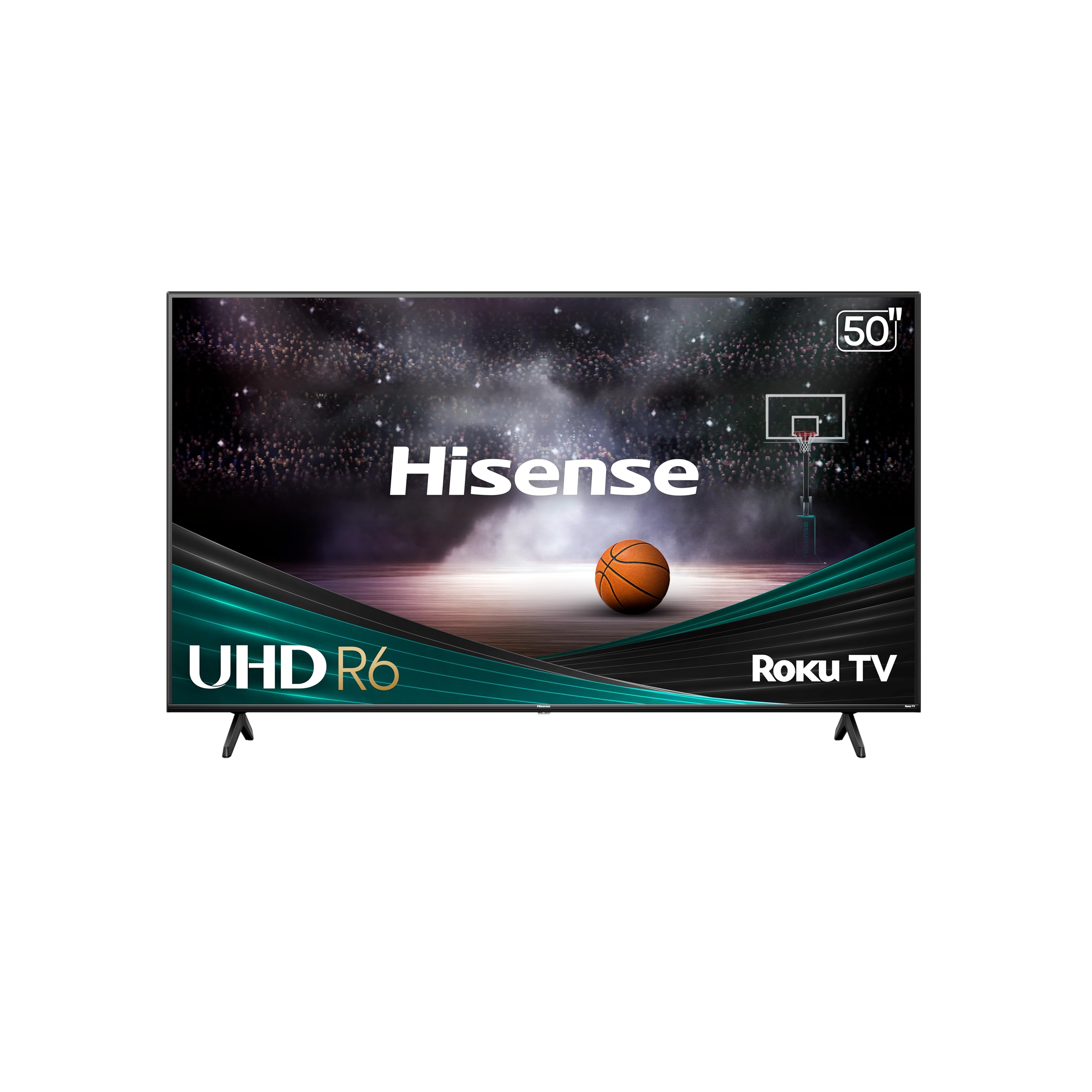
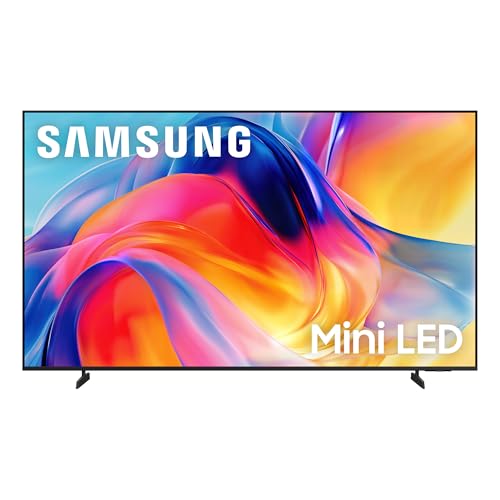
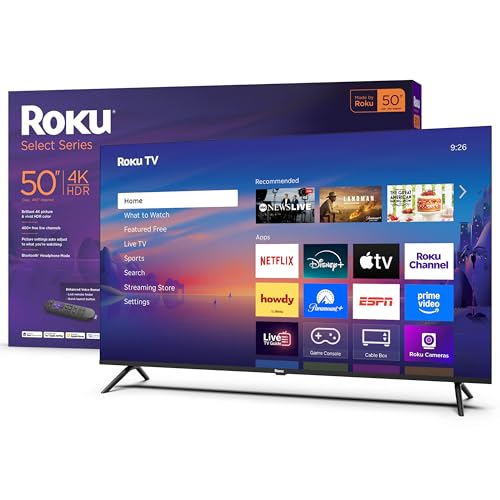
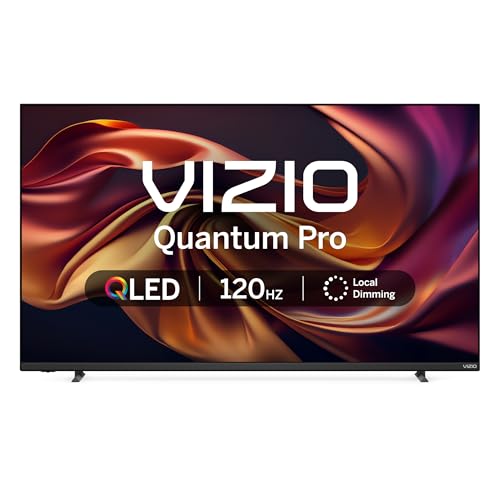
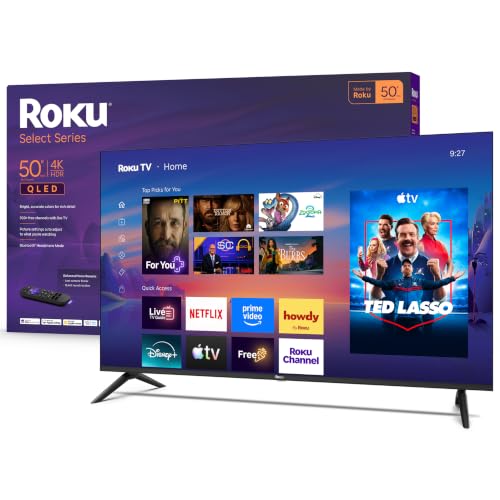
The comparison table below compares the main options on panel, sound, and smart traits. Later sections map common viewing styles to screen traits, cover room fit, and explain setup steps that suit each style. Identify your main use first, and the shortlist writes itself.






Who Should Buy a 50 Inch Screen
A 50 inch screen suits living rooms with seating roughly seven to ten feet away, where the picture feels involving without dominating the wall. It works for couples, families, and flat sharers who share a main screen. Smaller rooms may suit a 43 inch screen, while larger open plan rooms may need a bigger display. Readers comparing related options may also find the guide to best 4k tvs under 50 inches useful, because it covers a closely related size or type.
It also suits a main bedroom screen for viewers who sit farther back, or a den screen for mixed use. If your seating is much closer, a smaller screen may feel more comfortable, and if seating is much farther, detail will be harder to enjoy. Measure first, then choose.
Films and Drama Viewing
Film viewers should prioritize contrast and color accuracy, because dark scenes and skin tones reveal panel quality quickly. A cinema picture mode, good local dimming, and a quiet room help films feel involving. Sound matters too, since dialogue clarity shapes drama more than any extra mode. For a neighboring choice in the same family, the guide to best 50 inch tvs adds useful context on fit and features.
Evening viewing benefits from a screen that holds blacks without crushing shadow detail. Test a dark film scene in your room light, and note whether faces stay natural. A screen that looks vivid in a shop may look harsh at home, so checking at home matters.
Sports and Bright Room Viewing
Sports viewers need brightness, motion handling, and a wide enough angle for shared seating. A bright panel keeps daytime matches clear, while smooth motion keeps ball tracking comfortable. Side viewers suffer on narrow angle panels, so test from the farthest seat. If that trait matters to you, the guide to best 50 inch smart tvs explores a related option in more detail.
Bright rooms also need glare control and a sensible placement away from direct sun. A screen that copes with daylight will serve sports fans far better than a cinema tuned screen that washes out by day. Match the panel to your main viewing time.
Gaming on a 50 Inch Screen
Gamers should check input lag, port support, and refresh handling before any other trait. Game mode should feel responsive, and the correct port should support your console at its best rate. A large screen at close distance can feel overwhelming, so desk gamers may prefer a smaller display. A related guide, best samsung 50 inch tvs, covers a similar product from a different angle that may suit your room better.
Variable refresh support helps when frame rates vary, and a bright panel helps in daylight play. Test a fast game early, and check audio delay if you use a soundbar. A screen that suits films may still disappoint for games if lag is high.
Family and Mixed Viewing
Families need a balance of brightness, angle, sound, and smart ease. Children and guests sit in varied positions, so wide angle performance and simple remote use matter daily. A smart system that opens apps quickly prevents frustration for every age group.
Sound should be clear for news and dialogue, not just loud for films. A soundbar helps, but even built in speakers should handle speech clearly. Keep settings simple so anyone in the household can switch inputs without help.
Room Fit and Setup
Check stand width, mount weight, and cable access before you buy. Place the screen center near eye level from the main seat, and leave ventilation space behind the panel. A wall mount frees furniture space but needs a solid fixing and a cable plan.
After setup, choose picture modes for day and night, label inputs, and update software. Test films, sports, and games in the first days, and keep packaging until you are satisfied. Small setup steps prevent years of minor annoyances.
Mistakes to Avoid
The main mistake is buying for a single use and ignoring the rest of the household. A gaming tuned screen may frustrate film viewers, while a cinema screen may wash out daytime sports. Balance traits across your main uses, with the most frequent use leading.
Another mistake is judging size alone. A 50 inch screen in the wrong room or at the wrong height feels worse than a well placed smaller screen. Measure seating, height, and light before you commit, and test at home early.
Living With Your Choice
In the first month, revisit your picture settings after you have watched varied content in daylight and at night, because initial settings rarely suit every program type. Note which mode you prefer for films, sports, and news, and save those modes if the screen allows it, so family members can switch without guessing. Small refinements in this period usually improve satisfaction more than any later accessory purchase.
Over the longer term, keep software updated and check input labels when you add a new device, because a new console or player may need a different port for its best quality. Clean the screen gently with a soft dry cloth, avoid harsh sprays, and keep ventilation slots clear of dust. Those simple habits protect picture quality and help the screen last through many years of daily viewing.
Finally, think about how your room may change, whether that is new seating, brighter curtains, or a soundbar added later, and choose settings that adapt rather than locking everything to one layout. A screen that still suits the room after a furniture move or a new device is a better purchase than one tuned perfectly for a single week. Revisit sound and picture together whenever the room changes.
Frequently Asked Questions
Is 50 inches right for a living room?
Yes, for seating seven to ten feet away, 50 inches gives an involving picture without dominating most living rooms. Larger rooms may suit a bigger screen, while smaller rooms may suit 43 inches. Measure seating distance first.
What matters most for films on a 50 inch TV?
Contrast, color accuracy, and sound matter most for films, because dark scenes and dialogue reveal panel quality. Use a cinema mode and test a dark scene at home. A soundbar improves dialogue clarity noticeably.
Is a 50 inch TV good for gaming?
Yes, provided input lag is low and ports support your console properly. Use game mode and the correct input, and test a fast game early. Desk gamers sitting very close may prefer a smaller screen for comfort.
How do I handle bright room viewing?
Choose a brighter panel with glare control and place it away from direct sun. Use a brighter picture mode in daylight and consider curtains for harsh sun. A cinema tuned dim screen will frustrate daytime sports viewing.
Do I need a soundbar for a 50 inch TV?
Most households benefit, because thin screens produce thin sound. Dialogue becomes clearer and films gain weight, even with a modest bar. Test built in speakers first, but include sound in the budget if films matter.
Final Thoughts
A 50 inch 4K screen works best when it matches your main viewing style, whether that is films, sports, gaming, or family use. The product table above compares the options on those traits, so use it to build a shortlist around your routine. Room fit and setup matter as much as panel choice.
Test your usual content early, plan sound, and keep the return window in mind. With a routine led choice, best 50 inch 4k tvs can serve a household comfortably for years.