
Best 5 Quart Dutch Ovens (2026): Sizes, Types and Buying Tips
Disclosure: We may earn a commission when you buy through links on this page, at no extra cost to you. As an Amazon Associate I earn from qualifying purchases. Learn more

A practical guide to the best 5 quart dutch oven: types, size, oven limits and care so you pick the pot that fits your household.
Sunday soup is simmering, the kitchen is small, and the pot has to earn its shelf space instead of living in a box. That is exactly where a 5 quart size shines. When you shop for the best 5 quart dutch oven for your home, the real questions are practical ones. How many people do you feed? How much storage do you have? How heavy a pot will you lift when it is full?
This guide answers those questions by home, household size and budget. The comparison table below sums up the main types side by side, and our guide to the best dutch oven covers the full range of sizes and materials if you want the wider view first.


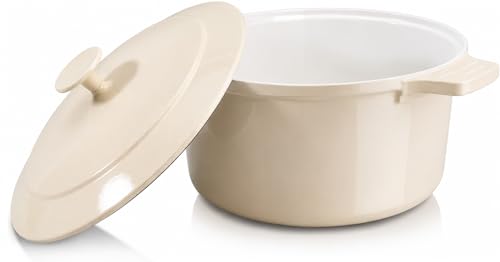
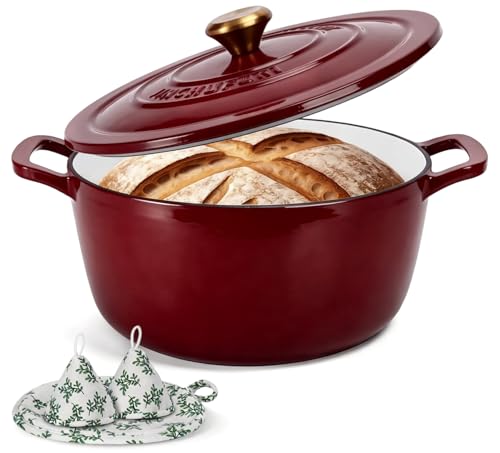
Quick Answer: The Main Types in 30 Seconds
For most homes, enameled cast iron is the safest all round choice because it moves from stove to oven, resists rust and needs no seasoning. Bare cast iron costs less and tolerates very high heat, but it asks for seasoning and prompt drying. Stainless steel and ceramic options weigh less, though they spread heat less evenly. Pick your type first, then compare lid fit and handles within that type.
Before You Buy: A Quick Checklist for Choosing a Dutch Oven
Size: Match It to Your Space
A 5 quart pot usually measures about 10 to 11 inches across and about 6 to 7 inches tall with the lid on, so it fits a standard cabinet shelf and most oven racks. In daily use it serves 4 to 5 people a braised main dish, holds a whole chicken of about 4 pounds with vegetables around it, and takes a generous batch of soup. Smaller pots limit batch cooking, while 7 quart pots strain storage and lifting. Measure your cabinet depth before ordering, because the handles add width.
Which Type Fits Your Routine
Enameled cast iron pairs a cast iron core with a smooth enamel coating, so it browns well, deglazes cleanly and goes straight to the table. Bare cast iron is the pick for searing over fierce heat and for outdoor cooking, provided you keep it seasoned and dry. Stainless steel versions are lighter and react fast to heat changes, which helps with sauces but gives less gentle simmering. Ceramic pots serve well yet dislike sudden temperature swings. If enamel sounds right, compare shapes and finishes in our guide to the best enameled cast iron dutch oven.
Features Worth Paying For, and Ones to Skip
Pay for a lid that sits flat with no rocking, because a tight seal keeps moisture in and stops braises from drying out. Bumps under the lid, often called a self basting design, drip condensation back over the food and are worth having. Wide loop handles matter, since oven mitts need room for a secure grip, and a metal knob is worth the premium if you bake at high heat. Skip bundled extras, novelty colors that cost more for the same pot, and decorative knobs that are hard to grasp.
Material Safety and Coatings
Enameled cast iron and bare cast iron contain no PFAS or PTFE style nonstick coating, which is one reason many buyers choose them. The enamel is a glass based coating fired onto the iron, and seasoning on bare iron is simply oil baked into the metal. Ceramic coated aluminum is different, because that slick layer wears over time and loses its easy release. Read the maker material disclosure and retire a pot with deep enamel chips across a wide area.
Stovetop Compatibility for Induction, Gas and Glass Tops
Cast iron in either finish works on induction because the iron body is magnetic, and it also suits gas and electric coil burners. On a glass top, lift the pot instead of sliding it and check that the base is smooth. Stainless steel only works on induction when the base includes a magnetic layer, which the listing should state. Ceramic pots vary the most, so confirm the burner types the maker allows.
Oven Safe Temperature and Handles
The pot body of a cast iron dutch oven usually tolerates any home oven temperature, but the knob often sets the real limit. Some plastic knobs are rated only to about 400 degrees Fahrenheit, while metal knobs commonly allow about 500 degrees or more. Check the rating for the exact configuration you are buying, because the same pot may ship with either knob style. Wide handles need roughly 13 inches of rack width, and tall lids can touch the upper rack, so measure with the lid on.
Realistic Budget Ranges
At under $50 you generally get bare cast iron or a basic enameled import, both workable if you accept plainer finishes and shorter warranties. Around $50 to $100 buys solid enameled cast iron with better lid fit, where most home cooks find the best balance. About $100 to $200 adds smoother enamel and stronger warranty support. Above $200, you pay for refined casting and brand heritage rather than dramatically better soup. Set your ceiling by how often you cook.
Types Compared: How to Choose Between the Main Options
Enameled Cast Iron for Most Homes
This is the type to beat for everyday family cooking. It handles acidic tomato sauces without reacting, needs no seasoning routine, and wipes clean after most meals. It simmers beans gently, braises short ribs without scorching and bakes crusty bread. The trade offs are weight and care. An empty enameled pot often weighs about 11 to 15 pounds, and the enamel can chip if you bang it against a sink edge or stack other pans inside it. Choose it if you cook at least twice a week and want one pot that asks little of you.
Bare Cast Iron for High Heat and Outdoor Cooking
Bare cast iron is the rugged option. It sears steaks and chicken skin hard, shrugs off metal utensils and goes over coals or a campfire without worry. It also tends to cost the least per quart. The upkeep is the price of admission. You dry it on the stove after washing, wipe in a thin layer of oil now and then, and store it fully dry. Long simmers of acidic food can strip seasoning, so it suits cooks who enjoy tending a pan.
Stainless Steel and Ceramic for Lighter Handling
If lifting a full cast iron pot is hard on your wrists, lighter types deserve a look. A stainless steel dutch oven shape with a thick layered base weighs far less, heats quickly and goes in the dishwasher. It will not hold a gentle simmer quite as steadily, and food sticks more during browning. Ceramic pots are also easy to lift, but they heat slowly and can crack when a cold pot meets a hot burner. Choose these when weight decides it.
How We Compare Options for This Guide
We judge 5 quart dutch ovens on the factors that shape daily ownership. Heat distribution comes first, since even simmering prevents scorched beans. Next is durability of the cooking surface, then material safety based on maker disclosures. Stovetop and oven compatibility follows, including knob limits and induction readiness. Cleaning effort matters because a pot that is annoying to wash gets used less. Finally we weigh cost of ownership, meaning warranty cover and spare part availability. These criteria come from manufacturer specifications and verified buyer feedback.
Is a 5 Quart Dutch Oven the Right Size for You?
For households of 2 to 5 people, this size hits the sweet spot. It cooks four chicken thighs with room for sauce, or a double batch of chili for the freezer. Compared with a stock pot, the dutch oven has thicker walls and a heavy lid, so it braises and bakes as well as it boils. That difference is the heart of the dutch oven vs stock pot choice, and many homes keep one of each.
Bread bakers do well here too. A round 5 quart pot supports a standard boule and traps steam for a crisp crust, and our guide to the best dutch oven for bread explains loaf sizing in more depth. If you regularly cook for 6 or more people, stepping up a size will save you from cooking in two batches.
Common Buying Mistakes to Avoid
- Buying by quart size alone, so the pot arrives too wide for your cabinet or too tall for your oven with the lid on.
- Ignoring empty weight, so a pot that felt fine in the store becomes a strain once it is full of stew.
- Paying extra for a color or bundle of accessories, so the budget goes to looks instead of lid fit and enamel quality.
- Assuming every knob is oven proof at high heat, so a plastic knob softens during your first high temperature bread bake.
- Choosing bare cast iron while hating upkeep, so the pot rusts in a damp cupboard and stops being used at all.
Cost of Ownership and Care
A dutch oven has no running costs or parts that wear out on a schedule, which keeps ownership cheap. Your likely expenses are small ones. A replacement knob costs a modest amount if the original cracks, and a cloth between stacked pans protects the enamel for almost nothing. Wash with warm soapy water and a soft sponge, and dry the rim where the iron is exposed. For the full routine, follow our steps on how to clean a dutch oven. Store the pot with a cloth under the lid.
Your Questions, Answered
What makes one dutch oven brand more reliable than another?
Reliability shows up in warranty terms and spare part support more than in a name. Brands that sell replacement knobs and lids and honor enamel claims tend to own better over time. Check recent buyer reports for patterns such as repeated chipping at the same spot, since a pattern points to a casting issue rather than bad luck.
How do you clean a dutch oven after a burnt on meal?
Let the pot cool fully before adding water, because a sudden temperature change can stress the enamel. Fill it with warm water and a little dish soap, soak for about 20 to 30 minutes, then lift the residue with a wooden spoon or a soft sponge. For a stubborn brown film, simmer water with a spoonful of baking soda for a few minutes and wash as usual. Never use steel wool on enamel, since it can dull the surface.
Is a dutch oven worth buying if you already own a stock pot and a skillet?
It is worth it when your cooking includes dishes that start on the stove and finish in the oven, such as braises, pot roasts and no knead bread, because neither a thin stock pot nor an open skillet covers that job well. If you mostly boil pasta and fry eggs, the overlap is too large. If four or more meals last month would have moved between burners and oven, the pot will earn its place.
How long does a dutch oven last in normal home use?
Bare cast iron can serve for decades and often gets handed down, because the cooking surface can be stripped and seasoned again whenever it wears. Enameled cast iron also lasts for many years, though the enamel sets the lifespan since deep chips cannot be reversed at home. Storing the lid apart from the base reduces rim wear, which is where enamel damage most often begins. With gentle handling, either cast iron type should outlast several sets of nonstick pans.
What size dutch oven do you need for a family of five?
Five quarts covers a family of five for most braises, soups and one pot pastas, especially with bread on the side. Teenagers, big appetites or cooking tomorrow lunch at the same time can push you toward the next size up. Our guide on what size dutch oven do i need matches pot sizes to recipes.
Final Thoughts
Match the pot to your rooms, your household and your routine, and the choice gets simple. Enameled cast iron suits most homes, bare cast iron rewards cooks who like high heat and low prices, and lighter metals help when lifting is a concern. Before you order, look back at the product table above and check your cabinet depth, oven clearance and knob rating one last time. Do that, and the best 5 quart dutch oven for your kitchen will still be in daily use years from now.


