Best 5 Gallon Shop Vacs (2026): Types Compared and Buying Guide
Disclosure: We may earn a commission when you buy through links on this page, at no extra cost to you. As an Amazon Associate I earn from qualifying purchases. Learn more

A practical guide to the best 5 gallon shop vac: corded, cordless, and compact models, plus suction, filters, and wet pickup.
A 5 gallon shop vac sits in a useful middle ground. It holds enough debris for a garage cleanup or a small renovation job, yet it stays light enough to carry up stairs and store on a shelf. Finding the best 5 gallon shop vac for your space comes down to suction strength, filtration, and how the tank handles both dry messes and standing water. This guide compares the main types side by side and explains the specs that actually matter, so you can match a model to your work instead of guessing from a box label.
The comparison table below sums up the key differences between the main types, and the sections that follow walk through power, filters, hoses, and price in plain terms.

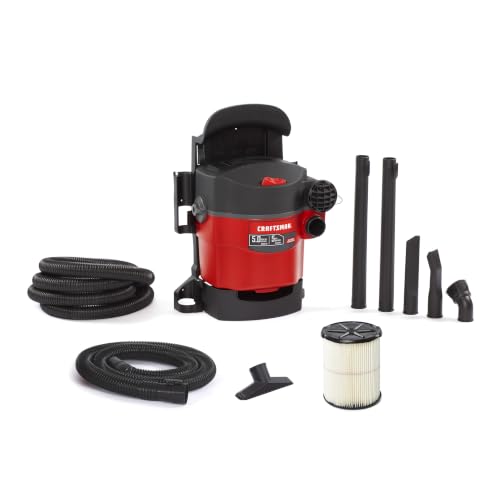


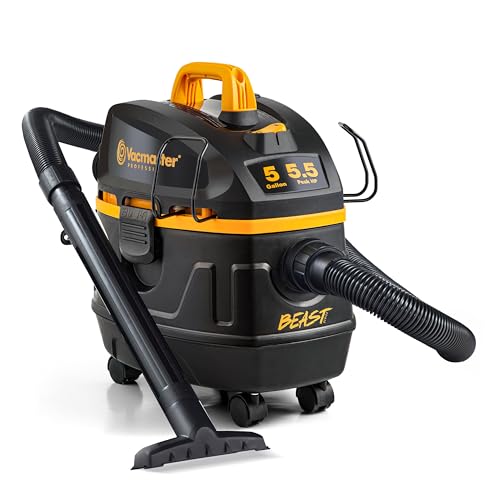


Types of 5 Gallon Shop Vacs Compared
Five gallon models come in a few distinct forms, and the right one depends on where you clean and what you pick up most. If you are still deciding on capacity, our broader guide to the best shop vac covers the full size range from compact to contractor grade.
Corded Models for Steady Power
A corded 5 gallon vac draws constant power from a wall outlet, so suction stays at full strength from the first minute to the last. That makes this type the safest choice for long sessions such as sanding dust cleanup. The trade off is reach. You work within the length of the power cord plus the hose, and moving between rooms means unplugging and replugging. For a fixed workshop bench or a single garage bay, that limit rarely matters.
Cordless Models for Quick Jobs
A cordless 5 gallon vac runs on a removable battery pack and frees you from outlets entirely. It shines for car interiors, stairwells, and small spills far from a socket. Runtime is the catch, since a single pack may give you roughly 15 to 30 minutes of cleaning depending on the power setting. If you already own tools on the same battery platform, one pack can serve both, which keeps cost and charger clutter down. Shoppers leaning this way can compare options in our guide to the best cordless shop vac.
Compact and Wall Mounted Models
Some 5 gallon vacs use a squat, wide tank that resists tipping when you pull the hose sideways, while others hang on a wall bracket to save floor space. A wall mounted unit suits a tidy garage where the vac lives in one spot and the hose does the traveling. Compact low tanks roll easily under a workbench. Both styles trade a little reach for storage convenience.
Key Features to Compare
Suction Power and Airflow
Manufacturers rate shop vacs by peak horsepower, airflow in cubic feet per minute, and sealed pressure, sometimes called water lift. Airflow tells you how much debris the vac moves through the hose, which matters most for sawdust, leaves, and drywall crumbs. Sealed pressure tells you how hard the vac pulls against resistance, which matters when you lift water or suck dust out of a carpeted car floor. Ignore peak horsepower on its own, since it reflects a brief maximum rather than working strength.
Filtration and Dust Control
Every shop vac ships with some form of filter, and the options climb from a simple foam sleeve to a pleated cartridge and then to a fine dust filter rated for very small particles. Dry debris such as wood chips needs only the basic setup. Fine dust from sanding or drywall work calls for a pleated cartridge plus a filter bag, because the bag traps powder before it coats the cartridge and chokes airflow. If anyone in the home has allergies, a filter rated to capture fine particles is worth the extra cost, and you should empty the tank outdoors.
Hose, Attachments, and Storage
The standard hose on this size is often about 4 to 7 feet long with a diameter near 1.25 to 2.5 inches. A wider hose passes chunky debris like wood offcuts without clogging, while a narrower hose feels lighter for car work. Check which nozzles come in the box: a utility nozzle for floors, a crevice tool for tight gaps, and a wet nozzle with a squeegee edge cover most home jobs. Onboard storage clips keep those pieces from vanishing into a drawer.
Tank Build and Drainage
Most 5 gallon tanks are molded plastic, though a few use stainless steel. Plastic keeps weight down and shrugs off dents, while steel resists punctures from sharp scrap. For wet pickup, a drain port near the base lets you empty water without lifting a heavy tank. Also check the latches. Two firm latches seal the lid better than a single friction fit, and a good seal protects suction when the tank nears full. A float valve inside should shut off suction when water reaches its limit, guarding the motor.
Noise and Weight
Shop vacs are loud by nature, and smaller models with compact motors can sound sharper than larger ones. Ratings around 60 to 75 decibels are common for this class, though makers measure under varied conditions, so treat the number as a rough guide. Weight matters more than many buyers expect. A full 5 gallon tank of water weighs over 40 pounds, so large rear wheels and a sturdy top handle decide whether you carry the vac happily or dread moving it.
How to Choose the Right Shop Vac
Start With Your Main Mess
Name the job you will do most often, then buy for that job. Mostly dry garage sweeping points you toward strong airflow and a filter bag setup. Frequent water pickup, such as a damp basement corner, points you toward a drain port and a reliable float shutoff. Mixed use is common, and a mid range corded model with a pleated filter handles both without overspending.
Features Worth Paying For, and Ones to Skip
Worth paying for: a pleated cartridge filter, filter bags, a drain port if you expect water, and a hose at least 6 feet long. A detachable blower adds value if you clear leaves from a garage floor or a patio, since the motor unit lifts off and blows debris out the door. You can skip a huge attachment bundle you will never open, and skip paying extra for the highest horsepower number when airflow figures look average. A longer cord, about 10 to 20 feet, quietly saves more frustration than most extras.
Accessories and Warranty
Before you buy, price the consumables. Filter bags and cartridges are ongoing costs, and a common model with widely stocked filters stays cheaper to run than an obscure one. Confirm that a foam sleeve is included if you plan wet pickup, because the pleated cartridge must come out before water work in many designs. Warranty length on this class often runs about 1 to 5 years for home use.
How Much Should You Spend?
Basic corded 5 gallon models start at about $50 to $80 and cover dry sweeping and light water pickup for most homes. Spending about $80 to $130 usually adds a stronger motor, a pleated filter, and better wheels and latches. Cordless models and steel tank versions tend to run about $130 to $200, and the premium there buys freedom from cords or a tougher tank rather than stronger suction.
Is a 5 Gallon Shop Vac the Right Size for You?
Five gallons suits one car garages, small workshops, apartments with a utility closet, and anyone who cleans up after pets or kids in short sessions. The tank fills after roughly one room of renovation debris or a few weeks of garage sweeping, so you empty it often but never wrestle a giant canister through a doorway. If you regularly flood clean a large basement or run a busy workshop, a bigger tank cuts emptying trips. If your jobs are mostly car interiors and quick spills, a smaller unit stores more easily, and our guide to the best small shop vac covers those compact options.
Drivers who mainly vacuum car mats and trunk crumbs may find this size ideal with a crevice tool, and our dedicated guide to the best shop vac for car detailing explains the attachments that matter most for that work.
Common Mistakes to Avoid
- Using the pleated dry filter for water pickup, which can ruin the filter and strain the motor.
- Skipping filter bags for fine dust, so powder clogs the cartridge and suction fades within minutes.
- Judging by peak horsepower alone and ignoring airflow, which leads to a vac that feels weak on bulky debris.
- Letting the tank overfill past the float or the fill line, which cuts suction and can push dust out of the exhaust.
- Pulling the vac by its hose around corners, which tips the tank and spills the load you just collected.
- Storing the vac with damp debris inside, which breeds odor and corrodes metal parts over time.
How to Make Your Shop Vac Last Longer
Empty the tank after every wet job and let it dry with the lid off before you store it. Tap loose dust off the cartridge filter over an outdoor bin, and wash only filters the maker labels as washable, letting them dry fully before reinstalling. Replace filter bags when they feel about two thirds full, since an overpacked bag starves airflow and makes the motor work harder. Coil the hose loosely to prevent kinks. If suction drops suddenly, inspect the hose ends and the float for stuck debris. For step by step operating basics, see our guide on how to use a shop vac.
FAQ
What size shop vac do I need for a one car garage?
A 5 gallon model covers a one car garage well. It holds a full sweep of floor grit, leaves, and cobwebs with room to spare, and it still fits on a shelf or in a corner. Step up in size only if you also plan to vacuum a large workshop or pick up renovation debris from several rooms in one session without stopping to empty the tank.
Can a 5 gallon shop vac pick up water safely?
Yes, as long as you set it up for wet work first. Remove the pleated dry filter and any filter bag, fit the foam sleeve if your model uses one, and keep an eye on the water level. The float inside rises with the water and cuts suction at the safe limit. Unplug the vac before you open the tank, and never use any shop vac to pick up flammable liquids such as gasoline.
How long does a 5 gallon shop vac last?
With basic care, a home use model often lasts about 5 to 10 years. The motor brushes and the filter condition decide most of that span. Vacs that run often on fine dust without filter bags wear faster, because grit reaches the motor bearings. Replacing filters on schedule and storing the tank dry are the two habits that stretch service life the most.
Is a shop vac worth it if I already own a regular vacuum?
For many homes, yes. A household vacuum is built for carpet and floors, and its narrow path clogs on screws, wood chunks, and wet spills. A shop vac swallows that debris, handles water, and survives garage grit that would damage a home machine. If you compare the two styles directly, our article on shop vac vs regular vacuum lays out where each one belongs.
How do you clean a shop vac filter without making a mess?
Take the vac outside, remove the filter, and tap it gently against the inside of a lined trash bin so dust falls down instead of drifting. A soft brush clears the pleats without tearing them. Do this on a calm day and wear a dust mask, since the finest particles go airborne first. If the filter stays gray and airflow feels weak after tapping, replacement beats washing for filters not rated as washable.
Final Thoughts
The right choice is the model whose filter setup, hose length, and power source match the mess you clean most. Corded versions give steady strength for workshops, cordless versions trade runtime for freedom, and compact tanks store easily in small spaces. Compare the types in the product table above against your budget, and the best 5 gallon shop vac for your home should stand out clearly. Prices and availability can change, so check the product page before ordering.