
Best Bug Vacuums 2026 Buying Guide
Disclosure: We may earn a commission when you buy through links on this page, at no extra cost to you. As an Amazon Associate I earn from qualifying purchases. Learn more
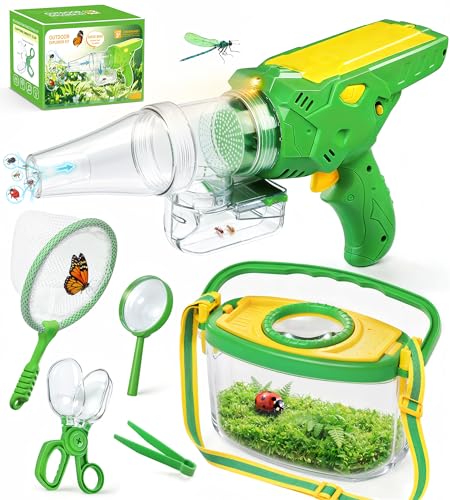
Learn how to choose bug vacuums, from handheld capture and suction control to sealed disposal, battery life and safe use around pets, plants and children.
Dealing with insects indoors is unpleasant enough without a messy solution, and best bug vacuums offer a catch and remove method that avoids sprays and squashing. A good bug vacuum captures insects quickly, holds them securely, and lets you release or dispose of them without handling them directly. The comparison table below gives a quick overview of the main choices before the detail that follows.
This guide covers suction strength, capture chamber design, battery life and safety, so you can choose a tool that suits your home, garden or workshop. It also explains limits, because a bug vacuum helps with occasional insects but does not replace pest control for an infestation.




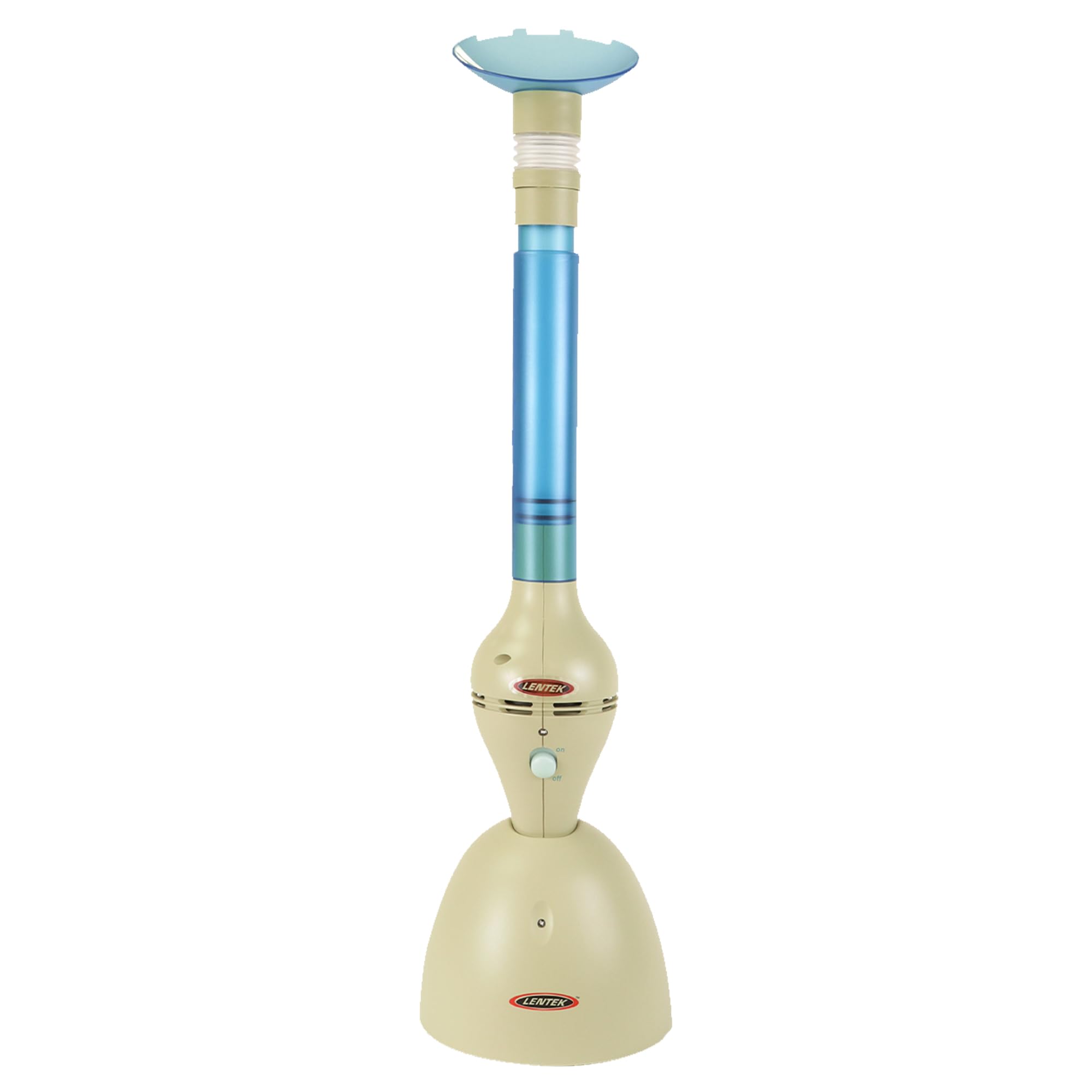
Who Should Buy Bug Vacuums
These vacuums suit households that want a spray free way to remove occasional spiders, flies, moths and other insects from rooms, windows and ceilings. They also suit people who dislike handling insects, parents who want a child friendly tool, and gardeners who need to move insects without harming plants. If insects appear now and then rather than in large numbers, a bug vacuum is a practical addition.
They are a weaker fit for serious infestations, where the source must be found and treated rather than captured one by one. They are also not a substitute for professional pest advice if you see large numbers, nesting, or insects that bite or sting repeatedly. Always identify stinging insects from a safe distance and avoid capturing species you cannot identify.
Types of Bug Vacuums
Handheld battery bug vacuums
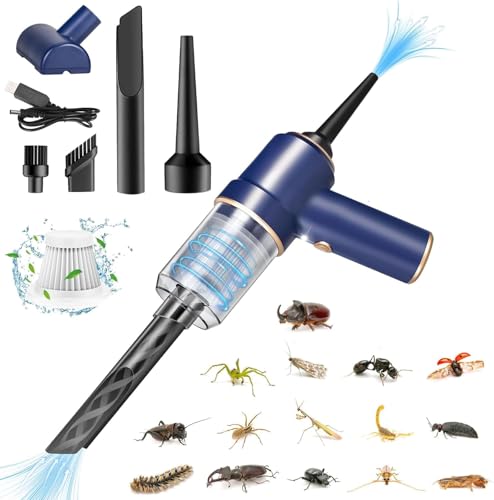
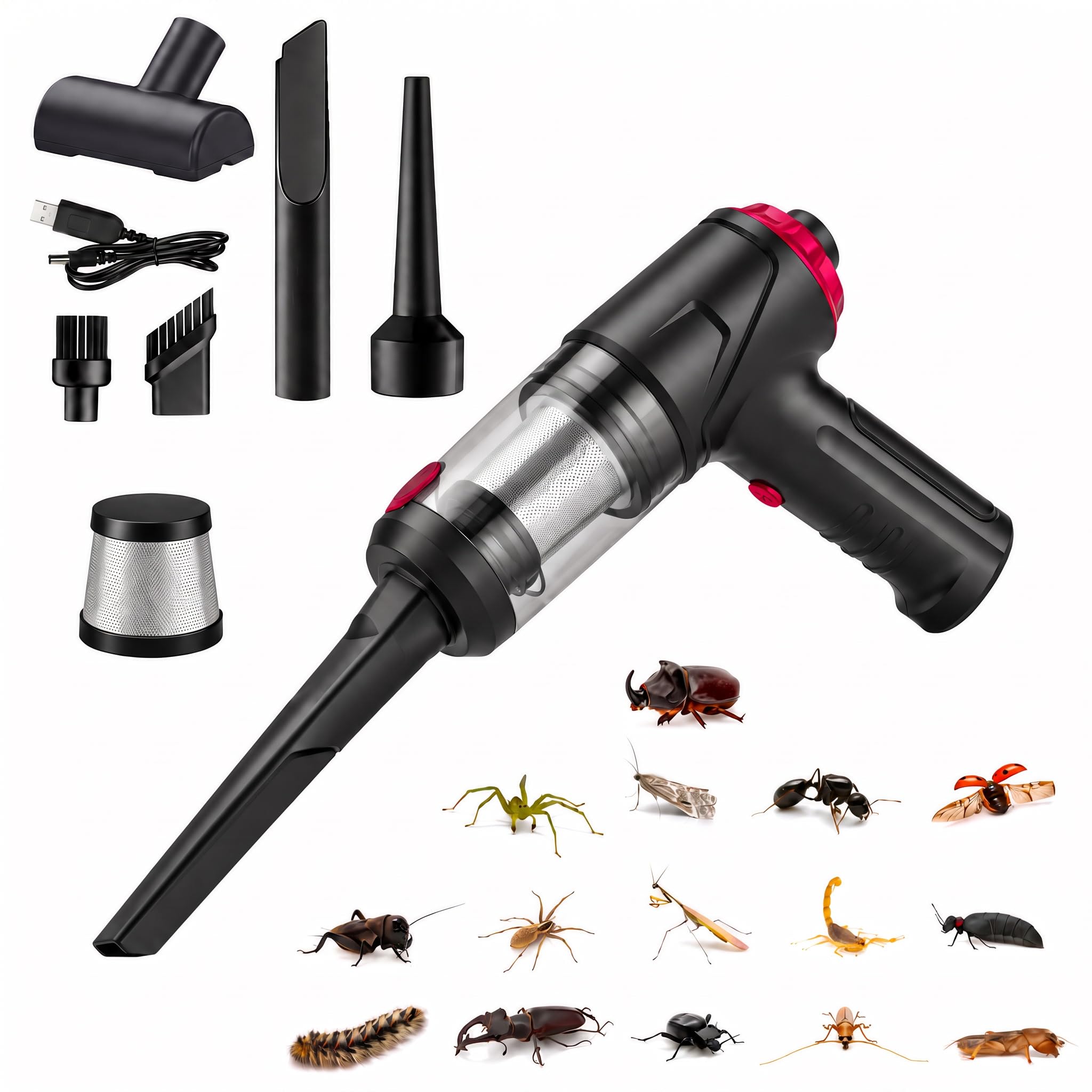
Handheld battery models are light, cordless and easy to grab for a single insect on a wall or window. They suit most homes because they are ready in seconds and simple to empty. Battery life and suction fade matter, so check runtime and whether the battery is rechargeable or replaceable.
Bug vacuums with a viewing chamber
Viewing chamber models let you see the captured insect, which helps children learn and helps adults confirm a safe release. They suit families and curious users who want to identify what they caught. Make sure the chamber seals well, because a clear chamber is useless if insects escape during handling.
Long reach and extension bug vacuums
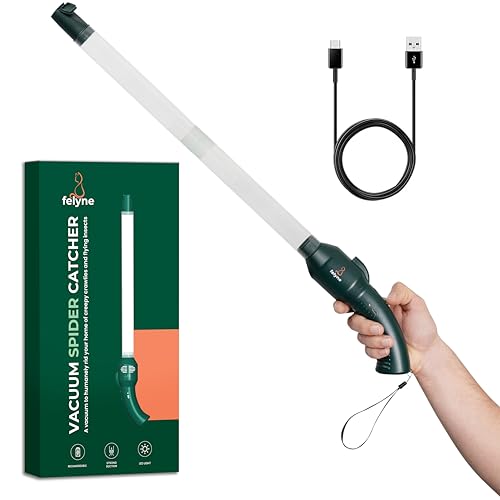
Long reach models add an extension tube for ceilings, high corners and outdoor eaves, which suits tall rooms and garden use. They reduce the need for ladders for occasional high insects. Check balance and weight, because a long tube can feel awkward if the motor end is heavy.
Key Features to Compare
Suction control
Suction should be strong enough to lift an insect quickly but gentle enough not to damage delicate insects you plan to release. Adjustable suction or a soft capture nozzle helps with different sizes, from tiny flies to larger spiders. Try it on a safe target first to learn the effective distance before aiming at a fast moving insect.
Sealed capture and disposal
A sealed chamber prevents escape while you carry the vacuum outside, which is the whole point of the tool. Look for a one way valve or secure cap and a release mechanism that does not require touching the insect. Empty promptly after use, because a chamber left full can become unpleasant and less hygienic.
Battery life and charging
Battery life decides whether the vacuum is ready when needed, so a rechargeable model with a dock or USB charging is usually more practical than a disposable battery model. Check runtime in minutes and recharge time, and store the vacuum charged if insects are a regular issue. A dead battery at the wrong moment defeats the purpose.
Size, weight and noise
Size and weight affect how easily you can aim at ceilings and corners, while noise affects pets, children and night time use. A compact, quiet model gets used more often than a bulky loud one. Balance suction power against handling, because the most powerful model is not helpful if it is too heavy to aim steadily.
Common Mistakes to Avoid
A common mistake is using a bug vacuum as pest control for an infestation, when the real need is to find entry points, food sources or nesting areas. Another is leaving captured insects in the chamber for days, which is unhygienic and can damage the device. A third is aiming too close with full suction at delicate insects meant for release, when a gentler approach would have worked.
Budget and Long Term Value
Bug vacuums are generally affordable, with simple handheld models costing less and long reach or viewing chamber models costing more. Value comes from suction reliability, a good seal and rechargeable power rather than extra accessories. If insects are only an occasional issue, a basic model is enough, while frequent use justifies a sturdier rechargeable version.
Getting the Most From Your Choice
Keep the vacuum charged and stored where you can reach it quickly, because insects rarely wait. Learn safe release spots away from the house for insects you do not want indoors, and clean the chamber after use. If you notice repeated insects in one area, check for gaps, food, moisture or nesting, and seek pest advice if numbers grow.
A Closer Look Before You Buy
Think about where insects appear most in your home, because capture strategy differs between a spider in a high corner, a fly near a window, and a moth around a lamp. A long reach model helps for ceilings, while a compact model is quicker for windowsills and tables. Keeping the vacuum in the room where insects most often appear, rather than in a distant cupboard, makes it far more likely to be used.
Also consider what you will do after capture, including a release spot outdoors away from doors and windows, and a cleaning routine for the chamber. A vacuum that is easy to empty and clean will be used more willingly, especially by children or squeamish adults. If insects keep appearing in the same spot, look for entry points such as gaps around windows, vents or pipes, because sealing those gaps reduces the problem at its source.
Related Guides Worth Reading
Related reading: our guide to best bed bug vacuums explains how that option compares, so you can place it beside best bug vacuums before you decide.
If your shortlist grows wider than best bug vacuums alone, best vacuums for animal hair is a useful next read for seeing the broader trade offs.
For context beyond this guide, see best battery powered vacuums, which covers a closely related choice that many buyers weigh at the same time.
You may also want to read best ranked vacuums if that related category could suit your routine better than best bug vacuums.
A related guide, best robot vacuums and mops, adds detail on a neighboring option that often appears on the same shortlist.
Frequently Asked Questions
Do bug vacuums harm insects?
It depends on suction strength and insect type, with gentle suction and a soft chamber giving a better chance of safe release. Strong suction can injure delicate insects, so use the lowest effective setting if you plan to release. For insects you do not want to release, disposal method matters more than capture gentleness.
Can bug vacuums handle spiders?
Yes, most bug vacuums handle common house spiders, and they are popular exactly because they avoid direct handling. Approach slowly, capture from a short distance, and keep the chamber sealed until release or disposal. Avoid capturing spiders you cannot identify, and seek advice if bites or large numbers occur.
Are bug vacuums safe around children and pets?
Generally yes, because they avoid sprays and direct contact, but supervise children and keep pets calm during use. Noise can startle pets, and small parts should stay out of reach of very young children. Teach children to identify insects from a distance and not to capture stinging species.
Do bug vacuums work outdoors?
They work for occasional outdoor insects on patios, plants and eaves, especially with a long reach model. Wind, rain and fast flying insects make outdoor capture harder, and garden ecosystems benefit from leaving many insects alone. Use outdoors for insects that enter the home rather than for general garden clearing.
When should I call pest control instead?
Call pest control if you see large numbers, repeated nesting, damage to wood or food, or insects that bite, sting or spread illness. A bug vacuum manages occasional visitors, not an established population. Professional advice also helps identify species and entry points that a vacuum alone cannot address.
Final Thoughts
A good choice among best bug vacuums is a light, rechargeable model with a sealed chamber and suction you can control, kept charged and ready. Use the product table above to compare handheld, viewing chamber and long reach options, then match the tool to your home. For repeated or large scale problems, pair the vacuum with pest advice rather than relying on capture alone.


