Best 5 Burner Gas Range: Buying Guide (2026)
Disclosure: We may earn a commission when you buy through links on this page, at no extra cost to you. As an Amazon Associate I earn from qualifying purchases. Learn more

Freestanding, slide in or 36 inch: how to match a 5 burner gas range to your opening, cooking habits and venting.
Pasta water is boiling, sauce is simmering, vegetables need heat, and there is still no free spot for a warm pan. Choosing the best 5 burner gas range is about solving that daily squeeze without buying a wider cabinet run or features your household will rarely touch. This guide focuses on fit for your space, how many people you cook for, and what ownership feels like month after month.
Use the comparison table below to line up widths, burner layouts, and oven styles, then work through the checklist that follows. If you are still weighing the wider category first, see our guide to the best gas range before you narrow to five burners.




Quick Answer: How the Main Types Compare
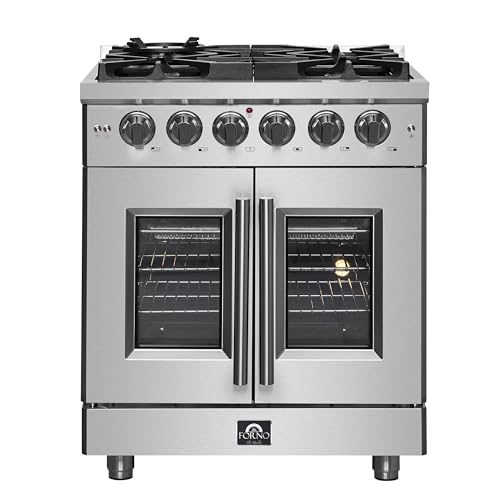
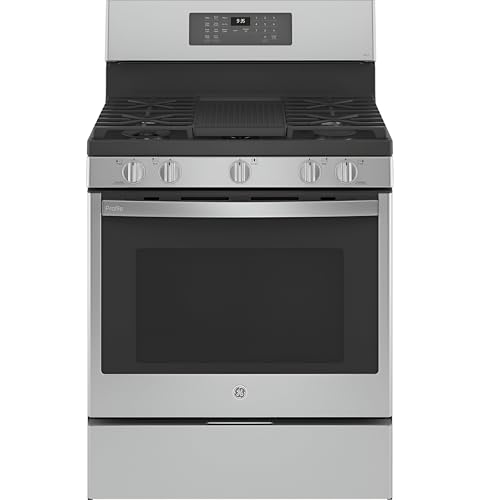
Most homes land in one of three groups. A standard 30 inch freestanding model suits most kitchens and budgets. A 30 inch slide in model gives front controls and a cleaner line with your counters. A wider 36 inch model gives larger grates and a bigger oven, but only helps if your cutout and cabinets already allow that width.
- Standard 30 inch freestanding: rear controls, the widest choice at lower prices, and the simplest swap for an older range.
- 30 inch slide in: front controls, no tall back panel, and a fit that sits flush with counters.
- 36 inch wide format: more grate space for oversized pans and a larger oven, with higher costs.
Before You Buy: A Quick Checklist for Choosing a Gas Range
Size: Match It to Your Space
Start with the opening you already have, not the size you wish you had. Most 5 burner models are built for a 30 inch opening, and that size covers apartments, family homes, and most remodels that keep cabinets in place. If your opening is that width, compare options in our guide to the best 30 inch gas range before you look wider. Measure the opening width, the depth to the wall, and the swing of nearby doors.
Which Type Fits Your Routine
Freestanding models place controls on a rear panel, which keeps small hands farther from knobs but asks you to reach across hot pans to read settings. Slide in models put controls at the front, which is easier to read, yet needs a household rule about children touching knobs. Double oven versions split capacity for baking at two temperatures at once, while single oven versions give one tall cavity for large roasts. Choose based on a normal week, not one holiday meal.
Features Worth Paying For and Ones to Skip
A center oval burner earns its keep if you often use a griddle for pancakes or grilled sandwiches, since it heats the middle of the pan that corner burners leave cool. True convection helps if you bake on two racks at once and want even browning without rotating pans. Air fry modes are useful only if you will retire a countertop appliance. You can usually skip smart controls if you never plan to start the oven from another room.
Burner Power and Layout
Look at the full spread of burner output, not just the largest number on the box. A useful set pairs one strong burner for fast boiling, two mid range burners for everyday pots, one low burner that holds a gentle simmer without scorching sauce, and the center burner for a griddle. Continuous grates let you slide a heavy pot between burners without lifting, and a front power burner suits a tall stockpot you stir often.
Measurements and Compatibility With Your Setup
Confirm three things before you order. First, your home needs a gas supply line and a shut off valve in good condition at the range location, plus a standard electrical outlet for the igniters and clock. Second, check fuel type. Models ship set for natural gas, and homes on propane need a conversion done at installation. Third, plan ventilation. A hood that vents outside removes steam, grease, and combustion byproducts far better than a unit that only recirculates air.
Certifications and Safety Checks
Look for a listing mark from a recognized testing lab, such as UL or CSA, on the rating plate and in the product documents. That mark tells you the range was evaluated against United States safety standards for gas appliances. Keep the manual that lists clearances to cabinets and walls. If you ever smell gas when the range is off, leave the home, avoid light switches inside, and call your gas utility from outside.
Installation: Doing It Yourself Versus Hiring a Pro
Gas work is the one part of this purchase where saving money can cost far more later. Many cities require a licensed installer for a new gas connection, and makers can deny warranty help if a leak traces back to unlicensed work. Our breakdown of gas range installation cost explains what delivery and hookup fees usually cover. To see the steps a pro follows, read how to install a gas range so you can confirm the anti tip bracket is fitted before the crew leaves.
Realistic Budget Ranges
Expect three broad bands. Entry models at about $700 to $1100 cover the core job well, with sealed burners and basic convection on some. Mid range models at about $1100 to $2000 add slide in styling, stronger convection, a center griddle on more versions, and heavier grates. Models above about $2000 focus on 36 inch widths, double ovens, and premium finishes. Set aside extra for installation and a hood upgrade if your venting is weak.
Types Compared: Freestanding, Slide In, and Wide Format
Standard Freestanding for Most Homes
This is the default choice when you want value and a simple replacement. The sides are finished, so it can stand at the end of a cabinet run without looking incomplete. Rear controls keep the front face simple, and this type is often the least costly way to get five burners and a full size oven. The trade off is reach, since reading a rear panel over steam takes care.
Slide In for Front Controls and a Flush Look
Slide in models overlap the countertop edge slightly, which helps stop crumbs and spills from falling into the gap beside the range. Front controls suit shorter cooks and anyone who dislikes reaching across heat. This type costs more than a similar freestanding model, and the panel needs regular wiping since it faces splatter directly. Measure counter height carefully, since a mismatch shows more here.
Wide Format for Large Pans and Big Batches
A 36 inch range spreads burners farther apart, so two large skillets and a saucepan can share the cooktop without crowding handles. The oven below is wider too, which helps with full sheet pans. If your cabinets were built for this width, our guide to the best 36 inch gas range shows what the extra space buys you. For a household of two or three, it often sits unused.
How to Compare Five Burner Ranges
Judge any range you shortlist against the same list. Check fit and fuel first, then burner spread and grate design, then oven capacity and cleaning method, then warranty and local service options. Read owner comments for patterns about igniter failures instead of single glowing or angry reports.
Pros and Cons of Five Burners
The clear gain is breathing room. You can keep a sauce warm on a low burner while two main dishes cook and water boils, without stacking pans or reheating food that sat waiting. The center burner also gives griddle cooking a proper home. On the down side, five burners on a 30 inch top still crowd each other, and three large pans at once will fight for space.
- Pros: a free burner for warming, griddle space, and less juggling during busy meals.
- Drawbacks: tighter spacing than photos suggest, more grates to clean, and a larger gas draw when every burner runs.
Compared with a four burner range, you gain flexibility rather than raw power. Compared with an induction cooktop, gas gives visible flame control and works with any pan material, but it adds heat to the kitchen.
Common Mistakes to Avoid
- Measuring only the width: depth and door swing matter too, and a range that sticks out past counters blocks nearby drawers.
- Forgetting the fuel type: ordering a natural gas setup for a propane home delays installation and adds a return trip.
- Skipping the anti tip bracket: a range can tip if a child or a heavy oven door load pulls it forward.
- Buying for one big holiday: sizing choices around a single feast leaves you paying daily costs for capacity used once a year.
- Ignoring ventilation: five burners under a weak recirculating hood will leave grease on cabinets and moisture on walls.
- Assuming the old connector can stay: many codes require a new connector at replacement, so budget for it.
Cost of Ownership and Care
Running costs stay modest, since gas for cooking is a small share of a household bill, but service calls are not cheap. Keep burner caps seated flat after cleaning, since a tilted cap causes uneven flames and clicking igniters. Wipe spills after the grates cool so sugars do not bake onto the cooktop. Once a year, check that flames burn mostly blue, and book service if flames turn lazy and yellow or you notice soot on pan bottoms.
Grates and caps last for years when you wash them in warm soapy water and dry them fully before refitting. Keep the model number from the rating plate in your phone for ordering knobs, caps, or igniters.
Your Questions, Answered
What is the most reliable gas range brand?
Reliability depends less on the badge and more on service access where you live. A brand with local technicians and ready parts will get you cooking again in days, while thin local coverage can leave you waiting weeks for a small part. Ask local dealers which brands they repair quickly, and favor simpler models if uptime matters most.
How do you clean a gas range?
Wait until the cooktop is fully cool, lift off the grates and caps, and soak them in warm water with dish soap while you wipe the surface with a soft cloth. For baked on residue, use a paste of baking soda and water, let it sit for about 20 minutes, then wipe and dry. Never pour water into burner bases, since moisture there causes slow ignition and clicking.
Is a gas range worth it?
It is worth it if your home already has a gas line at the cooking spot and you value instant flame changes you can see. It is harder to justify if a new gas line is required, since permit and labor costs can exceed any cooking benefit for a light cook. Households that cook daily with woks or large griddles get the clearest value.
How long does a gas range last?
Most gas ranges serve for about 13 to 15 years with normal home use. Igniters and oven sensors are the parts most likely to need replacement along the way, and those repairs are usually worth doing once on a range under ten years old. When a control board fails on an older unit, most owners replace the range.
Are 5 burner gas ranges worth it?
They are worth it when your normal cooking uses three or more burners at once, or when a griddle is part of your weekly routine. If most meals use one or two pans, the fifth burner adds cleaning work without adding value, and a simpler four burner range may suit you better. Count the pans from your last three busy meals to judge honestly.
What is the best 5 burner gas range for a small kitchen?
For a small kitchen, the right answer is usually a 30 inch freestanding model with sealed burners and a storage drawer for sheet pans. That format keeps the footprint standard, avoids cabinet changes, and still gives you the center burner for a griddle. Skip wide formats and double ovens in tight spaces.
Final Thoughts
Fit your space first, match the type to your routine, and let burner layout and oven style settle the rest. When you compare the product table above with your measurements and fuel type in hand, the best 5 burner gas range for your home becomes a calm choice rather than a gamble. Confirm delivery and installation before you order.