
Best 5.1 Soundbars (2026): Types Compared and Buying Guide
Disclosure: We may earn a commission when you buy through links on this page, at no extra cost to you. As an Amazon Associate I earn from qualifying purchases. Learn more

A practical guide to the best 5.1 soundbar: true surround, bar and subwoofer, and expandable sets, plus placement, connections, and budget.
Your family gathers for a film, the opening scene sounds fine, and then the dialogue sinks under the music and effects. A best 5.1 soundbar setup solves that problem, because speech gets its own center channel and surround effects move behind you. This guide helps you choose by room, by who shares the system, and by budget.
Instead of chasing the longest feature list, focus on fit. The comparison table below sums up the main types side by side, and the sections after it explain placement, connections, and running costs. If you are still weighing the wider category first, see our guide to the best soundbar choices.

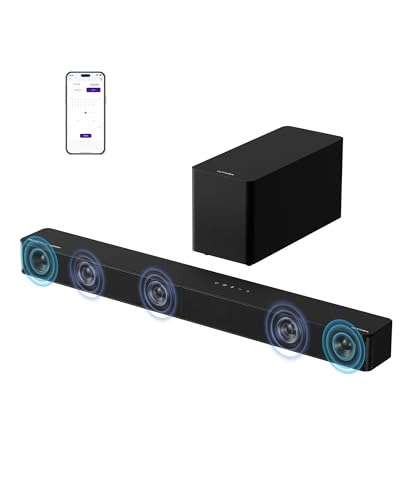
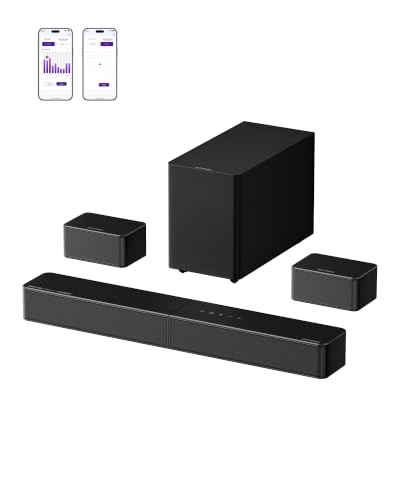


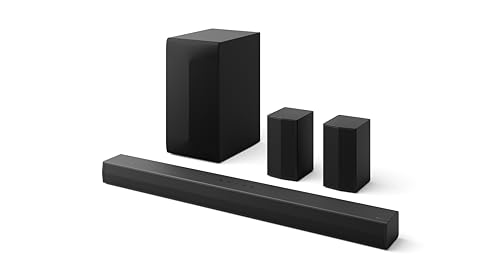

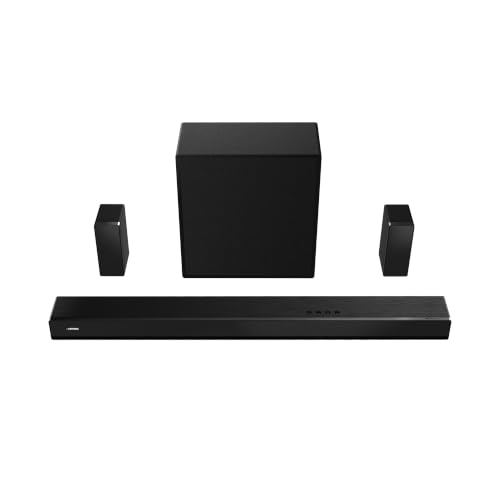
Quick Answer: Three Types in 30 Seconds
There are three practical ways to bring 5.1 sound into a home. A true surround set pairs a bar with a subwoofer and two separate rear speakers. A simpler set creates rear effects with processing. An expandable set starts with a strong bar and lets you add parts later, as your room and budget allow.
- True surround set: the clearest rear effects and the most parts to place.
- Bar and subwoofer set: the simplest setup, with simulated rear effects.
- Expandable set: a higher starting cost, with parts you can add over time.
Before You Buy: A Quick Checklist for Choosing a Soundbar
Size: Match It to Your Space
Measure your console before you shop, and note the width, the depth, and the space below the screen. The bar should sit fully on the surface, stay clear of the lower edge of the TV, and leave the remote sensor unblocked. A bar a little narrower than the TV usually looks balanced and is easier to center. Shorter bars suit bedrooms and home offices best.
Which Type Fits Your Routine
Match the type to what your household watches most. Film fans who gather on one sofa get the most from separate rear speakers, since effects travel around the room as the mix intends. Households that mostly watch news, sports, and streaming shows may value clear speech and simple controls more than rear effects, so everyone can run the system without help.
Features Worth Paying For and Ones to Skip
Pay for a dedicated center channel, a dialogue mode, HDMI eARC, and a wireless subwoofer if placement freedom matters to you. Room correction can also earn its cost in rooms with bare walls or odd shapes. Skip long lists of sound presets you will never open, extra streaming services your TV already offers, and bold height effect claims on bars with no drivers aimed at the ceiling.
Room Size and Placement
Rear speakers belong a little behind and to the sides of your main seats, at about ear level when seated. A sofa against the back wall leaves little room for that layout, and a very open room can thin out rear effects. Our walkthrough on how to set up a soundbar shows layout options for tight rooms. Place the subwoofer near a wall first, then move it in small steps if the bass sounds uneven.
Dialogue Clarity and Night Mode
In a 5.1 mix, speech lives mostly in the center channel, so a bar with a real center channel keeps voices steady when music swells. A dialogue mode lifts voices a little more, which helps viewers who sit off to the side. Night mode lowers sudden loud effects while keeping speech clear, a real help in apartments and for viewing after children are asleep. The tradeoff is flatter action scenes, so save night mode for certain hours.
Connections
HDMI eARC is the first choice for most homes, because the TV remote can control volume and the connection carries full quality sound. Optical is a sound fallback for older sets, though some surround formats may not pass through it. Use Bluetooth for music from a phone, not for TV, since a small delay can put sound out of step with lips. For a broader look, read our guide to the best soundbar for tv setups, and Samsung owners can compare specifics in our guide to the best soundbar for samsung tv options.
Subwoofer and Surround Options
A wireless subwoofer still needs a power outlet, but you can place it where bass sounds smoothest instead of where a cable ends. A wired subwoofer costs less and never needs pairing, yet its cable limits your choices. Separate rear speakers deliver real direction for effects such as rain and passing cars. Simulated surround keeps the room tidy, but effects stay near the front.
Realistic Budget Ranges
Prices for this format vary widely, so set your range by what each step actually adds. Shoppers comparing entry level choices can also scan our guide to the best budget soundbar models to see what a lower spend usually includes.
- under $200: true 5.1 sets are rare here, and most offers are bar and subwoofer pairs with simulated surround.
- About $200 to $300: entry level true surround appears, with modest rear speakers and a compact subwoofer.
- About $300 to $500: stronger bass, clearer dialogue at low volume, and better build quality.
- Over $500: expandable systems, more output for large rooms, and extra inputs for players and consoles.
Types Compared: Three Ways to Build a 5.1 System at Home
The three types below cover the same buying factors in different ways. Read them by fit for your room, not by rank.
For Most Homes: Bar, Wireless Subwoofer, and Separate Rear Speakers
This is the only layout that plays all five main channels from their own speakers, with the subwoofer handling the low notes. You hear dialogue from the center, effects up front, and ambient sound behind you, each in its place. It suits a living room with a fixed sofa and outlets near both rear corners. The downside is setup time, since four pieces need power and placement.
For Tight Budgets: Bar and Subwoofer With Simulated Surround
This layout uses processing to widen the sound and suggest effects that seem to come from the sides. It will not place a sound behind you the way a speaker can, and honest shopping means knowing that before you pay. What you get is fuller sound than TV speakers, real bass weight, and a setup that takes minutes. It suits renters and bedrooms where rear speaker power is out of reach.
For a Larger Long Term Setup: Expandable Systems With Room to Grow
Expandable systems start with a capable bar and add matched parts later, usually a subwoofer first and rear speakers next. Spreading the cost suits families furnishing a room in stages. Check that added parts come from the same system family, because parts rarely mix across brands. The downside is a higher total spend, and a first stage that may sound plain.
Our Selection Process
We judge these systems on sound quality, dialogue clarity, ease of setup, connectivity, and value for money. Our sources are manufacturer specifications, published format support, and patterns in verified buyer reviews, with a focus on shared living rooms. We also weigh cost of ownership, including mounts and stands. We do not claim hands on testing for systems we have not used, and we leave live prices to the product pages.
Is a 5.1 Soundbar the Right Size for You?
A 2.1 set adds bass but keeps all speech and effects at the front, while a 3.1 set adds a center channel for clearer dialogue. A 5.1 set earns its extra parts only when you watch films and shows mixed for surround, since that is where rear channels carry real content. If your viewing is mostly daytime TV, a strong 3.1 set may serve you just as well for less.
Space can also argue against 5.1. Rear speakers need breathing room behind your seats, and a sofa flat against a wall often leaves them too close to your ears. Very large open rooms can swallow the output of compact rear speakers. Our explainer on is a soundbar worth it walks through the value question if you are still unsure about adding any bar at all.
Common Buying Mistakes to Avoid
- Buying a bar wider than your console, which leaves it unstable and can block the TV remote sensor.
- Forgetting that wireless rear speakers and subwoofers still need power outlets, which can leave parts unused in rooms with few sockets.
- Setting both rear speakers on the front console, which keeps every effect in front of you and wastes the surround layout.
- Paying for simulated surround while expecting separate rear effects, which leads to disappointment on film night.
- Leaving the TV sound output on its default setting, which can send plain stereo to a system you bought for surround.
Cost of Ownership and Care
Running costs stay low for most homes. The system draws modest power in use and a small amount on standby, and your main extras are remote batteries, a spare HDMI cable, and stands for rear speakers if your room needs them.
Care is simple. Dust the grille and cabinet with a dry cloth, keep vents clear so the electronics stay cool, and set the subwoofer where feet will not strike it. Keep rear speaker cables tucked along walls so nobody trips. Check for firmware updates a few times a year, since updates can fix pairing issues.
Your Questions, Answered
What is the most reliable soundbar brand?
No single brand leads for every home, and reliability has more to do with support than with a badge. Look for a warranty of at least a year, a history of firmware updates for older models, and easy access to spare remotes. A brand that still supports a system with parts and updates will usually serve you longer than one that moves on quickly.
How do you clean a soundbar?
Switch the system off and unplug it before you start. Wipe the cabinet and grille with a dry microfiber cloth, and use a soft brush to lift dust from the grille weave. Never spray cleaner straight onto the bar, and keep liquids away from the drivers and ports. Clean the subwoofer the same way, and check its cable and port for dust while you work.
Is a soundbar worth it for family movie nights?
For shared viewing, yes, mainly because everyone in the room hears the same clear dialogue without turning the volume up and down. One remote routine also lowers friction, since family members who avoid complex gear will actually use the system. Guests benefit too, because clear speech matters more than big effects when people follow a story together.
How long does a soundbar last?
A soundbar can serve a home for many years, because it has no moving parts apart from the speaker cones. The pieces that age first are usually the remote, the HDMI cable, and the wireless link to the subwoofer. Signs that replacement time is near include crackling that stays after you swap cables and dropouts that return after a reset. Try those checks before you spend anything.
What size soundbar do I need for a TV in a corner?
Corner placement changes the answer, because walls close to the bar reflect sound and can make a wide bar sound crowded. Choose a bar shorter than the TV, angle it toward your main seats, and keep space between its ends and the walls. Side firing drivers need that clearance most. Measure the diagonal space, not just the console width, before you order.
What is the best 5.1 soundbar?
The right answer depends on one constraint most shoppers check last, which is power access behind the seats. If outlets sit near both rear corners, a true surround set gives you the full format. If they do not, an expandable system or a bar and subwoofer set will serve you better than parts you cannot plug in. Match the type to the room first, then compare dialogue clarity and connections within your budget.
Final Thoughts
The product table above gathers the three types in one place, so you can compare them against your room and budget at a glance. For most living rooms, a true surround set is the best 5.1 soundbar choice, since every channel has its own speaker. For tighter budgets or rooms with no rear outlets, the simpler and expandable types make smarter buys. Measure your space, count your outlets, and let those two facts lead the decision.


