
Best Cameras for Enthusiasts in 2026: A Buyer Checklist
Disclosure: We may earn a commission when you buy through links on this page, at no extra cost to you. As an Amazon Associate I earn from qualifying purchases. Learn more

Compare enthusiast cameras by sensor size, autofocus, lenses and controls, with a simple buying checklist, budget guidance and everyday care tips.
Stepping up from a phone is exciting, but spec sheets can read like a wall of numbers. The best cameras for enthusiasts share traits that matter far more than marketing figures: direct manual controls, a sensor that stays clean in dim light, autofocus you can trust, and a lens system that grows with you. This guide turns those traits into a checklist for the comparison table below.
Instead of chasing the longest feature list, you will learn how sensor size, autofocus, lenses and build quality change your photos, which camera type fits your subjects, and which care habits keep gear working for years.


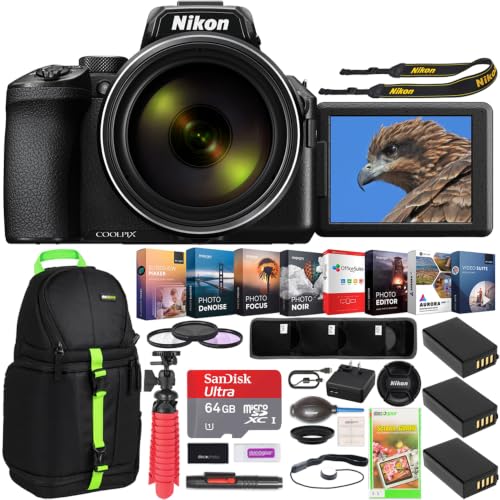

Who Should Buy an Enthusiast Camera?
Enthusiast cameras suit people who have outgrown automatic shooting and want control over focus, exposure and depth of field.
Hobbyists Who Have Outgrown Automatic Modes
If your camera decides everything for you, an enthusiast body puts aperture, shutter speed and ISO on dials instead of burying them in menus. You can blur a background with a wide aperture, freeze a cyclist with a fast shutter, and save raw files. Readers moving up from the best digital cameras aimed at casual snapshots feel the difference within a week.
Travel and Family Photographers Who Want Better Files
You may shoot landscapes one day and school plays the next, often in poor light and without time to swap gear. A midsize sensor, in body stabilization and a zoom cover that mix in one bag friendly kit. If you prefer a smaller body with manual control, see our guide to the best enthusiast compact cameras for that camera style.
Aspiring Creators Who Shoot Photos and Video
If you record interviews, family films or clips for sharing online, look for a microphone input, a screen that flips toward you, and clean video your editing software handles easily. Autofocus matters here, because a camera that hunts for focus during a quiet scene distracts viewers far more than a modest resolution figure.
Key Features to Compare
Score every candidate against the six factors below, and the right choice usually becomes clear.
Sensor Size and the Image Quality Enthusiasts Notice
Sensor area drives image quality most. A 1 inch sensor suits compact bodies and beats a phone. APS C sensors, common in enthusiast bodies, gather much more light and give shallower depth of field. Full frame sensors go further in dim light, but they demand larger, pricier lenses. Megapixel counts matter less, because a modest count on a large sensor beats a huge count on a tiny one.
Low Light Performance and ISO Range
Low light results depend on how much light each pixel gathers. Larger sensors with moderate pixel counts hold detail at high ISO settings, so indoor photos stay usable instead of turning muddy. A fast lens helps too: an aperture of f/1.8 or f/2.8 admits more light than a kit zoom at f/5.6. Judge bodies by samples at the ISO values you will use at home or at evening sports.
Autofocus Speed and Subject Tracking
Enthusiast shooting means moving subjects, so autofocus quality decides how many frames you keep. Modern systems detect eyes on people and animals and hold focus while the subject moves. Burst rates of about 8 to 20 frames per second help with sports and children, but only when tracking keeps up. Focus points should cover most of the frame, so edge subjects stay sharp without recomposing.
Lenses, Optical Zoom and Image Stabilization
Your lens shapes your photos more than the body does. Interchangeable lens cameras open a system of primes and zooms you can add later. On fixed lens models, judge the optical zoom range, because optical zoom uses real glass while digital zoom only crops and discards detail. Image stabilization, in the body or the lens, steadies handheld shots at slower shutter speeds for still subjects. It cannot freeze motion, so moving people still need a fast shutter.
Manual Controls, Viewfinder and Screen
Two control dials, one for aperture and one for shutter speed, let you change exposure without lowering the camera. An electronic viewfinder previews exposure and white balance before you shoot, while an optical viewfinder shows the scene with no lag and no battery drain. A tilting touch screen helps with low and high angles. A custom mode restores your favorite settings when light changes fast.
Weather Sealing and Build Quality
Weather sealed bodies use gaskets around dials, buttons and doors to keep out dust and light rain, which suits hikers, gardeners and sideline parents. Sealing is not waterproofing, so a sealed camera still needs shelter in heavy rain and should never go underwater without a housing. A metal chassis resists knocks better than plastic. Confirm the battery door and card slot carry seals, because moisture enters there first.
Choosing the Right Camera Type for Your Subjects
The best cameras for enthusiasts are not always the largest ones, because format should follow your subjects. If you shoot a bit of everything, see our guide to the best cameras for photography.
Best Mirrorless Cameras for Enthusiasts
Mirrorless bodies drop the mirror box, so they stay smaller while the electronic viewfinder shows exposure, focus aids and depth of field. Native lens lineups cover everything from small primes to long telephotos, and video features are usually the strongest in this class. The trade off is battery life, which trails DSLR figures, so plan on a spare battery for long days.
Advanced Compact Cameras With Fixed Lenses
A fixed lens compact with a 1 inch sensor slips into a jacket pocket yet offers manual dials, raw files and a bright zoom. It suits travel days when a full kit stays home. You give up lens swapping and some low light reach, but you gain a camera that is always with you. For the smallest options, see our guide to the best pocketable enthusiast cameras.
What to Check Before You Buy Your Next Camera Body
Run through these questions before you order, answering honestly about how you really shoot.
- Can you change aperture, shutter speed and ISO without opening a menu?
- Does the lens system include a fast prime you would realistically buy next?
- Does the grip feel secure with the heaviest lens you plan to carry?
- Will the autofocus track your main subjects, such as children, pets or players?
- Is the body weather sealed if you often shoot in rain or dust?
- Does the total cost, with a spare battery and cards, fit your budget?
Common Mistakes to Avoid
- Judging a camera by megapixels alone can leave you paying for enormous files with no real gain in dim light detail.
- Spending the whole budget on the body leaves nothing for a good lens, so images stay soft despite the new sensor.
- Trusting digital zoom figures inflates the spec sheet, because digital zoom only crops the frame and discards detail.
- Skipping a grip test risks an awkward hold that discourages you from carrying the camera at all.
- Believing a vague weatherproof claim without stated sealing details can end with a repair bill after one wet afternoon.
- Buying the largest sensor by default adds weight and lens cost that weekend shooting rarely repays.
How to Make Your Camera Last Longer
Clean the front element with a microfiber lens cloth, never your shirt, because shirt fabric can drag grit across the coating. Use a squeeze blower to clear dust from the lens mount and screen, and keep fingers off the sensor. Store the camera in a dry, padded bag away from radiators and bathrooms, since moisture invites fungus inside lenses.
Rotate two batteries instead of draining one every day, and format memory cards in the camera after each download to keep its file system clean. Keep caps on the body and lens ends during transport. If dials feel gritty or blower dusting leaves viewfinder spots behind, book a sensor clean rather than poking inside the mount.
Cameras: Your Questions Answered
What features matter most in cameras for enthusiasts?
Direct manual controls, raw file capture and a sensor of APS C size or larger matter most. One point buyers often miss is workflow: raw files only shine when you edit them, so set aside time to learn a simple editor and a backup routine. A camera whose controls you enjoy teaches you faster than a stronger body you find confusing.
How much should an enthusiast spend on a first dedicated camera?
Most first time enthusiast buyers land between about $500 to $900 for a body with a kit lens. Stepping up to about $900 to $1,600 buys a larger sensor, stronger sealing and faster bursts. Reserve part of the budget for a bag, a second battery and fast cards, the items that keep a camera ready.
Is a smartphone enough instead of a dedicated camera for an enthusiast?
A smartphone is enough for quick sharing, but a dedicated camera wins on zoom reach, flash control, battery life and real dials. Phones also apply processing you cannot switch off, while an enthusiast body lets you keep files plain and edit them your way. Many enthusiasts keep both, using the phone for daily snaps and the camera for family events.
Which matters more for low light photos, a larger sensor or a faster lens?
Both help, but in different ways: a larger sensor keeps high ISO files cleaner, while a faster lens lets in more light so you can avoid high ISO. For still portraits, a fast prime on a midsize sensor often beats a slow zoom on a larger one. For moving subjects in dark halls, sensor quality matters more, because shutter speed must stay high.
How many megapixels does an enthusiast camera need for sharp prints?
About 20 to 26 megapixels is plenty for sharp prints up to about 12 by 18 inches, and larger prints still look good from normal distances. That headroom also lets you crop freely. Technique matters more than the count: a steady hold and accurate focus at 24 megapixels beat a shaky shot at twice the resolution.
The Bottom Line
Start with sensor size, direct controls and a lens system that fits your subjects, and let price tiers come second. Match the format to your day: mirrorless for preview and video, or a compact for travel days when a full kit stays home. Choose among the best cameras for enthusiasts by comparing your shortlist against the product table above, and pick the body you will carry every week.

