Best 4mm Drop Running Shoes Complete Buying Guide 2026
Disclosure: We may earn a commission when you buy through links on this page, at no extra cost to you. As an Amazon Associate I earn from qualifying purchases. Learn more

Cushioning, fit, durability and a sensible build up explained to help you choose the best 4mm drop running shoes.
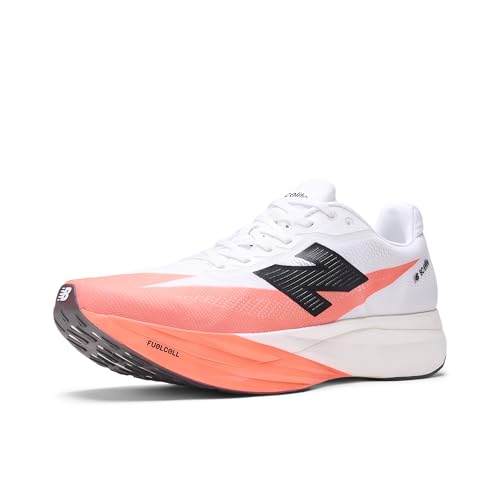
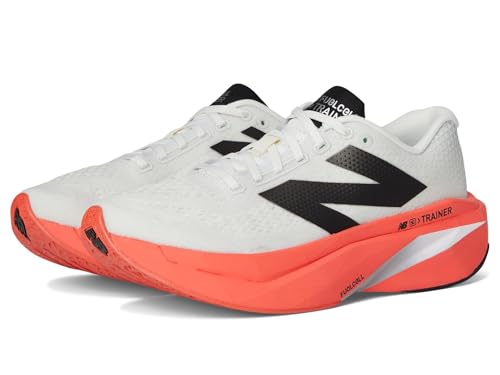
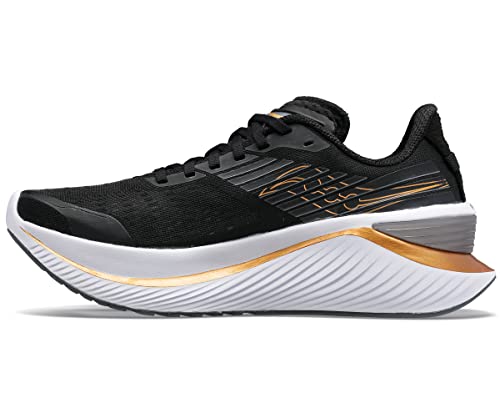
A 4mm drop sits between the heavily lifted heel of a traditional trainer and the flat feel of a zero drop shoe, which is why runners keep asking for it. The best 4mm drop running shoes suit people who want a more natural stride without jumping straight to a flat platform. This guide explains what drop means, which features to compare and how to move into lower drop shoes sensibly, and the product table below puts the options side by side.
Start with your main use, because a shoe that suits easy road miles may frustrate a runner who does fast tempo sessions. Think about your usual surface, weekly distance and the shoes you wear now.



What a 4mm Drop Means for Your Run
Drop is the height difference between the heel and the forefoot, measured in millimeters. A 4mm drop means the heel sits only slightly higher than the toes, so the foot lands closer to flat. Many runners find this encourages a midfoot landing and a lighter, quicker step, while still leaving some heel cushion for longer runs.
Lower drop shifts some of the load from the knee toward the calf and Achilles tendon. That change is why a gradual move matters more than the exact number on the box.
Who Should Buy a 4mm Drop Running Shoe
This drop suits runners moving down from 8 to 12 mm shoes, road runners who like a nimble feel, and anyone who wants one shoe for easy days and tempo runs. It is less suited to runners with calf or Achilles problems who have not built up gradually, and to anyone who prefers a high, soft heel for very long slow runs. If you are unsure, ask a doctor or physical therapist before changing your running shoes.
Best 4mm Drop Running Shoes: Key Features to Compare
Compare features side by side rather than trusting a single claim. Rank them for your own routine, because daily trainers and race day shoes reward different strengths.
Cushioning and Stack Height
Drop and cushioning are separate. A shoe can have a 4mm drop with a thick, soft midsole for long miles, or a thin, firm one for speed. Match stack height to your weekly distance: more cushion helps on long runs, less feels livelier on short fast ones.
Fit and Midfoot Hold
A secure midfoot keeps the foot from sliding when you land closer to flat. Look for a snug heel counter, a lacing system that spreads pressure, and a toe box that lets toes spread without rubbing. Try shoes late in the day, when feet are slightly larger.
Forefoot Flexibility and Outsole Grip
A flexible forefoot supports natural toe off, and a rubber outsole with a clear tread pattern helps on wet roads. Check where the rubber sits, because exposed foam wears faster on pavement.
Weight and Durability
Lighter shoes feel faster, but very light models often wear out sooner. For daily mileage, a moderate weight with durable rubber gives better value. Most road shoes last roughly 300 to 500 miles, depending on your weight and surface.
Readers comparing options may also find our guide to best running shoes useful for a wider view.
How to Move Into a 4mm Drop
Move gradually, because a lower drop loads the calves and Achilles tendons differently from a traditional high drop shoe. Start by wearing the new pair for one or two short easy runs a week and keep your old shoes for the rest. Add distance over several weeks, and stop and rest if calf soreness lingers. Rotating two pairs also spreads wear and lets the midsole recover between runs.
If you are curious about the flat end of the range, see our guide to best zero drop running shoes, and for the middle ground read our guide to best low drop running shoes. Runners who prefer a higher heel can compare the best 8mm drop running shoes.
Sizing and Fit Tips
Leave about a thumb width of space in front of the longest toe, and make sure the heel stays put when you jog. Wear the socks you run in, and lace the shoe so the midfoot feels held but not squeezed. If you run on trails, a more rugged outsole matters more than drop alone, and our guide to best zero drop trail running shoes covers that surface.
Choosing Between Road and Trail
Most 4mm drop shoes are built for roads, tracks and paths, with a smoother outsole and a lighter upper. If you mostly run on dirt, rocks or mud, look for deeper lugs and a more protective upper instead. Many runners keep one road pair and one trail pair, which also spreads wear between pairs.
Care and When to Replace
Air shoes out after each run, wash off mud with a soft brush and water, and never dry them on a heater. Track your mileage, and replace the pair when the cushioning feels flat, the outsole wears unevenly or you notice new aches that fade with a fresh pair.
Budget and Common Mistakes
Running shoes in this category often cost about $100 to $180, with premium foams at higher prices. A higher price should buy durability, better foam or a more refined fit, not just a brand name.
- Switching all your runs to a lower drop at once, instead of building up over several weeks.
- Buying on drop alone and ignoring fit, cushioning and the surface you run on.
- Choosing a size by habit instead of checking length and width for the new model.
- Keeping worn shoes too long because they still look fine from the outside.
Frequently Asked Questions
What does 4mm drop mean?
A 4mm drop means the heel sits 4 mm higher than the forefoot. Lower drop feels flatter than a traditional trainer and can encourage a midfoot landing. Move into it slowly to give your calves time to adapt.
Are 4mm drop shoes good for beginners?
Beginners can use 4mm drop shoes if they build mileage slowly and start with short, easy runs. Comfort and fit matter more than the drop number for a first pair. A running coach can check your form, and a doctor can advise if you have a history of calf or foot problems.
Do low drop shoes help with knee or foot pain?
Low drop shoes change how load is shared between the knee, calf and foot, but they are not a treatment. Some runners feel better, others feel new calf strain. Ask your doctor or physical therapist about persistent pain.
How do I transition to a 4mm drop?
Mix the new shoes with your old pair over several weeks. Begin with short easy runs, add mileage gradually, and rest if calf soreness persists. Rotating two pairs is a simple way to ease in.
Are 4mm drop shoes good for long runs?
Yes, many runners use them for long runs when the cushioning suits their stride. Cushion level matters as much as drop, so choose a softer, taller midsole for long distances. Try a longer run in them before race day.
Final Thoughts
Choosing the best 4mm drop running shoes comes down to fit, cushioning and a sensible build up. The product table above sums up the options, but your own routine should guide the final call. Compare a shortlist of two or three pairs against the factors in this guide, confirm your size and the return terms, and ease into the new drop over a few weeks.