
Best 8mm Drop Running Shoes 2026: A Practical Buying Guide
Disclosure: We may earn a commission when you buy through links on this page, at no extra cost to you. As an Amazon Associate I earn from qualifying purchases. Learn more

Understand 8mm drop running shoes, from heel to toe offset and gait to cushioning, fit, and how to transition safely to a new drop before you decide.
Choosing best 8mm drop running shoes starts with understanding drop, which is simply the height difference between the heel and the forefoot inside the shoe. An 8 millimetre drop sits in the middle of the common range, offering a familiar feel for most runners, with enough heel height to ease the Achilles while keeping the foot close enough to the ground for a natural stride.
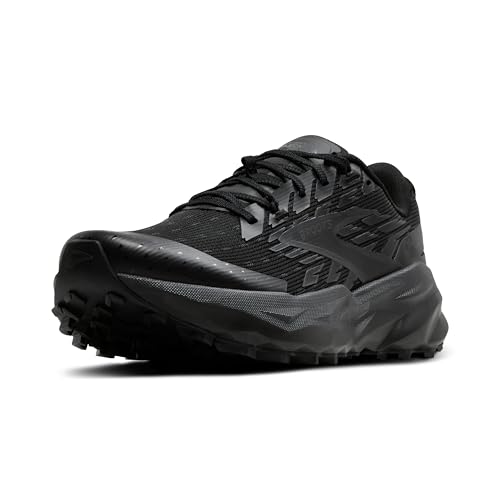
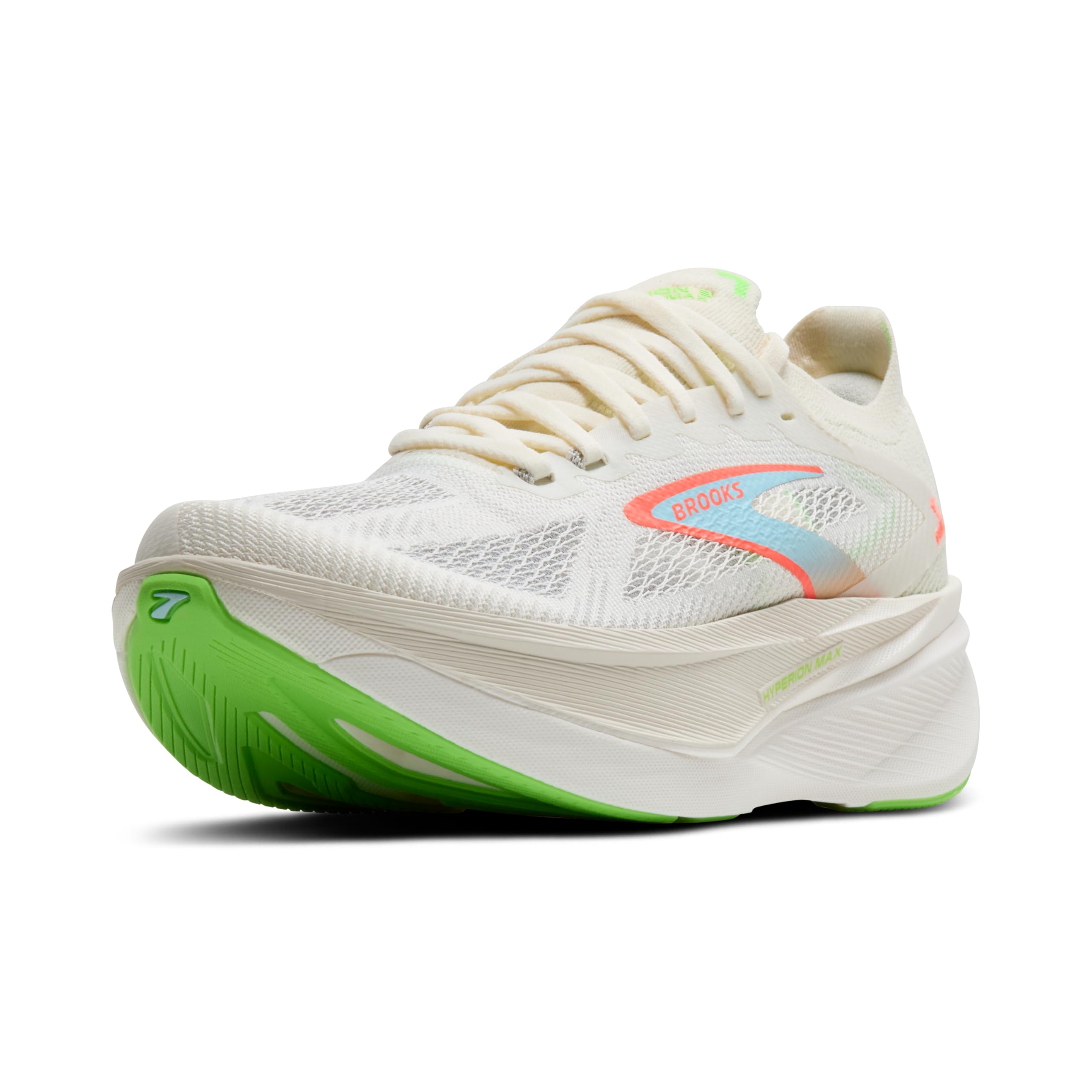
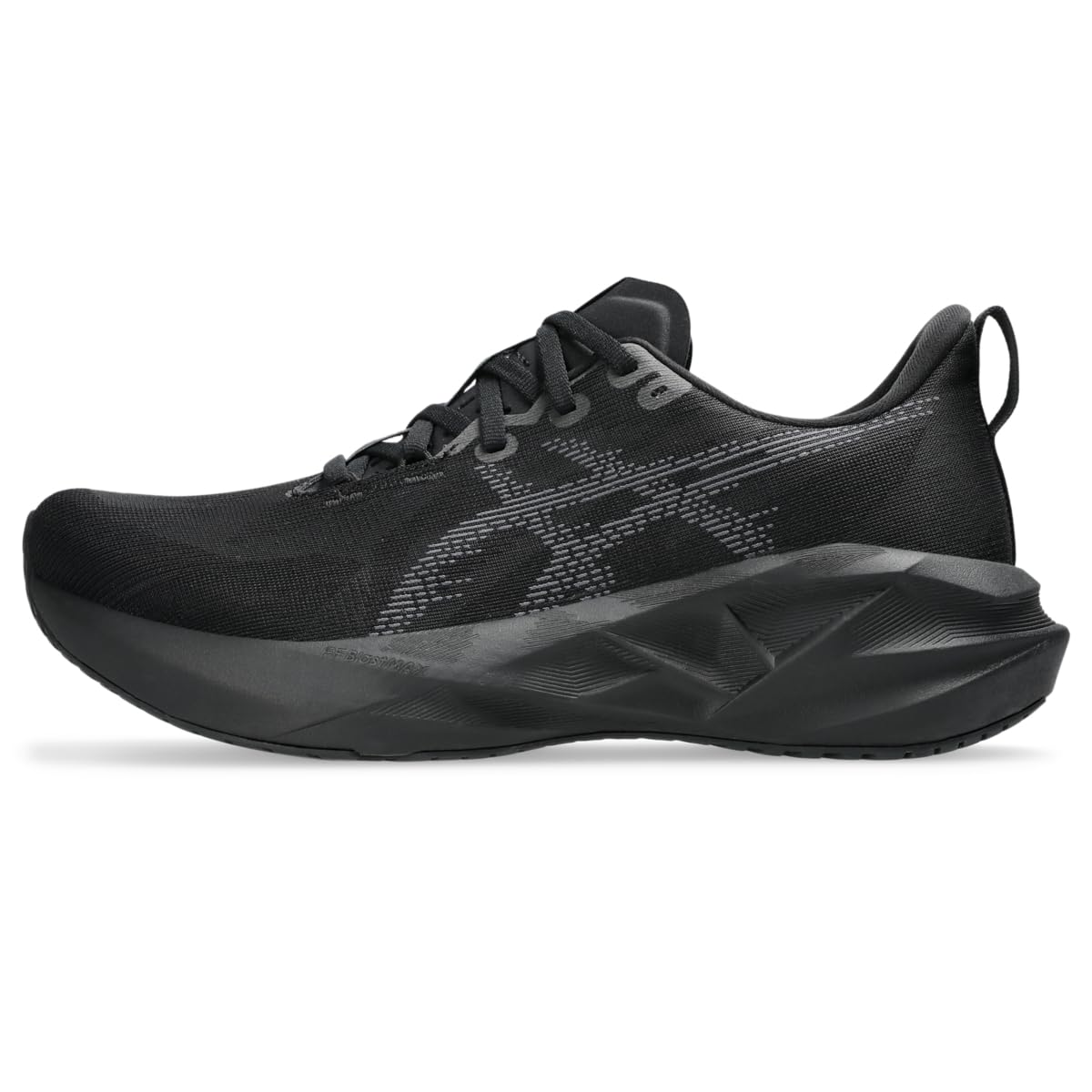
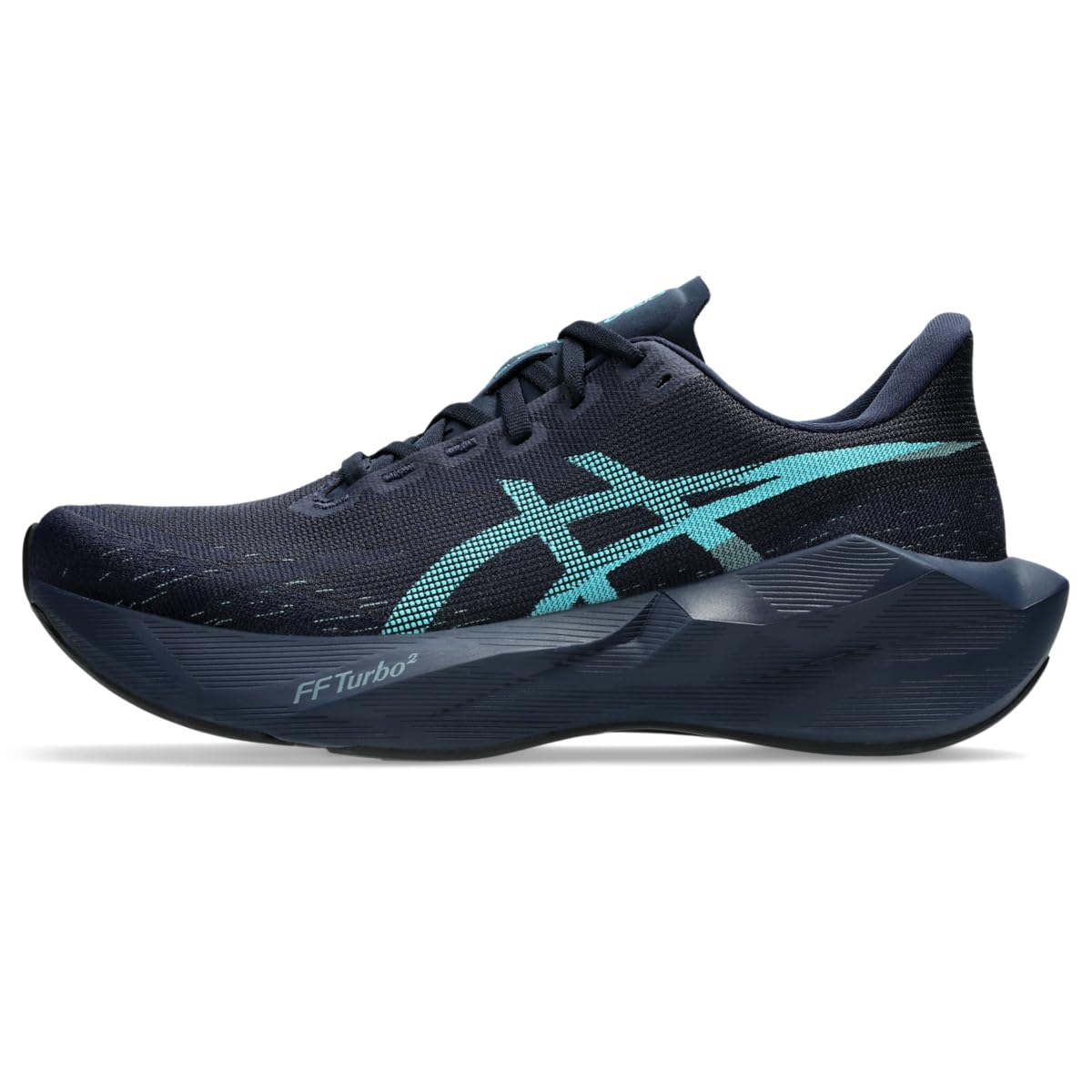
The comparison table below gathers the main options, and this guide explains how drop affects gait, who suits a middle drop, and how cushioning, fit, and transition planning work together. You will learn how to test a shoe on a real run, when a different drop might suit you better, and which warning signs mean you should stop and seek advice.

Who Should Run In An 8mm Drop
An 8mm drop suits a wide range of runners, from beginners to experienced club runners, because it feels familiar to anyone who has run in standard road shoes. Heel strikers often find it comfortable, since the heel height softens landing, while midfoot runners still feel connected to the ground. If you have no strong reason to change drop, a middle drop is a safe and sensible default.
It also suits runners returning from a break or building mileage, because it does not demand a big change in calf or Achilles loading. Runners with tight calves or a history of Achilles irritation often prefer a middle or higher drop, while runners chasing a barefoot feel may prefer a lower drop. Your history and comfort matter more than any fashion for a particular number.
How Drop Affects Your Stride
Drop changes how your foot meets the ground and how much your calf and Achilles stretch with each step. A higher drop shortens the stretch on the Achilles and can feel easier on the calf, while a lower drop increases that stretch and encourages a more midfoot landing. An 8mm drop balances these effects, which is why it feels neutral to so many runners.
The effect is subtle but real over thousands of steps, so a change of even a few millimetres deserves a gradual transition. Your body adapts to loading patterns over weeks, not days, and a sudden switch can irritate the calf, Achilles, or forefoot. Treat drop as one part of the shoe, alongside cushioning and fit, rather than a magic number that fixes form on its own.
Cushioning, Weight, And Terrain
Cushioning in an 8mm drop shoe ranges from firm and responsive to soft and plush, and the right choice depends on your distance and surface. Longer runs and heavier runners often prefer more cushioning for comfort over many kilometres, while faster sessions may suit a firmer, lighter shoe that returns energy. Road shoes in this drop suit tarmac and firm paths, while trail versions add grip and protection for uneven ground.
Weight matters most when you run far or fast, because every extra gram adds up over thousands of steps. A lighter shoe feels livelier but may offer less protection, while a heavier shoe often lasts longer and cushions better. Try shoes at the end of the day when feet are slightly swollen, and run in them, not just walk, before you decide.
Fit Checks That Prevent Problems
Fit decides comfort more than any specification, so check length, width, and heel hold carefully. You should have about a thumb width between your longest toe and the end of the shoe, the midfoot should feel secure without pressure, and the heel should not slip on every step. A shoe that fits well in the shop can still rub on a long run, so test it over a few short runs before committing to a race.
Watch for hot spots, numb toes, and blisters during those test runs, and try different lacing patterns before giving up on a shoe. A heel lock lace can reduce heel slip, while skipping an eyelet can relieve pressure over the top of the foot. Socks matter too: wear the socks you run in, since thickness changes the fit noticeably.
Transitioning Safely To A New Drop
If you are moving to an 8mm drop from a very different drop, ease in over several weeks. Start with short easy runs in the new shoes, alternate with your old pair, and increase the share of new shoe running gradually. Mild calf awareness is normal at first, but sharp pain, swelling, or pain that changes your gait means you should stop and rest.
Strength and mobility work supports any transition, because calf raises, ankle mobility, and gradual mileage build tolerance. Keep a simple log of distance, shoes worn, and any niggles, so you can spot patterns early. If pain persists, worsens, or involves swelling, numbness, or a sudden pop, seek advice from a clinician or podiatrist promptly rather than running through it.
Related Guides Worth Reading
Read our guide to best running shoes for more detail on that related choice. Read our guide to best zero drop running shoes for more detail on that related choice.
Read our guide to best low drop running shoes for more detail on that related choice. Read our guide to best 4mm drop running shoes for more detail on that related choice.
A Final Check Before You Order
Before you buy, run in the shoes rather than just walking around the shop, and pay attention to calf feel, heel hold, and toe room over a few short runs. A shoe that feels fine for ten minutes can rub badly at kilometre eight, so test gradually and keep the receipt until you have completed several runs. Try different lacing patterns too, since a heel lock lace often fixes heel slip without a different size.
If you are switching from a very different drop, plan a gradual transition over several weeks, alternating with your old pair and building distance slowly. Mild calf awareness is normal, but sharp pain, swelling, or a change in your gait means stop and rest. Talk with a clinician or podiatrist if pain persists, since early advice protects far more running than pushing through discomfort.
Frequently Asked Questions
What does 8mm drop mean in running shoes?
Drop means the height difference between the heel and the forefoot inside the shoe, so an 8mm drop shoe has a heel 8 millimetres higher than the forefoot. This middle value suits many runners because it eases Achilles loading compared with a flat shoe while still feeling fairly natural. It does not describe cushioning thickness, so two shoes with the same drop can feel very different underfoot.
Is 8mm drop good for beginners?
Yes, it is a sensible starting point for most beginners, because it feels familiar and does not demand a big change in calf or Achilles loading. Beginners benefit more from good fit, sensible cushioning, and gradual mileage than from chasing a particular drop number. If you have tight calves or previous Achilles irritation, a middle drop like 8mm is often more comfortable than a very low drop.
How is 8mm drop different from zero drop?
Zero drop shoes keep heel and forefoot level, which increases calf and Achilles stretch and encourages a midfoot landing, while an 8mm drop shortens that stretch and feels more like a traditional road shoe. Moving between them changes loading on the lower leg, so transition gradually over weeks if you switch. Neither is better for everyone; the right choice depends on your gait, history, and comfort.
Can 8mm drop shoes help with Achilles pain?
They may feel more comfortable than very low drop shoes, because the heel height reduces Achilles stretch with each step, but shoes alone do not treat Achilles problems. Rest, gradual loading, and professional advice matter far more, and pain that persists, swells, or changes your gait needs prompt assessment. Use a comfortable middle drop shoe as part of a broader plan, not as a substitute for care, and talk with your clinician about your running.
How long do running shoes last?
Most road running shoes last roughly 500 to 800 kilometres, depending on your weight, gait, surfaces, and the shoe construction, though this range is only a guide. Watch for flattened cushioning, worn outsoles, and new aches that appear without a mileage change, since these signs often matter more than a distance number. Rotate two pairs if you run often, and replace shoes before a big race rather than racing in a brand new pair.
Final Thoughts
An 8mm drop offers a balanced, familiar feel for a wide range of runners, and it pairs well with good fit and sensible cushioning. The product table above lets you compare the main options on drop, cushioning, and intended use.
Test shoes on real runs, transition gradually if you change drop, and pay attention to warning signs rather than pushing through pain. Talk with a clinician or podiatrist if pain persists, and enjoy a shoe that supports your running without demanding attention. That is how you choose the best 8mm drop running shoes for your needs.


