
Best 4K TV Projectors in 2026: Which Type Is Right for You?
Disclosure: We may earn a commission when you buy through links on this page, at no extra cost to you. As an Amazon Associate I earn from qualifying purchases. Learn more

Throw distance, brightness and price compared to help you choose the best 4k tv projectors for your room.
A projector can turn an ordinary wall into a screen far larger than most televisions, yet the range of designs makes the choice confusing at first. Ultra short throw models sit inches from the wall, while standard throw models need a shelf or ceiling mount across the room. This guide compares the best 4k tv projectors by type, so you can match the design to your room before you compare prices, and the comparison table below sums up the options.
Think of this purchase as a room decision as much as a picture decision. Your seating distance, daylight, and sound setup all shape which type will feel easy to live with every day.
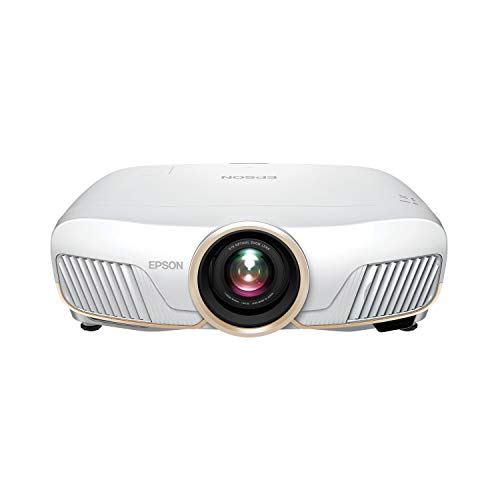


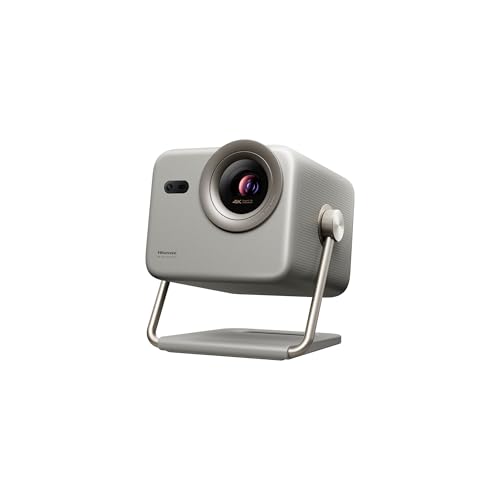
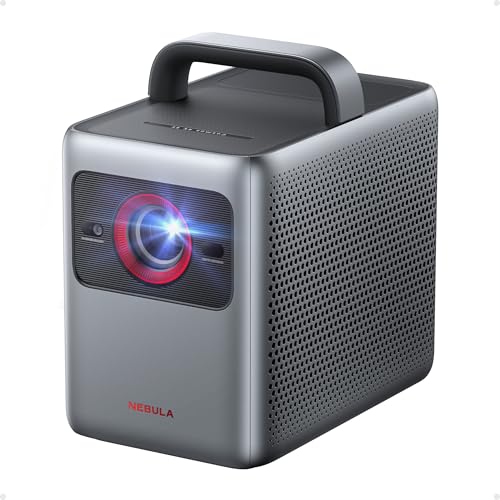

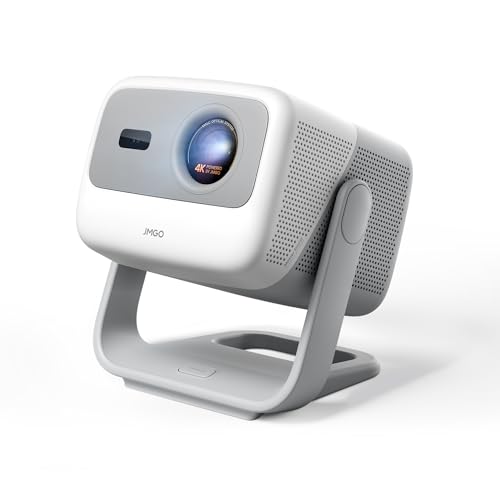
Types of 4K TV Projectors Compared
Four broad types cover almost every home setup. They differ mainly in where the projector sits, how bright the image is, and how permanent the installation feels.
Ultra Short Throw Laser TV Projectors
An ultra short throw projector sits on a low cabinet inches from the wall and throws a picture of about 100 to 120 inches at a steep angle. Laser light sources keep these models bright enough for daytime sports and news, suiting living rooms where a ceiling mount would look out of place. Expect to pay about $1,800 to $3,500, and budget for a firm, flat screen, since wall bumps show up quickly at this angle. See our guide to the best home tv projectors for placement ideas.
Standard Throw Home Theater Projectors
A standard throw projector sits 10 to 15 feet from the screen, on a rear shelf or ceiling mount, and rewards a room where you can dim the lights. Contrast and black levels tend to be strongest in this group, so films gain depth that brighter room models rarely match. Prices run about $900 to $2,500 for lamp, LED, and laser versions. Installation takes more effort, including cable runs and careful alignment, but the result feels closest to a small cinema. Our guide to the best 4k home projectors covers that setup.
Short Throw Projectors for Smaller Rooms
A short throw projector fills an 80 to 100 inch screen from roughly 3 to 6 feet away, suiting bedrooms and apartments where seating sits close to the wall. Because the unit rests in front of viewers, fan noise lands nearer your seat, so a quiet fan rating matters more here. Most models cost about $1,000 to $2,000, and many include built in speakers adequate for casual viewing.
Portable and Lifestyle 4K Projectors
Portable models trade peak brightness and contrast for freedom. A compact body, auto focus, and automatic keystone correction let you set up on a coffee table or project outdoors after dark. Built in streaming apps and speakers make them simple, although the picture suits screens of about 60 to 100 inches best. Prices run about $600 to $1,500. Choose this type if flexibility matters more than a fixed installation, and accept that bright afternoons wash out the image.
Ultra Short Throw vs Standard Throw: Which 4K TV Projector Should You Choose?
These two types solve opposite room problems. An ultra short throw model keeps wiring short, needs no ceiling work, and stays bright with some daylight present. A standard throw model keeps the front wall clean, places fan noise behind you, and usually delivers deeper contrast once lights go down. Choose ultra short throw for a shared living room used all day, and standard throw for a room that becomes a theater at night.
How to Choose the Right 4K TV Projector
Once the type fits your room, a short list of specs separates a satisfying purchase from a frustrating one. Choosing among the best 4k tv projectors comes down to imaging technology, brightness, placement math, motion handling, and connections.
Imaging Technology and True 4K Detail
Most models create the image with DLP, LCD, or LCoS chips, and each handles color and contrast differently. DLP designs are compact and sharp, LCD designs avoid the color breakup some viewers notice on DLP, and LCoS designs give smooth, film like pictures at higher prices. Also check whether resolution is native 4K or produced by pixel shifting, which still resolves fine detail on screen. Pixel shifting looks excellent at normal seating distances, while native 4K mainly rewards very large screens and close seating.
Brightness, Contrast, and HDR for TV Viewing
Brightness is quoted in lumens, and ANSI lumens is the rating to compare, since it follows a shared measurement method. A dark theater room can look rich at about 1,500 ANSI lumens, while a living room with daylight often needs about 2,500 or more. Contrast decides how black night scenes appear, and HDR support such as HDR10 adds range to compatible streams, but brightness and contrast decide how much of that range you see. If you are weighing a panel instead, see our guide to the best quality 4k tvs.
Throw Distance, Screen Size, and Placement
Throw ratio tells you how far the lens must sit from the screen for a given image width, and every model lists a range rather than one fixed number. Measure your room first, then confirm the projector can fill your target screen from the shelf, cabinet, or mount you actually have. Lens shift is valuable because it moves the image without tilting the unit, while digital keystone correction reduces sharpness when overused.
Input Lag, Refresh Rate, and Motion for Sports and Games
Refresh rate describes how often the image updates, and 60 Hz matches most broadcast TV and streaming, while 120 Hz support suits newer consoles and smoother sports motion. Input lag, measured in milliseconds, is the delay between a controller action and the picture, and casual players do fine at about 40 ms or less in a dedicated game mode. HDMI 2.1 ports carry the bandwidth that high refresh gaming needs. If low lag matters on a panel too, see our guide to the best gaming tvs 4k for the TV side of that choice.
Built In Streaming, Sound, and Connections
Many TV style projectors include smart platforms with the major streaming apps, which can remove the need for a separate streaming stick, although app lineups differ, so check that your main services are present. Built in speakers vary widely, and a soundbar connection over HDMI ARC or eARC is the simplest upgrade for dialogue clarity. Count HDMI ports for consoles, players, and cable boxes, and look for optical or Bluetooth audio if your speaker system needs it.
Common Mistakes to Avoid
- Buying for screen size alone, so the projector cannot fill that screen from the distance your room allows.
- Comparing brightness figures that are not ANSI lumens, so a living room image looks far dimmer than expected.
- Projecting onto a textured or colored wall, so fine detail and color accuracy suffer on every program.
- Relying on heavy keystone correction to fix poor placement, so the image loses sharpness and brightness.
- Ignoring fan noise ratings in a small room, so dialogue competes with a constant hum near your seat.
- Skipping a surge protector for a ceiling mounted unit, so a power spike can damage a projector that is hard to reach.
How to Make Your 4K TV Projector Last Longer
Light source life is the main long term cost. Lamp models often rate about 4,000 to 6,000 hours, while LED and laser models commonly rate about 20,000 hours or more, and an eco picture mode can extend that life. Keep vents clear and clean or replace air filters on the schedule the manual gives. Wipe the lens only with a soft microfiber cloth made for optics, and never spray cleaner directly on the glass. Avoid vivid picture mode for daily viewing, since its extreme settings strain the light source.
Frequently Asked Questions
Does refresh rate matter for a 4K TV projector if you do not play games?
Refresh rate matters modestly for non gamers, mainly with fast sports. A 60 Hz projector handles broadcast TV and streaming well. Motion smoothing can make film look unnaturally fluid, so many viewers turn it off for movies and leave it on low for live sports.
Is a DLP or LCD 4K TV projector better for a living room?
Neither technology wins for every living room, and your sensitivity to rainbow artifacts is the deciding factor. A small share of viewers sees brief color flashes on DLP models during high contrast scenes, and those viewers are happier with LCD. If you have never noticed the effect, DLP models often give you strong sharpness for the price, so view a short demo clip before deciding if you can.
Is 4K resolution worth it on a TV projector screen?
Yes, 4K resolution is worth it on a TV projector screen, because the large image makes the extra detail easy to see. On a 100 inch screen from about 10 feet away, the step up from 1080p is clear in faces, text, and fine patterns. The benefit shrinks if your seating is far back or your sources are mostly standard definition channels.
How long does the light source in a 4K TV projector last?
The light source in a 4K TV projector lasts from about 4,000 hours for a lamp to about 20,000 hours or more for LED and laser designs. A fading lamp usually announces itself through a dimmer, yellowing image long before it fails, which gives you time to order a replacement.
What screen size works best for a 4K TV projector in a living room?
A screen of about 100 to 120 inches works best for most living rooms with seating 9 to 13 feet from the wall. Tape the screen size on the wall for a day before buying a screen, since taped corners reveal glare spots and furniture conflicts that numbers alone miss. Bigger is not always better if side seats sit at a steep angle.
Final Thoughts
Start with placement, then brightness, then the features you will use daily. An ultra short throw laser model suits bright, shared living rooms, a standard throw model rewards a darker theater space, and portable designs win on flexibility. Match throw distance to your measurements and plan sound from the start. Chosen that way, the best 4k tv projectors deliver a screen size no comparably priced television can match, so revisit the product table above and pick the type that fits your room.


