
Best 4K OLED Laptops: Everything to Know Before Your First Purchase in 2026
Disclosure: We may earn a commission when you buy through links on this page, at no extra cost to you. As an Amazon Associate I earn from qualifying purchases. Learn more
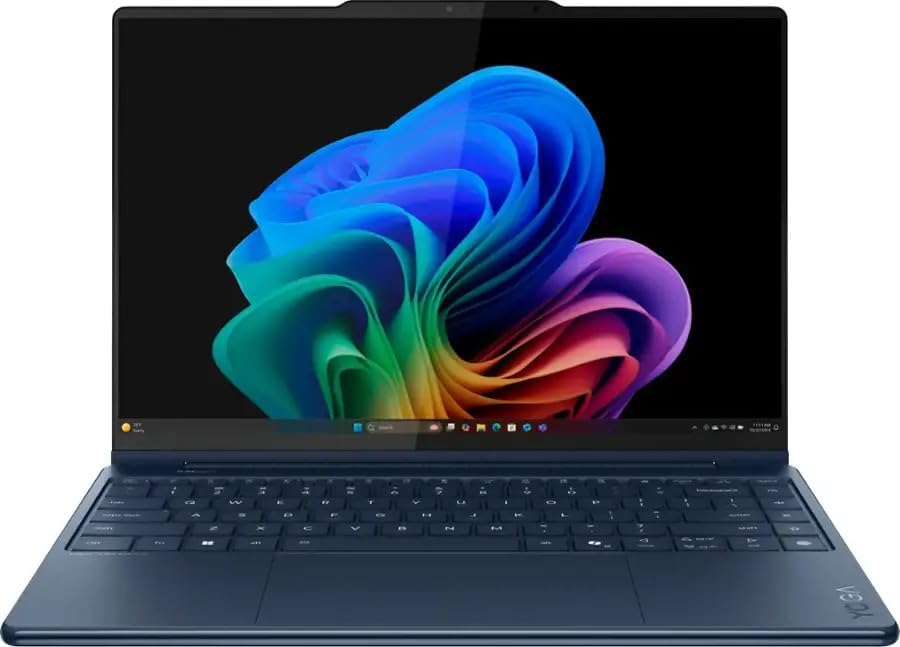
New to best 4k oled laptops? Learn how OLED works, which specs matter most, and how to avoid common first time buying mistakes with ease today.
An OLED screen can make a laptop feel like a different class of machine. Blacks turn truly black, colors look rich without effort, and movies and photos gain a depth that regular LCD panels struggle to match. That beauty comes with new questions, though, about battery life, brightness, cost, and screen care, especially if this is your first premium laptop.
This guide walks you through best 4k oled laptops from the ground up, in plain language and a friendly order. The product table below shows the current options, and the sections after it explain how to judge them. You will learn what OLED does well, where it asks for compromise, and which supporting specs keep the whole machine balanced.
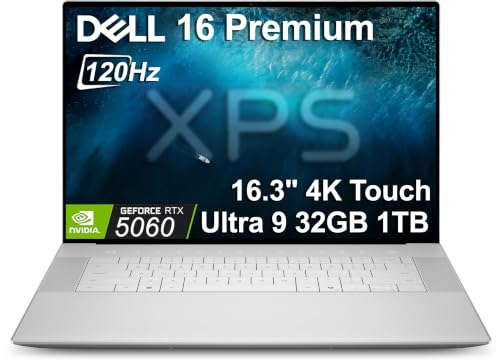


4K OLED Laptops 101: The Basics
Before comparing best 4k oled laptops, it helps to know the technology. OLED stands for organic light emitting diode, which is a technical way of saying each pixel makes its own light. When a pixel should be black, it simply turns off, so contrast is effectively perfect and dark scenes show detail that backlit LCD screens wash out. A 4K OLED panel packs that technology into 3840 by 2160 pixels, giving very sharp text and images on a 14 to 16 inch screen.
There are trade offs to understand. OLED panels usually draw more power when showing bright white screens, such as documents and web pages, so battery life can trail similar LCD models. Peak brightness is often lower than on top LCD designs, which matters near sunny windows. Static images shown for many hours can, over time, leave faint retention, so good models include pixel shifting and screen saver tools. None of this rules OLED out, but it means the right buyer is one who values image quality and uses the built in care features.
Key Specs Explained in Plain English
Processor and Performance Tier
The processor runs your apps, manages files, and shares work with the graphics chip. Current Intel Core Ultra, AMD Ryzen, and Apple silicon class chips all drive a 4K OLED screen smoothly, so focus on tier and cooling rather than brand loyalty. For office work, study, and photo editing, a mid tier chip with 16 GB of RAM feels quick for years. For video editing, coding with large projects, or 3D work, step up to a higher tier chip and 32 GB of RAM. Since most thin OLED models cannot be upgraded later, buy the headroom you expect to need within two years, not just today.
Graphics (Integrated vs Dedicated GPU)
Integrated graphics live inside the processor and handle everyday visuals, streaming, and light creative work with ease. A dedicated graphics chip adds its own memory and muscle for gaming, video effects, and 3D tools. On a 4K screen, games are demanding, so a dedicated chip matters if you plan to play at native resolution, though lowering game resolution still looks good on these panels. Creative buyers should confirm that their main apps use GPU acceleration. If your work is writing, browsing, and media, integrated graphics save money, weight, and battery, and the OLED screen will still deliver the visual upgrade you came for.
Ports and Connectivity
Thin OLED laptops sometimes cut ports to save space, so count before you buy. You want at least two USB C ports, ideally with Thunderbolt support for fast docks and external drives, plus one USB A port for older gear if you still use it. An HDMI port saves carrying a dongle for presentations and hotel TVs. WiFi 6E or WiFi 7 keeps wireless speeds strong on modern routers, and Bluetooth handles mice and headphones. A microSD or full SD reader is a real gift for photographers. If the port list is short, price a good dock into your total budget from the start.
Keyboard, Trackpad, and Build
A premium screen deserves premium inputs. Look for a keyboard with steady keys, clear backlighting, and no odd shortened keys in the main rows. A large glass trackpad with a smooth glide and a firm click makes daily navigation pleasant and reduces your need for a mouse on the go. For build, aluminum bodies feel rigid and protect the thin OLED panel better during travel, and a strong hinge keeps the screen steady on trains and desks. Check the weight with the charger included, and feel fan noise expectations in plain terms, because quiet cooling matters in libraries, meetings, and late night work.
Display Size, Resolution, and Brightness
Beyond the OLED label, the details decide your experience. Screen sizes run about 13 to 16 inches, with 14 inches the sweet spot for travel and 16 inches kinder for split screen work. Many OLED laptops offer 90 Hz or 120 Hz refresh rates, which make scrolling and motion look smoother than the old 60 Hz standard. Brightness around 400 nits works indoors, while higher figures help near windows. Wide DCI P3 color coverage is common and excellent for media and creative work. Also ask about a glossy versus low reflection finish, since glossy OLED looks vivid but mirrors room lights more.
Battery and storage round out the picture. Expect real world battery life to vary widely with screen brightness and white heavy workloads, so favor larger battery figures and efficient chips if you work unplugged. Choose at least 512 GB of SSD storage, since 4K media and modern apps fill drives quickly. If you compare wider categories, our guide to the best oled laptops covers OLED choices beyond the 4K tier.
Rookie Mistakes to Avoid
- Assuming OLED automatically means a better laptop overall, while ignoring a weak processor, low RAM, or a tiny battery.
- Ignoring burn in care features and then leaving a static taskbar and bright desktop on screen all day, every day.
- Paying for 4K resolution on a small screen you use only for text, where a lower resolution OLED would look nearly as sharp and last longer per charge.
- Forgetting that glossy screens reflect light, then struggling with glare at your usual desk or cafe seat.
- Skipping port checks and discovering on day one that your monitor, card reader, and drive all need adapters.
Shoppers weighing screen technology against size can also read our guide to the best laptops 4k, which compares resolution choices across panel types.
Getting Started: Setup and First Use
Set up with screen care in mind from the first hour. Update the operating system and firmware, then enable the maker OLED care tools, such as pixel shift, panel refresh, and automatic taskbar hiding if offered. Set a screen timeout of a few minutes and use a dark theme where you like it, since dark pixels draw less power on OLED. Avoid running at 100 percent charge all the time if a battery limit option exists, and keep brightness at the lowest comfortable level to extend both battery life and panel life. Install your main apps, restore your files from backup, and test every port with your real gear before a trip depends on it.
FAQs for First Time Buyers
How much RAM do I need in an OLED laptop?
Sixteen gigabytes covers study, office work, browsing with many tabs, and light creative apps with room to spare. Choose 32 GB if you edit video, run virtual machines, or keep heavy creative projects open. The OLED screen itself does not change RAM needs, but 4K creative work that often pairs with these laptops does. Because memory is usually fixed after purchase, lean higher when your budget is close.
Is a dedicated GPU worth it with a 4K OLED screen?
It is worth it if you game, edit video, or use 3D and AI tools, because 4K resolution gives the graphics chip far more pixels to move. For writing, streaming, and photo viewing, integrated graphics are enough, and the OLED panel itself supplies the wow factor. One middle path is a strong integrated chip with game settings lowered, which still looks sharp on a dense 4K display.
How long should a 4k oled laptop last?
Expect about four to six years of useful life from a well specced model. The battery typically fades before the screen does, especially with daily full charges, while built in pixel care tools greatly reduce retention risk for normal mixed use. You help longevity by varying on screen content, using screen timeouts, and keeping brightness sensible. If you mostly display one static app all day, an LCD model may suit you better.
Is a Chromebook enough for school?
A Chromebook can handle notes, web research, and documents, but it is not a substitute for this class of laptop. You give up the OLED screen, strong processors, full desktop creative apps, and generous storage that university and media courses often require. If your program is light and budget is tight, a Chromebook works as a starter. If you expect design, coding, or video work, invest in a full laptop now.
Should I buy a laptop or a tablet?
Choose the laptop if you need a keyboard, full software, and ports for drives and displays in one device. A tablet is lighter for reading, sketching, and watching in bed, and OLED tablets look superb, but file management and long writing sessions feel cramped. Some buyers pair a basic tablet later for media. For a first and only device that must do everything, the laptop is the safer and more capable pick.
Our Verdict
Buy OLED for the image, but judge the whole machine. Prioritize a capable processor, enough RAM and storage for two years of growth, and honest battery expectations for bright screen work. Then confirm ports, keyboard comfort, and OLED care features. For more context, see our guides to the best notebook laptops and the best 4k oled tvs, plus the best oled gaming laptops if play is a priority. Matched well, best 4k oled laptops reward you every time the screen lights up, so check your shortlist against the product table above and choose with confidence.


