
Best AMD Based Laptops 2026
Disclosure: We may earn a commission when you buy through links on this page, at no extra cost to you. As an Amazon Associate I earn from qualifying purchases. Learn more

A plain guide to the best amd based laptops: Ryzen tiers, memory, storage, display and battery life for school, work and home.
Buying your first laptop can feel like reading a menu in a language you half know. Screens list processors, graphics, memory, and storage in shorthand, and every model claims to be fast. This guide slows the process down. It explains the basic terms in plain words, shows you which specs matter for common tasks, and helps you match a machine to your day rather than to a sales pitch.
The best amd based laptops for a first purchase are not the most powerful ones on the page. They are the ones whose screen, keyboard, battery life, and performance fit the work you actually do. Start with the comparison table below for a quick view, then work through the basics and the spec guide before you spend anything.
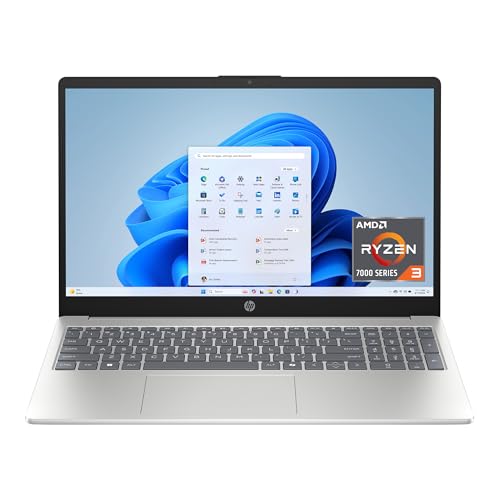
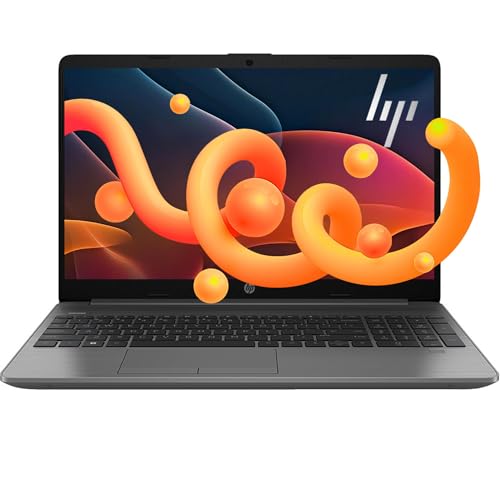


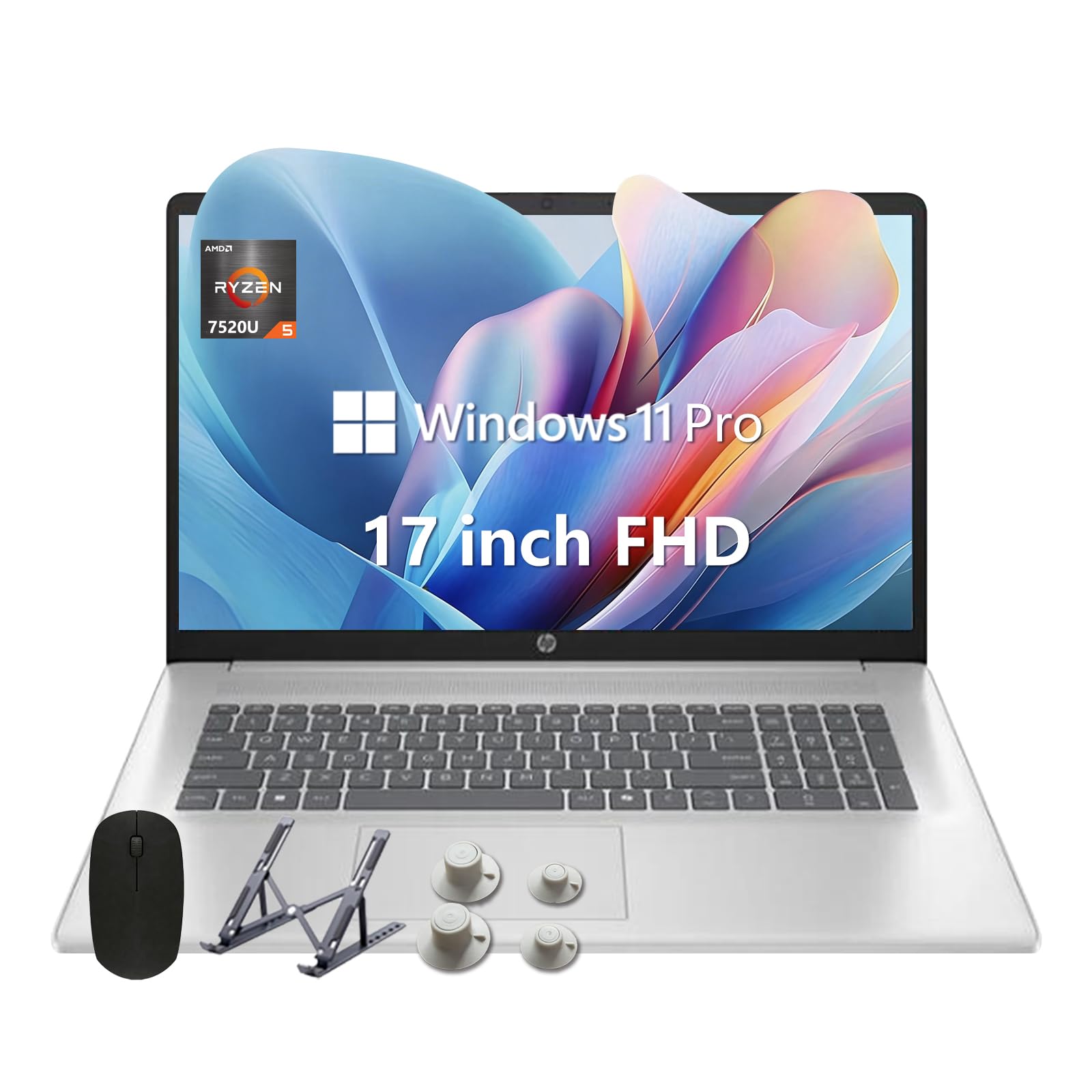

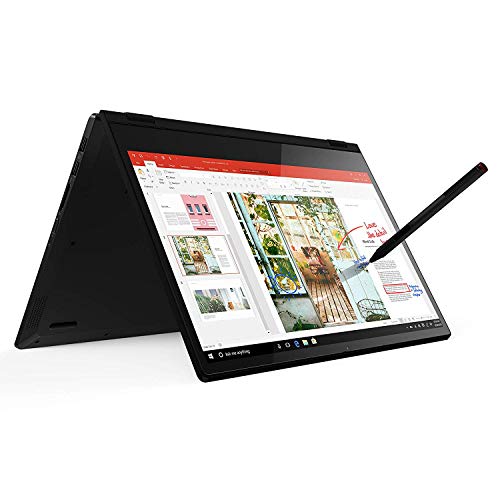
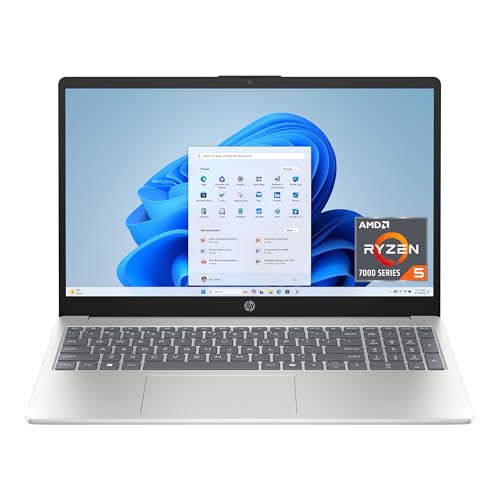
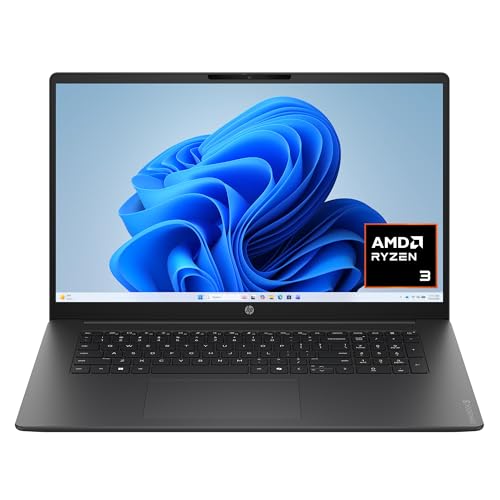
AMD Based Laptops 101: The Basics
An AMD based laptop is a portable computer built around an AMD processor, the chip that handles your programs, browser tabs, and files. Many AMD processors also include built in graphics, which draw the image on the screen. That single design keeps many models slim and efficient, because one chip does two jobs. Some larger models add a separate graphics chip for games and creative work.
A few terms cover most listings. The processor decides general speed, RAM holds what you are working on right now, and the SSD stores your files and loads them quickly. The display shows your work, the battery decides how long you can stay away from a charger, and weight decides how the laptop feels in a bag. If you keep those six ideas in mind, most product pages become far easier to read. Shoppers who want a compact notebook style machine can also see our guide to the best notebook laptops for how that smaller format compares.
Key Specs Explained in Plain English
You do not need to master every number. You need a sensible floor for each spec, below which a laptop starts to feel slow or limiting. The five areas below give you that floor for school, office work, browsing, and light creative tasks.
A useful way to shop is to write your three most common tasks at the top of a page, then judge every spec against them. A student who writes essays and attends video classes needs a good camera, a clear microphone, and a keyboard that suits long sessions. A casual player needs stronger graphics and a faster screen. The same budget buys a better laptop when it follows your list instead of a generic ranking, because money lands on the parts you feel daily.
Processor and Performance Tier
The processor is the engine of the laptop. AMD Ryzen chips come in tiers, and a higher tier generally means more cores for handling many tasks at once. For email, documents, video calls, and study, a mid tier Ryzen chip feels quick for years. For photo editing, coding with large projects, or gaming, step up a tier and favour models with strong cooling. Avoid the lowest tier if you keep a laptop for a long time, because it ages fastest. Our guide to the best amd cpu laptops explains chip tiers in more depth.
Ports and Connectivity
Ports decide what you can plug in without adapters. Look for at least two USB C ports, one standard USB port for older gear, and an HDMI port if you use a monitor or a classroom screen. One USB C port often handles charging as well, which keeps your bag lighter. For wireless, WiFi 6E or WiFi 7 support gives faster and steadier connections on modern networks. Check port placement too, since a charging port on the side you prefer saves daily annoyance.
Operating System
Most AMD based laptops run Windows, which supports the widest range of school and office software, games, and accessories. Some low cost AMD models ship with ChromeOS or Linux for browser based or specialist use. Choose by the software you must run, not by habit alone. If your school or job names required programs, confirm they run on Windows before you buy. Our guide to the best windows based laptops can help you compare Windows machines more broadly.
Keyboard, Trackpad, and Build
You touch the keyboard and trackpad every day, so they matter more than many headline specs. Look for keys with comfortable travel, a layout without cramped arrow keys, and a trackpad that tracks smoothly and clicks evenly. An aluminium body feels firm and resists flex, while plastic bodies can still be durable and lighter on price. If you can, type a paragraph on a display unit or read the return policy before you commit. A backlit keyboard helps in dim lecture halls and late study sessions.
Display Size, Resolution, and Brightness
Display size shapes both comfort and weight. A 13 or 14 inch screen suits travel and small desks, while 15 or 16 inch screens ease long reading and split screen work. Choose at least a full HD resolution so text stays sharp. Brightness matters outdoors and near windows, so favour screens rated around 300 nits or more. A higher refresh rate makes scrolling and games feel smoother, and an OLED screen gives deeper contrast for film and photo work at a higher price.
Rookie Mistakes to Avoid
- Buying on processor name alone. A strong chip with too little RAM or a dim screen still feels like a weak laptop in daily use.
- Choosing the smallest storage. System files, photos, and a few games fill a small SSD fast, and many laptops cannot be upgraded later.
- Ignoring weight and battery life. A fast laptop you dislike carrying will sit at home, which defeats the point of a portable computer.
- Skipping the warranty terms. Read the return window and cover length before you buy, not after a fault appears.
- Forgetting your software. Check that the programs for your course or job run well on the system you choose.
Getting Started: Setup and First Use
Before the box arrives, plan where the laptop will live. A desk spot near a socket, with space for air to move around the vents, keeps the machine cooler and quieter. Decide which accounts you need on day one, such as school email and cloud storage, and gather the sign in details in advance. That small preparation turns setup into a calm half hour instead of a hunt for passwords and codes while updates wait.
Your first hour sets up years of smooth use. Charge the laptop fully, connect it to your home network, and let the operating system and firmware updates finish before you install much else. Create a backup account sign in method and turn on device finding, so a lost laptop is easier to trace and lock. Remove trial programs you will never use, since they take storage and attention.
Build two small habits from day one. Keep the system and firmware updated on a regular schedule, because updates fix security flaws and improve battery behaviour. Avoid running at 100 percent charge all the time if the laptop lives on a desk, since a battery limit setting in the system tools can slow battery wear. A padded sleeve and a careful bag routine protect the rest.
Frequently Asked Questions
Is a Chromebook enough for school?
A Chromebook is enough for school when your work lives in the browser, such as documents, email, and standard learning platforms. It falls short when a course needs installed software for science, design, or coding. Check your course list first. If any class names Windows programs, choose a Windows laptop instead and save yourself a mid term scramble for a borrowed machine.
How long should an amd based laptop last?
A well chosen AMD based laptop should last four to six years for school and office work. Battery wear usually shows first, often after three years of daily charging. Choosing enough RAM and storage at purchase extends useful life more than a small processor step does. Gentle heat habits, such as keeping vents clear on soft bedding, also help internal parts age slowly.
Is a dedicated GPU worth it?
A dedicated GPU is worth it if you play demanding games, edit video often, or work with 3D models. For documents, browsing, and streaming, the graphics built into the AMD processor handle everything smoothly and give longer battery life. The extra chip also adds weight and cost. Match the choice to a task you do weekly, not a task you might try once.
Should I buy a laptop or a tablet?
Buy a laptop if you write long documents, use many browser tabs, or need school and office software. A tablet suits reading, drawing, and media, but long typing sessions and file management feel cramped without add ons that raise the total price. Students who attend lectures and write essays usually get more from a laptop. Our guide to the best laptops with amd shows the range of laptop styles open to you.
How much RAM do I need?
Most first time buyers should choose 16GB of RAM. That amount handles study, office apps, video calls, and many browser tabs at once without slowdowns. 8GB can work for very light use on a tight budget, but it ages quickly. If you edit video or run virtual machines, 32GB gives real headroom. Check whether the memory can be upgraded later, because many slim models fix it in place.
Our Verdict
For a first purchase, set your floors first, including 16GB of RAM, a bright full HD screen, and storage you will not outgrow in a year. Then choose the processor tier and size that fit your bag and your tasks. Compare your shortlist in the product table above, and use our guide to the best laptops with amd processors if you want to dig deeper into chip choices. Picked this way, the best amd based laptops feel less like a gamble and more like a tool you understand.


