
Best 4K HDR Projectors in 2026: What Your Money Really Gets You at Every Price
Disclosure: We may earn a commission when you buy through links on this page, at no extra cost to you. As an Amazon Associate I earn from qualifying purchases. Learn more

Compare 4K HDR projectors by budget, brightness, throw and light source, with clear guidance on screens, HDR formats and total ownership costs.
Prices for a true big screen at home run from about $700 to well over $5,000, and the gap is not only about sharpness. The best 4k hdr projectors match your room light, screen size and seating distance, so money spent on the right strengths matters most. Use the product table below to line up price against the features explained here.
Start with how you watch. A dark room rewards contrast and deep blacks, while a bright living room rewards raw light output. The tiers below show what each price gains and gives up.

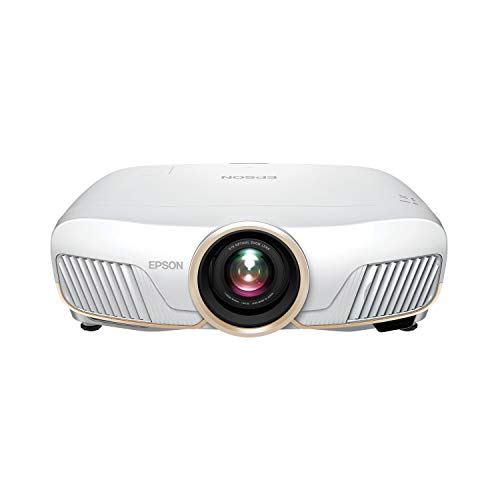


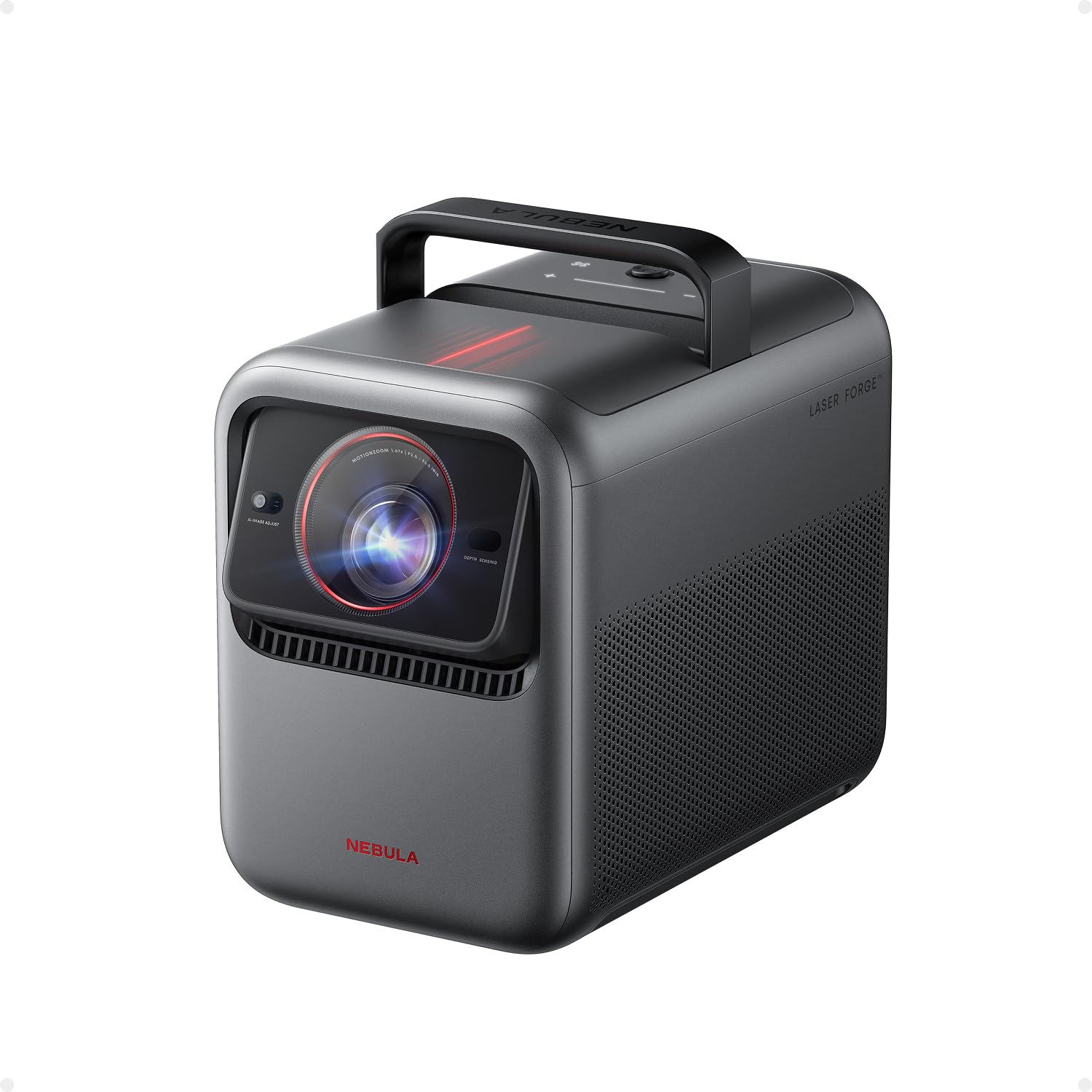
Who Should Buy Which 4K HDR Projector?
Your room decides more than your budget does. Match one of these three setups to your space first, then let the price tiers narrow the field.
Movie Fans Building a First Dedicated Theater
You can darken the room and sit at a steady distance from a fixed screen. Put contrast and black level ahead of maximum brightness, because rich shadows look better on film than a brighter image with gray blacks. A ceiling mount and a screen of about 100 to 120 inches suit most spare rooms. For layouts and screen pairing, see our guide to the best 4k home projectors.
Living Room Households Watching Sports and Shows With Lights On
You share the room with windows and lamps, so brightness is your first filter. Look for higher ANSI lumen ratings and plan on a screen that rejects ambient light. Built in streaming apps and stronger built in speakers also help here. Spend on light output before exotic color features, and accept less rich night scenes.
Renters and Small Room Viewers Who Need Flexible Placement
You cannot drill into every wall, and your throw distance may be only about 6 to 9 feet. A compact model with generous zoom, lens shift or a short throw lens can fill a screen of about 80 to 100 inches from a shelf or coffee table. If that flexibility matters most, see our guide to the best portable 4k projectors.
HDR Projector Price Tiers and What Each Adds
Every tier of the best 4k hdr projectors market buys a different mix of brightness, contrast and placement freedom. If price is your hard limit, see our guide to the best affordable 4k projectors after noting which trade offs you can accept.
Budget Tier About $700 to $1,200: Solid Movies in a Darkened Room
Models here usually rely on pixel shifting for 4K detail, use a lamp or basic LED light source, and offer modest zoom with little lens shift. Expect usable HDR10 playback, but tone mapping is basic and bright highlights can clip. Brightness suits a dark room and a screen up to about 100 inches. This tier works if you control light and place the projector at exactly the right distance.
Midrange Tier About $1,300 to $2,800: Brighter Color and Easier Placement
This step up buys wider color coverage, better tone mapping and placement tools such as longer zoom ranges and vertical lens shift. Laser and advanced LED light sources appear here, so brightness holds steadier over the years. Contrast improves in dark scenes, and input lag drops enough for casual gaming. For most living rooms, this tier covers every real need.
Premium Tier About $3,000 and Up: Deep Blacks and Lasting Light
Premium models add native 4K imaging chips or refined shifting, strong contrast and the deepest blacks in the category. Selected models add Dolby Vision support, motorized lens memory and quieter cooling. Laser light rated for tens of thousands of hours removes lamp swaps from your budget. To compare that light source in depth, see our guide to the best 4k laser projectors.
Key Features to Compare
Compare these five factors. Together they predict picture quality in your room better than resolution alone.
Real 4K Detail and Projection Chip Type
Native 4K chips display every pixel at once, while pixel shifting chips flash offset images so fast that your eye reads full 4K detail. Good shifting looks nearly as sharp on film, and it costs far less. Single chip DLP models are sharp and compact but can show rainbow flashes to sensitive viewers, while 3LCD models avoid that effect and often look brighter in color. LCoS models lead on contrast at premium prices.
Brightness in ANSI Lumens and Your Room Light
Brightness is measured in ANSI lumens, the only figure you can compare across brands with confidence. A dark theater can look great at about 1,500 ANSI lumens, while a living room with daylight often needs about 2,500 to 3,500 for a screen near 100 inches. Bigger screens spread the same light thinner, so each size step up demands more output. Treat lumen figures without the ANSI label with caution.
HDR Formats, Tone Mapping and Color Coverage
Almost every model accepts HDR10, fewer handle HLG for broadcast, and only selected premium models decode Dolby Vision. Tone mapping matters more than the badge list, because poor mapping leaves faces dull or skies blown white when bright HDR highlights are squeezed into a range the projector can show. Color coverage near the full Rec. 709 range is standard, while wider coverage toward DCI P3 makes HDR color richer. For format comparisons, see our guide to the best hdr projectors.
Throw Distance, Lens Shift and Screen Size
Throw ratio tells you how far the projector sits from the screen for a given image width, and standard models often need about 9 to 12 feet for a 100 inch picture. Measure your room before you buy, then confirm the model can fill your screen from your mount point. Zoom adds placement slack, and lens shift moves the image without distorting it. Digital keystone discards pixels and softens detail, so treat it as a last resort.
Input Lag, Refresh Rate and Connections for Gaming
Input lag decides how quickly your actions reach the screen, and keen players should look for figures under about 20 milliseconds in game mode. Most models refresh at 60 Hz for 4K signals, while some accept 120 Hz or higher at 1080p. Check that one HDMI port supports HDMI 2.1 features if your console needs them, and count ports for a streamer, console and sound system. Game mode often disables motion smoothing.
Common Mistakes to Avoid
These errors cost money or picture quality, and all are easy to dodge before you order.
- Buying by the largest lumen claim alone leaves a washed out picture if the figure is not an ANSI rating.
- Relying on digital keystone to fix poor placement throws away resolution and leaves the image softer.
- Mounting before measuring throw distance can leave the picture too small or too large for your screen.
- Projecting onto a plain white wall in a bright room wastes brightness, because the wall reflects room light back at you.
- Ignoring screen, mount and sound costs leaves the setup unfinished and the built in speakers straining.
Care and Maintenance for 4K HDR Projectors
Clean the air filter on the schedule in your manual, because clogged filters raise internal heat and shorten light source life. Wipe the lens only with a soft lens cloth and no pressure, since coatings scratch easily. Keep vents clear, and use eco mode for routine shows if full brightness is not needed, because lower output extends lamp and laser life.
Plan long term costs before you buy. A replacement lamp costs about $100 to $300 and may be needed every few years of use, while laser and LED sources usually outlast the projector. Add a screen at about $150 to $600, a mount under $100, and budget for external sound.
FAQ
How long does a 4K HDR projector lamp or laser light source last?
A lamp usually lasts about 4,000 to 10,000 hours, while laser and LED sources are often rated at about 20,000 hours or more. Brightness fades gradually, so a picture that needs higher settings each year is aging. Check the hour counter in the settings menu before buying any used unit.
Is a 4K HDR projector worth it over a 1080p projector for movies?
Yes, a 4K HDR projector is worth it when your screen is about 100 inches or larger and you sit close enough to see the extra detail. Sit about 1 to 1.5 times the screen width away, where sharpness and HDR color become obvious. On an 80 inch screen viewed from far across the room, a good 1080p model can satisfy for less money.
Does refresh rate matter on a 4K HDR projector for sports and gaming?
Refresh rate matters modestly for sports and more for fast gaming on a 4K HDR projector. A 60 Hz image handles most film and broadcast sport well, while motion interpolation can smooth pans, though it may add a soap opera look many movie fans dislike. Competitive players gain more from low input lag, so check the game mode lag figure first.
Should you choose a DLP or 3LCD 4K HDR projector?
Choose a 3LCD 4K HDR projector if you notice rainbow flashes on single chip DLP models during bright scenes on dark backgrounds. A simple test is to wave a hand before a projected white image and watch for color fringing in your peripheral vision. If nobody sees it, DLP models often reward you with sharper text and smaller housings at the same price.
What screen size suits a 4K HDR projector in a small living room?
A screen of about 80 to 100 inches suits most small living rooms with a 4K HDR projector. Leave a few inches of wall margin so the image never spills onto trim or outlets, and keep the screen bottom low enough that your neck stays level from the sofa. A pale, smooth wall can serve for a season before you commit to a screen.
Final Thoughts
Decide your room and screen size first, then pick the tier that covers your light conditions. Trusted brightness, honest tone mapping and placement tools shape your picture. Compare your shortlist against the product table above before you spend.
Chosen with those priorities, the best 4k hdr projectors stop being a spec contest and become the screen your household gathers around. Measure once, match the tier to your room, and enjoy a size no TV in the same budget can match.


