
Best 4K 120Hz TVs: What Your Money Gets Guide 2026
Disclosure: We may earn a commission when you buy through links on this page, at no extra cost to you. As an Amazon Associate I earn from qualifying purchases. Learn more

A 4K 120Hz TV can transform sports and gaming when ports and processing keep up. See where the best 4k 120hz tvs justify extra spending and where to save.
Prices for best 4k 120hz tvs span a wide range, and the gap is not always about picture quality alone. A true 120Hz panel, fast ports, and capable processing together decide whether motion looks smooth in sports and games. A screen that claims a high refresh figure but limits its inputs will not deliver the same experience.
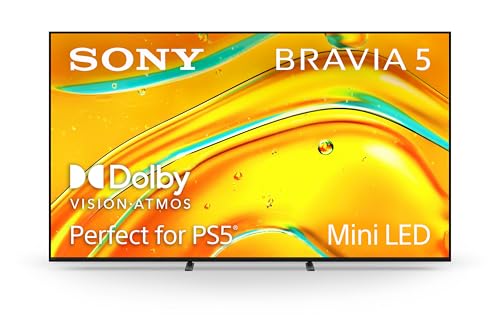
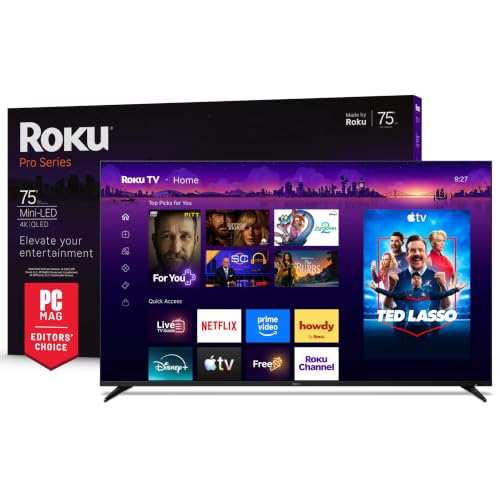
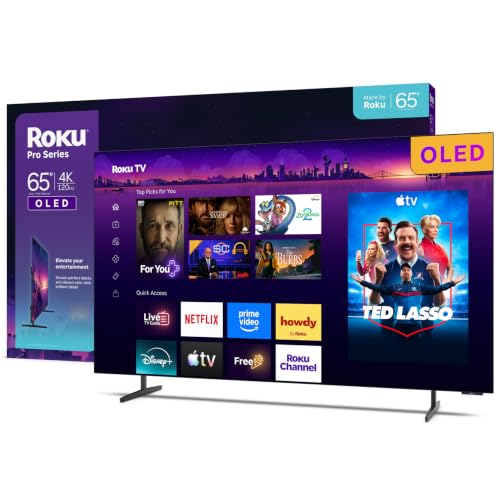
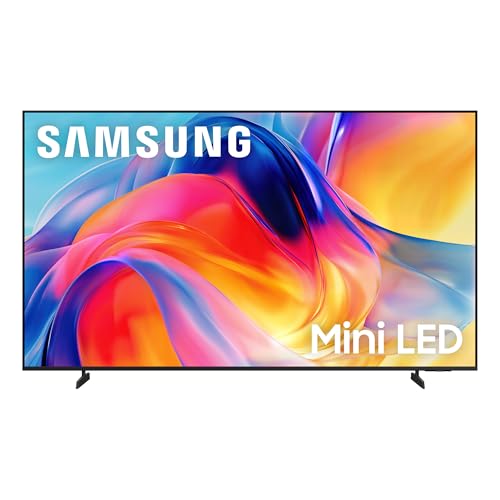
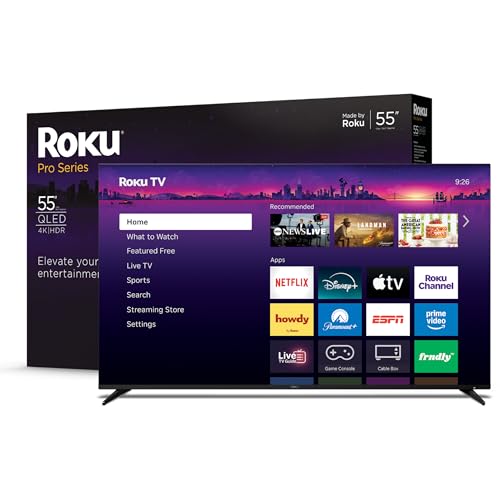
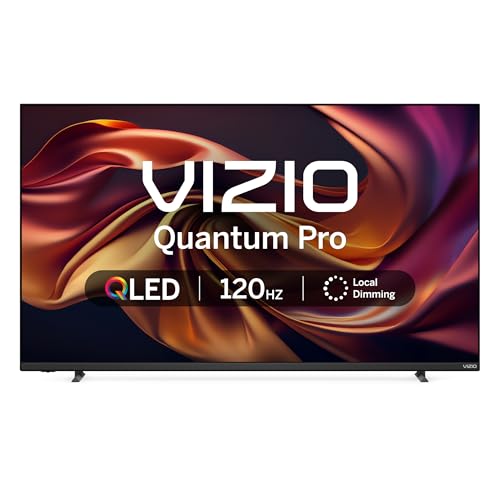
The comparison table below shows how the main options differ in panel, ports, and processing. Later sections explain where extra money genuinely helps, where a mid priced screen is enough, and how to check that your devices can actually use the higher refresh rate. Spend on the chain, not just the headline number.


Who Should Buy a 120Hz Screen
Sports fans and gamers gain most from a genuine 120Hz panel, because fast movement stays clearer and input response feels sharper. Viewers who watch mainly drama and news may notice less benefit, since much broadcast content runs at lower frame rates. Your content mix should decide whether the premium is worth it. Readers comparing related options may also find the guide to best 120hz tvs useful, because it covers a closely related size or type.
Gamers with a current console or a capable computer should check port support carefully. A screen that offers 120Hz only on one input, or only at lower resolution, will frustrate a multi device setup. Casual viewers can often save money by choosing a strong 60Hz screen with better contrast instead.
Key Features That Matter Most
A native 120Hz panel is the starting point, but port bandwidth decides what reaches it. Look for ports that support high frame rate 4K signals from your console or computer, and confirm which inputs carry that support. Processing also matters, because poor motion handling can blur the benefit of a fast panel. For a neighboring choice in the same family, the guide to best quality 4k tvs adds useful context on fit and features.
Low input lag in game mode is essential for responsive play, and variable refresh support helps when frame rates vary. Brightness and contrast still shape everyday viewing, so do not trade a good panel for a refresh number alone. A balanced screen beats a fast but washed out panel.
Price Tiers Explained
Entry level 120Hz screens often deliver the refresh rate with simpler backlight control and narrower viewing angles. They suit a single viewer or a smaller room where those limits matter less. Mid priced screens usually add better dimming, brighter output, and wider angles, which improve films as well as games. If that trait matters to you, the guide to best gaming tvs 4k explores a related option in more detail.
Premium screens add stronger processing, better contrast, and more capable ports, which show up in dark scenes and fast action alike. The jump from mid to premium is worth it mainly for dedicated film and gaming rooms. For mixed family viewing, the mid tier often gives the best balance of cost and performance.
Panel Types Compared
LED panels with local dimming can reach high brightness for bright rooms and sports, while OLED style panels offer deep blacks and fast pixel response for dark room films and games. Each has trade offs in brightness, burn in care, and price, so room light and viewing habits should guide the choice. A related guide, best 4k oled tvs, covers a similar product from a different angle that may suit your room or vehicle better.
Viewing angle also differs. Some LED panels lose color from the side, which matters for wide seating, while OLED panels tend to hold color across a wider arc. If your room has a wide sofa layout, test angle performance from the side seats before you choose a panel type.
Setup for Sports and Gaming
Use the correct port for each device and enable game mode for consoles, because the wrong input can cap frame rate or add lag. Turn off heavy motion smoothing for films, but experiment with motion settings for sports, where a little smoothing can help ball tracking. Save separate picture modes for day and night if the screen allows it.
Keep firmware updated, since manufacturers often improve game mode and port behavior after launch. Use a wired network connection for streaming stability, and check audio delay if you use a soundbar, because processing can introduce lip sync drift that needs a small adjustment.
Mistakes to Avoid
The biggest mistake is assuming a marketing refresh figure means a native panel. Some screens interpolate motion without a true 120Hz panel, which looks different in games. Check the panel specification and port details, not just the headline on the box.
Another mistake is ignoring the source chain. A console, cable, and port must all support the higher frame rate, or the screen will fall back to a lower rate. Buy certified cables for high bandwidth signals and test the actual frame rate in game settings after setup.
A Final Check Before You Order
Confirm the native panel rate, the ports that support 120Hz at 4K, and the input lag in game mode. Compare brightness and contrast at your price tier, and confirm the stand or mount fits your room. Those four checks separate a genuine high refresh screen from a dressed up mid range model.
Test fast sports and a responsive game in the first days, in both daylight and evening light. If motion stays clear and controls feel direct, the screen suits your use. The product table above helps narrow the field, but real content in your room is the final judge.
Living With Your Choice
In the first month, revisit your picture settings after you have watched varied content in daylight and at night, because initial settings rarely suit every program type. Note which mode you prefer for films, sports, and news, and save those modes if the screen allows it, so family members can switch without guessing. Small refinements in this period usually improve satisfaction more than any later accessory purchase.
Over the longer term, keep software updated and check input labels when you add a new device, because a new console or player may need a different port for its best quality. Clean the screen gently with a soft dry cloth, avoid harsh sprays, and keep ventilation slots clear of dust. Those simple habits protect picture quality and help the screen last through many years of daily viewing.
Finally, think about how your room may change, whether that is new seating, brighter curtains, or a soundbar added later, and choose settings that adapt rather than locking everything to one layout. A screen that still suits the room after a furniture move or a new device is a better purchase than one tuned perfectly for a single week. Revisit sound and picture together whenever the room changes.
Frequently Asked Questions
Do I need 120Hz for normal TV viewing?
Not necessarily, because much broadcast and streaming content runs below 120 frames per second. A 120Hz panel still helps motion handling, but drama and news viewers may gain more from better contrast. Sports and gaming viewers benefit most from the higher rate. When you test this point at home, use your usual content and seating, because a shop demo rarely shows how the answer plays out in daily life.
What ports do I need for 4K 120Hz gaming?
You need ports with enough bandwidth for 4K at 120Hz, plus a console or computer and cable that support the same rate. Check which inputs on the screen carry that support, since not every port may qualify. Use the game mode for the lowest lag. Compare two or three options on this point alone before you decide, since small differences here often matter more than a longer feature list.
Is OLED better than LED for 120Hz?
OLED offers fast pixel response and deep blacks, which suit dark rooms and fast games. LED screens can be brighter for sunlit rooms and often cost less at larger sizes. Choose by room light, seating, and budget rather than by panel name alone. Keep a note of what you find during the first week, because early testing makes a return or exchange far simpler if the choice does not suit you.
Does 120Hz help sports viewing?
Yes, when the source and processing support it, fast ball and player movement stays clearer on a genuine 120Hz panel. Motion settings also affect the result, so test sports content with your usual settings. A bright panel helps in daylight sports viewing too. If you are unsure, favor the option that is easier to live with daily, because convenience shapes satisfaction long after the novelty fades.
Can a mid priced 120Hz TV be good enough?
Yes, a mid priced screen often balances refresh rate, brightness, and contrast well for mixed use. Premium models add processing and dimming that matter most in dedicated film and gaming rooms. Compare real content, not just specifications, before paying more. Finally, check this point against your budget and your real room or vehicle, so the answer fits your actual setup rather than an ideal one.
Final Thoughts on 4K 120Hz TVs
A good 120Hz screen is a system, not a single number, and the product table above shows how panel, ports, and processing compare. Spend where your content benefits most, whether that is sports motion, game response, or film contrast. A balanced mid tier screen often beats a fast but uneven premium panel for family use.
Check ports, test real games and sports early, and keep sound in the budget. With those steps, best 4k 120hz tvs can deliver smooth motion and strong everyday viewing for years. Keep this guide handy whenever you review the best 4k 120hz tvs again.

