Best 120Hz TVs 2026: A Practical Buying Guide
Disclosure: We may earn a commission when you buy through links on this page, at no extra cost to you. As an Amazon Associate I earn from qualifying purchases. Learn more

Gamers and sports fans: learn what makes the best 120hz tvs, from native refresh and HDMI 2.1 to panels and HDR.
Shoppers comparing best 120hz tvs face a lot of marketing noise, and this guide cuts through it with clear, practical advice. You will learn what actually matters, which features deserve your budget, and which common mistakes to avoid. The product table gives a quick overview, while the sections that follow explain each choice in plain language.
Use this guide as a checklist rather than a race to the cheapest or most expensive option. Think about how you will use a 120hz TV most days, note the features that affect that routine, and compare models against those needs first. That approach leads to a purchase you still enjoy months later.

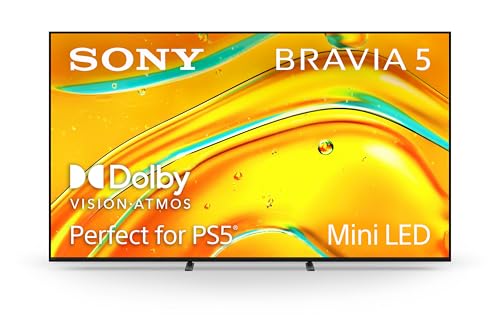

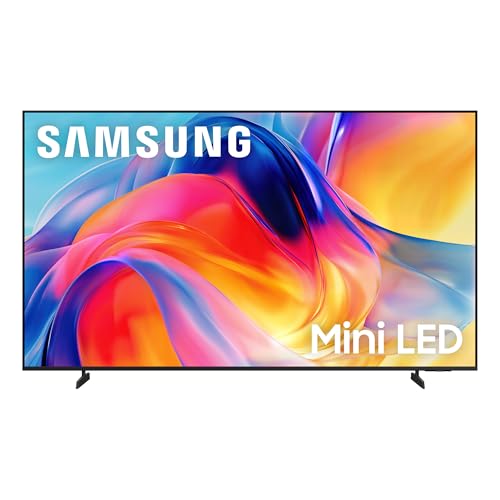
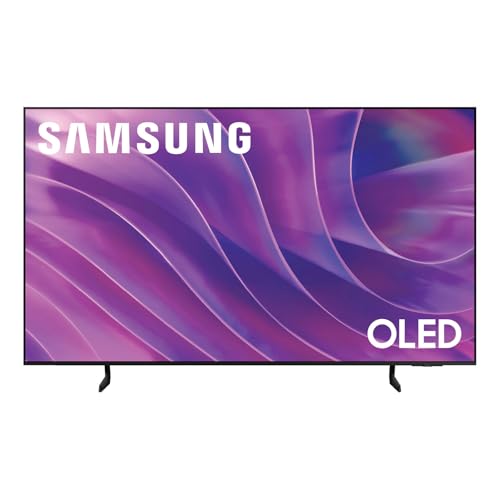
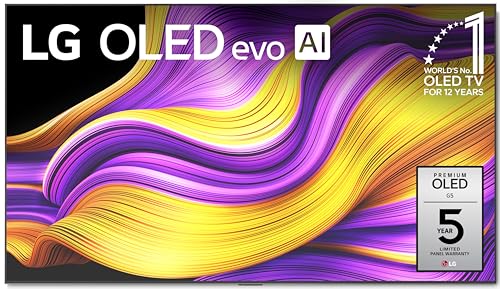

Who Should Buy
Different buyers need different strengths from a 120hz TV, so start by matching the guide to your own routine. The profiles below cover the most common buyers.
For Gamers
Gamers gain most from 120hz when consoles or PCs output high frame rates, so check HDMI 2.1, variable refresh, and input lag alongside the panel rate.
For Sports Fans
Fast sports benefit from smooth motion handling, but panel processing and backlight control matter as much as the headline refresh number.
For Movie Watchers
Movies run at 24 frames per second, so motion interpolation settings and film modes matter more than raw refresh rate for cinema viewing.
Key Features to Compare
The features below decide daily satisfaction with a 120hz TV more than marketing claims do. Work through them in order, and mark the two or three that matter most for your routine.
Native Refresh Versus Processing
Native 120hz panels refresh 120 times per second, while some TVs simulate higher rates with processing, so confirm the native panel rate in the specifications. Seeing a set in person helps when possible, since specifications alone rarely tell the full story. For a related option, see our guide to best tvs of all time.
Panel Technology
OLED, Mini LED, QLED, and standard LED panels differ in contrast, brightness, and viewing angles, so match panel strengths to your room lighting. Compare this feature across two or three models before deciding, and note which trade offs you accept. For a related option, see our guide to best 4k 120hz tvs.
HDMI 2.1 and Gaming Features
HDMI 2.1 enables 4K at 120hz from consoles and PCs, while variable refresh rate and auto low latency mode reduce tearing and lag. Read the fine print on warranties and return terms, since a good policy softens a close decision. For a related option, see our guide to best tvs for outside.
HDR and Brightness
HDR quality depends on peak brightness and local dimming, so a bright panel with good dimming often matters more than refresh rate alone. Try this feature in a realistic trial at home, and keep the packaging until you are sure. For a related option, see our guide to best samsung tvs.
Motion Settings and Soap Opera Effect
Motion smoothing can make films look unnaturally smooth, so try the film modes and turn smoothing down for movies when it distracts.
Size and Viewing Distance
A 120hz benefit is easier to notice on larger screens at closer distances, so size the TV to your room before chasing refresh specs.
Types Compared
The table below compares the main types of 120hz TV side by side, and the notes that follow explain who each type suits best.
| Type | Best For | Typical Price |
|---|---|---|
| Budget 120hz TV | Real 120hz panels with basic HDR for gamers and sports fans. | about $400 to $700 |
| Mid Range 120hz TV | Better brightness, dimming, and gaming features for mixed use. | about $700 to $1,200 |
| Premium 120hz TV | OLED or Mini LED panels with top HDR and motion handling. | about $1,200 to $2,000 or more |
| Gaming Focused 120hz TV | Low lag, variable refresh, and full HDMI 2.1 for console and PC play. | about $600 to $1,500 |
Budget 120hz TV
Real 120hz panels with basic HDR for gamers and sports fans. Typical prices run about $400 to $700, though sales and bundles shift that range.
Mid Range 120hz TV
Better brightness, dimming, and gaming features for mixed use. Typical prices run about $700 to $1,200, though sales and bundles shift that range.
Premium 120hz TV
OLED or Mini LED panels with top HDR and motion handling. Typical prices run about $1,200 to $2,000 or more, though sales and bundles shift that range.
Gaming Focused 120hz TV
Low lag, variable refresh, and full HDMI 2.1 for console and PC play. Typical prices run about $600 to $1,500, though sales and bundles shift that range. Check the product table before narrowing your short list.
Mistakes to Avoid
Most disappointing purchases of a 120hz TV come from a handful of avoidable errors. Watch for these before you buy.
- Assuming every 120hz label means native 120hz: Some labels describe processing rather than panel rate, so verify native refresh in detailed specifications.
- Ignoring input lag for gaming: A high refresh panel with high lag still feels sluggish, so check game mode lag figures when gaming matters.
- Buying too large or small for the room: An oversized TV overwhelms a small room and an undersized TV hides 120hz benefits, so measure viewing distance first.
- Leaving motion smoothing on for films: Default smoothing can ruin film texture, so adjust picture modes per content type.
- Forgetting sound: Thin TV speakers limit any panel upgrade, so budget for a soundbar or speakers when audio matters.
Getting the Most From Your Choice
Update firmware when available, keep vents clear, and clean the screen with a soft dry cloth. Check picture modes after updates, since settings sometimes reset.
Revisit your original checklist after a few weeks of use, and note anything you would change next time. That habit turns one good purchase into smarter choices for every future TV.
Frequently Asked Questions
Do I need a 120hz TV?
Gamers with 120hz capable consoles or PCs and sports fans on larger screens benefit most. Movie watchers and casual viewers may notice less difference, since films run at lower frame rates. Match the panel to your main content rather than buying refresh rate alone.
What is the difference between 120hz and 60hz?
A 120hz panel refreshes twice as often as a 60hz panel, which can smooth fast motion and reduce blur when content supplies high frame rates. For standard 24 or 30 frame content, processing and panel quality matter more than the refresh number itself.
Do I need HDMI 2.1 for 120hz?
HDMI 2.1 is needed for 4K at 120hz from consoles and PCs. Older HDMI ports may limit 120hz to lower resolutions. Check port versions and cable quality when gaming at full 4K 120hz, since not every port on a TV supports it.
Does 120hz help with sports?
Yes, when motion handling and backlight control are good, since fast camera pans and player movement stay clearer. Panel processing also matters, so compare motion handling in person when possible rather than trusting a single refresh figure.
Should I turn off motion smoothing?
For films, many viewers prefer smoothing off or on a low film mode to preserve cinematic texture. For sports and games, moderate smoothing can help. Adjust per input or picture mode, since one setting rarely suits every content type.
Best 120Hz TVs: Final Thoughts
When you are ready to decide on the best 120hz tvs, return to the features that affect your daily routine and ignore the rest. Confirm native refresh, panel type, and gaming ports for your main use, then size the TV to your room. Those checks matter more than any single headline number. Check the product table one last time, confirm fit, warranty, and return terms, and choose the option you will enjoy using every day.