
Best 4G LTE Smartphones: Types Compared and How to Choose for 2026
Disclosure: We may earn a commission when you buy through links on this page, at no extra cost to you. As an Amazon Associate I earn from qualifying purchases. Learn more

Confused by all the options? We compare every type of 4g lte smartphone side by side so you can choose the best 4g lte smartphones for your needs and budget.
Phone shopping gets confusing fast because every model claims a great camera, a bright screen, and all day battery life. The trick is to sort phones by type first, then compare models inside the type that fits your life. That is how you find the best 4g lte smartphones for your habits instead of paying for features you will never open.
This guide compares the four main types, explains the specs that actually matter, and shows where each type saves or wastes money. Use the comparison table below for the quick facts, then read the sections that match your situation. If you want a shorter shortlist view, our guide to the best lte smartphones covers similar ground with a different focus.

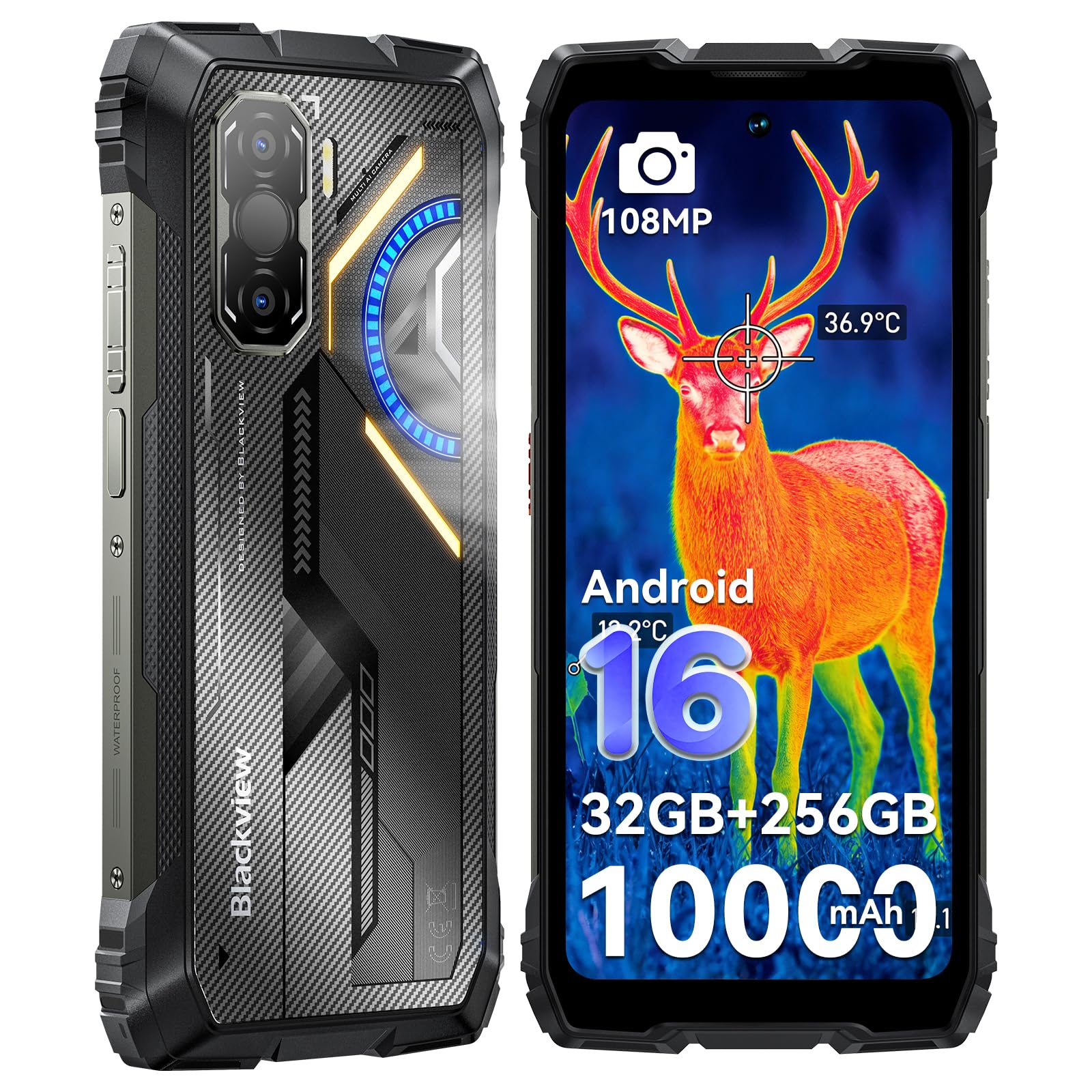
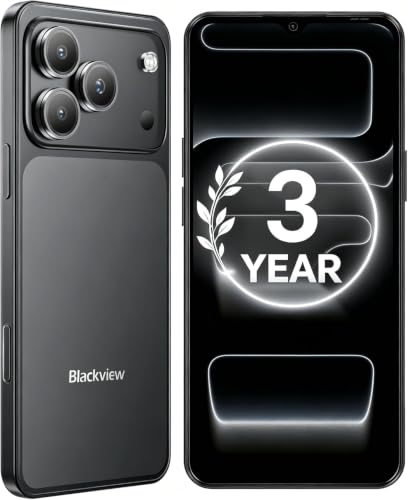

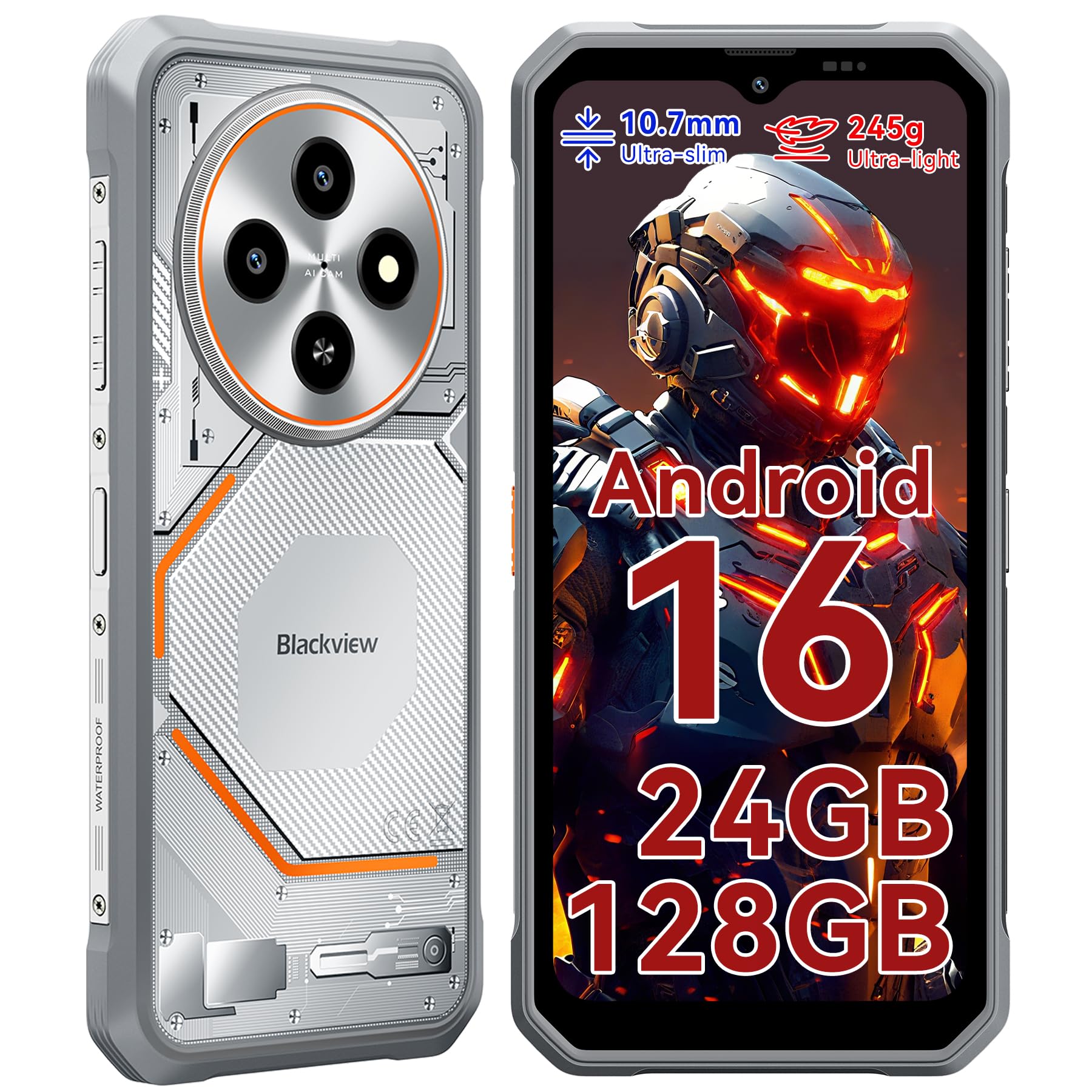
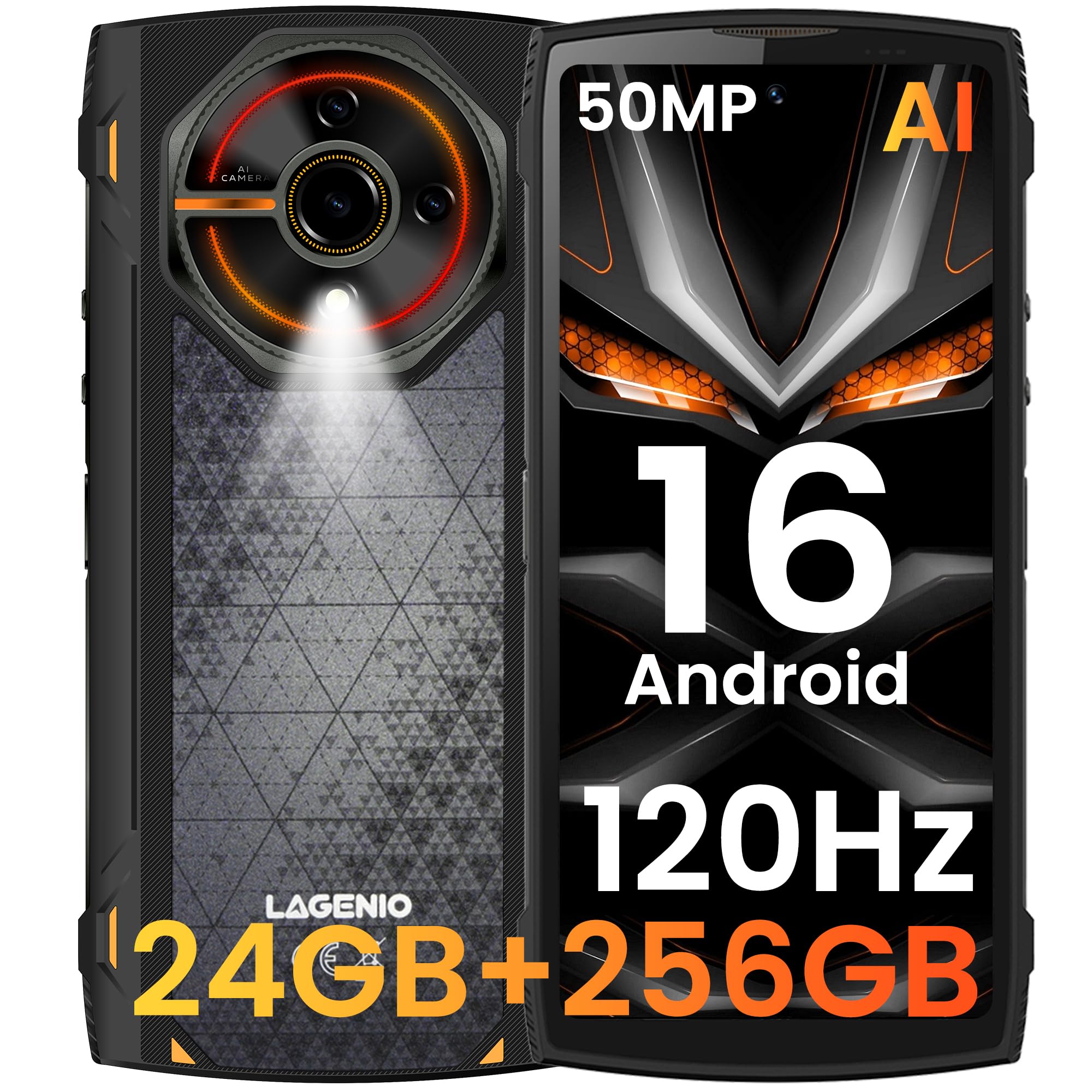
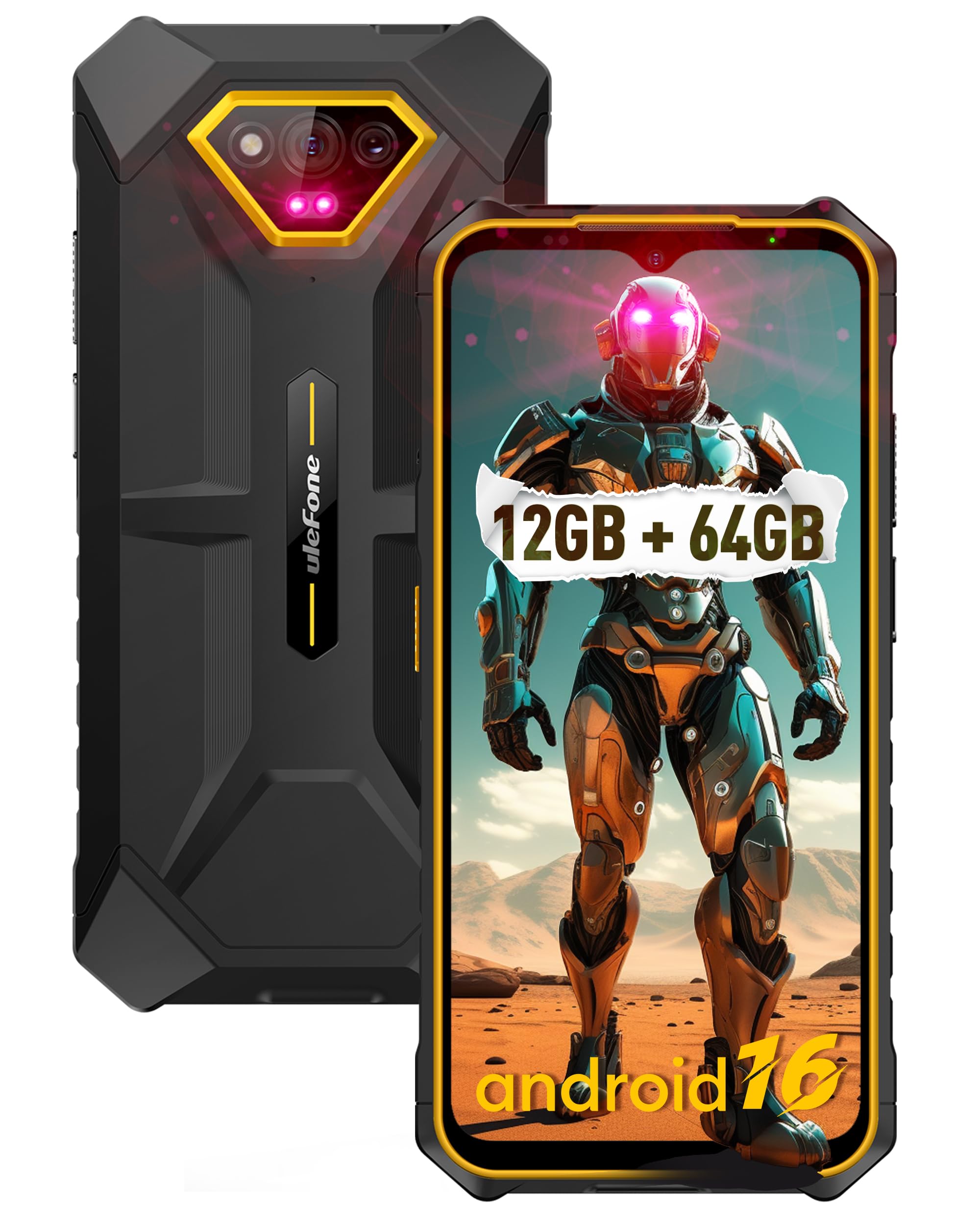

Types of 4g Lte Smartphones Compared
Every 4G LTE phone connects to the same networks, so the real differences are cameras, speed, size, and price. Budget models generally cost under $200, mid range models sit around $200 to $500, and camera focused models often start around $500 and climb from there. Compact phones overlap all three groups, since small size is a design choice rather than a price tier.
Camera Focused Phones
Camera focused phones put their money into larger sensors, better lenses, and smarter photo processing. They usually add a telephoto or a strong ultrawide camera, plus advanced night modes that combine several shots into one clean image. If you photograph kids, pets, travel, or products for work, this is the type that rewards you every single day.
The trade offs are price and size, because these phones tend to be large and cost the most in any lineup. Battery life is usually good but rarely the best, since bright screens and heavy processing use power. Choose this type when photos and video are your top priority and you keep a phone for three years or more.
Mid Range Phones
Mid range phones balance a capable processor, a good OLED screen, and a solid main camera at a moderate price. Most people cannot tell their screens or everyday speed apart from premium models, because the parts have improved so much. You give up some zoom range, some water resistance depth, and sometimes wireless charging.
This is the type most buyers should start with, and our guide to the best 4g smartphones shows how these models compare across brands. If your days are messaging, maps, streaming, and social apps, a mid range phone covers everything with money left over. Look for at least four years of security updates to get full value from the purchase.
Budget Phones
Budget phones focus on the essentials: a big enough screen, a battery around 5,000 mAh, and storage that fits basic apps and photos. They handle calls, messaging, browsing, and video streaming without trouble. Where they feel slow is heavy games, rapid photo taking, and switching between many apps at once.
Cameras on budget models do fine in daylight but struggle in dim rooms, and screens are usually LCD rather than OLED. Update support is shorter too, often two or three years of security patches. Choose this type for a first phone, a backup phone, or a child or parent who needs simple and dependable.
Compact Phones
Compact phones shrink the screen to roughly six inches or less so the device fits one hand and a front pocket. They suit people who type with one hand, run or cycle with the phone in a pocket, or simply dislike heavy slabs of glass. Internals are often mid range or better, so everyday speed is rarely a problem.
The compromises are battery size and screen space for video, split screen tasks, and games. Small phones are also getting rarer, which limits your choice of brands and colors. If comfort in hand matters more than a giant display, this type is worth hunting down while it still exists.
Camera Focused Phones vs Mid Range Phones: Which Should You Choose?
Start with the camera gap, because it is the biggest real difference. Camera focused models win on zoom, low light detail, and video stabilization, while mid range models match them for casual daylight shots. If your photos are mostly shared in chat apps, the mid range camera is honestly enough.
Next compare screens and speed, where the gap is small: both types offer OLED panels and smooth everyday performance. Then weigh update length and build, since premium models often promise more years of software support and carry an IP68 rating. Finally, do the simple math on time: if you keep a phone four years, the extra cost of the camera model spreads out, but if you upgrade often, mid range value wins.
How to Choose the Right 4g Lte Smartphone
Processor and Everyday Performance
The processor decides how snappy a phone feels when you open apps, scroll feeds, and switch between tasks. Pair it with at least 6 GB of RAM for smooth multitasking, and 8 GB if you play games or edit video. A mid tier chip from the last two years handles everyday work easily, so you rarely need the fastest chip sold.
What you notice most is storage speed and software tuning, not headline chip names. Try to avoid the smallest storage and slowest chip combination in any lineup, because that pairing ages fastest. A practical test in store is opening the camera, taking three photos quickly, and jumping back to maps without reloads.
Software Updates and Support Window
Updates keep your banking apps working and your phone protected, so the support window is a real buying feature. Aim for at least four years of security updates and two or three major system upgrades. Longer support also raises resale value and makes handing the phone to a family member safer later.
Check the promise before you buy, because it varies a lot by brand and even by model within a brand. A cheaper phone with five years of updates can be a smarter buy than a faster phone abandoned after two. Write the end date of support on your calendar so you know when replacement planning should start.
Display Size and Quality
OLED screens give deeper blacks, better contrast, and lower power use for dark themes than LCD panels. A refresh rate of 120 Hz makes scrolling and animations feel smoother, and most mid range phones now include it. Outdoor brightness matters just as much, so look for high peak brightness figures if you read maps in sunlight.
Size is personal: bigger screens help video and reading but add weight and reach problems for small hands. If you watch a lot of video on the phone itself, go larger without guilt. If the phone is mainly for calls, music, and quick checks, a smaller screen will make you happier every day.
Storage Options
For most people, 128 GB is the practical minimum once apps, photos, and offline video pile up. Choose 256 GB if you shoot lots of video, download games, or plan to keep the phone four years. A microSD slot, where offered, is a cheap way to store photos and music, though apps still live on internal storage.
Check your current phone before deciding: if you already use more than 100 GB, step up one size. Cloud storage can help, but it needs a data plan with room and a connection when you travel. Buying storage upfront is usually cheaper than paying monthly fees for years.
Choosing 4g Lte Smartphones for Your Situation
Best Blu 4g Lte Smartphones: Which Type Works Best
If you are looking at best blu 4g lte smartphones, the key checks are carrier band support, update length, and screen quality at a low price. This brand focuses on budget and lower mid range models, so judge them against budget rivals rather than premium phones. Confirm the model supports your carrier LTE bands and offers at least a 5,000 mAh battery, then the value case becomes strong.
Best Unknown 4g Lte Smartphones
Shoppers hunting best unknown 4g lte smartphones from smaller brands should verify three things before saving money. First, check that the brand sells through a retailer with easy returns, since support networks are thin. Second, confirm update promises and spare parts like cases and screens are easy to find. Third, read the band list carefully, because some lesser known models target other regions and miss key local LTE bands.
Tips to Get the Most From Your 4g Lte Smartphone
- Use a case and screen protector. A slim case and a glass protector cost little and prevent the most common repair bill by far.
- Keep software updated. Install updates promptly, because they patch security flaws and often improve battery behavior.
- Avoid charging in extreme heat. Heat ages batteries quickly, so skip charging on sunny dashboards or under pillows overnight.
- Watch your data habits. A phone on a limited plan benefits from download over WiFi at home, and a solid home connection from our guide to the best 4g lte routers can take the pressure off your mobile data.
4g Lte Smartphones: Your Questions Answered
Should I buy unlocked?
Yes, unlocked is the safer default for most buyers. An unlocked phone works on any compatible carrier, travels well with local SIM cards, and usually holds value better at resale. Carrier deals can still win on price, but read the payment terms and unlock policy before signing.
Do I need 5G?
No, you do not need 5G for a good everyday phone today. 4G LTE networks remain widely available and fast enough for streaming, calls, and navigation. Choose 5G only if the price difference is tiny or you live where LTE coverage is shrinking, and remember that many phones sold now include both.
How many years of updates should a phone get?
Aim for at least four years of security updates from the launch date of the model. Premium lines now promise five to seven years, which suits people who keep phones a long time. Shorter support is acceptable on a very cheap phone only if you plan to replace it within two or three years.
Is a mid range phone good enough?
Yes, for the large majority of people a mid range phone is good enough. Screens, speed, and main cameras in this tier cover daily life completely, and battery life is often better than premium models. Spend the savings on storage, a good case, or a longer lasting data plan instead.
How much storage do I need?
Most people should start at 128 GB and move to 256 GB if they record video often. Check the storage screen on your current phone to see your real usage, then add room for two more years of photos. If a model offers a microSD slot, you can stretch a smaller internal size for media files.
Final Thoughts
Choose the type first, then the specs: camera focused for photo lovers, mid range for most buyers, budget for simple needs, and compact for comfort. Within your type, prioritize update length, battery size, and storage over small speed differences. Compare the product table above, shortlist two models, and pick the best 4g lte smartphones for your hands, your carrier, and your budget. Keep this guide handy whenever you review the best 4g lte smartphones again.


