
Best 49 Inch Smart TVs by Budget: Smart Picks for 2026
Disclosure: We may earn a commission when you buy through links on this page, at no extra cost to you. As an Amazon Associate I earn from qualifying purchases. Learn more
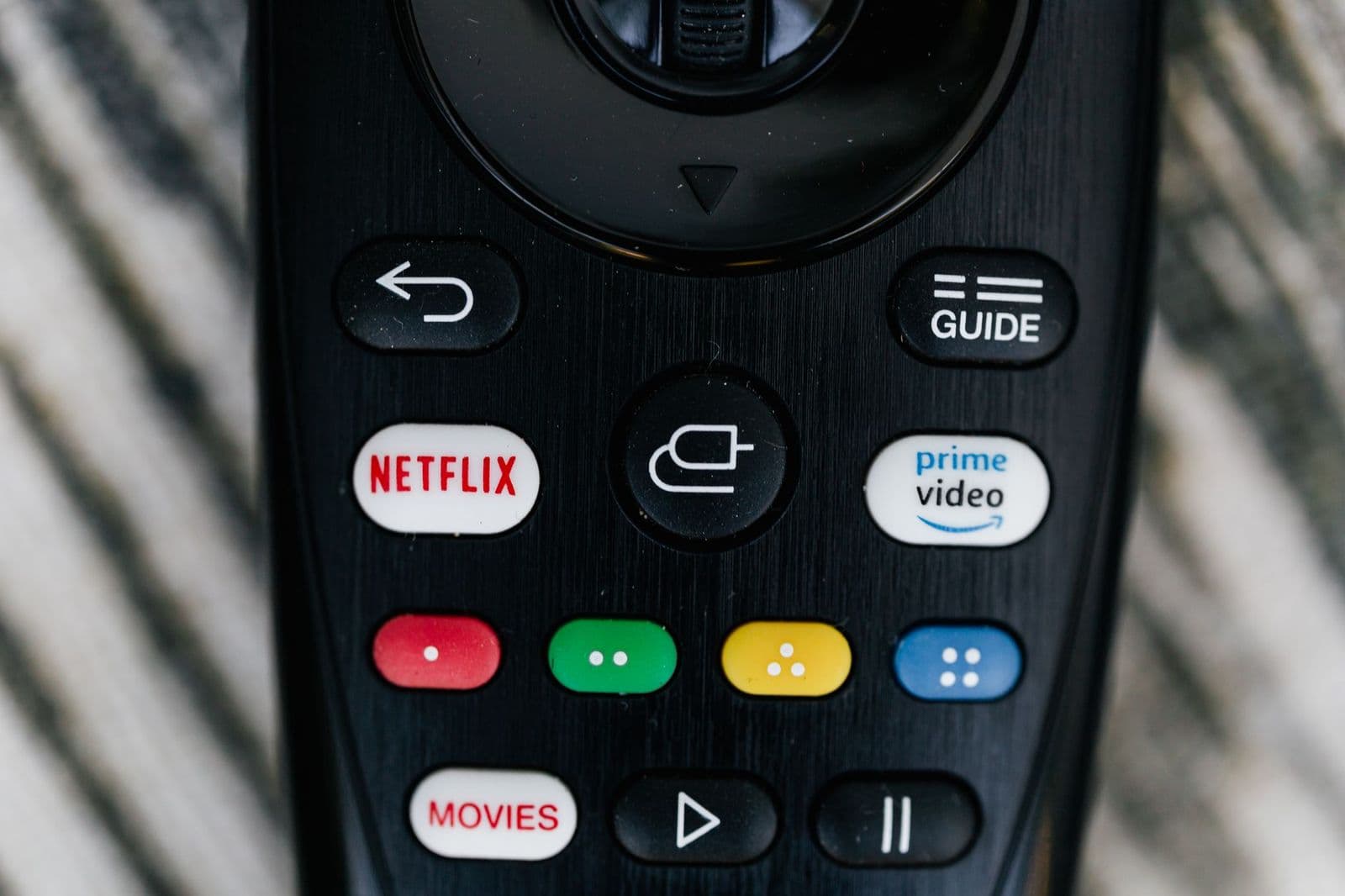
Compare the best 49 inch smart tvs at every price point. Learn what you get at budget, midrange, and premium levels and where spending more pays off.
A 49 inch screen sits in a sweet spot for many homes. It feels large in a bedroom or a small living room, yet it still fits on stands that would look crowded under a much bigger panel. Prices vary a lot at this size, and the gap is not always obvious from a box photo or a short spec list.
This guide walks through the best 49 inch smart tvs by budget, so you can see what each price level actually delivers. You will learn which features change your daily viewing, which ones matter only for gaming or bright rooms, and where you can save with confidence. Read on for the reasoning behind each tier.
Budget Tiers at a Glance
Instead of chasing names, start with the job each tier does well. A budget tier set suits casual news, streaming shows, and a second room where perfect contrast is not the goal. It should still give you a sharp 4K picture, a remote that feels simple, and apps that open without long waits.
A midrange tier set adds stronger brightness, better motion handling, and wider HDR support. This is the level most households should target, because the gains show up in sports, movies, and everyday streaming. You also tend to get more HDMI ports and better sound without adding a soundbar on day one.
A premium tier set focuses on contrast and polish. Expect deeper blacks, more precise control of bright highlights, and smoother gaming features. If your room has seating spread wide or you watch a lot of films at night, that extra control is easy to notice and hard to give up later.
What Your Money Gets You at Each Price Tier
Budget Tier: What to Expect
Budget models, often around $250 to $400, usually pair a 4K LED panel with basic HDR support and a simple smart platform. Picture quality is fine for streamed comedy, news, and kids shows, though dark scenes can look gray in a dark room. Viewing angles may narrow, so colors can fade when you sit far to the side. Check that the set has at least three HDMI ports and an optical or HDMI ARC output for a future soundbar. At this level, a clear menu and a responsive remote matter more than exotic picture modes you will rarely use.
Midrange Tier: The Sweet Spot for Most Buyers
Midrange models, often about $400 to $700, bring brighter panels, better backlight control, and more complete HDR formats. Movies gain depth because bright highlights and shadow detail can share the screen at the same time. Motion looks cleaner during football, racing, and fast camera pans. Many sets at this level add voice search, extra app support, and a sturdier stand. This tier often mirrors the long term value people praise when they browse the best tvs of all time, because it balances picture gains with a price that still feels sensible five years later.
Premium Tier: When Spending More Pays Off
Premium models, often about $700 to $1,200 at this size, use advanced panels such as OLED or Mini LED with many dimming zones. Blacks stay truly dark, stars and city lights keep their punch, and HDR scenes look closer to what the director intended. Gamers get low input lag and support for higher frame rates from current consoles. Cabinet finish, thinner bezels, and better built in sound also improve. Pay this much only if your room and habits expose the gains, such as nightly film viewing, serious gaming, or seating that demands wide viewing angles.
Features Worth Paying For (and Ones to Skip)
Refresh Rate and Response Time
A native 60Hz panel is enough for most broadcast TV and streaming, since most shows arrive at 24, 30, or 60 frames per second. Gamers with a current console should look for 120Hz support and HDMI 2.1 on at least one port, plus adaptive sync to reduce screen tearing. Be careful with inflated motion numbers in marketing, which often describe software processing rather than the true panel rate. For sports fans, good motion processing that you can soften or turn off is worth more than a huge number on the box.
Panel Technology (IPS, VA, OLED, Mini LED)
VA panels give strong contrast for movie nights but can lose color at wide angles. IPS panels hold color from the side, which suits wide sofas, yet their blacks often look lighter in a dark room. OLED gives each pixel its own light, so contrast is superb and response is nearly instant, though you should vary content to reduce burn in risk over many years. Mini LED is a brighter take on LED backlighting, with many small zones that improve highlights and shadow control. Pick the panel for your seating and lighting first, not for the label alone.
HDR and Brightness
HDR only helps when the panel has the brightness and control to show it. Look for support for HDR10 and, if you stream a lot of premium content, Dolby Vision, since more services use it for their best streams. A set that can reach higher peak brightness will handle sunny rooms and bright HDR scenes better. Wide color support matters too, because it lets reds, greens, and skin tones look rich rather than flat. In a dim room, strong local dimming often matters more than raw peak brightness, so weigh both together instead of chasing one number.
Stand, Mounting, and Ergonomics
Measure your furniture before you fall for a screen. Some 49 inch sets use two feet placed near the edges, which need a wide stand, while a center pedestal suits narrow tables. Check the VESA pattern on the back if you plan a wall mount, and confirm the mount can hold the weight with margin. Cable routing, a remote with clear buttons, and a headphone or Bluetooth option for late night listening all add daily comfort. If you also weigh smaller or nearby sizes, our notes on the best 32 inch smart tvs show how stand width and viewing distance change as screens shrink.
Picking the Right 49 Inch Smart TV for Different Uses
For a main living room, favor brightness, contrast, and at least four HDMI ports if you own a console, a streaming box, and a soundbar. For a bedroom, a quieter priority list works: a sleep timer, a remote that is easy in the dark, and sound that stays clear at low volume. Measure viewing distance too. At about six to eight feet, a 49 inch 4K screen fills your view nicely without forcing your eyes to scan during fast scenes.
Size comparisons help if your wall or stand sits between two options. Readers torn between this size and the next step up often compare the best 50 inch smart tvs for nearly identical footprints and features. If you have a long room or a wide sectional, the jump covered in our guide to the best 55 inch smart tvs may serve you better. And if smart features are secondary to panel value, the broader look at the best 49 inch tvs explains how non smart and smart models differ in price and app support.
Best Samsung 49 Inch Smart TVs: Where Your Money Goes
When shoppers ask about best samsung 49 inch smart tvs, the real questions are about the smart platform, gaming support, and panel type at each price. Samsung sets at this size tend to stress bright, punchy color, a fast app home screen, and strong gaming menus with low lag. Check whether the model you eye uses a VA panel for deeper contrast, whether it includes the HDR formats your services use, and how many HDMI 2.1 ports it offers. Those three checks tell you more than the badge on the bezel.
Long Term Costs to Factor In
The sticker price is only part of ownership. A wall mount, longer HDMI cables, and a soundbar can add about $100 to $300, and many buyers add at least one of them within the first year. Streaming subscriptions stack up too, so confirm the built in apps cover the services you already pay for, or budget for a small streaming stick. Electricity use at this size is modest, though bright HDR settings draw more power than eco modes. Finally, read the warranty terms for panel defects and keep your receipt, because a longer panel warranty can be worth more than a small discount at checkout.
Frequently Asked Questions
How long do 49 inch smart TVs last?
Most modern sets last about seven to ten years with normal home use. The panel itself rarely fails first; more often the smart platform slows as apps grow heavier. A small streaming stick can refresh an aging set for very little money. Keep vents clear of dust, avoid leaving static images on screen for many hours, and use a surge protector to guard against power spikes during storms.
What size TV should I get for my room or desk?
For most rooms, sit about one and a half times the screen width from a 49 inch set, which works out to roughly six to eight feet. Closer than that, you may notice individual pixels in lower quality streams and feel eye strain during long sessions. On a desk, this size only works on deep surfaces where the screen can sit well behind your keyboard. Measure your stand depth and seating before ordering, not after the box arrives.
Does refresh rate matter for non gamers?
It matters less than marketing suggests. News, drama, and most streaming arrive at frame rates a 60Hz panel handles well. Sports fans may enjoy the smoother look of good motion processing, but heavy processing can create an artificial look on films, often called the soap opera effect. If you never game, spend the money on brightness and contrast instead. Those two traits improve every scene you watch, not just fast ones.
Is 4K worth it on a 49 inch TV?
Yes, at normal living room distances 4K is worth it on a 49 inch screen. Fine detail in faces, text in games, and texture in nature scenes all look cleaner than on a 1080p panel of the same size. The benefit shrinks if you sit very far away or watch mostly low quality cable feeds. Pair the resolution with decent HDR and brightness, because resolution alone cannot fix flat contrast or dull color.
IPS vs OLED: which is better for a 49 inch TV?
Neither wins for every room. OLED gives perfect blacks, instant response, and wide viewing angles, which suits movie lovers and mixed seating. IPS costs less and holds color from the side, but its blacks look gray in dark rooms and it cannot match OLED highlight control. Bright rooms complicate the choice, since a bright Mini LED or high end LED set can fight glare better than many OLED panels. Match the panel to your light and seating first.
Our Verdict on 49 Inch Smart TVs
Start with your room, your seating, and your main use, then pick the tier that fits rather than the tier with the longest feature list. Most buyers land happily in the midrange, movie and gaming fans gain from premium panels, and casual rooms do fine on a careful budget buy. When you are ready, compare the best 49 inch smart tvs side by side and confirm ports, panel type, and stand width before you order. Keep this guide handy whenever you review the best 49 inch smart tvs again.


