
Best 49 Inch 4K TVs: Every Type Explained Side by Side for 2026
Disclosure: We may earn a commission when you buy through links on this page, at no extra cost to you. As an Amazon Associate I earn from qualifying purchases. Learn more
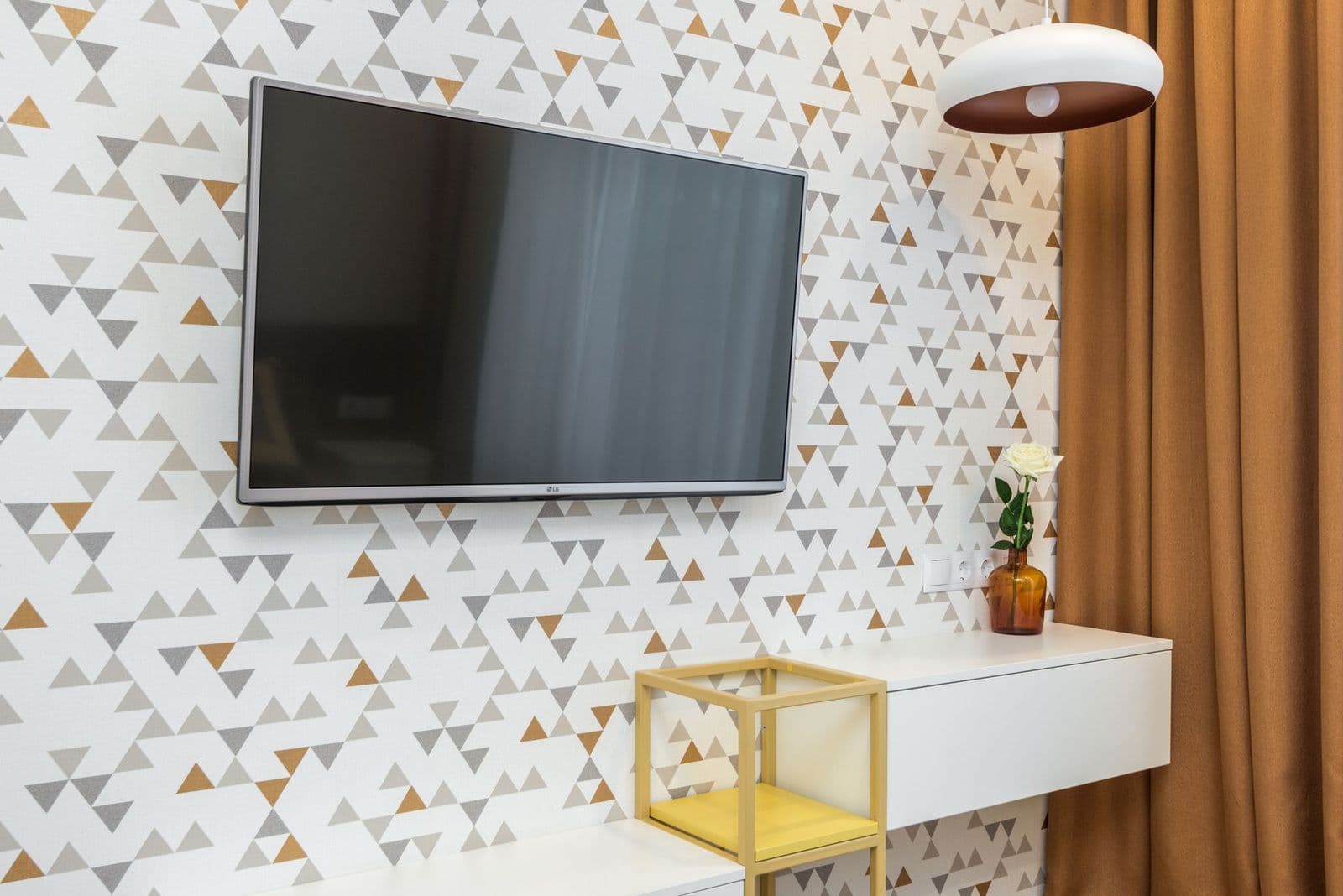
Compare every type in this guide to the best 49 inch 4k tvs, from budget LED sets to OLED and gaming models, and choose the right panel for your room.
Walk into the 49 inch aisle and the confusion starts fast. One set promises cinema color, the next promises tournament gaming speed, and a third costs half as much with the same 4K badge on the box. The screen size is identical, so every real difference hides in panel type, backlight, and ports.
This guide compares the types behind the best 49 inch 4k tvs side by side, in plain language, so you can match a type to your room and budget. Start with the type breakdown that follows, then work through the specs before you spend anything.
Types of 49 Inch 4K TVs Compared
Think of the four types below as four different tools. Budget displays cost around $250 to $400 and serve everyday streaming. Large screen options in this class push brightness and sound for main rooms at around $400 to $700. OLED displays run around $800 and up for cinema lovers. Productivity and ultrawide displays borrow monitor traits for desks and mixed work and play at around $400 to $800.
Budget Displays
Budget displays use a standard LED backlight, a 60Hz panel, and a mainstream smart platform. They do their job well for streaming, broadcast TV, and casual gaming in a normally lit room. Colors are pleasing, apps load fine, and setup takes minutes. The limits appear in dark scenes, where blacks look gray, and in HDR content, which the set accepts but cannot show with much punch. Choose this type for bedrooms, kitchens, dorm rooms, and second TVs, where value matters more than drama.
Large Screen Options
Within the 49 inch class, the large screen options are the models built like main room flagships, with brighter panels, local dimming, and better built in sound. They suit family living rooms where one TV does everything from Saturday sports to movie night. Viewing angles and motion handling get real attention at this level. The trade off is price and weight, and a stand footprint that needs a serious piece of furniture. If your seating spreads wide, this type or OLED will keep side seats happier than a budget panel will.
OLED Displays
OLED displays light each pixel on its own, so blacks are truly black and contrast is unmatched, especially in a dark room. Response time is nearly instant, which gamers love, and colors stay accurate from wide angles. The costs are a higher price, lower peak brightness than strong LED rivals, and a small risk of burn in if the same static image sits on screen for hours daily. Choose OLED if movies and prestige series dominate your viewing and your room can go dim. Skip it for a bright sunlit room used mainly for news tickers and static dashboards.
Productivity/Ultrawide Displays
Some 49 inch models borrow their design from the monitor world, with matte screens, DisplayPort or USB C inputs, and stands that adjust for desk height. A few ultrawide variants stretch the picture wider rather than taller, which suits spreadsheets, timelines, and split screen work. As TVs they still stream beautifully, but their remotes, tuners, and smart platforms can feel secondary. Choose this type if the screen splits its life between a work desk and evening entertainment. Pure living room buyers will get more for their money from the other three types.
Budget Displays vs Large Screen Options: Which Should You Choose?
Compare these two volume types on five points. For picture in a dark room, the large screen options win with local dimming and deeper blacks. For bright room value, budget displays hold up surprisingly well and cost far less. For sports, the flagship style models usually handle motion more cleanly. For sound, their larger speakers save you an immediate soundbar purchase. For longevity of features, HDMI 2.1 ports appear far more often on the premium type. So choose budget if the TV is a second screen or your room stays bright, and choose the flagship style if this is your one main TV for the next seven years. Shoppers torn on size should also read our guide to the best 49 inch tvs for the wider size picture.
How to Choose the Right 49 Inch 4K TV
Smart Platform and Sound
Google TV, Roku, and webOS all stream the major services, so choose by remote feel and search quality rather than app lists. Voice search that actually finds shows across services saves daily friction. Sound deserves equal weight, because thin TV cabinets produce thin audio. Look for clear dialogue modes and eARC support so a future soundbar connects with one cable and syncs volume with the TV remote. If the TV will live in a bedroom, a night mode that tames sudden loud scenes is worth more than raw wattage.
Refresh Rate and Response Time
A native 60Hz panel covers movies and shows, which are filmed at low frame rates anyway. A native 120Hz panel helps sports and gaming, cutting blur and input lag. Ignore inflated motion rate numbers and look for the native figure in the specification sheet. Response time under about 5 milliseconds keeps fast games crisp, but the practical test is a proper game mode. Game mode should switch on automatically and strip out processing that adds delay, so check for auto low latency mode in the port specifications.
Panel Technology (IPS, VA, OLED, Mini LED)
VA panels deliver strong contrast for movie nights but fade off center. IPS panels keep color honest for wide seating and bright rooms, with weaker blacks as the price. Mini LED backlights add hundreds of dimming zones to either panel family and lift HDR performance close to OLED territory. OLED remains the contrast king with perfect pixel level control. Match the panel to your seating plan first: a narrow couch facing the screen flatters VA, while an L shaped sectional argues for IPS, Mini LED with wide angle layers, or OLED.
Connectivity and Ports
Count your devices before you count ports. A soundbar, a console, a streaming box, and a disc player already fill four HDMI inputs, so three ports means swapping cables or buying a switch. Prefer at least one HDMI 2.1 port for current consoles, eARC for the soundbar, and USB ports for media drives. Desk users should look for DisplayPort or USB C with video support. Also confirm the VESA mount pattern, often 300 by 300 at this size, and the stand width, since wide feet demand wide furniture.
Adaptive Sync and Gaming Features
Variable refresh rate keeps games smooth when frame rates dip, and it arrives through HDMI 2.1 on this class of TV. FreeSync suits AMD graphics and current consoles, while G Sync compatibility matters for PC players with Nvidia cards. Support for 4K at 120Hz is the headline gaming feature, but only one or two ports usually carry it, so plan which device gets the fast port. If you split time between console and PC, our guide to the best 43 inch 4k tvs covers smaller desk friendly gaming setups too.
Choosing 49 Inch 4K TVs for Your Situation
Best 49 Inch 4K Hdr TVs
If HDR is your priority, the best 49 inch 4k hdr tvs share three traits. First, peak brightness of about 800 nits or more, because HDR lives in the highlights. Second, local dimming or OLED pixel control, so bright objects do not wash out the scene around them. Third, support for Dolby Vision alongside HDR10, since major streaming services lean on Dolby Vision for their flagship shows. A set missing any one of the three will play HDR content, but it will not show you why the format matters.
Care and Maintenance Tips
Calibrate the picture on day one. Turn off the vivid mode that stores ship with, choose the movie or filmmaker picture preset, and lower sharpness until edges look natural. On an OLED, let the automatic pixel refresh cycles run as scheduled and avoid unplugging the TV right after long sessions, since some care cycles run after you switch off. Clean every screen type with a dry or barely damp microfiber cloth only, never paper towels or window cleaner, which can strip coatings. Dust the rear vents twice a year so heat escapes freely, and use a surge protector, because panel electronics dislike power spikes.
Frequently Asked Questions
IPS vs OLED: which is better for a 49 inch 4K TV?
OLED is better for contrast, response time, and dark room movies. IPS is better for bright rooms, wide seating, and immunity to burn in worries. A factor viewers overlook is reflection handling: glossy OLED screens can mirror windows like a dark mirror, while many IPS sets use finishes that scatter light more softly. If your room has windows opposite the screen, visit a store and view both types under bright lights before you commit.
Does refresh rate matter for non gamers?
It matters modestly. Sports, live concerts, and nature footage with fast camera pans look cleaner at a native 120Hz, and scrolling credits stay readable. For dialogue driven drama and comedy, your eyes will rarely spot a difference from a good 60Hz panel. Spend the refresh rate money only after brightness and panel quality are secured, because a dim 120Hz set disappoints more than a bright 60Hz one. Motion settings can also soften film grain, so keep smoothing low for movies.
What size TV should I get for my room or desk?
A 49 inch 4K TV suits seating about five and a half to seven and a half feet away, which fits most living rooms and large bedrooms. On a desk, it works as a monitor substitute only if you can sit about three feet back, so measure your desk depth honestly. Also weigh the set if you plan a wall mount, and confirm your wall studs and mount rating match. If 49 inches feels cramped for a main room, our guide to the best 55 inch 4k tvs covers the next step up.
How long do 49 inch 4K TVs last?
Expect about seven to ten years from an LED model and a similar span from OLED with varied content. Backlights fade gradually, so an older set looks dimmer rather than dying suddenly. One longevity habit helps every type: run the backlight or OLED light below maximum for everyday viewing. Full brightness all day raises heat and power draw and speeds up wear, while a modest setting still looks great in a shaded room and leaves headroom for HDR peaks.
Is 4K worth it on a 49 inch TV?
Yes, 4K is clearly worth it at 49 inches. At normal seating distances the detail jump over 1080p shows in faces, fabric, grass, and game worlds, and streaming services now deliver their best quality, including HDR, mainly to 4K screens. The only weak case is a TV watched from far away with mostly broadcast channels. Even there, the price gap to 1080p at this size is so small that 4K remains the sensible default. For a much larger jump, see our guide to the best 4k tvs 65 inch.
The Bottom Line
Pick the type first, the panel second, and the ports third, and the right model usually names itself. Movie lovers should lean OLED or Mini LED, families should lean bright LED with wide angles, and gamers should guard that HDMI 2.1 port. For a sense of the greats across eras, our guide to the best tvs of all time makes an enjoyable final read. Then use these checks to choose among the best 49 inch 4k tvs with confidence. Keep this guide handy whenever you review the best 49 inch 4k tvs again.


