Best 44 Inch Ceiling Fan: Buying Guide (2026)
Disclosure: We may earn a commission when you buy through links on this page, at no extra cost to you. As an Amazon Associate I earn from qualifying purchases. Learn more

Fits rooms of about 100 to 200 square feet: compare mounts, motors, lumens and costs for a 44 inch ceiling fan.
A 44 inch fan sits in a useful middle ground. It moves enough air for a bedroom or a modest living space, yet it does not crowd a smaller room the way a 52 inch model can. The hard part is that fans in this size vary a lot in airflow, light output, motor type, and mounting style. Choosing the best 44 inch ceiling fan means matching those details to your room, your ceiling height, and how you plan to control the fan.
This guide walks through the main types you will see, the light output to look for, and the installation points that matter most. Use the comparison table below to line up the key specs side by side, then read on for the criteria that separate a good fan from a disappointing one.



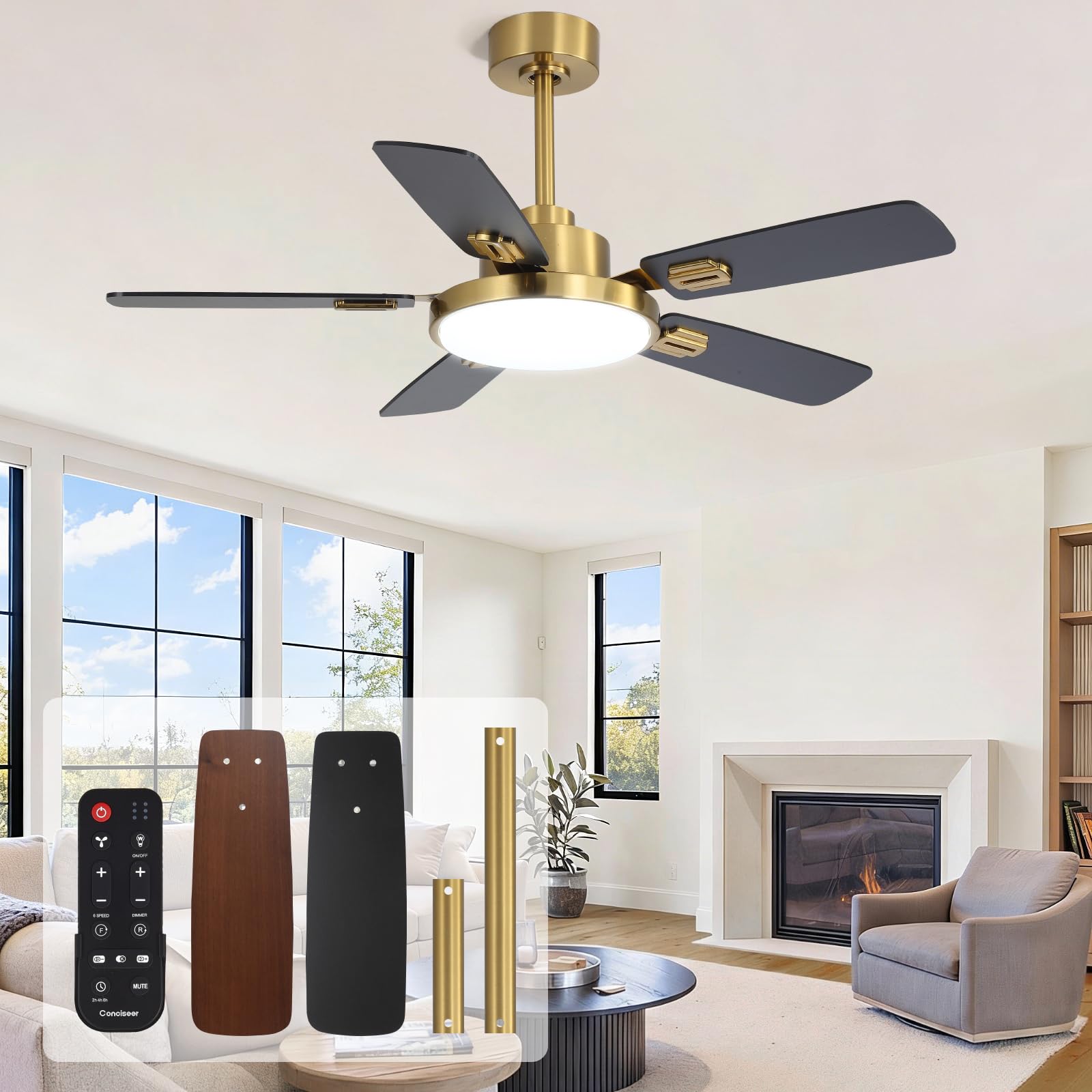
Types of 44 Inch Ceiling Fans Compared
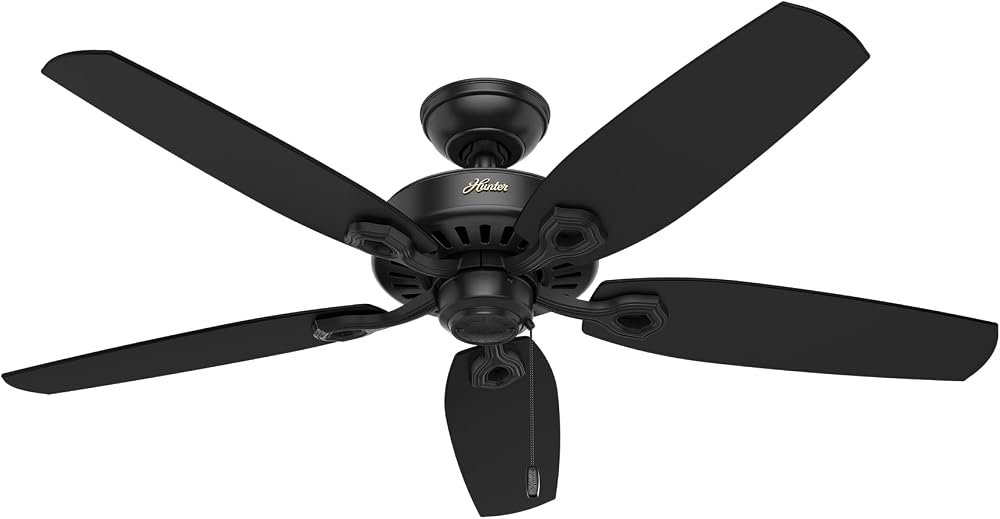
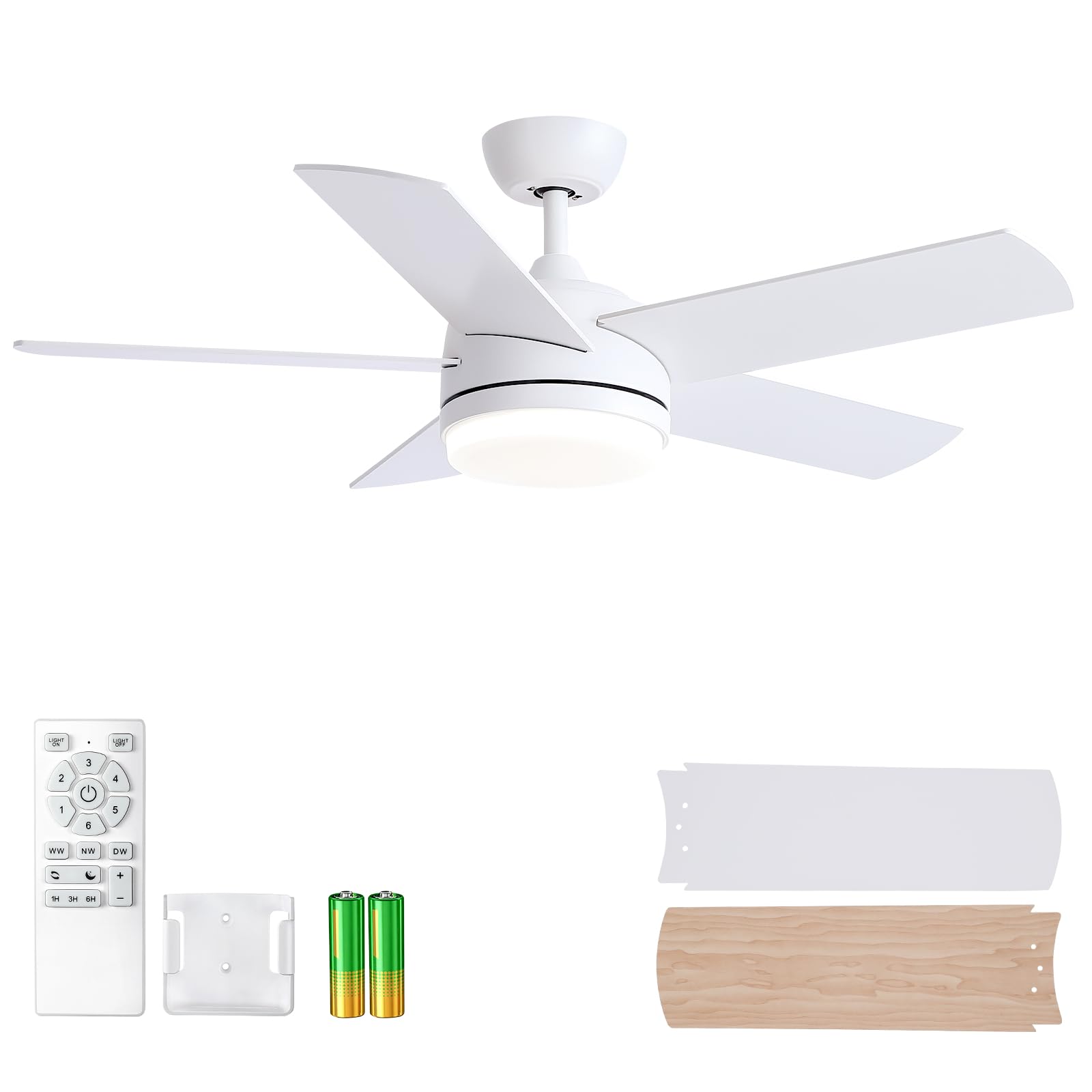
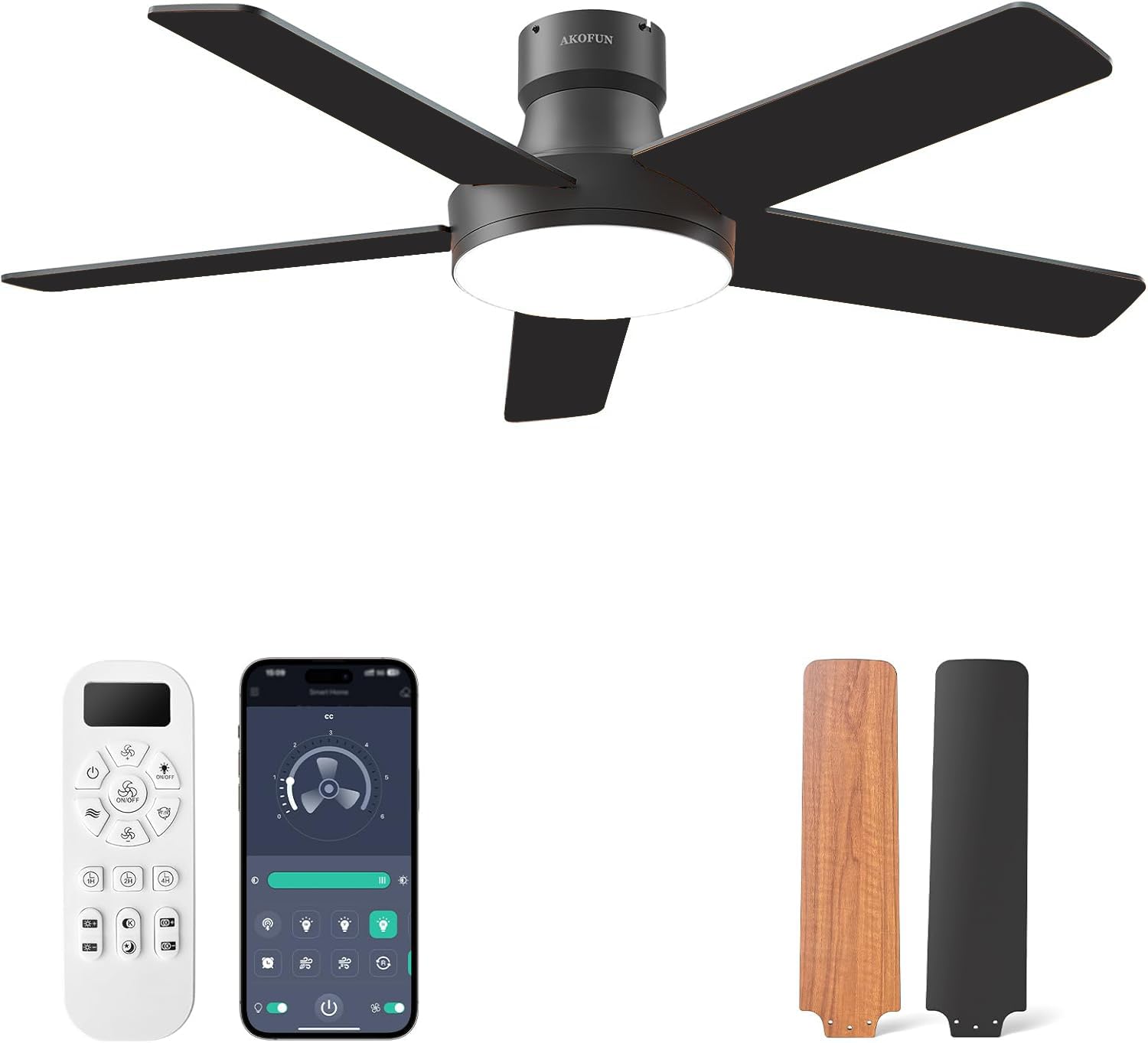
Instead of chasing a single winner, sort this size into three broad types. Each type suits a different room and budget, and the product table above groups models along these same lines.
Flush Mount and Low Profile Fans
These fans hug the ceiling, with the blades sitting close to the mounting surface and no downrod in between. They are the natural fit for ceilings around 8 feet tall, where safety rules call for blades to stay at least 7 feet above the floor. Airflow tends to be a little lower than on a downrod model, but in a bedroom or a small den that trade off is rarely noticeable, and the tidy look suits rooms with low beams.
Standard Downrod Fans
A downrod fan hangs below the ceiling on a short metal rod, which gives the blades room to push air more freely. This is the most common type at 44 inches and the easiest to find with a light kit and a remote. It works best on ceilings of 9 feet or more, where the extra drop still leaves plenty of head clearance. If your ceiling slopes, check that the mount allows an angled install.
Outdoor Rated Fans
Outdoor models use sealed motors, rust resistant hardware, and blades that tolerate humidity. A damp rated fan handles a covered porch, while a wet rated fan can take direct rain. If you are cooling a covered outdoor space, our guide to the best outdoor ceiling fan explains the rating labels in more depth. Never install an indoor only fan outside, since moisture shortens the life of the motor.
How to Evaluate a 44 Inch Ceiling Fan
Judge every model on the same short list: airflow for the room size, light output in lumens and the color temperature it offers, how the style and finish fit your decor, how involved the installation looks, and how much energy the motor uses. Manufacturer spec sheets and verified buyer feedback are the most reliable sources for these numbers.
How to Choose the Right Ceiling Fan
Size and Form Factor
Blade span is measured from the tip of one blade to the tip of the blade opposite it. Common sizes run from 42 inch fans for small rooms, through 44 inch and 52 inch models, up to 54 inch, 60 inch, and 72 inch fans for great rooms. A 44 inch span generally suits rooms of about 100 to 200 square feet, such as a bedroom, a home office, or a small living room. Go up a size if the room opens to other spaces, since the fan then has to move air through a larger volume.
Type and Motor
Beyond mounting style, think about the motor. AC motors are the long standing standard and usually cost less, while DC motors use less energy, run more quietly, and often offer more speed settings. Our explainer on dc vs ac ceiling fan motors walks through the trade offs if you are torn between the two. Style types range from modern and farmhouse looks to caged designs, so pick a form that matches the room.
Features Worth Paying For
A built in light, a remote control, and a reversible motor are the features most buyers actually use every week. An LED light module avoids bulb changes for years and draws little power. A remote saves you from reaching for a pull chain in the dark, which matters most in a bedroom. Smart features such as WiFi control and voice assistant support are nice if you already run a smart home, but they add cost and setup time that many households never repay.
Lumens and Color Temperature
Light output is measured in lumens. For a bedroom, about 800 to 1,200 lumens gives a soft general light, while a living room or kitchen often needs about 1,500 to 2,500 lumens from the fan light, backed up by other fixtures. Color temperature shapes the mood: warm light near 2,700 to 3,000 kelvin feels relaxed and suits bedrooms, while cooler light near 4,000 kelvin reads brighter and helps in a home office.
Fixture Size and Placement
Center the fan in the room, or over the main seating or sleeping area if the room has an odd shape. Keep blades at least 18 inches from any wall so air can circulate freely. In a long room, one 44 inch fan at one end leaves the far end still, so one larger fan placed centrally will feel better. Check that the ceiling box sits where you want the fan before you order, since moving a junction box means electrical work.
Dimmable and Smart Options
If the fan light will be your main light source in the evening, dimming is worth having. Some LED modules dim through the remote, while others need a compatible wall control, and mixing the wrong control with an LED module can cause flicker or a faint buzz. Smart fans connect to your WiFi network and respond to an app or a voice assistant, which lets you set schedules. A simple timer also lets the fan switch off after you fall asleep instead of running all night.
Installation
Nearly all ceiling fans are hardwired into a ceiling electrical box, and that box must be rated for fan support, since a spinning fan puts far more stress on the mount than a static light fixture. Turn off the power at the breaker, confirm the box rating printed inside it, and follow the wiring diagram for your model. If you want a step by step walkthrough before you start, see how to install a ceiling fan for the full sequence.
How Much Should You Spend?
Basic 44 inch fans cost under $100 and usually include a simple light kit and pull chain control, with an AC motor and modest airflow. Models at about $100 to $250 add remotes, better finishes, and quieter motors, and this is where most bedrooms are best served. Fans at about $250 to $500 bring DC motors, integrated LED lighting, and smart controls. Paying more mostly buys design and premium materials rather than stronger cooling.
Is a 44 Inch Ceiling Fan the Right Size for You?
Choose this size if your room falls in that 100 to 200 square foot range and your ceiling is a standard height. Bedrooms are the classic fit: the fan keeps air moving over the bed without a harsh downdraft, and our guide to the best ceiling fan for bedroom covers quiet operation for sleep in more detail. For a living room, compare your measurements against the best ceiling fan for living room options, since many living rooms run larger than 200 square feet and feel better with a 52 inch fan.
A 44 inch fan is also a sensible pick for a kitchen eating area, a nursery, or a finished attic room where a full size fan would look oversized. If your room is under 100 square feet, a 42 inch fan may look more balanced, though the cooling difference is small. If the room has ceilings above 10 feet, add a longer downrod so the blades sit about 8 to 9 feet above the floor, where moving air reaches you.
Common Mistakes to Avoid
- Mounting a fan on a standard light fixture box that is not rated for fan weight, which can lead to wobble and, over time, a loosened mount.
- Picking a downrod model for an 8 foot ceiling, which drops the blades below the safe clearance height.
- Judging a fan by blade count alone, when blade pitch and motor strength decide how much air actually moves.
- Buying a fan light with too few lumens for the room, then blaming the fan for a dim space.
- Skipping the reverse function check in winter, since a fan that cannot reverse gives up the warm air benefit.
- Installing an indoor rated fan on a porch, where humidity quietly corrodes the motor and controls.
How to Make Your Ceiling Fan Last Longer
Check that the blade screws and the mounting screws stay snug once a year, since small vibrations slowly work them loose and cause the wobble many owners blame on the motor. Keep the light cover clean so dust does not dim the output. If the fan develops a new clicking or humming sound, switch it off and inspect the blade holders and the canopy before running it again, because a loose part under motion only gets worse.
FAQ
What is the best 44 inch ceiling fan for a small bedroom?
Look for a flush mount or short downrod model with a quiet motor, a warm light setting, and a remote with a timer. Bedroom comfort depends more on low speed noise than on peak airflow, since you will run the fan at gentle speeds while you sleep. A reversible motor also helps in winter, letting you push warm air down from the ceiling without a direct breeze on the bed.
What size ceiling fan do I need for a 12 by 14 foot room?
That room is 168 square feet, which lands squarely in the range a 44 inch fan handles well. If the room connects to an open hallway or has high ceilings, consider stepping up to a 52 inch fan for extra reach. Measure the longer wall as well, since a narrow room shape can leave corners still.
How long does a ceiling fan last?
A well made ceiling fan often runs for 10 to 20 years, and the motor usually outlasts the light module, the remote, and the finish. Fans in humid rooms tend to age faster, even when they carry an outdoor rating. When a fan wobbles despite tight screws, or the motor hums loudly at every speed, replacement is usually smarter than paying for repairs.
Is a ceiling fan worth it if you already have air conditioning?
Yes, in most homes. A fan lets you raise the thermostat by a few degrees while feeling just as cool, because moving air speeds evaporation from your skin. The fan itself uses a fraction of the energy an air conditioner draws, so the pairing lowers running costs across a summer. Remember to switch the fan off in empty rooms, since fans cool people, not spaces.
How do you clean a ceiling fan without making a mess?
Turn the fan off and let the blades stop fully. Slip an old pillowcase over one blade at a time and pull it toward you, so the dust falls inside the case instead of onto the furniture below. Follow with a damp cloth for any film the case missed. Cleaning about once a month in dusty homes keeps the job to a few minutes.
What should you check in a ceiling fan warranty?
Read the motor warranty separately from the rest, since many makers cover the motor for far longer than the light kit, the remote, or the electronics. Note whether the warranty covers parts only or labor as well, and keep your receipt and the model number somewhere you can find them years later.
Final Thoughts
The right 44 inch fan fits your room size, your ceiling height, and the way you live in the space. Match the mounting type to your ceiling, pick a light output that suits the room, and choose between AC and DC motors based on noise and energy use. Compare the options in the product table above, and for a broader look at every size, see our roundup of the best ceiling fan models. The best 44 inch ceiling fan will keep your room comfortable for years.