Best 42 Inch TVs 2026: Buying Guide
Disclosure: We may earn a commission when you buy through links on this page, at no extra cost to you. As an Amazon Associate I earn from qualifying purchases. Learn more
Compare 42 inch TVs for bedrooms, small living rooms, and gaming corners, with panel, sound, and viewing distance tips included. Read the full guide before you
A 42 inch television hits a sweet spot for many rooms: large enough for films, small enough for a bedroom or a compact living space. The best 42 inch tvs vary mainly in panel type, smart features, and sound, and this guide explains how to choose among them without paying for size you do not need.
The comparison table below lists options side by side, but viewing distance and room light matter as much as any spec. A 42 inch screen suits seating about 5 to 7 feet away, and a bright room rewards a brighter panel. Measure your space, note your windows, and think about whether the television will serve films, sport, news, or games.


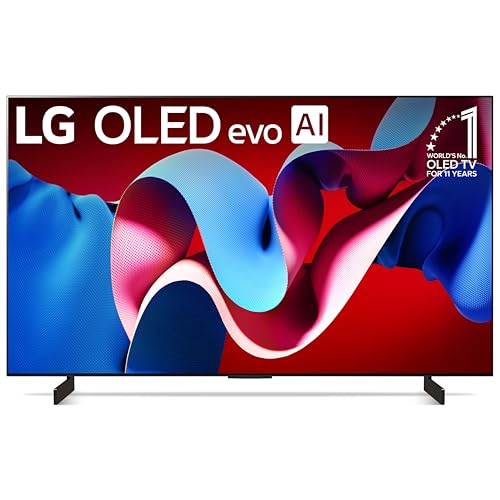
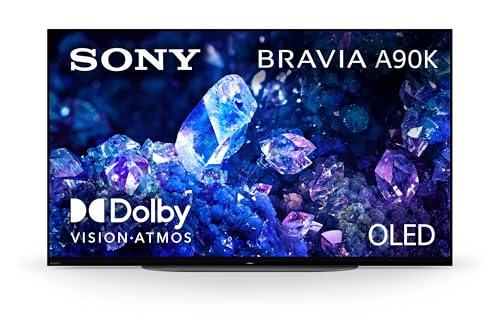
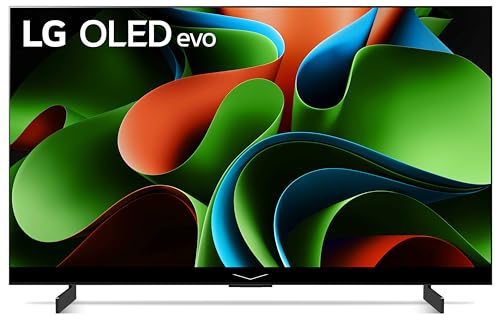
Who Should Buy a 42 Inch TV
A 42 inch television suits bedrooms, small living rooms, dens, and gaming corners where a larger screen would dominate the wall. It also works well as a second television for a kitchen or home office. If your main seat is more than about 9 feet from the screen, a larger size will serve films better.
- Bedroom and small living room viewers
- Gamers who want a compact screen close up
- Buyers replacing an older small television
Panel Types and Picture Quality
Most 42 inch televisions use LED LCD panels, with some offering better contrast through local dimming or a higher quality backlight. OLED models at this size are rarer and pricier, but they give deeper blacks and wider viewing angles. For most buyers, a good LED panel with accurate colours beats a flashy spec sheet.
Check the basics in person when you can: skin tones should look natural, dark scenes should keep detail rather than turning grey, and motion should stay smooth during sport. A high refresh rate helps fast action, but the panel's contrast and colour accuracy matter more for everyday viewing. Ignore inflated contrast figures and trust your eyes.
Smart Features, Sound, and Connections
Smart platforms differ in app range and ease of use, so check that your must have streaming apps are available and that the remote feels simple. Voice control and casting can be handy, but a clean menu matters more day to day. If you already use a streaming stick or box, the built in platform matters less.
Built in speakers on slim televisions are limited, so plan for a soundbar if film sound matters to you. Check for enough HDMI ports for your console, box, and soundbar, and note whether the television supports the audio format your sound system uses. A television that is easy to connect is one you will actually enjoy using.
Common Mistakes to Avoid
The most common mistake is buying a larger television than the room suits, then sitting too close and noticing every flaw. Another is choosing on price alone and ending with a dim panel that washes out in daylight. A third is ignoring sound: a beautiful picture with thin, harsh audio makes films feel flat.
Measure before you buy, including the stand width and the wall space, and check the viewing angle from your usual seats. Side seats suffer on cheaper panels, so test from an angle if your sofa wraps around the room. Keep the box and receipt until you have tested the television at home in your own light.
Setup and Everyday Use
Place the screen so its centre sits near eye level from your seat, and avoid a bright window directly behind you, which causes reflections. Use the film or cinema picture mode as a starting point, since vivid shop modes usually oversaturate colours at home. Turn off motion smoothing for films if movement looks unnaturally smooth.
Update the software, set a sleep timer, and organise apps so the ones you use sit first. If you game, look for a game mode that reduces input lag, and use a dedicated HDMI port for the console. Small setup steps like these make a mid range television feel noticeably better.
Related guides compare nearby sizes and types. See the all time overview in best tvs of all time, smart models in best 42 inch smart tvs, and LED options in best 42 inch led tvs. Larger rooms may prefer best 65 inch tvs or best 55 inch tvs.
Making a Smaller Screen Feel Bigger
A 42 inch television can feel larger than its size suggests with the right setup. Sit at the recommended distance rather than across a large room, and choose a stand or mount that puts the screen centre at eye level. A dark wall behind the television reduces perceived glare and makes the picture feel more cinematic, while bias lighting behind the set eases eye strain in a dark room.
Sound makes a surprising difference to perceived size. A soundbar or a pair of speakers gives films a sense of scale that built in speakers cannot, and clear dialogue keeps you engaged rather than straining to hear. Even a modest audio upgrade transforms a bedroom television from a casual screen into a proper film setup.
Content choice matters too. Stream in the highest quality your connection supports, and avoid stretched or low resolution sources that emphasise the screen's limits. A 42 inch screen showing a sharp 4K film at the right distance feels immersive, while the same screen showing a poor source feels small. Feed it well, sit well, and the size stops mattering.
Choosing Between a Stand and a Wall Mount
A stand is the simplest option for a 42 inch television, and it suits renters and anyone who rearranges furniture. Check the feet width against your furniture, since television feet are often wider than expected, and make sure the stand depth supports the television's weight with room for a soundbar in front. A low, wide unit looks better than a narrow pedestal that crowds the screen.
Wall mounting frees surface space and gives a tidy look, but it needs a mount rated for the television's size and weight, plus fixings suited to your wall type. Brick, plasterboard, and stud walls need different anchors, and a mount that tilts helps in a bedroom where you watch from bed. Measure twice, drill once, and ask for help holding the television while you secure it, since a dropped screen ends the project abruptly.
Sound Options Beyond Built In Speakers
Built in television speakers have improved, but physics limits what slim speakers can do, especially for dialogue and film bass. A compact soundbar is the simplest upgrade: it connects with one cable, sits under the screen, and clarifies voices immediately. A pair of powered bookshelf speakers suits music lovers who also watch films, giving a wider stereo image than a soundbar. For bedrooms, a good pair of headphones with a long cable or wireless connection lets one person watch late without waking the household. Test each option in your room before committing, since room acoustics change sound more than brand names do.
Frequently Asked Questions
What viewing distance suits a 42 inch TV?
A 42 inch television generally suits seating about 5 to 7 feet away, which fits most bedrooms and small living rooms. Closer than that, you may notice individual pixels on lower resolution content. Farther than about 9 feet, a larger screen will show film detail better, so measure your main seat before deciding.
Is 4K worth it at 42 inches?
Yes, for most buyers, because 4K content is now standard and the extra detail helps even at this size, especially with streaming and gaming. You will notice the difference most on sharp, high quality sources viewed from a normal distance. If your main sources are older broadcasts, the panel quality matters more than the resolution label.
Do I need a soundbar with a 42 inch TV?
A soundbar is worth considering, because slim televisions have small speakers that struggle with dialogue and film sound. Built in sound is fine for news and casual viewing, but films and sport sound fuller with even a modest soundbar. Check that your television has a suitable audio output before buying either part.
What is the difference between LED and OLED at this size?
LED televisions use a backlight behind an LCD panel and are brighter and more affordable, while OLED televisions light each pixel individually for deeper blacks and wider viewing angles. OLED models at 42 inches are rarer and cost more. For bright rooms, a good LED panel often makes more sense; for dark room films, OLED shines.
How many HDMI ports do I need?
Count your devices: a streaming box, a game console, and a soundbar already need three ports. Four ports give comfortable headroom for a future device. Check the port versions too, since newer consoles and sound systems benefit from newer HDMI features, and note which port supports audio return for a soundbar.
Final Thoughts
The product table above narrows the field, but your room makes the final call. The right one of the best 42 inch tvs fits your seating distance, handles your room light, and sounds good enough for how you watch. Measure first, test picture and sound at home, and keep the setup simple.
A well chosen 42 inch television disappears into the room and lets the programme take over. That is the real test, and it has nothing to do with the biggest number on the box.