
Best 42 Inch LED TVs of 2026: Complete Buying Guide
Disclosure: We may earn a commission when you buy through links on this page, at no extra cost to you. As an Amazon Associate I earn from qualifying purchases. Learn more
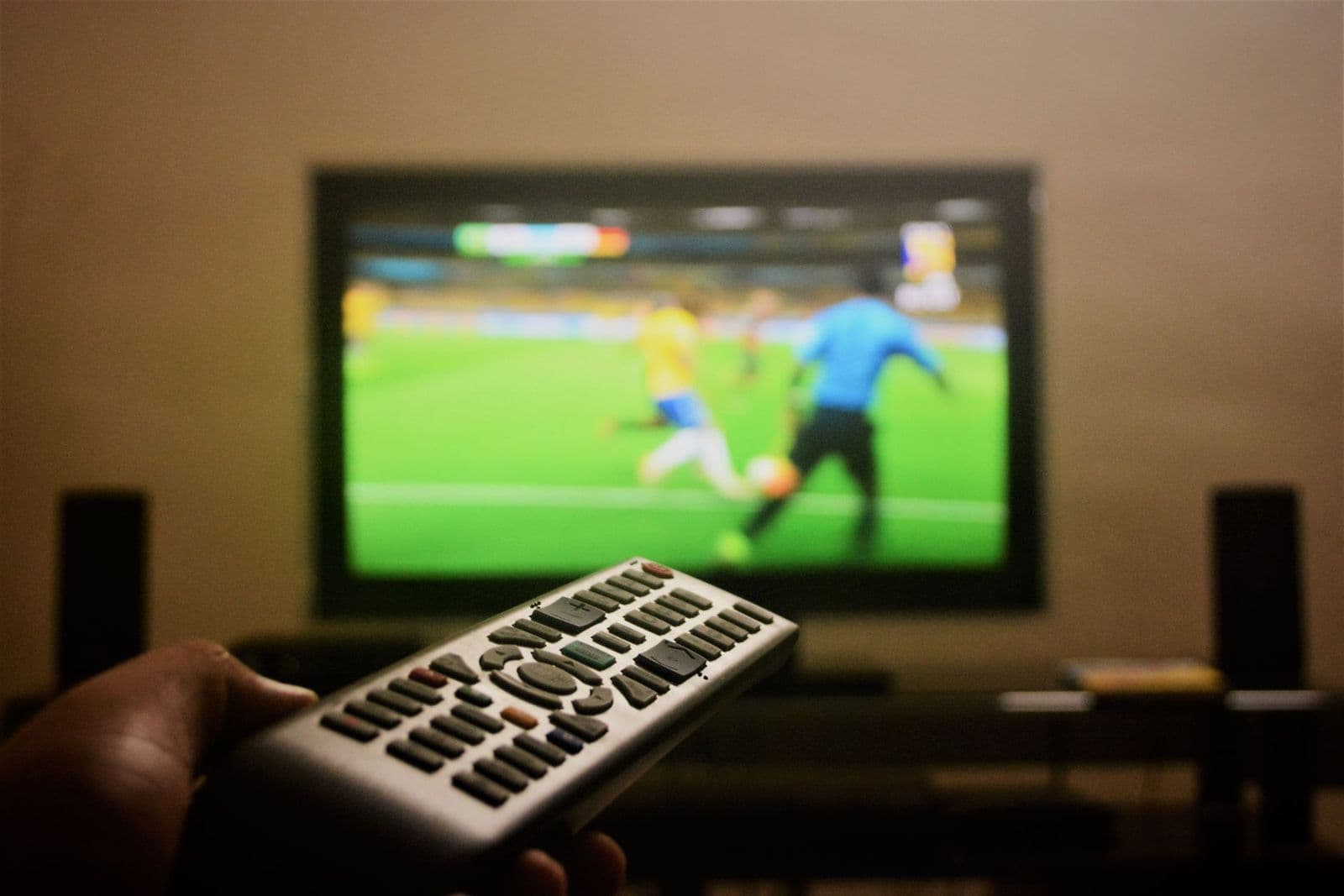
Compare the best 42 inch led tvs by panel type, 4K resolution, refresh rate, HDR, ports and smart features for any room size.
A 42 inch TV fits the rooms where bigger screens fail: bedrooms, small living rooms, kitchens, dorms, and desks that double as gaming stations. The trap is assuming every model at this size performs alike. This guide shows you how to judge the best 42 inch led tvs by panel, motion handling, and smart features, so you buy for your room rather than for a spec sheet.
Start with the price tiers below, then read the buying guide for the details behind each spec. Viewing distance, panel type, and the ports you need today will narrow the field faster than any brand preference.
Profiles at a Glance
These profiles describe what a fair price buys at each level. Compare any listing you find with the profile for its tier before you look at brand names.
Best Overall Profile
The overall profile, around $300 to $500, pairs a 4K VA or IPS panel with solid HDR support, a native 60Hz refresh rate, and a proven smart platform. Brightness is high enough for a typical living room, and three or four HDMI ports cover a console, a streaming box, and a soundbar. This profile suits most buyers who want one TV for shows, sports, and casual gaming. Its limit is motion handling for fast games, where a gaming focused model with 120Hz support pulls ahead.
Best Value Profile
The value profile, around $200 to $300, keeps 4K resolution and a full smart platform while trimming peak brightness, speaker power, and port count. Picture quality in a dim bedroom or kitchen is genuinely close to pricier models, because these rooms do not punish lower brightness. This profile suits second rooms and first apartments. Shoppers comparing across sizes will find the same trade offs in our guide to the best 42 inch tvs of every panel type. The limit shows in bright rooms and HDR movies, where highlights look flatter.
Best Upgrade Profile
The upgrade profile, around $500 to $900, adds a native 120Hz panel, stronger local dimming or Mini LED backlighting, and better HDR peak brightness. Console gamers gain smooth 4K gaming at high frame rates, and movie fans gain contrast that budget panels cannot match. Build quality and remotes also improve at this level. The limit is simple math: at the top of this range, larger 55 inch models compete on price, so buy the upgrade tier only when 42 inches is truly the right size for your space and seating.
How to Choose the Best 42 Inch LED TVs: Buying Guide
Work through these seven checks in order. The first three decide whether the TV suits your room at all, and the rest decide how much you should pay.
Panel Technology (IPS, VA, OLED, Mini LED)
Most 42 inch LED models use VA or IPS panels. VA panels deliver deeper blacks and stronger contrast, which suits movies in dim rooms, but their picture washes out at wide angles. IPS panels hold color and brightness from the sides, suiting wide seating, at the cost of grayish blacks at night. Mini LED is a backlight upgrade rather than a new panel type, adding many small dimming zones for better contrast on either panel. OLED sits outside the LED family and wins on contrast, but at 42 inches it costs far more and carries a small risk of burn in with static images.
Resolution and Screen Size
At 42 inches, 4K resolution pays off when you sit about 3 to 5 feet away, which covers most bedrooms, desks, and small living rooms. From 8 feet or more, a good 1080p panel looks nearly identical for broadcast TV, though 4K models now dominate shelves anyway. Measure your seating distance before you shop, and be honest about it, because resolution is the spec sellers push hardest. If your distance keeps growing, our guides to the best 55 inch led tvs and the best 65 inch led tvs show what stepping up in size changes for picture and price.
Stand, Mounting, and Ergonomics
Check the stand width, not just the screen width. Many 42 inch models use feet set near the edges, which can overhang a narrow dresser or media unit, while a center pedestal stand fits almost anywhere. For wall mounting, confirm the VESA pattern, commonly 200 by 200 at this size, and that the ports stay reachable once the TV is mounted. Desk users should check height clearance for a soundbar under the screen and whether the stand allows any tilt. A TV that physically fights your furniture will annoy you daily, whatever its picture quality.
Smart Platform and Sound
The smart platform decides how pleasant daily use feels. Google TV, Roku, and webOS all carry the major streaming apps, so choose based on the interface you prefer and whether the remote includes voice search. Check that the platform still receives updates, since a slow or abandoned system ages a TV fast. Built in speakers at this size are modest, usually fine for news and dialogue in a small room. Plan on a soundbar for movies, and confirm the TV has an HDMI port with eARC so one remote can control volume.
Refresh Rate and Response Time
Native refresh rate matters more than advertised numbers. A native 60Hz panel suits TV, movies, and casual gaming, while a native 120Hz panel suits current consoles that offer high frame rate modes. Ignore inflated marketing figures that double the real rate with processing claims. Response time affects blur in fast scenes: lower is better, and game mode usually cuts both blur and input lag sharply. If you game at a desk, also check that the TV wakes quickly from sleep and remembers your picture settings per input, two small traits you will appreciate every day.
Connectivity and Ports
Count your devices before you count ports. Most buyers need at least three HDMI inputs for a console, a streaming device, and a soundbar, plus one USB port for media or a bias light. Gamers should look for HDMI 2.1 on at least one port for 4K at 120Hz, plus ALLM and variable refresh rate support to prevent screen tearing. An optical audio output helps older soundbars, and Bluetooth covers wireless headphones for late night viewing. Ports on the side are far easier to reach than ports that all face the wall.
HDR and Brightness
HDR labels need context. HDR10 is universal, Dolby Vision adds scene by scene tuning that many streaming services use, and either beats a plain SDR picture on the right panel. Brightness decides how much of that HDR you actually see: around 300 nits is fine for dim rooms, while 400 to 600 nits handles daylight and gives highlights real pop. Local dimming helps any LED panel approach those highlights without washing out the whole scene. In a bright room, an anti glare screen finish can matter as much as raw brightness.
Types of 42 Inch LED TVs
Beyond the tiers, most models at this size are built for one of three roles. Matching the role to your room matters more than chasing the longest feature list.
Large Screen Options
Within a small room, a 42 inch set is itself the large screen option, and it shines as the main TV for apartments and bedrooms where seating sits close. Buyers who keep a TV for a decade often compare landmark models in our guide to the best tvs of all time to see which features aged well. The strength of staying at 42 inches is cost and fit. The limit is immersion: if your seating moves beyond about 8 feet, a larger screen will always feel like the better upgrade.
Gaming Displays
Gaming focused 42 inch TVs borrow monitor traits: HDMI 2.1, variable refresh rate, low input lag in game mode, and sometimes a native 120Hz panel. This size suits desk and console setups where you sit close enough to enjoy 4K detail. They are ideal for players who split time between a console and a PC at the same desk. The trade off is price and sometimes weaker TV tuners or speakers, because the budget went into speed. Casual players who game a few hours a week rarely need this tier.
Productivity and Ultrawide Displays
Some buyers use a 42 inch 4K TV as a giant work monitor, gaining the screen area of four smaller displays for documents, spreadsheets, and editing timelines. It works well if your desk is deep enough to sit about 3 feet back and the TV has a low lag PC mode with full color detail. True ultrawide monitors still win for curved immersion and desk ergonomics. The TV route wins on price per inch and doubles as an entertainment screen after work, which is why it keeps growing in popularity.
Choosing 42 Inch LED TVs for Your Situation
Best 42 Inch LED Smart TVs
If streaming is your main use, the best 42 inch led smart tvs earn that label through software, not screen size. Prioritize a platform that carries every app you use, a remote with voice search, and enough memory that menus stay quick after updates. Our guide to the best 42 inch smart tvs compares platforms in depth. Also check for AirPlay or Chromecast support if your household mixes phones, and confirm the TV can join your WiFi band, since a weak wireless radio causes the buffering many owners blame on their internet service.
Care and Maintenance Tips
A few simple habits keep the picture accurate and the panel safe for years.
- Calibrate picture settings: turn off vivid mode and choose the movie or filmmaker preset for accurate color, then adjust brightness for your room.
- Use pixel refresh on OLEDs: if you chose an OLED model instead, run its built in refresh cycle as directed to protect the panel.
- Clean screens with a microfiber cloth only: dust lightly with a dry cloth and never spray cleaner directly on the screen.
- Use quality HDMI 2.1 cables for 4K 120Hz: cheap long cables are the most common cause of dropouts and sparkles in gaming setups.
- Leave room to breathe: keep vents clear and avoid sealing the TV into a cabinet with no airflow, since heat shortens backlight life.
FAQs
Does refresh rate matter for non gamers?
Refresh rate matters less for non gamers, but it is not irrelevant. A native 120Hz panel also handles 24 frame movie content more cleanly and smooths fast sports action, while motion processing on a 60Hz panel can create an artificial look many viewers dislike. If you mainly watch news, dramas, and streaming shows, spend the difference on brightness or a soundbar instead. Sports fans who watch daily are the non gamers most likely to notice and value the upgrade.
What size should I get for my room or desk?
Match size to viewing distance. A 42 inch TV suits distances of about 3.5 to 6 feet for mixed use, which covers most bedrooms, dorms, and desk setups. If your sofa sits 8 feet or more from the screen, step up a size if the wall and budget allow. At a desk, also measure depth: you need roughly 3 feet between your eyes and the screen for a 42 inch display to feel comfortable rather than overwhelming during long work sessions.
How long do 42 inch LED TVs last?
Most LED TVs last about 7 to 10 years of regular use, and the backlight is usually the first part to fade rather than fail outright. Heat, maximum brightness settings, and long daily hours shorten that span, while moderate brightness and good airflow extend it. The smart platform often feels old before the panel does, which a streaming stick solves cheaply. In other words, buy the panel for a decade and treat the software as replaceable from the start.
IPS vs OLED: which is better at 42 inches?
OLED is better for pure picture quality, with perfect blacks and instant response that transform movies and games in a dark room. IPS LED is better for bright rooms, wide seating, and budgets, and it carries no burn in risk with static content such as news tickers or a PC desktop. At 42 inches the price gap is wide, so let your room decide: dark and cinematic points to OLED, bright and shared points to IPS or a strong VA panel with local dimming.
Is 4K worth it on a 42 inch TV?
Yes, 4K is worth it at 42 inches for most buyers, because typical seating in small rooms and at desks is close enough to see the extra detail in streaming, games, and PC text. It also future proofs the set, since nearly all new content and consoles target 4K. The exception is a kitchen or guest room TV viewed from across the room, where 1080p looks the same and costs less. When prices sit close together, as they usually do now, choose 4K.
Final Thoughts
Start with your seating distance and room light, then pick the panel and refresh rate that fit, and let price tiers guide the rest. Gamers should protect the HDMI 2.1 and 120Hz budget, while streamers gain more from a strong platform and a soundbar. The best 42 inch led tvs balance those needs without wasting money. Compare your finalists against these checks before you buy.


