
Best 40 oz Insulated Tumblers (2026): Lids, Handles and Care
Disclosure: We may earn a commission when you buy through links on this page, at no extra cost to you. As an Amazon Associate I earn from qualifying purchases. Learn more

Choose the best 40 oz insulated tumbler for your cup holder, lid style and budget.
A big tumbler only earns its cabinet space if it truly fits your day. Maybe you fill it once before school drop off and want water that still tastes cold at pickup, or you keep iced coffee beside you through a long shift at a desk. Choosing the best 40 oz insulated tumbler comes down to your space, how many people will use it, and what you can spend.
This guide walks through size, lid styles, materials, and care costs so you can match a tumbler to your home instead of guessing. Use the comparison table below to scan the main styles, then read our broader guide to the best insulated tumbler options if a different size may suit you better.
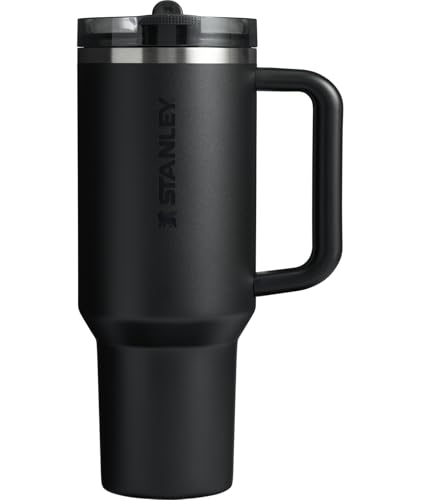


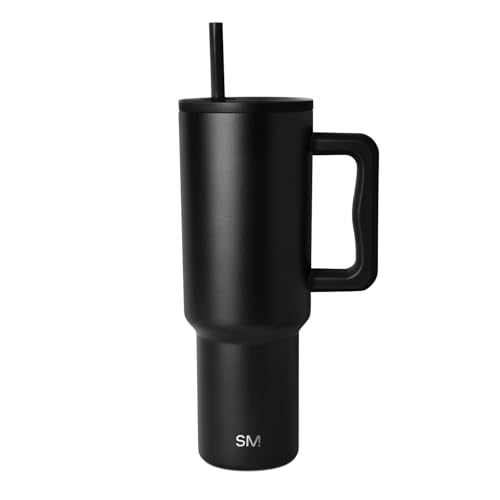
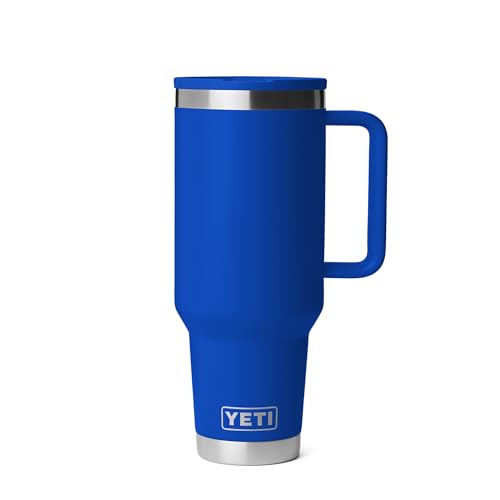
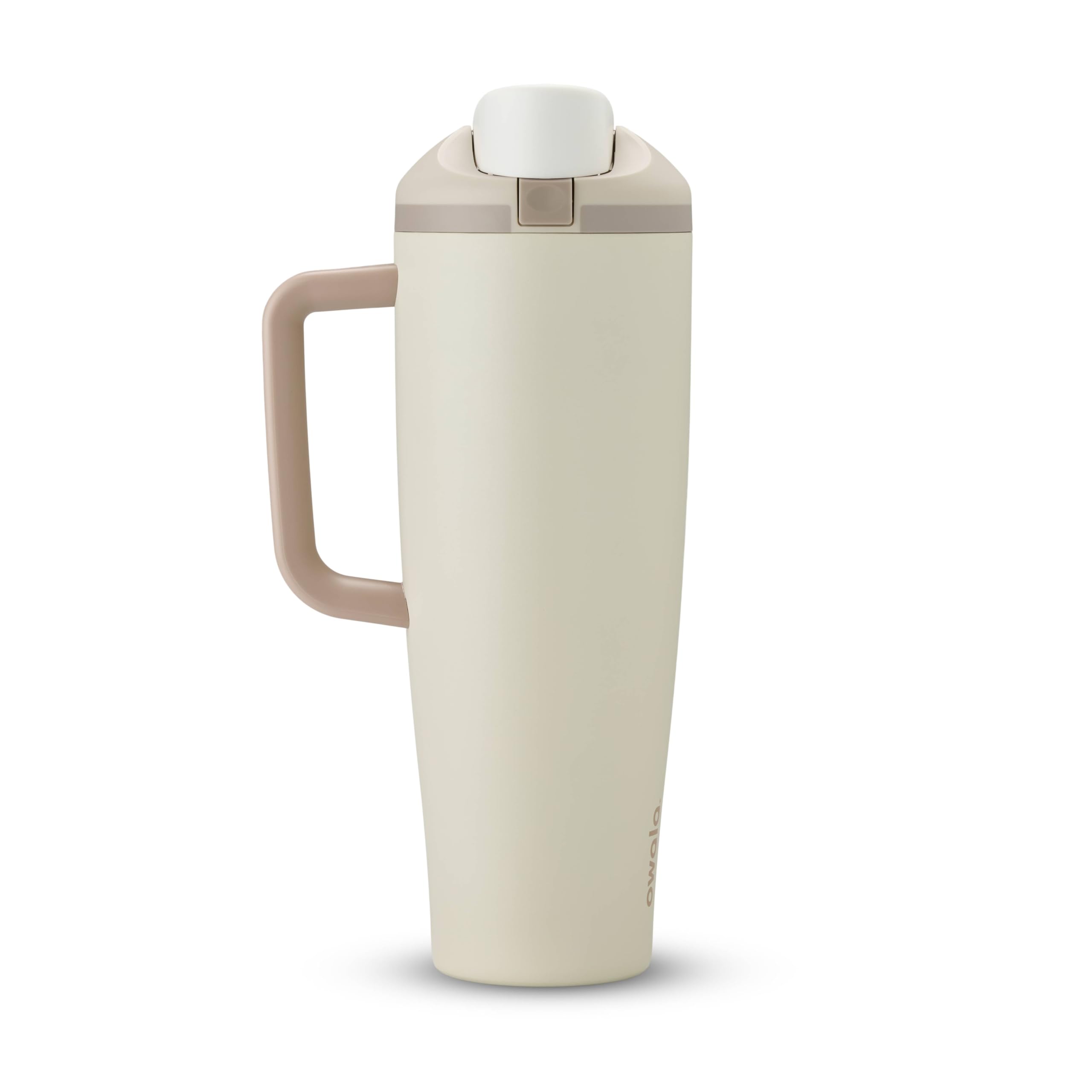

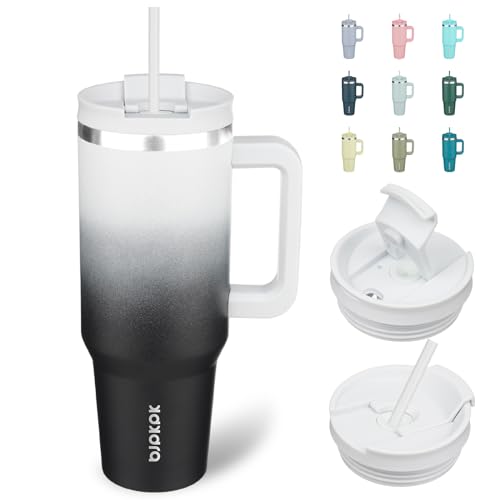

Quick Answer: Three Styles in 30 Seconds
For most homes, a handled tumbler with a straw is the easiest daily choice, since the handle helps you lift a full load and the straw suits water and iced drinks. If you mostly drink coffee or tea, a slider lid style gives you a smaller sipping opening and fewer parts. If durability matters most, a plain steel tumbler with a simple lid and no coating to chip tends to age best.
Before You Buy: A Quick Checklist for Choosing an Insulated Tumbler
Small details decide whether you reach for a 40 oz tumbler daily or leave it in the back of a cabinet. Work through the points below first.
Size: Match It to Your Space
Forty ounces holds about five standard glasses of water, so one fill can cover a morning and part of an afternoon for many adults. Check the height against your cabinet shelves and the base width against your car cup holder before you buy. If that volume feels like too much to carry, our guide to the best 20 oz insulated tumbler covers a lighter option that suits short trips and smaller bags.
Which Type Fits Your Routine
Most 40 oz tumblers use stainless steel with double wall vacuum insulation, which keeps drinks cold or hot without the outer wall feeling extreme to hold. Glass lined and ceramic lined interiors appeal if you dislike any metal taste, though those linings can be less forgiving if the tumbler drops. A tapered base is cup holder friendly for drivers, while a straight body with a handle often sits better on a desk or a kitchen counter.
Features Worth It, and Ones to Skip
A handle is worth paying for if your hands are small or the tumbler will be full most of the day, and our guide to the best insulated tumbler with handle explains that fit in more depth. A straw suits cold drinks and steady sipping, as the guide to the best insulated tumbler with straw shows. A plain slider lid is enough for hot drinks. Skip extras you will not use, such as decorative wraps or spare straws in colors your household will lose within a week.
Lead and Cadmium Free Glazes
Steel bodies do not need a glaze, but ceramic lined and glass lined models use finishes that touch your drink. Look for a clear maker statement that the interior finish is lead free and cadmium free, and be cautious with unbranded imports that give no materials information at all. If a listing is vague about what lines the inside of the cup, choose a plain, disclosed stainless steel model instead.
Dishwasher, Microwave and Oven Safety
Never put a stainless steel tumbler in a microwave, since metal and microwave ovens do not mix, and keep lids and straws out of the oven as well. Dishwasher rules vary more. Some bodies are listed as dishwasher safe, while many makers ask for hand washing to protect the outer color coating and the vacuum seal. Straws and lids usually tolerate a top rack cycle. When a listing and the care card disagree, follow the care card, because it was written for the exact finish you bought.
Set Size and Open Stock Availability
Buying one tumbler first is smarter than buying a full set for the household on day one. Live with it for a week, then add more if the size and lid suit everyone. Brands that sell single tumblers and spare lids on their own let you replace one lost cup without buying a whole new set.
Realistic Budget Ranges
Basic 40 oz steel tumblers often cost under $20, and they usually give you a plain lid and a simple finish. Models at about $20 to $30 tend to add a handle, a straw, and a sturdier lid. At about $30 to $50 you are paying for thicker steel, a lined interior, or better spare parts support rather than dramatically colder drinks. Set your budget by the features your routine actually uses, not by the longest list of claims on the box.
Types Compared: Three Routes for Different Homes
Since the same 40 oz size comes in very different shapes, comparing types is more useful than chasing a single winner. Here are the three routes most households choose between.
For Most Homes: Handled Tumbler With a Straw
This is the style most families settle on for water and iced drinks at home, in the car, and at sports fields. The handle spreads the weight of a full tumbler across your whole hand, and the straw lets you drink without tipping a tall cup toward your face. The trade off is bulk. A handled body takes more cabinet room and may not fit smaller cup holders, so measure both spaces first.
For Tight Budgets: Simple Tumbler With a Slider Lid
A plain tumbler with a slider lid usually costs the least and has the fewest parts to lose, wash, or replace. It suits hot coffee and tea, since you sip through a small opening rather than a wide straw. The lid is spill resistant rather than fully leak proof, so this style belongs in a cup holder or on a desk, not loose inside a bag. Choose it if you want to keep the price low rather than collect features.
For Long Term Use: Plain Steel Tumbler With a Simple Lid
If you plan to keep one tumbler for years, plain uncoated steel with a simple lid is a sound route. There is no colored coating to chip, no lining to crack, and the lid design is common enough that spare gaskets stay easy to find. It will show small dents and scratches over time, but those marks rarely affect how it insulates. Choose this route if you are hard on gear or travel often.
How to Compare 40 oz Insulated Tumblers
Compare models on material and durability, dishwasher and microwave safety, design, set contents, and value for the price. The evidence comes from maker specifications and from patterns in verified buyer reviews, such as repeated comments about lid fit or coating wear. Many readers also start with brand comparisons like stanley vs yeti and stanley vs owala, then use the checklist above to pick a size and lid.
Is a 40 oz Insulated Tumbler the Right Size for You?
Choose 40 oz if you dislike refilling, spend long stretches away from a sink, or are trying to drink more water without tracking every glass. It suits drivers on long routes, workers at a fixed desk, and parents who share sips with kids during a day out. It is a poor fit if you walk long distances with your drink, carry a small bag, or have limited cabinet height.
Also think about who else will use it. A family with teens may find that everyone claims the big cup, so buying one per person in different colors prevents daily mix ups. If only one person drinks that much, a single large tumbler plus your existing mugs is often the most sensible setup.
Common Buying Mistakes to Avoid
- Buying a 40 oz tumbler before measuring your car cup holder, which can leave your new cup wedged in a door pocket instead.
- Ordering one for every family member before anyone has lived with the size for a week.
- Choosing a wide body for small hands without a handle, which makes a full tumbler awkward to lift safely.
- Ignoring spare lid prices, which can turn a cheap tumbler into a costly one after a single lost lid.
Cost of Ownership and Care
The purchase price is only part of what a big tumbler costs you. Straws split, gaskets wear, and lids crack when they drop on hard floors, so check that spares are sold separately and at a fair price before you commit. A model with common lid sizes will stay cheaper to keep than one with a rare shape.
For daily care, rinse the tumbler each evening and wash it with warm soapy water and a bottle brush that reaches the base. Let it dry upside down with the lid off so trapped moisture can escape. Store it with the lid resting beside it rather than sealed on top, since a sealed damp cup develops stale smells. Keep it away from bleach based cleaners, which can damage steel finishes.
Your Questions, Answered
What is the most reliable insulated tumbler brand?
Reliability has less to do with a logo than with support after the sale. Look for a maker that publishes clear care and materials information, offers a warranty of at least a year, and sells spare lids and gaskets on their own. A brand that still supports a model after a season or two of sales is a safer bet than a new seller with no parts and no warranty page.
How do you clean an insulated tumbler?
For stains and stale smells, fill the tumbler with warm water and a spoon of baking soda, let it sit for about an hour, then scrub with a bottle brush and rinse well. Tea and coffee films usually lift with this soak alone. Avoid steel wool pads, which scratch the interior and give future stains more texture to cling to. If a gasket smells, soak it on its own and let it dry fully before refitting it.
Is an insulated tumbler worth it?
It is worth it if it replaces drinks you would otherwise buy or cups you would otherwise throw away. A home worker who fills a 40 oz tumbler twice a day gets steady cold water without ice refills or a pile of glasses in the sink. It is harder to justify if you mostly drink at the table at home, where a normal glass and a jug in the fridge already do the same job.
How long does an insulated tumbler last?
The steel body can serve for years, but the vacuum seal decides the useful life. Fill the tumbler with iced water and leave it for two hours. If the outer wall sweats heavily or feels cold all over, the vacuum is likely gone and insulation will keep fading. Lids and gaskets usually wear out first, so replace those parts before you replace the whole cup.
What size insulated tumbler do I need?
Try a one day measure before you decide. Note how much water you drink between waking and lunch on a normal day, using a measuring jug as you refill your usual glass. If that amount is close to 40 oz and you would rather carry it in one fill, the large size fits. If it is closer to half that, a smaller tumbler will feel lighter and take far less room.
What is the best 40 oz insulated tumbler?
Start with weight, because 40 oz of water alone weighs about two and a half pounds before you add ice and the steel body. Hold something of similar weight in one hand and imagine lifting it dozens of times a day. If that feels fine and the base fits your cup holder, the handled straw style suits most people. If the weight feels like work, a lighter plain body will serve you better.
Final Thoughts
A 40 oz tumbler is a simple purchase that you will touch every day, so fit matters more than claims. Match the size to your space, pick the lid for the drinks you actually make, and favor models with spare parts you can buy later. Look back at the product table above, choose the best 40 oz insulated tumbler style for your home, and buy one first before you commit to a full set.


